REVIEW · ROME
Rome Vespa Scooter Tour with Professional Photographer
Book on Viator →Operated by Private Photographer in Rome · Bookable on Viator
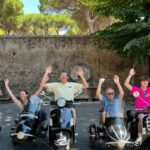
You ride shotgun on Rome’s hottest sights. This Rome Vespa scooter tour with a professional photographer is a short-cut to key landmarks, with guided stops and photo moments that don’t require you to wrestle traffic. I love that helmets are provided and you’re a passenger while the driver does the hard part.
My second big win: the 25 photos you get after the tour. The one drawback to plan for is that the Colosseum entry ticket is not included, so the most famous stop costs extra and is limited to a quick photo-and-lookaround window.
In This Review
- Key things to know before you book
- Rome by Vespa in 90–120 Minutes: How the Experience Feels
- Helmets, Drivers, and Safety on Busy Streets
- Where You Start and End: Via del Colosseo to Piazza Venezia
- The Colosseum Stop: Photos First, Ticket Later
- Circus Maximus, then a Break in the Green: Giardino degli Aranci
- Bocca della Verità: A Photo Stop With a Legend
- Vittoriano and Piazza Venezia: Big White Marble in Real Street Light
- Pantheon: When an Ancient Dome Still Feels Impossibly Modern
- Castel Sant’Angelo: A Fortress That Became Something Else
- Terrazza del Gianicolo: Panoramic Views That Turn the Tour Into a Memory
- The Photo Pack: 25 Photos plus Digital Copies You Can Actually Use
- Price and Value for This 90–120 Minute Rome Starter Tour
- Who Should Book This Rome Vespa Tour (and Who Might Hesitate)
- Should You Book This Rome Vespa Scooter Tour With a Professional Photographer?
- FAQ
- How long is the Rome Vespa scooter tour with a professional photographer?
- What is the price per person?
- Do I need to drive the Vespa myself?
- What photos are included?
- Are tickets for the Colosseum included?
- Where do we meet and where do we end?
- Is the tour offered in English?
- How big is the group?
- Can I cancel for a full refund?
Key things to know before you book
- Passenger-style Vespa riding: no self-driving stress on Rome’s busy streets
- Helmets included for every rider
- Professional photo time at major viewpoints, plus a delivered photo pack afterward
- Fast stop-and-see route designed for first-timers with limited time in the city
- Colosseum ticket not included, so budget for that separately
- Small group size with a maximum of 20 people
Rome by Vespa in 90–120 Minutes: How the Experience Feels
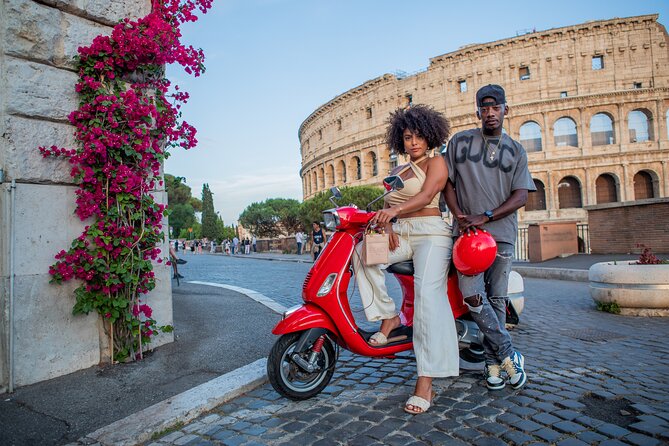
This is one of those tours that’s built for people who want Rome to happen fast. You start at Via del Colosseo, climb aboard the Vespa, and then move through central Rome with a driver doing the navigating. The rhythm is simple: ride, park near the next big site, hop off for a short walk or viewpoint, then back on for the next leg.
What makes it work well is that you’re not trying to “do Rome” in the classic, slow way—on foot, in traffic jams, with too many buses and too little time. Instead, you’re getting the postcard sights plus a few less-obvious stops that show up in a Rome photo set. The route hits places like the Colosseum, the Pantheon, Castel Sant’Angelo, and the Gianicolo hill area for views.
And yes, the Vespa element is the whole point. Riding behind someone who knows the streets means you can focus on taking in the architecture, not on gear shifts and scooters weaving through lanes.
You can also read our reviews of more photography tours in Rome
Helmets, Drivers, and Safety on Busy Streets
One thing I really appreciate here is that helmets are provided. That’s not just a nice-to-have—it changes how you feel from the first minute. Rome traffic is not the place to feel unsure, and having the gear makes the experience feel more “handled.”
The other half of safety is the driver. You’re not responsible for steering, so you’re free to sit correctly and pay attention to what’s around you. The tour also uses short stops, which helps keep the schedule tight and limits how long you’re exposed in any one busy area.
There is a practical consideration, though. In the details you’re given, a case was reported where a woman traveling solo requested a female driver and did not receive one. The tour still went ahead without that accommodation, and a refund was not issued in that situation. So if your safety comfort depends on having a driver of a particular gender, confirm that clearly before you go. It’s a simple message to send now, and it can prevent stress later.
Where You Start and End: Via del Colosseo to Piazza Venezia
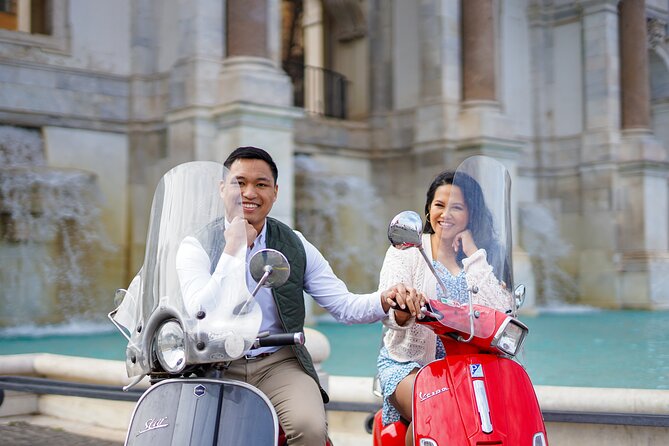
You meet at Via del Colosseo, 31. That puts you close to the Colosseum area, which is helpful because the tour kicks off in the zone where you’d already want to be during a first visit.
The ride ends at Piazza Venezia, and you’ll be dropped off there. That’s a smart finish point: it’s central, easy to walk or connect to other sights, and it also places you near the Vittoriano/Altare della Patria area you pass earlier. If you’re building a day plan, this kind of drop-off helps you avoid wasting time getting back to your next stop.
Also note the pacing: this is a short tour, so don’t plan a long museum detour right before or after. Think of it as a “core Rome starter course,” then let the rest of your day unfold around it.
The Colosseum Stop: Photos First, Ticket Later
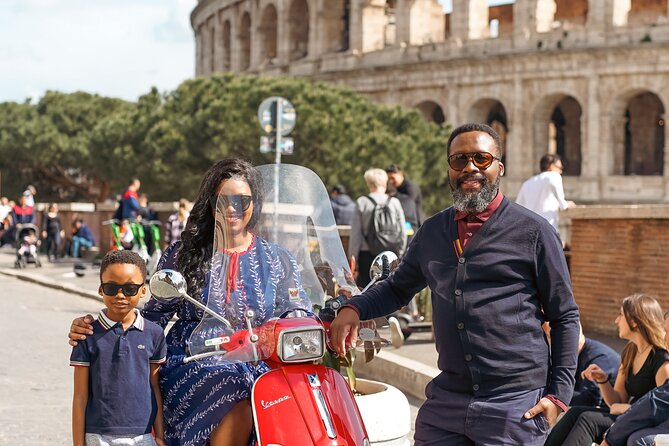
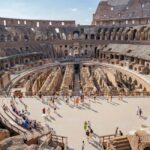
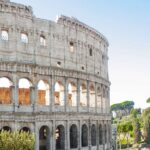
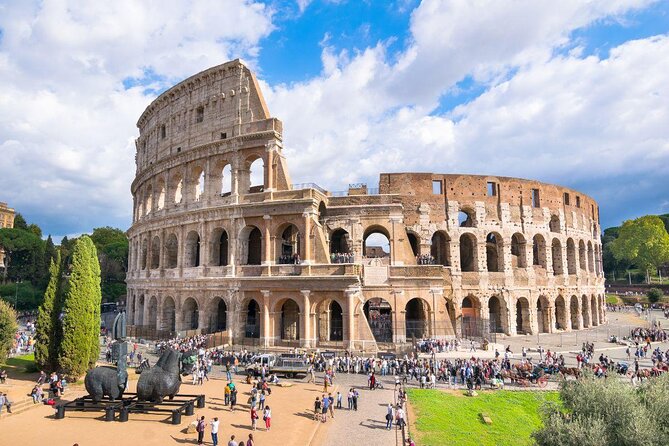
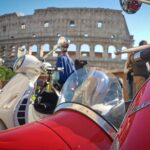
The big headline stop is the Colosseum (the Flavian Amphitheater). You get about 20 minutes here, and admission is not included. That means you’ll want to decide in advance whether you’ll pay for entry or just do the exterior-and-photo approach during this visit.
What you’ll do during the time on-site is very photo-focused. The tour includes professional photography at the Colosseum, and it’s one of the best places in Rome to get images with instant context. You’ll also get to see the scale quickly. Even without going inside, the mass of the structure and the way it dominates the surrounding area hits you fast.
If you do want to enter, budget extra time for tickets and security lines outside the tour’s fixed stop window. This is a “see the landmark now” kind of stop, not a “slowly explore every level” kind of stop.
Circus Maximus, then a Break in the Green: Giardino degli Aranci
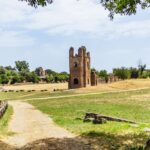
From the Colosseum zone, the route continues toward Circus Maximus, the ancient chariot-racing stadium that once held an enormous crowd. You don’t need a long speech here to understand why it matters: it’s one of those places where the size of the space is the story. Even if you’re not going inside, the setting helps you picture what Rome’s public entertainment looked like.
Next comes a calmer pocket: Giardino degli Aranci (Orange Garden) on the Aventine Hill. You get about 30 minutes there, and admission is free. This stop is valuable because it gives you a breather. After time on the scooter and in busy streets, having a park viewpoint makes the whole experience feel more balanced.
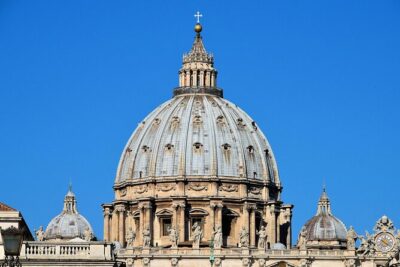
This garden is also a practical photo moment. From here you can frame the city and look toward the dome of St. Peter’s Basilica—a view that feels like Rome stacked on Rome. It’s also where you can slow down, stand somewhere safe, and take photos without shouting over engines.
You can also read our reviews of more tours and experiences in Rome

Bocca della Verità: A Photo Stop With a Legend
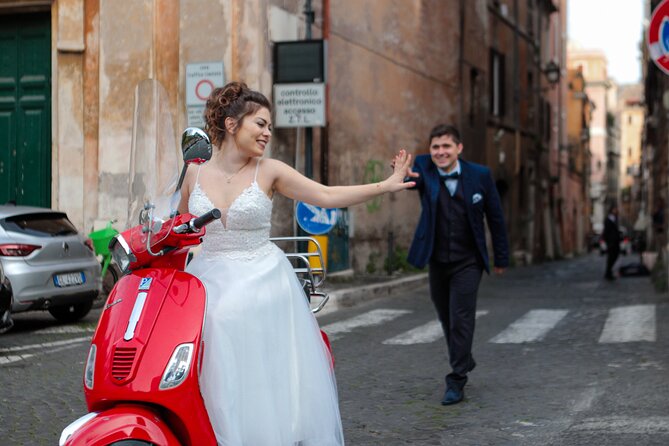
Then you’ll hit Bocca della Verità, the Mouth of Truth marble mask at the church of Santa Maria in Cosmedin. It’s famous for the playful legend: the hand-in-the-mouth pose is the whole activity. People do it for the photo, sure, but the payoff is that it’s a fun pause inside the tour’s “big monuments” pace.
The tour uses this as another quick photo moment rather than a long detour. That works because Bocca doesn’t require much time to enjoy. You just need enough minutes to line up your shot and do the pose without getting rushed.
It’s also a reminder that Rome isn’t only stone giants. It’s a mix of mythology, local tradition, and everyday tourist rituals that have become part of the city’s modern character.
Vittoriano and Piazza Venezia: Big White Marble in Real Street Light
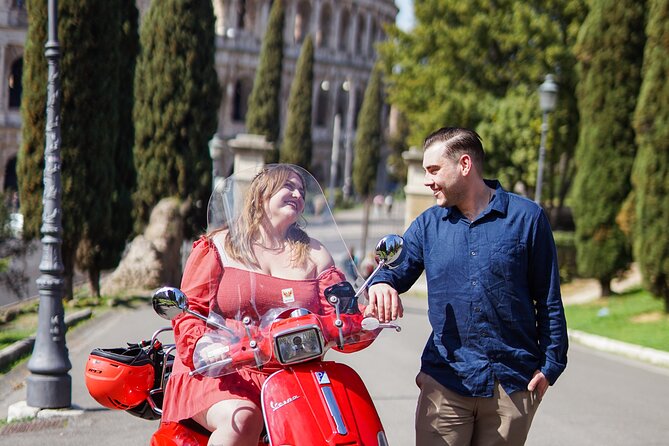
Next, you’ll come to the monument area around Vittorio Emanuele II, often called the Vittoriano or Altare della Patria. It’s a massive white marble complex, built to honor Victor Emmanuel II, and it’s completed in the early 1900s era. If you’re used to ancient ruins, this stop widens your idea of Rome’s timeline in a useful way.
You’ll also pass through Piazza Venezia, which functions like a hub of roads and landmarks. It’s not a sleepy square. It’s a central junction that shows you Rome as a living city, not just a museum. The Vittoriano dominates the area, and the stairs and statues create strong lines for photos—even from street level.
If your goal is a first-visit overview, this pair of stops does that job. It’s Rome’s grandeur with a more modern architectural scale, and it also sets you up for what comes next as you move deeper into the classic “center” sightseeing loop.
Pantheon: When an Ancient Dome Still Feels Impossibly Modern
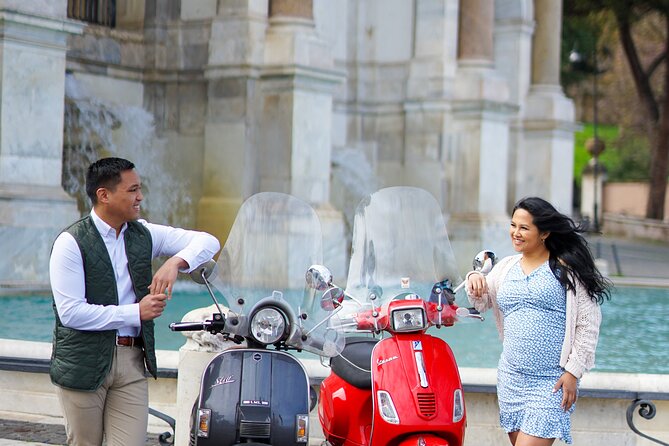
The Pantheon is one of the strongest stops on the whole route. You’ll get to see it in the heart of Rome, and it’s still a working church, called Basilica of Santa Maria ad Martyres.
The headline feature is that massive domed roof—an architectural feat that stayed impressive for centuries. Even if you don’t go deep into details while you’re there, the interior still does the work: the dome draws your eye up, and the lighting makes everything feel both ancient and strangely present-day.
This is also a good stop for photos that don’t look like typical landmark shots. Because of the shape and openings, you can get shots with “space” in them, not just faces in front of stone.
If you’re short on time elsewhere, prioritize the Pantheon. It’s one of those places where a little time goes a long way.
Castel Sant’Angelo: A Fortress That Became Something Else
Then you’ll reach Castel Sant’Angelo, along the Tiber River. This tower-like structure originally served as a mausoleum for Hadrian’s family and later took on different roles, including a fortress and papal residence. Today, it’s a museum, but you’ll mainly be experiencing it as a landmark from the outside and from viewpoints along the river approach.
Why it’s worth a stop on a scooter tour: it’s visually dramatic without needing a long walk. The river setting adds atmosphere, and the building’s cylindrical form reads clearly even when you’re moving quickly through Rome.
If you’re the type of traveler who likes “how did this place change over time?” energy, Castel Sant’Angelo delivers. It’s not just a static ruin; it’s a structure that kept being reused as the city evolved.
Terrazza del Gianicolo: Panoramic Views That Turn the Tour Into a Memory
Finally, you’ll spend time around Terrazza del Gianicolo / the Gianicolo hill viewpoint area. This is where Rome becomes a skyline picture instead of a street-by-street list.
You get about 20 minutes here, and admission is free. The focus is the view: St. Peter’s Basilica, plus major landmarks across the city, often framed beautifully when the light turns warm. Even if you don’t catch sunset, the hill view still makes the route feel complete—like you can step back and see where all the monuments fit together.
This stop is also a nice emotional landing spot. After scooter time and quick landmark walks, you finally get to stand still and let your eyes travel.
The Photo Pack: 25 Photos plus Digital Copies You Can Actually Use
Let’s talk photos, because that’s part of what you pay for.
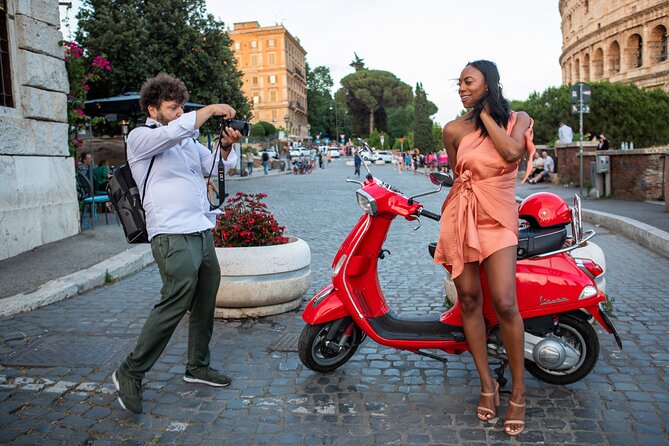
You’ll get 25 photos after the tour, designed as vacation mementos. You also get 10 digital photos, which is a useful number if you’re planning to post or print soon after you return home. The professional photographer is part of the tour’s value because it changes how your photos look. Instead of awkward, crowded self-timer shots, you get guided posing and framing at landmarks that are hard to photograph well on your own.
Also, you’ll have specific photo moments at major stops, not just a single “snap and go.” That matters in Rome, where angles and crowds can turn a great site into mediocre photos if you’re winging it.
One extra practical detail from the guide experience: some guides have been described as helpful with tools for riding footage, like lending a selfie stick for recording. You might find that helpful if you want moving-video memories, not only still images.
Price and Value for This 90–120 Minute Rome Starter Tour
At $66.51 per person, this tour is not “cheap,” but it is also not trying to be a full-day replacement for everything you could do on your own.
The value comes from three places:
- You don’t drive: the Vespa with driver plus helmet removes the biggest stress factor for a first-time rider.
- You get photos: a professional photo pack is baked into the price, not something you’d have to arrange separately.
- You cover distance fast: the route stacks major sights into a short visit, which matters if you only have a day or two in Rome.
The trade-off is that some major sights still cost extra or require more time. The Colosseum is the obvious example since entry isn’t included. But if you treat the tour as a way to get your bearings fast and collect high-quality photos at a spread of landmarks, the pricing starts to make sense.
One more thing: group size is capped at 20 people, which generally helps keep stops from turning into a full-scale logjam.
Who Should Book This Rome Vespa Tour (and Who Might Hesitate)
This tour fits best if you:
- Want a quick, attraction-heavy introduction to central Rome
- Like the idea of a photo-focused outing rather than a long walking day
- Are comfortable riding as a passenger behind a driver
- Value a professional photo pack you don’t have to figure out yourself
You might think twice if:
- You strongly prefer to spend a long time inside major sites like the Colosseum, because the tour stop there is short and entry isn’t included
- You have specific comfort requirements about who drives you. If that matters for you, confirm in advance.
The people on this tour also tend to be families, first-timers, and anyone who wants a fun “Roman holiday” vibe without turning the day into hours of self-planning.
Should You Book This Rome Vespa Scooter Tour With a Professional Photographer?
I’d book it if your top goal is a short Rome hit: Colosseum area to Pantheon to Castel Sant’Angelo, then Gianicolo views—plus professional photos that make the day easier to remember.
Two smart checks before you commit:
1) Decide how you want to handle the Colosseum. If you want inside access, plan for ticket time outside the tour’s stop window.
2) If you need a particular kind of driver accommodation for safety comfort, message ahead and get a clear answer.
If those points work for you, this is a very fun way to see Rome quickly—and to leave with pictures that actually look like you were there.
FAQ
How long is the Rome Vespa scooter tour with a professional photographer?
It’s about 1 hour 30 minutes to 2 hours.
What is the price per person?
The price is $66.51 per person.
Do I need to drive the Vespa myself?
No. You ride as a passenger with a driver.
What photos are included?
You get 25 photos after the tour, and the tour also includes 10 digital photos.
Are tickets for the Colosseum included?
No. Admission to the Colosseum is not included.
Where do we meet and where do we end?
You meet at Via del Colosseo, 31, and the tour ends at Piazza Venezia, where you’ll be dropped off.
Is the tour offered in English?
Yes, it’s offered in English.
How big is the group?
The tour has a maximum of 20 travelers.
Can I cancel for a full refund?
Yes. You can cancel up to 24 hours in advance for a full refund.