REVIEW · ROME
Appia Antica: Full Day Bike Rental with Customizable Routes
Book on GetYourGuide →Operated by EcoBike Roma - Parco Appia Antica · Bookable on GetYourGuide
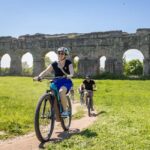
Pedal power beats tour buses here. You get a full day in the Appia Antica Regional Park, with real Roman stone under your tires and guided catacombs at key moments. I love that you can slow down or speed up between stops, instead of being herded.
I also like the bike choice, especially if you’re riding beyond smooth pavement: you can pick an e-bike or mountain bike for a route that can be bumpy on original flagstones. One thing to keep in mind: the road and side paths can be rough, and a city bike is not suggested for this kind of day.
In This Review
- Quick reasons to pedal Appia Antica
- Price and what you’re really buying for $22
- Appia Antica meeting point: Via Appia Antica 60 and how to start clean
- Choosing your bike: e-bike vs mountain bike vs city bike
- Stop 1: Church of Domine Quo Vadis and the Roman-road mood shift
- Catacombs of San Callixtus: 40 minutes underground
- Catacombs of San Sebastiano: 45 minutes and a different kind of awe
- Circus of Maxentius and the feel of Roman engineering
- Tomb of Cecilia Metella and Capo di Bove: where the scenery turns dramatic
- Villa dei Quintili to Aqueduct Park: ruins plus long views
- Road conditions: rough stone, puddles, and how to ride smarter
- Timing: when to start so you don’t feel rushed
- What it’s like to ride with a group (small) but explore on your terms
- What to bring (and what to skip)
- Who should choose this Appia Antica bike day
- Should you book this bike rental day on Appia Antica?
- FAQ
- Where do I pick up the bikes?
- What’s the price and duration?
- What bike types are available?
- Are helmets and locks included?
- Are food and drinks provided?
- Are there guided parts, or is it fully independent?
- How long are the catacomb tours?
- What do I need to bring?
- Are bikes available in rain?
- What are the office hours?
- Is cancellation flexible?
Quick reasons to pedal Appia Antica
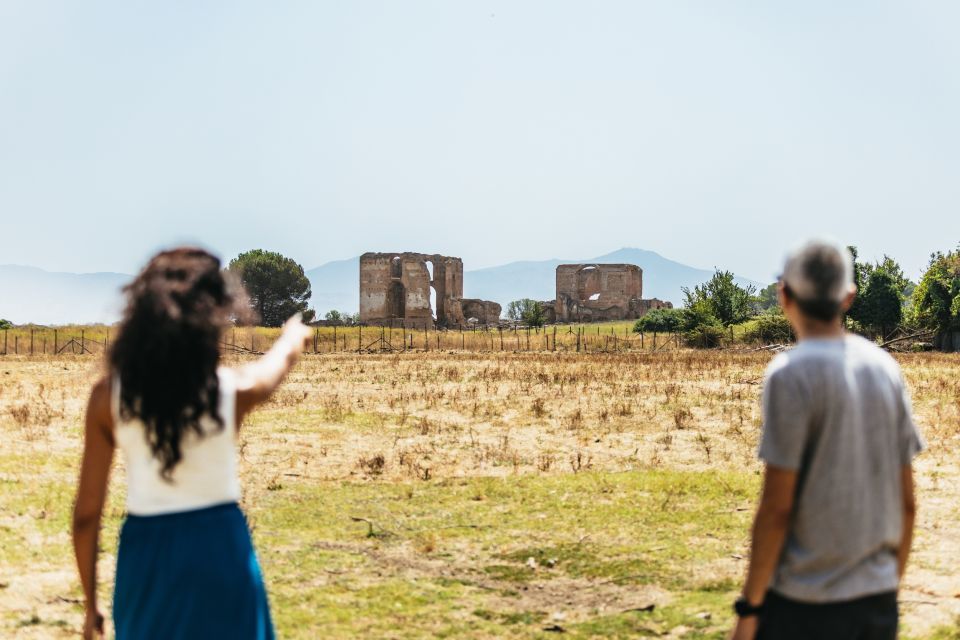
- Ancient grooves of the chariots: you can feel Roman wear patterns in the stone as you ride
- Catacombs with time built in: guided tours for St. Callixtus (40 min) and St. Sebastian (45 min)
- Pick your pace: most stops are “visit” style, so you can choose how long you linger
- E-bike makes distance doable: great for longer stretches and uneven sections
- Quiet Roman countryside feel: after the initial busier stretches, you often get a calmer rhythm
Price and what you’re really buying for $22
At $22 per person for a full day rental, you’re not paying for a driver or a nonstop guided script. You’re paying for the equipment and the plan that puts you on a rare stretch of Rome that doesn’t feel like a traffic jam of monuments. That value only works if you’re the type of traveler who likes choosing your own pace.
What’s included is basic but important: helmets and bike locks. Food and drinks are not included, so plan a water strategy and either a picnic or a stop for coffee and snacks when you find one along the way.
Also, treat the bike choice as part of the price equation. A city bike can be a poor fit for rough ground, while a mountain bike or e-bike helps you spend more time enjoying the views and less time fighting your tires.
You can also read our reviews of more cycling tours in Rome
Appia Antica meeting point: Via Appia Antica 60 and how to start clean
You pick up the bikes at the Tourist Information Office of the Appia Antica Park, inside the office on Via Appia Antica, 60. Plan to arrive with enough buffer to get fitted, grab your helmet, and lock down your bike before you set off.
This area is outside Rome’s center, so you’ll want to think about getting there in advance. One practical route from Roma Termini is bus #75. Another common option is metro to Colosseo, then bus #118 to the Appia Antica stop. If you taxi, expect it to take around 20–25 minutes.
Tip: once you’re on the Appian Way, the direction becomes simple. The road is basically a straight historic line, and you’re riding between named points—so you’re not constantly guessing your way through the city.
Choosing your bike: e-bike vs mountain bike vs city bike
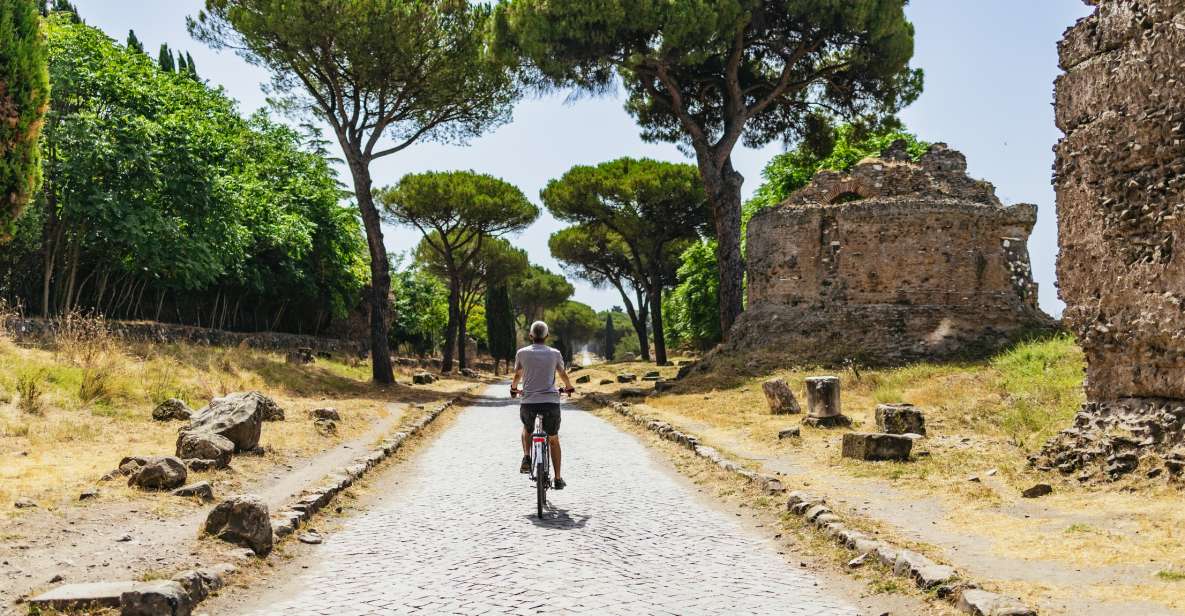
The experience offers mountain bikes and electric bikes. City bikes are available too, but they’re specifically not suggested for this ride, and you’ll see why pretty quickly once you hit older road surfaces.
Here’s the practical difference:
- Mountain bike: better for uneven, bumpy, and sometimes sandy or rooty side paths.
- E-bike: helps you handle rough sections without arriving wiped out, especially if you want time for catacomb visits and photos.
- City bike (not suggested): can feel sketchy or uncomfortable if you hit the more original sections.
The reviews highlight bikes in good shape and well maintained gear. And even if you’re not an expert cyclist, a mountain bike or e-bike helps you keep a steady pace instead of stopping every five minutes to recover your legs.
Stop 1: Church of Domine Quo Vadis and the Roman-road mood shift
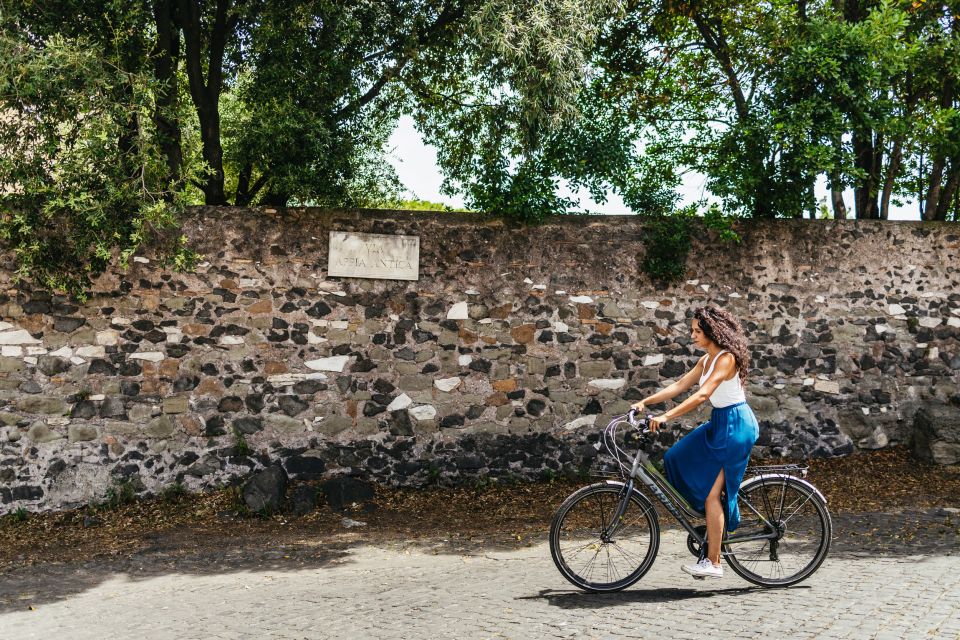
You start right on the Appian Way and then head to the Church of Domine Quo Vadis. This is the kind of early stop that helps you switch mental gears: you’re leaving the modern city tempo and stepping into the longer rhythm of the ancient roadway.
I like this early placement because it sets the tone before things get more rugged. If you want an easy mental warm-up, give yourself a few minutes here, orient your route, and check your water.
Catacombs of San Callixtus: 40 minutes underground
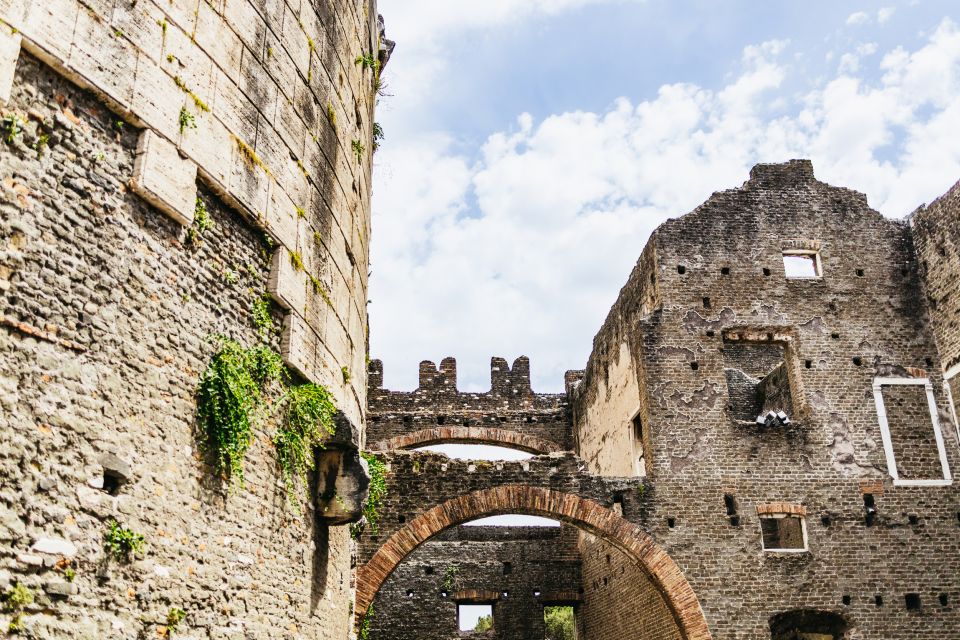
Next comes the Catacombs of St. Callixtus, with a guided tour for about 40 minutes. You’re going underground into a maze of galleries and burial spaces connected to the long, complicated story of early Christian Rome.
What you’ll feel most is scale. Even without turning this into a trivia contest, the catacombs are famous for the sheer number of burials and the way the space is organized underground. A guided visit matters here because it helps you connect what you see to what you’re looking at, rather than just walking through passages.
Practical note: catacombs can be cooler and more enclosed than the surface, so bring a layer you won’t mind carrying back on the bike.
You can also read our reviews of more tours and experiences in Rome

Catacombs of San Sebastiano: 45 minutes and a different kind of awe
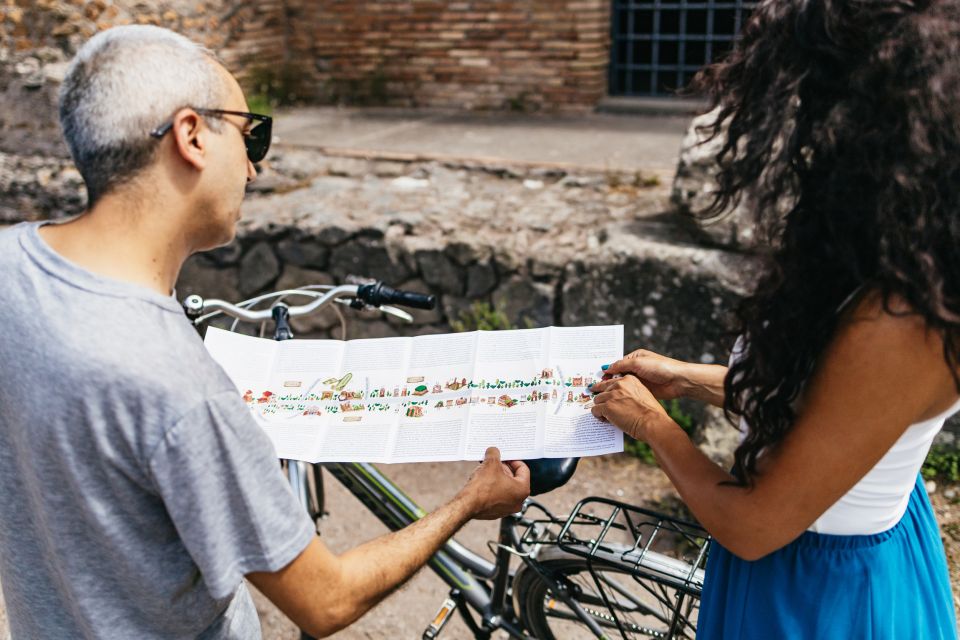
After that, you head to the Catacombs of Saint Sebastian, again with a guided tour for about 45 minutes. This stop is often memorable not just for the underground setting, but for what’s associated with it artistically.
One detail I found especially interesting is the reference to Bernini’s last masterpiece, created when he was 80 years old. You don’t have to be an art-history expert to feel why that matters. It connects the site to a bigger timeline than you get from “just” medieval or Roman ruins.
Again, guidance helps. You’re there for a fixed block of time inside, then you’re back in the open air on the bike. That pacing is a good match for most full-day schedules.
Circus of Maxentius and the feel of Roman engineering
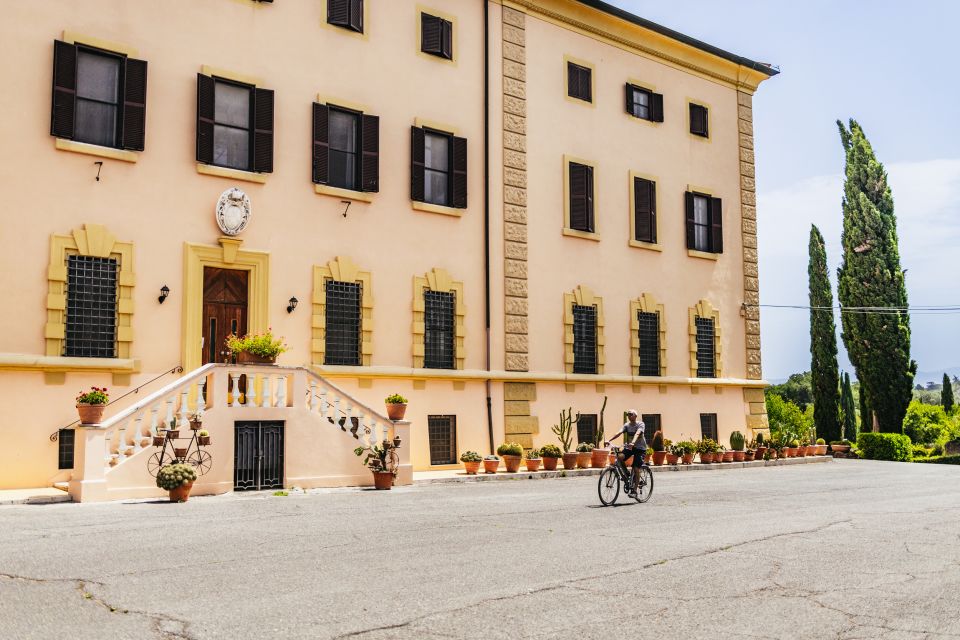
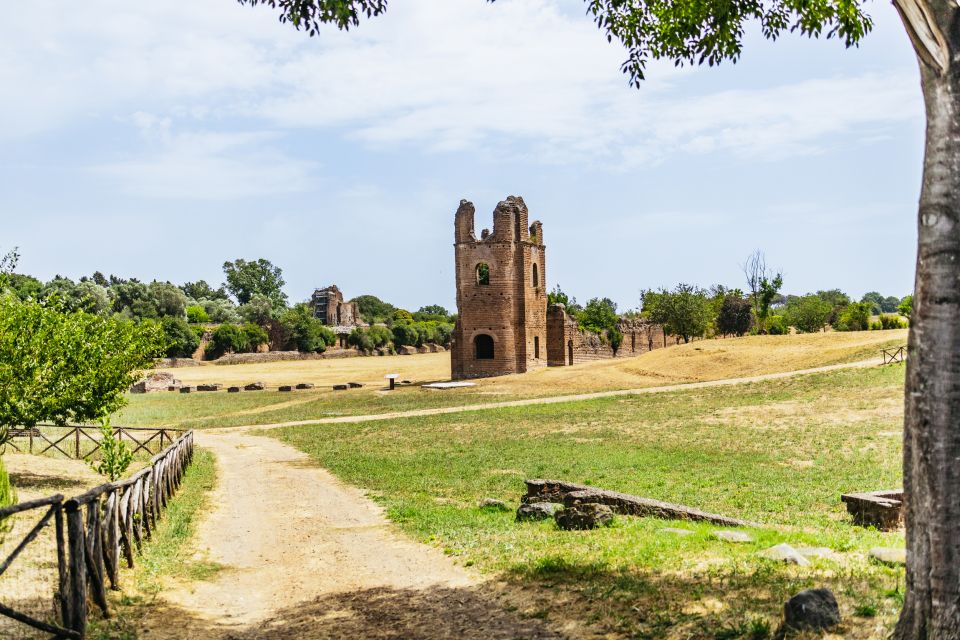
Once you come back to the surface, the ride shifts into “ruins you can picture” mode. The Circus of Maxentius is a major stop where the scale reads fast. You can stand there and imagine crowds, games, and the movement around the site.
This is also where the Appian Way earns its reputation. You’re riding along historic infrastructure—an ancient highway line that kept serving different eras. Expect a sense of motion even when you’re parked. The stone and geometry help your brain do the work.
And if you’re paying attention, you’ll start noticing the grooves in the road worn down over centuries. That’s one of the highlights that doesn’t sound real until you’re literally tracking it with your bike tires.
Tomb of Cecilia Metella and Capo di Bove: where the scenery turns dramatic
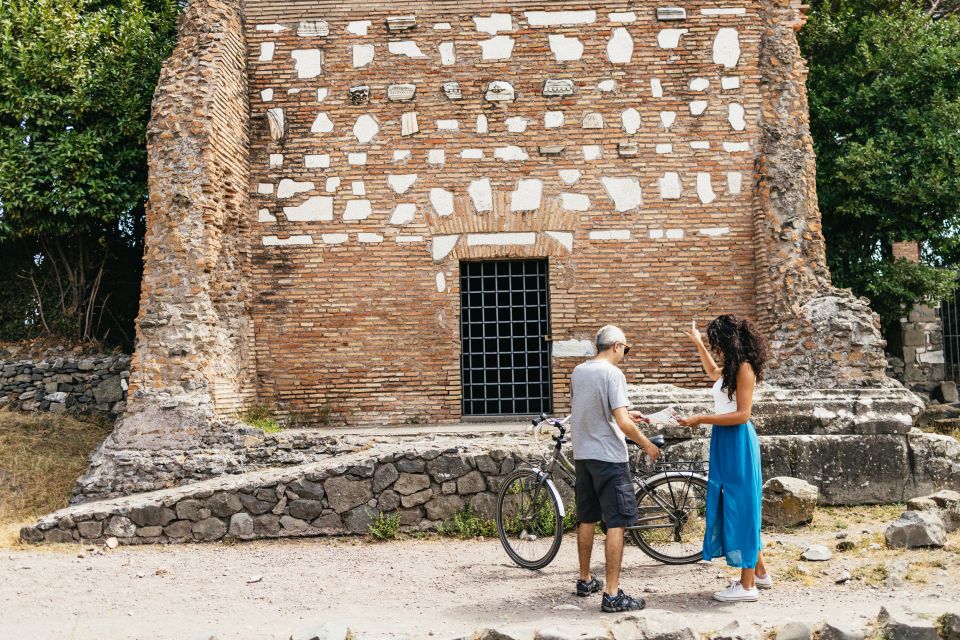
Next up: the Tomb of Cecilia Metella. This landmark is all about mass—strong, recognizable form, and a backdrop you can frame even while you’re moving. It’s the kind of stop that makes the day feel like more than a commute on old stone.
Then you ride toward Capo di Bove. It’s another point where the park feel kicks in. You get more open space and a better sense of distance from the city. For me, this section is the reward for keeping momentum: the moment when the ride stops being mostly “getting from place to place” and becomes the trip itself.
Villa dei Quintili to Aqueduct Park: ruins plus long views
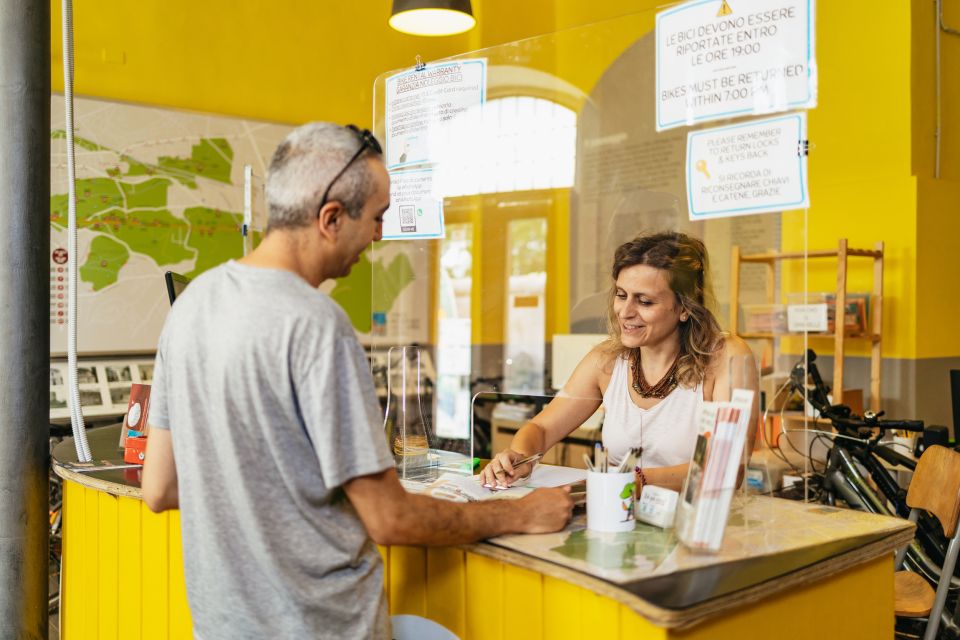
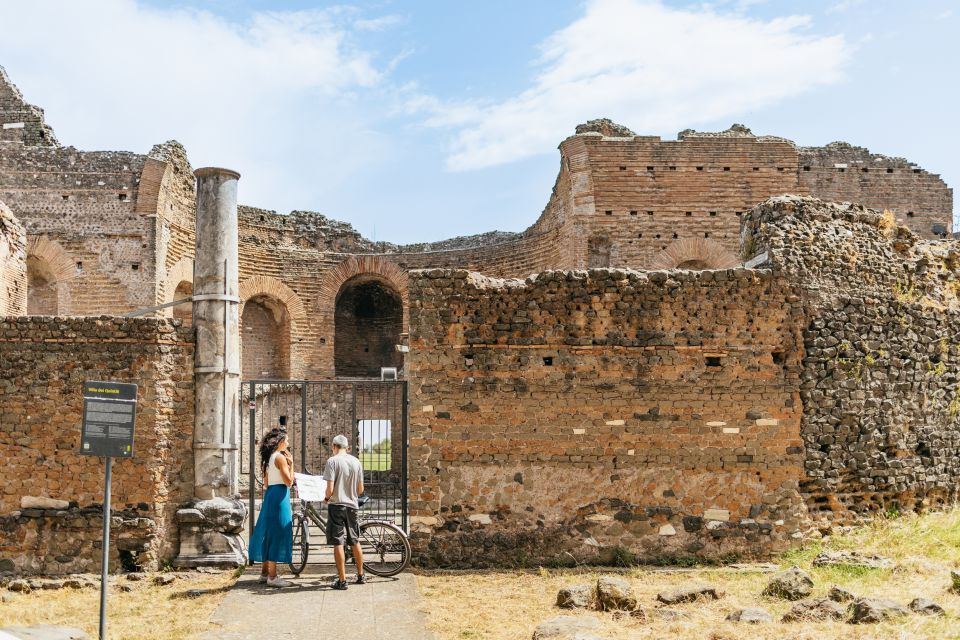
The Villa dei Quintili is another key stop, covering a large area tied to Roman bath complexes and sprawling estate life. You’re not just passing one monument—you’re moving through a bigger site where you can imagine routines of daily power and leisure.
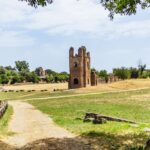
From there you pass through Caffarella Park and then make your way to Parco degli Acquedotti, where the best payoff is the scenery on the ride. This is the part that makes the full day feel worth it, because it’s not only buildings. It’s also the long sightlines, the stone structures in the distance, and the sense that you’re riding through a living archaeological map.
If you like photos, take them here. If you like quiet, slow down here. This is where the pace change feels natural.
Road conditions: rough stone, puddles, and how to ride smarter
The Appian Way can be an easy ride in theory and a rough ride in practice. Several parts are on original flagstones, and those sections can be deeply rutted, bumpy, and sometimes slick. You may also encounter large shallow puddles, depending on weather.
Here’s how to handle it without making the day miserable:
- Choose your bike type with the pavement in mind. E-bike or mountain bike is the safer bet for comfort.
- Ride slower on the “original” stretches where the surface looks oldest. Your tires grip differently there.
- Use the side paths when they’re passable, but be ready for sand, roots, and uneven ground.
One nice thing: you’re not dealing with a constant stream of traffic. Even when the route begins near busier roads, it often calms down after the initial sections, and you can get that rural peace many people chase when they come out here.
Water matters. Reviews mention only a couple of fountains in some segments and not many places to buy snacks. Bring enough water for your comfort, and plan for shade when the sun is strong.
Timing: when to start so you don’t feel rushed
The activity is full day, but your experience depends on when you start. If you begin late, you may not finish the longer end of the ride at a comfortable pace. One clear takeaway: a mid-morning start gives you more breathing room, especially if you want to do the full sweep of sights.
If you’re aiming for around the distance people often discuss on this route, you might be looking at roughly 15–16 km round trip for a solid there-and-back day. That can still be plenty of riding, but you’ll want time for catacombs and “sit for a minute” moments.
I also like that you can handle the day in pieces. If one catacomb feels like your priority, you can plan your energy accordingly and not try to sprint between monuments.
What it’s like to ride with a group (small) but explore on your terms
This is a small group setup with host/greeter languages listed as English, French, Italian, and Spanish. But the rhythm of the day is not like a strict guided tour of every step. You get directed to key points, do guided time where it’s scheduled (the catacombs), and then you’re free to explore.
That works well if you like independence. It also helps if you don’t want someone talking over your photos or slowing you down at the exact moment you’ve found the right angle of the road grooves.
If you need help, staff have been responsive in real situations. One rider shared that when an ankle injury happened, staff support was quick and caring, with people named Giovanni and Valentina mentioned for their kindness. That kind of service makes a big difference when you’re far from the city center.
What to bring (and what to skip)
You’re given a straightforward packing list, and it’s the kind that keeps a day smooth:
- Passport or ID card
- Water
- Comfortable clothing for “rain or shine”
- A plan for food (since food and drinks are not included)
A helmet is provided, and the bike comes with a lock, so you don’t need to worry about gear shortages. But you should treat snacks like a necessity, not a bonus. The route isn’t built around quick convenience stores.
If you want the relaxed picnic vibe, bring what you need and pick grass or stone when you see a calm spot. It’s a better match for this kind of Roman park day than grabbing a tiny snack and rushing back to the bike.
Who should choose this Appia Antica bike day
This experience is best for people who want a mix of movement and meaningful stops. You’ll enjoy it if:
- You can ride a bike comfortably over mixed surfaces
- You want quiet time away from central Rome
- You like “I choose how long I stay” sightseeing
You should also consider e-bike or mountain bike if you’re not sure about your comfort with rough stone. The route can be bumpy, and pushing your body too hard can steal the fun from the scenery and ruins.
It’s not suitable for pregnant women, people with back problems, people who can’t ride a bike, and anyone over 264 lbs (120 kg). Babies under 1 year also aren’t suitable.
If you’re unsure, pick the option that reduces strain the most. For most people, that means e-bike.
Should you book this bike rental day on Appia Antica?
Book it if you want a day that feels like Rome’s past is right under your wheels. The combination of guided catacomb time and self-paced riding between major ruins is a strong use of a single day, and the price is reasonable for the equipment plus the built-in historical stops.
I’d skip it or choose another format if rough surfaces would frustrate you. This isn’t a smooth paved-path ride, and the Appian Way’s authenticity comes with real bumps, roots, and old-stone quirks. Also, if you’re sensitive to long days on a bike, start planning for rest and shade early.
If you’re comfortable riding and you want to see Rome without the crowds pressing in every five minutes, this is one of the more practical ways to make that happen.
FAQ
Where do I pick up the bikes?
You pick up your bike from inside the Tourist Information Office of the Appia Antica Park on Via Appia Antica, 60.
What’s the price and duration?
The price is $22 per person and the duration is 1 day.
What bike types are available?
You can rent a mountain bike or an electric bike. City bikes are available too, but they are not suggested.
Are helmets and locks included?
Yes. Helmets and bike locks are included.
Are food and drinks provided?
No. Food and drinks are not included.
Are there guided parts, or is it fully independent?
The catacomb stops include guided tours (St. Callixtus for 40 minutes and St. Sebastian for 45 minutes). Other stops are listed as visits.
How long are the catacomb tours?
St. Callixtus is about 40 minutes, and St. Sebastian is about 45 minutes.
What do I need to bring?
Bring a passport or ID card and water.
Are bikes available in rain?
Yes. Bikes are available to rent rain or shine.
What are the office hours?
In winter (end of October–end of March), the office is open Monday–Friday 9:30 AM–1:00 PM and 2:00 PM–5:00 PM, and weekends/holidays 9:30 AM–5:00 PM. In summer (end of March–end of October), it’s Monday–Friday 9:30 AM–6:00 PM, and weekends/holidays 9:30 AM–7:00 PM.
Is cancellation flexible?
Yes. There’s free cancellation up to 24 hours in advance for a full refund, and you can reserve now and pay later.