REVIEW · ROME
Rome: Colosseum and Ancient Rome Guided Walking Tour
Book on GetYourGuide →Operated by Tours About · Bookable on GetYourGuide
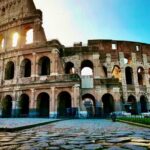
A gladiator arena in the middle of your walk. This Colosseum and Roman Forum tour threads together the big moments of Ancient Rome in just 2.5 hours, with a guide translating ruins into something you can actually picture.
I love the way this tour keeps the group focused: headsets mean you can still catch every key detail even when you’re standing right in the loud center of the site. In the reviews, guides like Maria and Joseph earn repeat praise for clear explanations, good pacing, and staying fun without turning history into a lecture.
The one real catch is physical: this is not suitable for people with mobility impairments or wheelchair users, and you should also expect a queue at the Colosseum because of security checks.
In This Review
- Key things that make this tour worth your time
- The big idea: why this walk makes sense
- Price and what you actually get for $41
- Meeting point reality: where to go before you start
- Entering the Colosseum: security lines and what to watch for
- Roman Forum and Via Sacra: where the empire ran on footsteps
- Palatine Hill ascent: turning ruins into a city map
- Guide quality: Maria, Joseph, and Stefanie De Majo set the tone
- Pacing and comfort: you’ll move, and you’ll move often
- What to bring, and what not to bring
- Who this tour suits best (and who should skip it)
- Weather and timing: small changes that affect the day
- Is it worth booking? My take
- FAQ
- How long is the Colosseum, Roman Forum, and Palatine Hill guided walking tour?
- What is included in the price?
- What languages are available for the live guide?
- Where is the meeting point?
- How do I get to the meeting point from Colosseo Metro station?
- What do I need to bring for entry?
- What items are not allowed during the tour?
- Is there a queue at the Colosseum?
- Is the tour suitable for wheelchair users or people with mobility impairments?
- How does cancellation work?
Key things that make this tour worth your time
- Colosseum first, then Forum and Palatine: you see the full power-center story, not just one monument.
- Included headsets: your guide’s voice stays clear while you’re moving and stopping.
- Palatine Hill ascent for views: the climb helps you understand the city layout, not just admire ruins.
- Well-reviewed guide performance: names like Maria, Joseph, and Stefanie De Majo show up for a reason.
- Pace that keeps momentum: good for most people, but it can feel quick if you prefer long pauses.
The big idea: why this walk makes sense

Rome is packed with Roman history, but you can waste a day bouncing between sights without a thread. This tour gives you that thread fast. In a single 2.5-hour loop, you move from the arena to the political and social heart of the empire, then up to Palatine Hill where the views help the story click.
The best part is how the route builds your understanding. You don’t just look at walls. You connect what you’re seeing—temples, markets, power spaces, and the arena—to the people who used them.
And yes, the “man and beast” angle isn’t just dramatic marketing. You’re walking a place designed for spectacle, with crowds in mind. That context changes how you read every arch, passage, and ruin.
You can also read our reviews of more walking tours in Rome

Price and what you actually get for $41
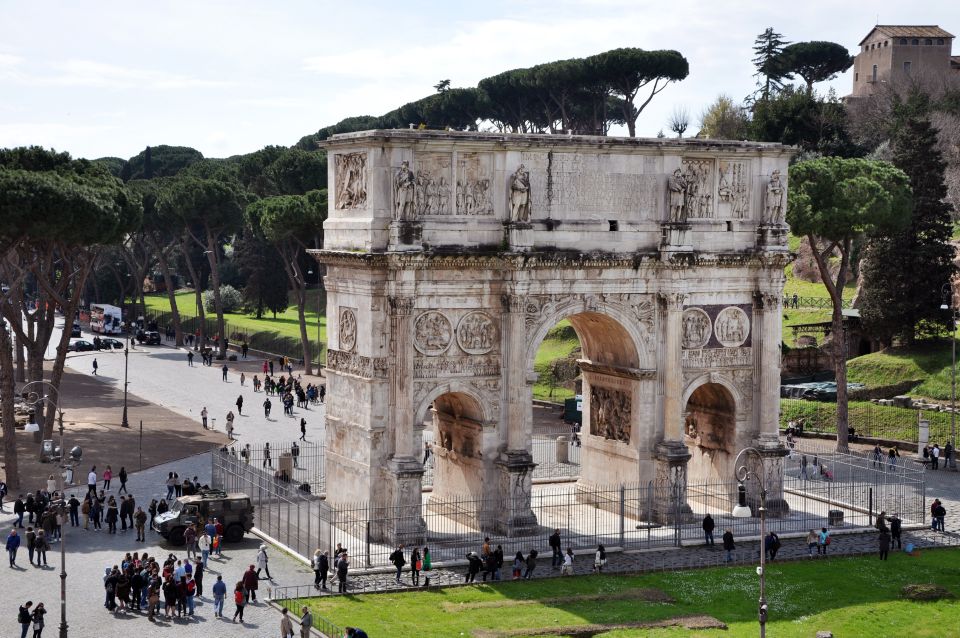
At around $41 per person for a 2.5-hour guided experience, this sits in the category of “worth it if you want structure.” You’re not paying for a bus ride (transportation isn’t included). You’re paying for entry, a live guide, and headsets to keep the explanation audible.
That matters at the Colosseum. Once you’re inside, it’s easy to feel like you’re surrounded by stone but missing the meaning. The guide’s job here is to point out what changes from one emperors’ era to another, how the Forum functioned, and how Palatine’s elevation ties into status and control.
If your goal is “see the highlights and understand what you’re seeing,” this is good value. If your goal is “wander slowly with no plan,” you may feel rushed.
Meeting point reality: where to go before you start
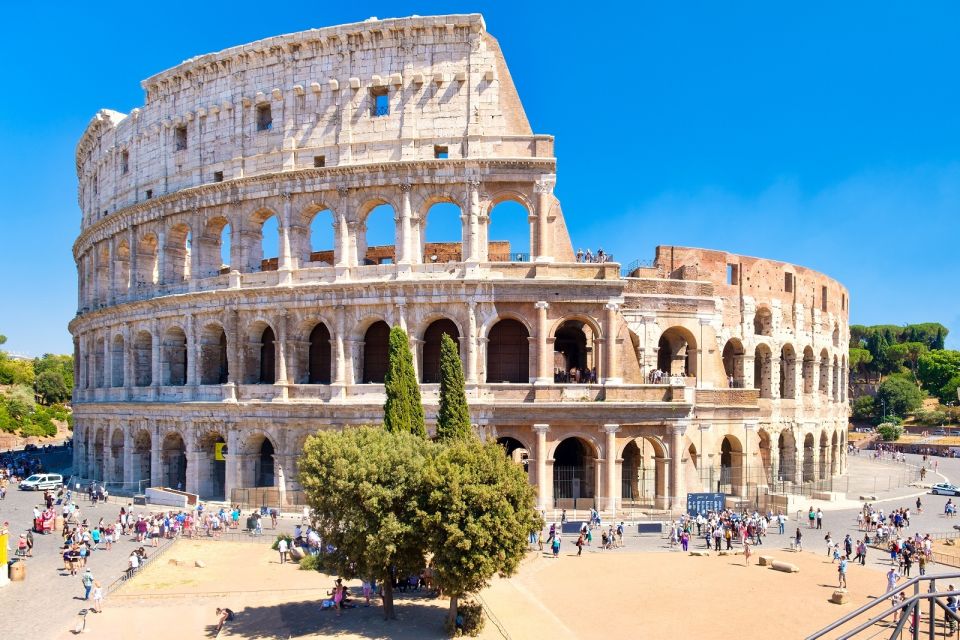
The meeting point is Via delle Terme di Tito 93. If you’re arriving by Metro at Colosseo, you’ll want to reach the terrace above the station, then walk on Via Nicola Salvi about 100 meters and turn left.
This is one of those Rome details that can decide whether the tour feels smooth or stressful. One review flagged a mismatch between directions and the actual meeting spot, and it sounds like staff helped once people were found nearby. Still, don’t bet your timing on GPS perfection.
My advice: arrive a bit early and confirm you’re at the correct landmark, not just near the general area.
Entering the Colosseum: security lines and what to watch for
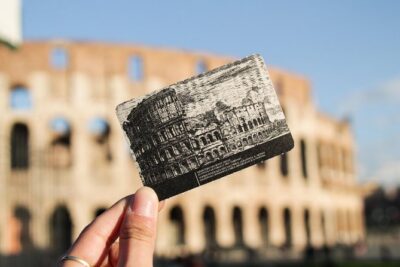
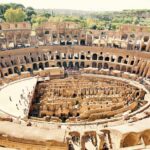
You’re going to the Colosseum first, which is smart. It’s the anchor sight, and it also means you can use the rest of the tour to deepen what you learn rather than trying to cram everything in one stop.
One practical note: there may be a queue due to security checks. That’s normal. Even with a guided group, you should expect some waiting. If you’re the type who hates lines, arrive with patience and comfortable shoes.
What your guide should help you do is look beyond the obvious. The Colosseum is huge, but the interesting part is how it connects to the surrounding world—the movements of crowds, the idea of public spectacle, and the nearby political center of the empire. A good guide will keep tying the structure to the Forum and Palatine so it doesn’t become a standalone photo stop.
Roman Forum and Via Sacra: where the empire ran on footsteps
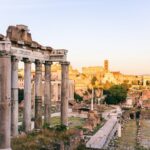
After the Colosseum, you step into the Roman Forum and the Via Sacra area, which is the real “main character” for understanding Ancient Rome.
The Forum is where political decisions and social power played out, and the Via Sacra is the spine at the heart of it. Even if you don’t know names or dates, the guide’s job is to point out how the space worked: temples and markets that mattered to daily life, plus the routes that carried people between power and public ceremony.
This is also where the tour’s format helps. Walking from stop to stop forces you to keep your mental map straight. You start to see how the empire was staged—where influence was displayed and where daily business happened.
One review complained that too much time felt spent on Rome rather than the Forum Romanum, which is a reminder to manage expectations. The tour is built around several sites, and time is limited. If your top priority is the Forum itself, focus on the guide’s explanations during the Forum segment and use your questions to steer the experience toward what you care about most.
You can also read our reviews of more guided tours in Rome






Palatine Hill ascent: turning ruins into a city map
Then comes the climb. You ascend the Palatine Hill, and that’s not just for exercise. It changes the way the Roman world makes sense.
From Palatine, the views help you understand the scale of Rome and why certain areas became symbols of status and authority. Even if you’re not a “ruins person,” the perspective makes the architecture and geography feel connected to how people lived.
The tour also treats Palatine like a story, not a single photo moment. You’re learning about the mythic and imperial connection to this area, and you’re seeing the remnants that reflect centuries of political and personal power.
If you dislike heights or climbs, this is where you’ll feel it. The tour isn’t suitable for wheelchair users or people with mobility impairments, so don’t assume you can just skip the ascent.
Guide quality: Maria, Joseph, and Stefanie De Majo set the tone
This is one of those experiences where the guide can make or break the day. The strongest praise in the reviews consistently points to guide talent and delivery.
- Maria is called out as a great guide with an unforgettable experience.
- Joseph gets credit for being pleasant, knowledgeable, and funny, which helps when you’re standing still but need to keep learning.
- Stefanie De Majo is singled out as the best tour guide the reviewers had, praised for professionalism, easy-to-understand English, and holding the attention of a 10-year-old through the whole route.
Those comments line up with what you should want from a Colosseum-and-Forum tour. You need clear explanations, a sense of pacing, and the ability to handle mixed ages without letting anyone disappear into the phone zone.
If you’re traveling with teens or kids, pay attention to the pacing. One review noted limited breaks so you were seeing and learning almost continuously. That can keep younger people engaged, but it can also feel like a sprint if you’re hoping to linger.
Pacing and comfort: you’ll move, and you’ll move often
The tour runs for 2.5 hours, so it’s not a relaxed stroll. The format tends to keep the group moving with short stops for explanations and photos.
Some reviews mention that it can feel like you’re running to catch up at times. Others mention stopping in shaded areas for comfort. That suggests the guide approach matters, and weather and crowd density will shape how the pacing feels in practice.
So go in with the right mindset:
- Wear comfortable walking shoes.
- Plan for crowds and a bit of hustle.
- Bring water, and don’t wait until the last minute to take care of heat needs.
The tour operates in all weather conditions, so even if Rome decides to rain, expect the day to continue.
What to bring, and what not to bring
You’ll want passport or ID card—and that includes for children. Have it ready before you arrive, since entry and identification requirements can’t be treated casually here.
Avoid prohibited items: no pets, no weapons or sharp objects, no luggage or large bags, no alcohol and drugs, and no glass objects. If you’re traveling light, you’ll thank yourself later.
Also think about your phone setup. You’ll be taking photos from multiple angles, especially after you reach Palatine. If you’re filming a lot, keep your battery charged ahead of time.
Who this tour suits best (and who should skip it)
This walking tour is ideal if you want:
- The main monuments of Ancient Rome in one compact route
- Real context for the Roman Forum and Palatine Hill
- A guide who can explain in a way you can follow without needing a textbook
It’s also a good fit for families who want structure. A review specifically praises the guide for keeping a child engaged and managing the pace with thought for sun and breaks.
Skip it if:
- You use a wheelchair or have mobility challenges that affect walking or stairs
- You hate guided pacing and would rather wander on your own
- You’re hoping for long free time between sites
Weather and timing: small changes that affect the day
The itinerary segments could change depending on Colosseum ticket availability. That doesn’t necessarily mean a bad outcome. It means you should be flexible and let the guide lead the order when needed.
Meeting time can also be subject to change, and you’ll receive a phone call or text. One more reason to show up a little early and keep your phone ready.
Late arrivals don’t get a refund, so don’t treat the start time as a suggestion. Rome is quick to absorb you into its chaos.
Is it worth booking? My take
If you like your Rome days organized—one route, one guide, and a clear story—this tour makes strong sense. For $41, you get entry fees, a live guide, and headsets, plus the big wins: Colosseum first, then the Forum, then Palatine Hill views.
Book it if your top priority is seeing the essentials without wasting time trying to figure out what matters. The guide quality is a recurring theme in the praise, with names like Maria, Joseph, and Stefanie De Majo standing out for clear delivery and keeping energy up.
Don’t book it if you need step-free access, long breaks, or a slow pace. And if you’re very Forum-focused, be aware the time is shared across multiple major sites.
FAQ
How long is the Colosseum, Roman Forum, and Palatine Hill guided walking tour?
It lasts 2.5 hours.
What is included in the price?
The tour includes entry fees, headsets, and a guide.
What languages are available for the live guide?
The live guide is available in German, Spanish, English, Italian, and French.
Where is the meeting point?
The meeting point is at Via delle Terme di Tito 93.
How do I get to the meeting point from Colosseo Metro station?
From the Colosseo metro station, reach the terrace above the station. Then walk on Via Nicola Salvi for about 100 meters and turn left.
What do I need to bring for entry?
Bring passport or ID card. Children need the same kind of ID as well.
What items are not allowed during the tour?
Pets, weapons or sharp objects, luggage or large bags, alcohol and drugs, and glass objects are not allowed.
Is there a queue at the Colosseum?
There may be a queue due to security checks.
Is the tour suitable for wheelchair users or people with mobility impairments?
No. It is not suitable for people with mobility impairments and wheelchair users.
How does cancellation work?
It offers free cancellation up to 3 days in advance for a full refund.