REVIEW · OSTIA ANTICA
Rome: Ostia Antica Private Guided Tour
Book on GetYourGuide →Operated by ArcheoRunning · Bookable on GetYourGuide
Roman ruins that feel like real streets.
This private guided tour is a smart way to make sense of Ostia Antica, the long-gone port city that once served over 100,000 Romans. I like how the route focuses on the places that explain daily life—the main Decumanus Maximus, plus the buildings tied to work, eating, and public gatherings. My other favorite part is the way a good guide turns scattered ruins into a storyline you can follow without getting lost. The main drawback to plan around is time: at 3 hours, you can still see a lot, but you may wish you had more hours if you’re hoping to linger in every corner, especially areas tied to the water.
You’ll also appreciate the human touch of a private group. When it works, it turns the tour from just photos into practical orientation, including help getting back on the right train. The flip side is simple: because tickets and transport aren’t included, you’ll need to handle those pieces yourself.
In This Review
- Key things I think you’ll care about
- Why Ostia Antica Feels Like a Roman Day at the Port
- Meeting Point and Express Entry: Less Waiting, More Walking
- Walking the Decumanus Maximus: Streets, Shops, and City Logic
- Taverns, Thermal Baths, and Warehouses: Work and Leisure Side by Side
- The Theater and Temples: How a Port City Looked Powerful
- The Ancient Harbour City of Rome: Why This Place Mattered
- 3 Hours on the Ground: Pace, What You’ll See, and What You Might Miss
- Price and Value: Is $169.93 Worth It?
- Who This Tour Fits Best
- Should You Book This Ostia Antica Private Guided Tour?
- FAQ
- What does the tour include?
- How long is the Rome: Ostia Antica private guided tour?
- Where do we meet the guide?
- What languages is the tour offered in?
- Is this tour wheelchair accessible?
- Is there a way to reduce waiting time at entry?
Key things I think you’ll care about
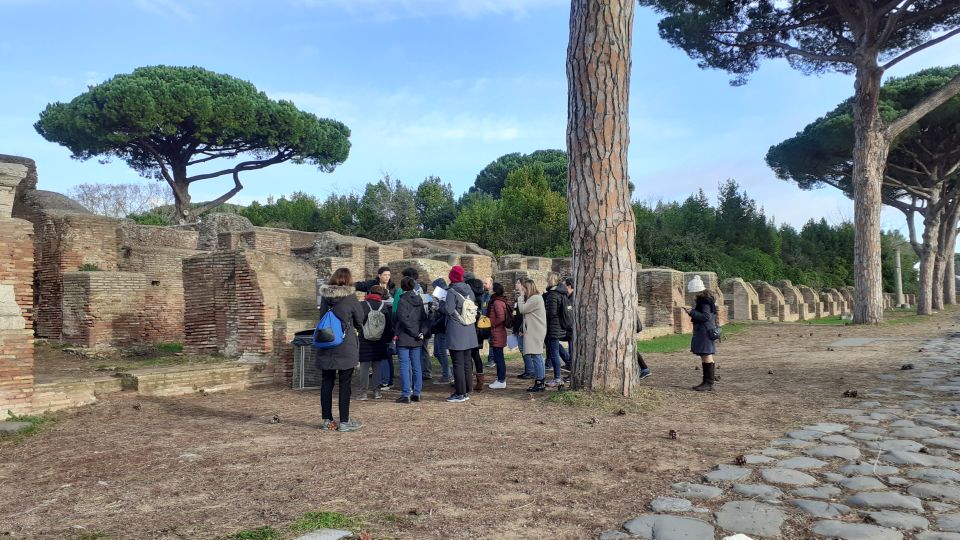
- Private guide attention for questions and pacing that actually fits your interests
- Decumanus Maximus walking so the city layout makes sense fast
- Roman daily-life stops like thermal baths, taverns, and warehouses
- Theater and temples that show how powerful this port city became
- Fast entry via express security check to reduce waiting time
- Train-back reassurance from a guide who cares about getting you oriented
Why Ostia Antica Feels Like a Roman Day at the Port
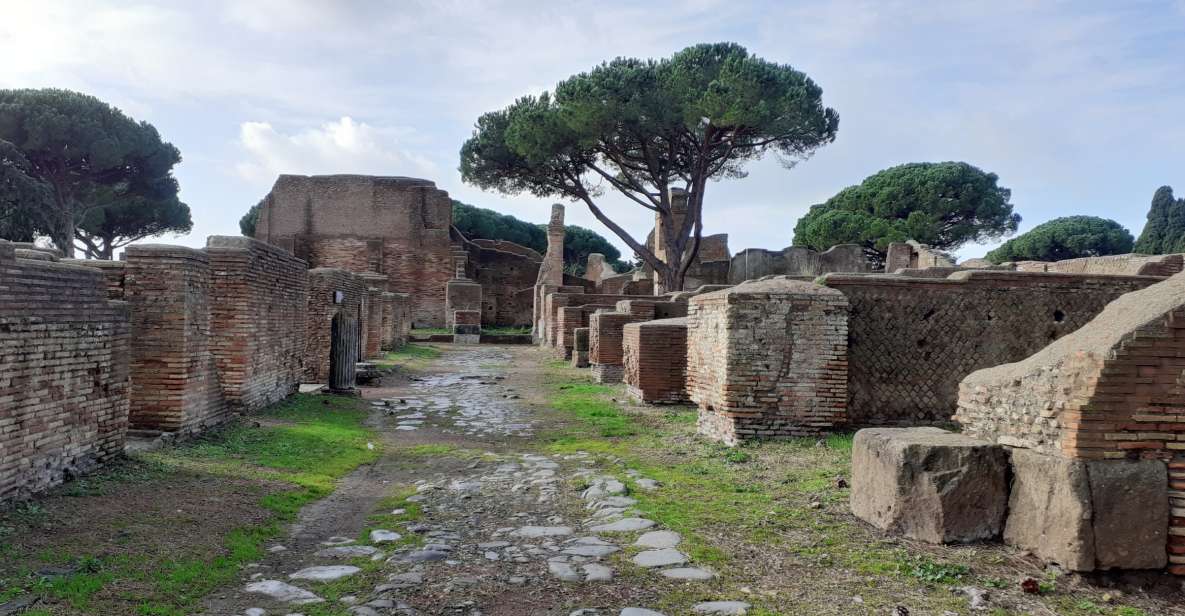
Ostia Antica isn’t just another pile of stones. It’s a rare kind of archaeological site where you can still read the city the way its residents once did—streets first, then the buildings that shaped schedules, diets, jobs, and beliefs. The site was founded in the 4th century BC, and at its peak it was home to more than 100,000 Romans. That scale matters, because it changes your mindset: you’re not looking at a small town museum. You’re walking through a working port city.
What I like about this tour approach is that it treats the ruins like evidence of everyday routines. You start with the bones of the city—main street, key public spaces—then you move into the stuff that made life function. That includes places you’d expect in any Roman town, such as baths and taverns, but also the port-related spaces that explain why Rome needed this location in the first place.
And you’re not just there to “see” the site. You’re there to understand it as a living system: commerce bringing people and goods in, public entertainment drawing crowds, and temples signaling authority and values. That’s where the tour feels most satisfying.
You can also read our reviews of more guided tours in Ostia Antica
Meeting Point and Express Entry: Less Waiting, More Walking
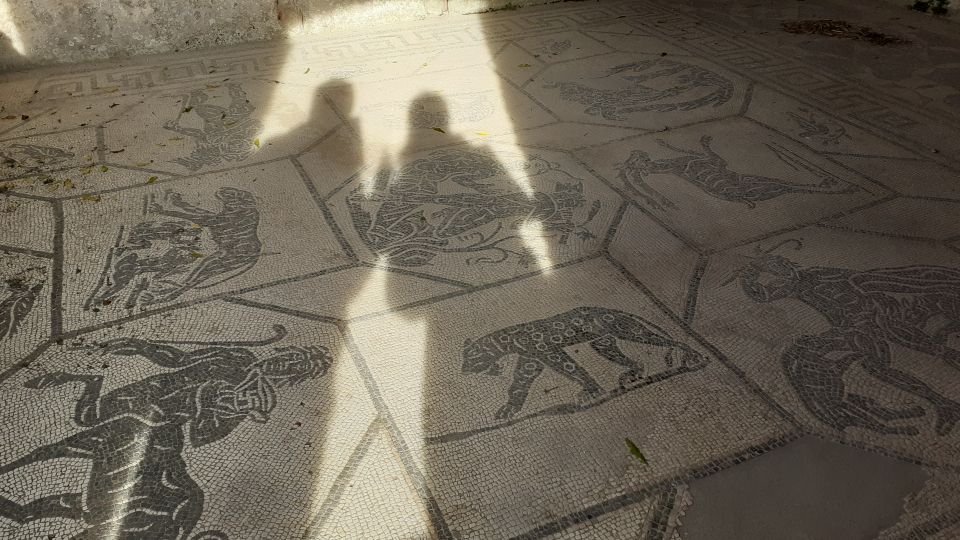
Your tour starts at the ticket office, and the guide will be holding a sign with your name on it. That sounds minor, but it’s genuinely helpful. In a large site area, meeting points can be a guessing game; having your name sign makes it quick to connect and start.
You’ll also get skip the line through express security check. That matters in practice because when you’re on a timed visit, every delay steals time from the part you actually came for: the walk and the explanations. Since the tour lasts about 3 hours, I’d rather spend those hours learning than waiting.
At the end, the tour returns you to the meeting point. So you’re not left stranded in a different zone, hoping you can figure out your next step. Still, transportation isn’t included, so you’ll want a plan for getting from Ostia Antica back to Rome.
Walking the Decumanus Maximus: Streets, Shops, and City Logic
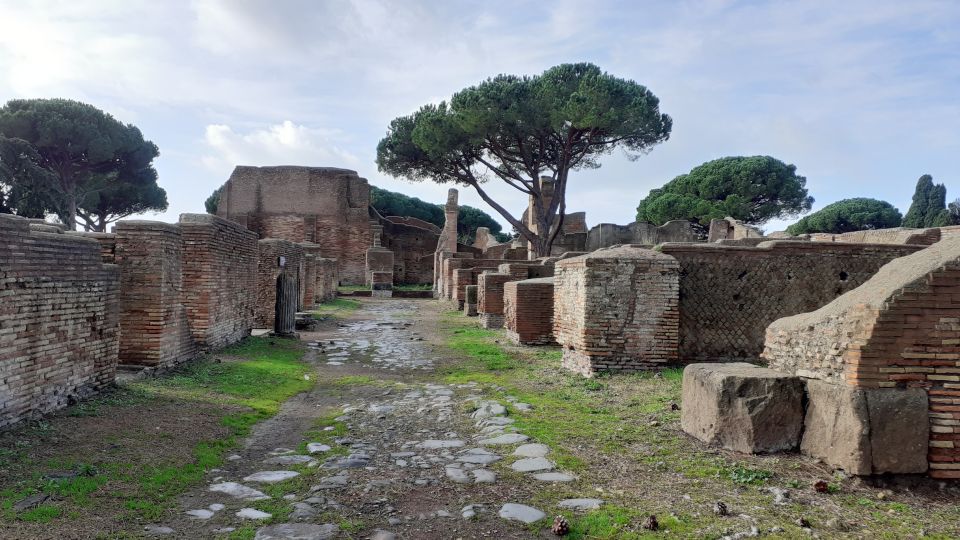
The heart of this experience is the walk along the main Decumanus Maximus. This is where your eyes start understanding the city layout. Once you can picture the main axis—where movement and foot traffic would naturally flow—other ruins click into place more easily.
A Roman city wasn’t just buildings; it was movement patterns. The main street tells you where people likely walked, traded, gossiped, and headed for public spaces. When your guide narrates along the way, you’re not just passing by walls. You’re getting the “why” behind what you’re seeing: where certain activities clustered, and how the city’s design supported the daily rhythm of residents.
The good news here is that you don’t need an architecture degree. Your guide’s job is to connect what’s physically there to what it meant. If you’ve ever left a ruin site feeling like everything looked equally important, this style of street-first touring helps you keep track.
One practical note: you’ll be walking on uneven, outdoor surfaces. Comfortable shoes aren’t optional; they’re the difference between enjoying the day and counting minutes until you can sit down.
Taverns, Thermal Baths, and Warehouses: Work and Leisure Side by Side
Ostia Antica gives you a strong “day in the life” feel because you can see both ends of Roman routine: labor and downtime.
Here are the main categories you can expect during the walk:
- Taverns and eating spots, where people gathered and social life happened
- Thermal baths, the Roman favorite for hygiene plus conversation
- Warehouses, tied to logistics and the port economy
- Theaters and public buildings, where the city showed its cultural priorities
What’s valuable about hitting these types of places is that you start realizing Rome’s power wasn’t only political or military. It was also economic and social. A port city needed systems. Storage and supply moved goods. Baths and taverns maintained community and routines. Entertainment drew people together and reinforced shared culture.
Also, these building types help you understand how “private” life and “public” life blurred. The baths were social. Food was communal. Work was connected to public flow. When your guide explains those connections, Ostia Antica stops being an isolated historic site and becomes a functioning city concept.
The Theater and Temples: How a Port City Looked Powerful
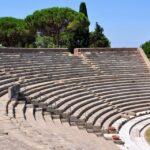
Not all Roman sites focus equally on religious and civic messaging, but this one does. You’ll see the well-preserved Roman theater and the temples, and those stops are where the atmosphere shifts from daily routine to public authority.
The theater is a big clue to how Rome managed culture. Entertainment wasn’t only about fun; it was a social tool. If you can picture crowds gathering in an ancient setting, you immediately grasp how a city like Ostia Antica could feel alive even without modern lights or sound systems.
Then you move into the temple zone, where religion and state power overlapped. Temples weren’t just places to worship. They broadcast values and legitimacy. In a major port city—where outsiders, merchants, and goods flowed through—public religious spaces mattered even more. Your guide’s interpretation here is key: you’re not only looking at structures, you’re learning how these spaces shaped the city’s identity.
The Ancient Harbour City of Rome: Why This Place Mattered
The tour frames Ostia Antica as the ancient harbour city of Rome, and that framing is important. Ostia wasn’t an afterthought; it was part of how Rome moved goods and supported a huge population.
When a guide highlights this port-city logic, you start thinking beyond what’s left of the buildings. You start imagining what moved through the streets: merchants, workers, travelers, and supplies headed toward the capital. Even the city’s layout begins to make sense in that context—where movement concentrated and where activities supported the port ecosystem.
This is also where expectations can matter. One review noted that with only 3 hours, it was hard to reach every area tied to the riverfront or sea. That’s not a problem unique to this tour; it’s just the reality of timed visits at a sprawling site. If you’re especially focused on the water-linked parts, you’ll want to mentally budget time for them, and consider whether a longer option is available during your dates.
3 Hours on the Ground: Pace, What You’ll See, and What You Might Miss
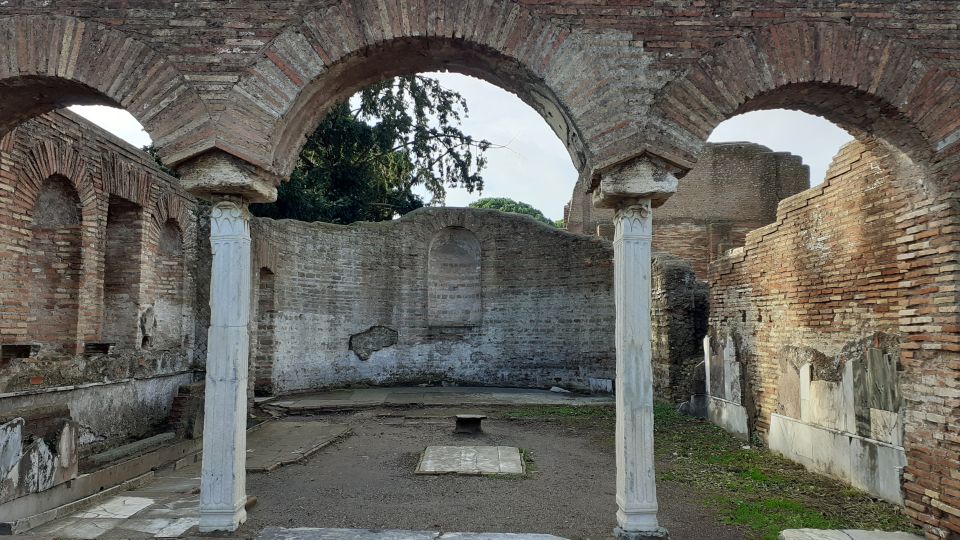
At 3 hours, this tour is built for momentum. You’ll cover enough of the city to understand structure and daily life: main street walking, key building types, and major public spaces like the theater and temples.
The pace is great if you like learning on your feet and want an organized route. It’s less ideal if you’re the type who wants to stop for long photo sessions at every wall and then read every inscription. In a site this large, time is always the tradeoff.
The practical upside is that your guide can help you prioritize. You’ll get a narrative route instead of a random walk. That’s where private touring pays off: you’re less likely to miss the “meaningful” parts that help the site click.
Also, you’ll likely come away with better instincts for what you want to chase next on your own. A good guide will point out other places you can add to your Rome-area itinerary, and even offer guidance on where to eat later—useful stuff when you’re trying to turn “we saw ruins” into a fuller day.
Price and Value: Is $169.93 Worth It?
The price is $169.93 per person for a private guided tour lasting about 3 hours. Tickets, food and drinks, and transportation aren’t included, so you’re paying mainly for guide expertise and time on the ground.
So is it worth it? In my view, it makes the most sense when at least one of these is true:
- You want a guided explanation that connects street layout to daily life
- You’re going with a small group where a private approach beats joining a larger crowd
- You care about saving time with express security check and not losing the tour window
- You want a guide to help with orientation at the end (especially if you’re nervous about train changes)
If you’re comfortable wandering on your own and you already know what you want to look for, you might spend less by DIY-ing. But Ostia Antica is one of those sites where context turns ruins into understanding. The guide isn’t a bonus; it’s the multiplier.
Who This Tour Fits Best
This private tour fits especially well if you’re:
- Traveling with one or two people who want control over questions and pacing
- Interested in Roman civic life, not only big-name monuments
- Visiting on a schedule that allows limited time at the site
- Looking for a smoother start and finish, thanks to clear meeting details and a guide who stays engaged
It also works for wheelchair access, since the activity is listed as wheelchair accessible. If mobility is part of your planning, you’ll still want to consider outdoor surfaces and distance, but the access note is a positive signal.
Should You Book This Ostia Antica Private Guided Tour?
I’d book it if you want a guided walk that teaches you how Ostia functioned as a port city, not just a checklist of ruins. The best value here is the combination of a focused route, clear storytelling, and the convenience of express entry. At 3 hours, it’s also a manageable commitment compared to longer day trips.
I’d hesitate if your top goal is slow travel through every water-linked corner and you know you’re the kind of person who needs extra time to linger. In that case, consider checking whether longer time options are available on your dates—or be ready to accept that some areas may not be part of your route.
If you like your travel with structure and meaning, this is a strong pick. You’ll leave with a clearer sense of what Roman urban life looked like when Ostia was still full of people.
FAQ
What does the tour include?
The tour includes a guided tour only. Tickets, food and drinks, and transportation are not included.
How long is the Rome: Ostia Antica private guided tour?
The duration is listed as 3 hours. Starting times depend on availability.
Where do we meet the guide?
You meet at the ticket office. The guide will be holding a sign with your name on it.
What languages is the tour offered in?
The live tour guide is listed as English and Italian.
Is this tour wheelchair accessible?
Yes, the activity is listed as wheelchair accessible.
Is there a way to reduce waiting time at entry?
Yes. It includes an express security check so you can skip the line for that part.