REVIEW · ROME
Rome: Hands-on Fettuccine, Ravioli & Tiramisu Cooking Class
Book on GetYourGuide →Operated by Bella Vita Food Tours · Bookable on GetYourGuide
Fresh pasta lessons feel like magic in Rome. In this hands-on class, you’ll learn to knead and cut fettuccine and shape hand-stuffed ravioli with Chef Giuseppe. It’s practical, upbeat, and you finish with what you made on your plate.
The only catch: the class is truly hands-on, so expect some mess and solid effort. Also, it’s not suitable if you have food allergies.
I like that it’s set up to be easy and efficient: you meet at IQ Hotel on Via Firenze 8, cook on site, and unwind with a proper tasting, including a glass of Italian wine.
In This Review
- Key points before you go
- Hands-On Pasta in Rome: Exactly What You’ll Learn
- Finding IQ Hotel on Via Firenze 8 (and Why the Set-Up Helps)
- Step 1: From Flour to Fresh Fettuccine
- Step 2: Hand-Stuffed Ravioli Without the Guesswork
- Step 3: Building Tiramisu the Correct Way at the End
- The Meal and the Wine: Eating What You Made
- Value Check: Is $69 a Fair Price for Pasta Skills in Rome?
- Who Should Book This Class (and Who Might Skip It)
- Tips That Make Your Class Smoother (and More Fun)
- Should You Book This Fettuccine, Ravioli & Tiramisu Class?
- FAQ
- How long is the Rome fettuccine, ravioli, and tiramisu cooking class?
- Where do I meet for the cooking class?
- What dishes will I learn to make?
- Is the class in English?
- Do I need any cooking experience?
- Are ingredients included?
- Is wine included?
- What should I bring or wear?
- Is it suitable for food allergies or pets?
Key points before you go
- Three classics in one session: fettuccine, ravioli, and tiramisu, all made from scratch
- Chef Giuseppe leads in English: step-by-step instruction with plenty of humor and help
- You skip sauce prep: the chef provides a pre-made sauce, so you can focus on pasta and dessert
- Wine and a full tasting meal: you eat what you make, with Italian wine plus other included drinks like water and cola
- You take home a recipe PDF: includes a bonus secret cookie recipe
- Dress for flour and fun: comfortable shoes help, and you’ll want clothes that can handle a little mess
Hands-On Pasta in Rome: Exactly What You’ll Learn
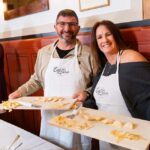
This is the kind of Rome activity that feels more like a workshop than a show. You roll up your sleeves and work with dough. You’re not just watching someone else cook. You’ll knead, shape, and assemble three Italian favorites: fettuccine, ravioli, and tiramisu.
The class runs about 2–3 hours, and it’s designed for all skill levels. If you’ve never made pasta, you’ll still be fine. The instruction is in English, and the chef keeps the pace friendly and clear.
A detail I appreciate: the final meal ties everything together. You build the pasta and dessert during class, then you sit down to eat your creations. That makes the time feel purposeful instead of like a short demo that ends before you know what to do next.
One heads-up from real timing: while the class is listed at 2 hours sometimes, it can run closer to 3. If you’re juggling dinner plans afterward, give yourself a little breathing room. Cooking takes what it takes, especially when you’re learning by doing.
You can also read our reviews of more cooking classes in Rome

Finding IQ Hotel on Via Firenze 8 (and Why the Set-Up Helps)
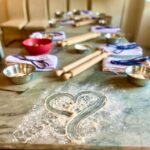
Your meeting point is IQ Hotel, Via Firenze 8. The big win here is how simple it is. You’re not trekking across town to “collect” ingredients or hit multiple stops. Cooking classes like this work best when you spend your energy learning, not navigating.
It’s also nice that the activity is wheelchair accessible, so you can expect the experience to be set up for real participation rather than a hard-to-reach space. The kitchen setup will still involve some movement and standing, but the baseline access is considered.
What you bring matters more than you’d think:
- Comfortable shoes (you’ll stand and work)
- A camera (you’ll want photos of the pasta and your final tiramisu)
Dress for dough, not for a photo-ready outfit. Wear something you don’t mind if it gets flour dusted or slightly stained.
Step 1: From Flour to Fresh Fettuccine
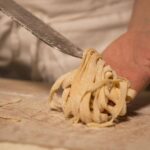
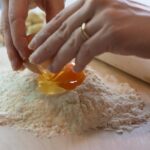
The fettuccine part is where pasta-making skills click into place fast. You’ll learn how to knead pasta dough, roll it, and then shape it into fresh fettuccine. Kneading might sound basic, but it’s really the foundation. It’s how the dough becomes elastic enough to roll cleanly without tearing.
Then comes the rolling. Fresh pasta dough behaves differently than store-bought sheets because you’re controlling texture from start to finish. This is the moment you learn what thickness looks right and how careful you need to be when working the dough.
What I like most about this section is the clarity of the lesson. You’re guided through the steps rather than thrown into a hands-on free-for-all. With the chef’s help, you’re more likely to leave with an understanding you can repeat at home.
Also, you’re not stuck doing everything end-to-end. The class includes your pasta work, but pre-made sauce preparation is handled by the chef. That means you get the pasta technique without spending the whole class standing over simmering pots.
Step 2: Hand-Stuffed Ravioli Without the Guesswork
Ravioli is the part that turns a cooking class into a real skill-building session. You’ll make hand-stuffed ravioli, which means the shaping depends on you, not a machine.
You’ll work with the dough and then create the stuffed portions by hand. This is where small technique details matter: sealing properly, portioning so they cook evenly, and handling dough without making a sticky mess you can’t fix.
Even if your first round isn’t perfect, that’s not a deal-breaker. This class is built around learning in a supportive way. The chef and team guide you through the key moves so you can improve quickly, not slowly.
A practical angle: ravioli teaches you how Italian home cooks think. It’s not just about taste. It’s about form, consistency, and careful handling. You’ll feel that difference when you eat the finished ravioli later.
And because you’re learning to make ravioli in a structured way, you’ll likely come away with a sense of what thickness and filling balance actually look like. That’s the kind of knowledge you can use long after your Rome trip ends.
Step 3: Building Tiramisu the Correct Way at the End
Tiramisu is a dessert people think they already know. Then you make it yourself and realize it’s more technique than magic.
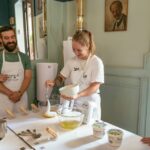
In this class, you’ll create tiramisu during the workshop. That usually means you’ll assemble it in the classroom with guided help, finishing with the right layering process. Even without getting too technical, you’ll learn the flow: what goes in, how it comes together, and what makes it taste right as a finished dessert.
One reason I think this part is worth doing in Rome is that you get the contrast. Pasta is hands-on and savory. Tiramisu is still work, but it’s calmer, more precise, and very satisfying.
You’ll also be eating it as part of the tasting meal. That turns the tiramisu section into something more than a quick sprinkle-and-go finale.
If you’re someone who loves dessert but worries you’ll be bored in a cooking class, tiramisu is a strong payoff. It’s also a classic you can repeat at home, especially once you have that recipe PDF afterward.
You can also read our reviews of more tours and experiences in Rome


The Meal and the Wine: Eating What You Made
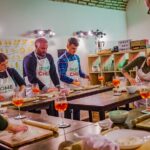
After you finish the pasta and dessert, you sit down and savor your creations. That’s not a small detail. A cooking class that ends with a tasteless snack feels like wasted effort. This one aims for a real dinner moment.
Expect a glass of Italian wine with your meal. In practice, some included drinks can go beyond wine. One note from the experience: drinks like water and cola were also included alongside the wine, which helps if you want options during the meal.
The setting at the hotel is part of the appeal. You’re cooking in a comfortable environment, then eating in pleasant surroundings afterward. No awkward “now go find the nearest restaurant” scramble.
And yes, the pasta you make tastes better than you might expect. The reason is simple: you’re using fresh dough you shaped yourself, and you’re getting immediate feedback from the chef on how it should look and feel.
Value Check: Is $69 a Fair Price for Pasta Skills in Rome?
At $69 per person for a 2–3 hour, hands-on class, you’re paying for three things at once:
- Instruction from an Italian chef (not just a generic guide)
- Ingredients for all three dishes, since everything is included
- A sit-down tasting that includes your work plus wine
If you’ve ever taken a cooking class abroad, you know the price can swing a lot based on how “hands-on” it really is. Here, the structure is built around participation. You’re doing the kneading, rolling, stuffing, and assembling—so the cost isn’t only paying for someone else’s labor.
It’s also not just a pasta class. Many cooking experiences focus on one dish. This one covers fettuccine, ravioli, and tiramisu, so you’re leaving with multiple techniques instead of one.
One more value angle: you get a bonus recipe PDF, including a secret cookie recipe. That’s small, but it extends the usefulness of the class beyond the day itself.
If you’re on a strict budget, $69 might still feel like a decision. But for a fun Rome experience where you learn, eat, and take recipes home, it’s a pretty solid value.
Who Should Book This Class (and Who Might Skip It)
This class works best for people who want hands-on cooking and don’t mind getting a little flour on their clothes.
It’s a great fit if:
- you love Italian food and want skills you can repeat
- you’re coming as a couple, family group, or friends who want a shared activity
- you’re a beginner and want structured help in English
- you want an experience that doesn’t require long travel or lots of walking because it’s set up at the hotel
It’s not a fit if:
- you have food allergies, since the activity isn’t suitable for that
- you need a fully allergy-safe, customized menu (that’s not what this class is designed for)
- you’re bringing pets (pets aren’t allowed)
If you’re in a wheelchair or using mobility aids, the class is wheelchair accessible. That’s an important factor for choosing a cooking class in any city.
Tips That Make Your Class Smoother (and More Fun)
A few small things can make the difference between a stressful session and a great one.
Wear comfortable shoes. You’ll stand, lean, and work at the counter. Slippery soles are a bad idea.
Dress for mess. Flour happens. Dough is sticky sometimes. If you’re prepared, you’ll enjoy the process more.
Take photos, but also take notes. A camera is great. Still, pay attention to what the chef corrects in your dough and your shaping. That’s where learning lives.
Plan for real time. Even though it’s listed as 2–3 hours, it can run closer to 3. Give yourself a buffer afterward so you don’t feel rushed.
Finally, treat the chef’s guidance like part of the experience. Chef instruction here isn’t just formal—it’s supportive. With the right attitude, you’ll come away with confidence, not just a plate of food.
Should You Book This Fettuccine, Ravioli & Tiramisu Class?
Yes, I think this is worth booking if you want a hands-on Rome experience that pays you back in skills and in dinner. The combination of fresh fettuccine, hand-stuffed ravioli, and tiramisu is a smart use of time. Chef Giuseppe’s step-by-step teaching makes it approachable, even if you’re a beginner.
Book it especially if you’re the type who likes doing things—kneading, rolling, shaping, assembling—rather than simply watching. And if you care about value, the included ingredients, your tasting meal, and the wine make the $69 price feel more like a practical activity package than a pricey novelty.
Skip it if you have food allergies or if you want a quick, low-effort experience. This class is interactive by design.
FAQ
How long is the Rome fettuccine, ravioli, and tiramisu cooking class?
The class lasts about 2–3 hours.
Where do I meet for the cooking class?
You meet at IQ Hotel, Via Firenze 8.
What dishes will I learn to make?
You’ll learn how to make fettuccine, hand-stuffed ravioli, and tiramisu.
Is the class in English?
Yes, the instructor teaches in English.
Do I need any cooking experience?
No experience is needed. Beginners are warmly welcomed.
Are ingredients included?
Yes. All ingredients are included.
Is wine included?
Yes, you’ll enjoy your creations alongside a glass of Italian wine.
What should I bring or wear?
Bring comfortable shoes and a camera. Wear clothes that can handle a little mess.
Is it suitable for food allergies or pets?
It is not suitable for people with food allergies. Pets are not allowed.