REVIEW · ROME
Private Tour – Trastevere and Villa Farnesina
Book on Viator →Operated by Rome Guides · Bookable on Viator
Art and ancient Rome walk together here. This private Rome outing strings together Renaissance art and real neighborhood life in Trastevere, with standout stops at Villa Farnesina and the area’s famed churches.
I especially love two things about this tour. First, you get direct access to the Raphael connection at Villa Farnesina, and the admission ticket is included for that hour. Second, the experience is built around a guide who tells the story as you go, with the kind of energy that keeps the pacing light even when you’re learning a lot.
One consideration: interior access is partly outside anyone’s control. Villa Farnesina can be closed, and at Santa Cecilia, the crypt and ancient Roman undergrounds are only visited if the site allows it.
In This Review
- Key highlights to expect in Trastevere
- Why Trastevere and Villa Farnesina click together
- Villa Farnesina: Raphael, Chigi power, and why the decor was propaganda
- A practical note: what if the villa is closed?
- Santa Maria in Trastevere: the Virgin Mary link plus 13th-century mosaics
- Santa Cecilia in Trastevere: mosaics, choir fame, and a possible look underground
- What this stop adds to the tour’s overall story
- The private guide experience: pace, personality, and real storytelling
- Price and value: what you’re really paying for at $149.78
- Meeting point and logistics that actually matter
- Who this tour suits best (and who might not)
- Should you book? A quick decision guide
- FAQ
- How long is the private tour?
- What does the tour cost?
- Is the tour offered in English?
- Is this a private tour or a group tour?
- What time does the tour start, and where does it meet?
- What time and location does the tour end?
- Are entrance tickets included?
- Will we definitely see the crypts and ancient Roman undergrounds?
- Is hotel pickup or private transportation included?
Key highlights to expect in Trastevere
- Villa Farnesina + Raphael’s world with included admission time for a full look
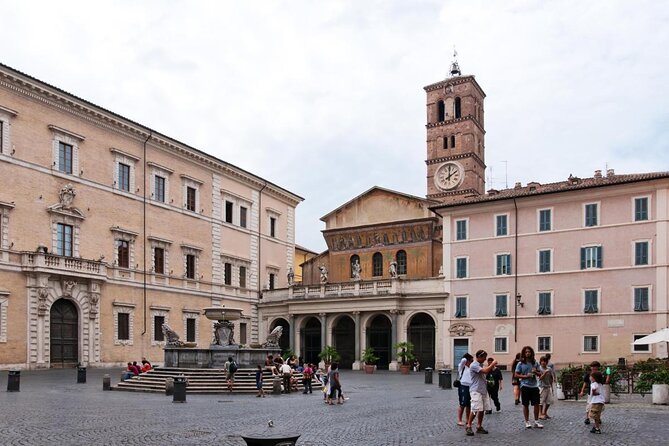
- Santa Maria in Trastevere mosaics from the 13th century, plus the church’s Virgin Mary significance in Rome
- Santa Cecilia with famous choir history, mosaics, and a chance to see crypts/undergrounds
- A true private 3-hour pace for your group only, with a guide who keeps things moving and fun
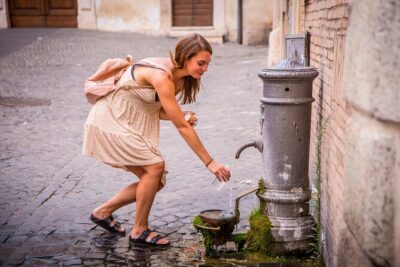
- Trastevere on foot with its food, wine, and traditions setting the scene
Why Trastevere and Villa Farnesina click together
If you want Rome that feels like a story instead of a checklist, this pairing works well. Villa Farnesina gives you the big-name art and patronage drama of the Renaissance—Raphael’s circle painted frescoes for a powerful banker—then you step right into Trastevere, where the city’s layers keep stacking up in smaller, more human spaces.
You also get a neat rhythm: one museum-like stop (Villa Farnesina), then two church stops that are perfect for short, focused viewing, and finally a walk through the district itself. That mix matters because it keeps your brain from burning out on only art indoors or only churches outdoors.
You can also read our reviews of more private tours in Rome



Villa Farnesina: Raphael, Chigi power, and why the decor was propaganda
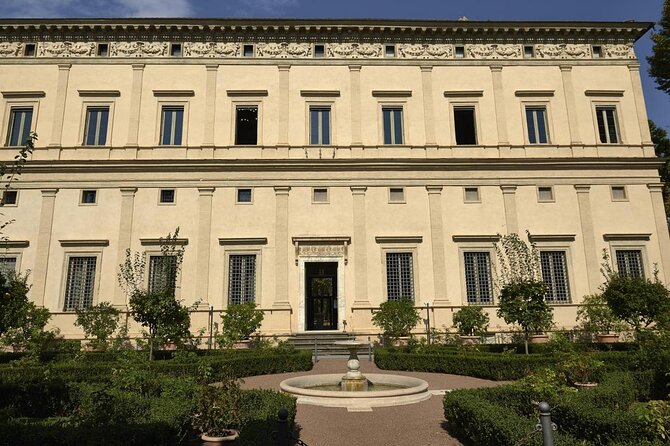
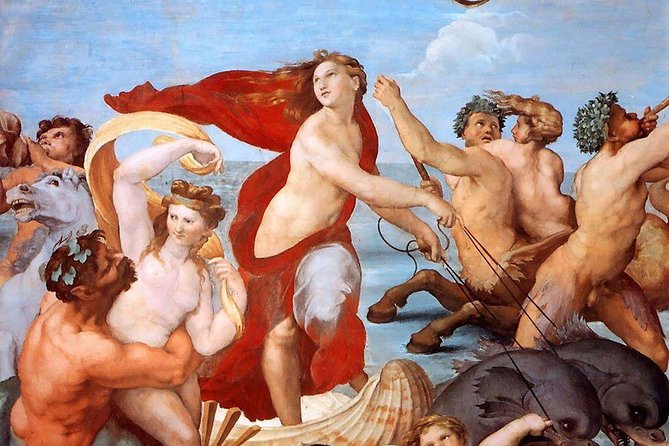
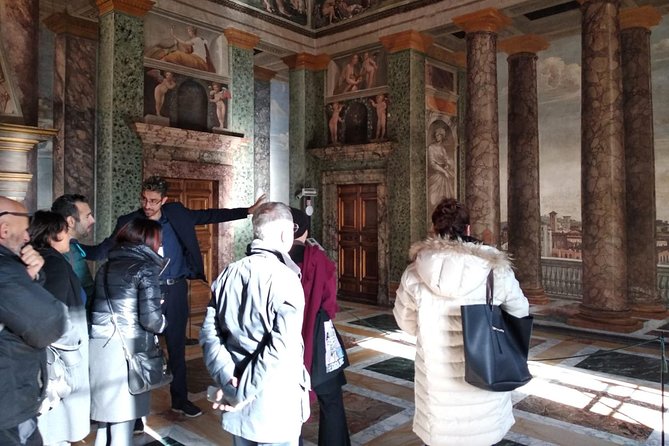
Your morning starts at Villa Farnesina (Via della Lungara, 230). This is a 16th-century villa by the river, and it’s tied to a major Renaissance figure: Agostino Chigi, a banker who built a sumptuous residence. The idea isn’t just to look at paintings. It’s to understand what the decorations were trying to say—about status, about artists, and about the way noble patrons shaped art.
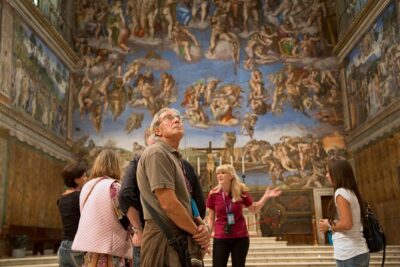
Inside, the focal point is Raphael and the school of painters connected to him. You’ll see how the program of decoration connects the artwork to the life of the patron and the people who created it. In plain terms: this stop helps you read the room, not just admire the walls.
You’ll have about 1 hour, and the admission ticket is included. That’s a real value add because Villa Farnesina isn’t a “quick peek” kind of place—it rewards time, and time is exactly what you get here.
A practical note: what if the villa is closed?
Because access can depend on circumstances, there’s a chance Villa Farnesina may be closed on your day. In at least one real-world situation tied to this tour, the guide adapted by shifting the emphasis to the Trastevere walk and still delivering a full experience, along with help to sort out a refund when the villa couldn’t be visited. The takeaway for you: if this is a must-do, stay flexible and trust the guide’s plan B.
Santa Maria in Trastevere: the Virgin Mary link plus 13th-century mosaics
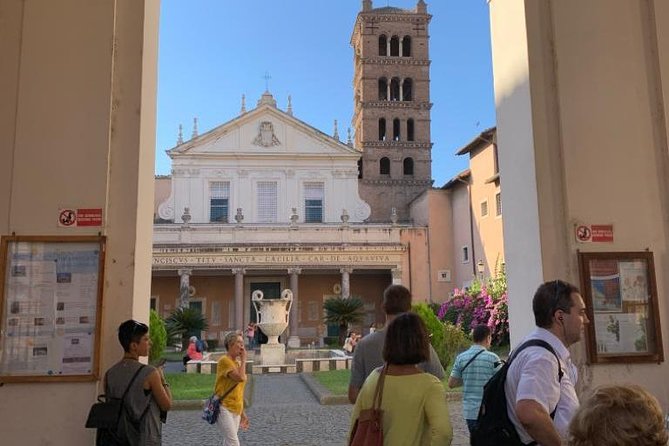
From Villa Farnesina, you move into the neighborhood atmosphere that Trastevere is known for. The next stop is Basilica di Santa Maria in Trastevere, one of the district’s signature churches.
What you’re aiming for here is the mosaics—especially the 13th-century ones. This church is also described as the first in Rome dedicated to the Virgin Mary, which gives the building a kind of early symbolic weight. Even if you’re not a church-and-mosaic superfan, this is the kind of place where the highlights are easy to spot with a guide pointing you in the right direction.
Time is kept short—about 20 minutes—and the admission ticket is free. That makes it a smart stop on a walking tour: you get a meaningful hit of Trastevere history without turning the day into a marathon.
Santa Cecilia in Trastevere: mosaics, choir fame, and a possible look underground
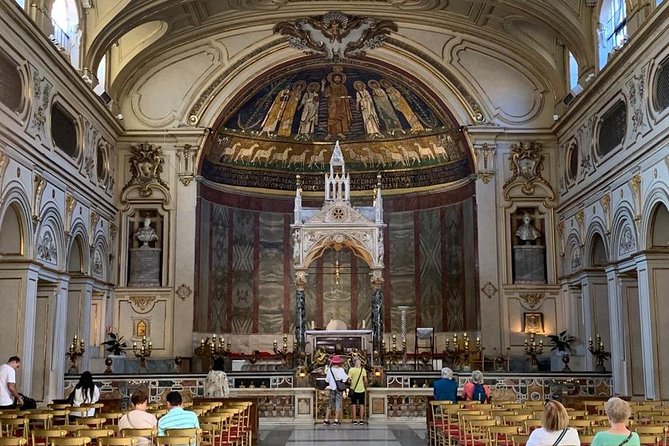
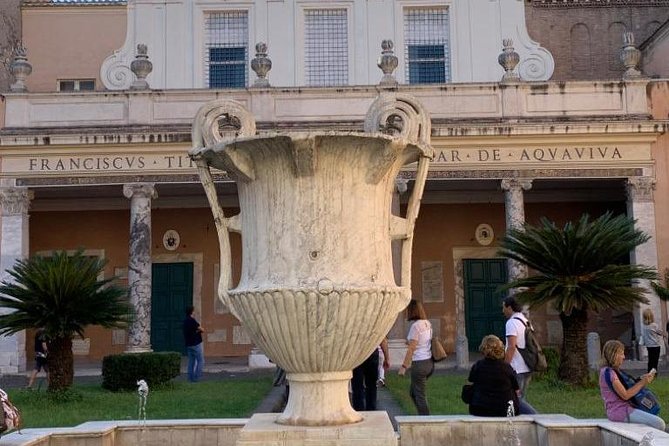
Next comes Santa Cecilia in Trastevere (you’ll end this tour nearby, in the Piazza di Santa Cecilia area). This church has a different vibe than Santa Maria—more of a discovery feeling, with details that reward careful looking.
The standout theme here is mosaics and the church’s history. You’ll also hear why it became known worldwide for its choir. That combination—visual art details plus a story you can attach to what you see—tends to make this stop land well for people who aren’t “art history people” yet.
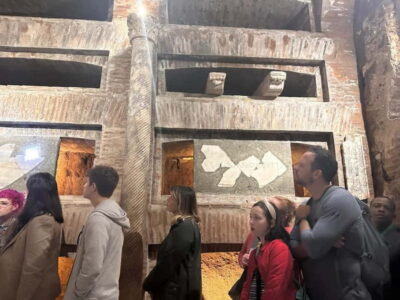
You’ll spend about 30 minutes, and the admission ticket is included. Here’s the key detail: the crypt and ancient Roman undergrounds are visited only if possible, depending on how the building is managed by the nuns. So go in expecting the main church experience for sure, and treat the underground components as a bonus when access is granted.






What this stop adds to the tour’s overall story
Villa Farnesina shows you Renaissance imagery tied to power and patronage. Santa Maria brings you older religious Rome with its medieval mosaic legacy. Santa Cecilia then adds the layer people often miss: how faith spaces in Rome can connect outward devotion with hidden, older spaces beneath your feet.
Even if you don’t get the underground access that day, the tour still makes the surrounding architecture and history make sense.
The private guide experience: pace, personality, and real storytelling
The biggest reason this tour earns a strong reputation isn’t only the sites—it’s the way the guide makes them understandable while you’re walking.
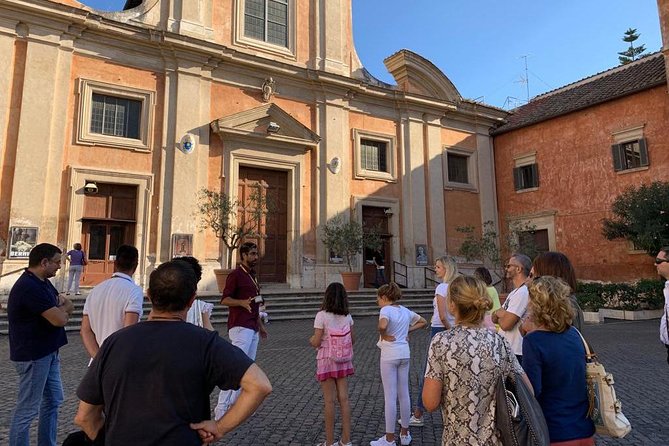
This is a private tour, meaning it’s only your group. That alone changes the feel. You can ask questions, you’re not squeezed into constant crowd movement, and the guide can tailor the pace so you don’t feel left behind or rushed.
Multiple guides associated with this experience are praised for being energetic, engaging, and “walking encyclopedia” level when it comes to mixing facts with stories. One guide named Vincenzo Spina shows up repeatedly in positive feedback for being both animated and friendly, with lots of factual detail plus fun anecdotes. Another guide, also described as Vincent/Vincenzo, is credited with making even non–art-history visitors feel like the art finally clicked.
And yes, that matters. When a tour makes 3 hours feel like a short time, you keep your attention. You also keep your day intact—no giant museum fatigue that makes the rest of Rome harder.
There’s also an extra human touch noted in feedback: guides sometimes bring a small parting gift at the end. That’s not a “site,” but it’s a clear signal that this tour is run with real care, not just a stopwatch.
Price and value: what you’re really paying for at $149.78
At $149.78 per person, this isn’t a budget group deal. But it can be good value when you look at what’s included.
You get:
- Professional/local guiding
- A private format (your group only)
- Tickets included for Villa Farnesina and Santa Cecilia
- Santa Maria in Trastevere being free
- An experience structured to combine multiple high-impact stops in about 3 hours
The math is simple: if you’d otherwise pay for tickets and then hire a guide separately, this often ends up closer to what you’d spend for just one or two sights—while delivering three major cultural anchors plus Trastevere neighborhood storytelling.
Also consider who this is for. If you’re the type of traveler who likes your time to mean something—rather than just checking boxes—this format tends to justify itself quickly. If you’re already flying through museums on your own, then the guide might feel less essential. But if you want the context behind Raphael-related art and Trastevere’s layered churches, the guide is the value engine.
One more thing: this tour is often booked well ahead (around 75 days on average). That’s usually a sign it’s popular for exactly this kind of curated, guide-driven morning.
Meeting point and logistics that actually matter
The tour starts at 10:00 am. Your meeting point is Via della Lungara, 230, 00165 Roma RM (near public transportation). You’ll finish at Piazza di Santa Cecilia, 22, 00153 Roma RM.
A few practical points:
- There’s no hotel pickup or drop-off.
- There’s no private transportation included. You’ll handle getting to the start point yourself, and you’ll walk to the end area.
- The activity calls for moderate physical fitness. It’s a walking tour, so comfortable shoes and a steady pace help.
Since this is a private tour, I’d recommend you plan your morning so you’re not sprinting from another timed ticket. Build in a little breathing room around the start time. When your day runs smoothly, the stories land better.
Who this tour suits best (and who might not)
This tour is ideal for:
- First-timers who want a neighborhood feel without sacrificing major sights
- People who like art tied to real people (patrons like Chigi, artists, and the purpose behind decoration)
- Travelers who want church highlights handled efficiently, with explanations that make mosaics and history easier to read
- Small groups who prefer private guidance over blending into a crowd
It may not be the best match if:
- You strongly prefer to spend most of your time on one site only (this is intentionally a multi-stop walk)
- You can’t do moderate walking for a few hours
- You need guaranteed access to crypt/underground spaces, since Santa Cecilia’s underground visit depends on site management
Should you book? A quick decision guide
Book it if you want Trastevere with context—not just photos. The combination of Villa Farnesina’s Raphael-related art, Santa Maria’s major mosaic focus, and Santa Cecilia’s choir-and-mosaic story gives you a well-balanced morning: Renaissance, medieval religious art, and a hint of what Rome hides below.
Skip (or choose carefully) if you’re mainly after a long, slow museum experience or if you’re very strict about interior access for the underground areas. Even then, you’re still likely to get a strong tour because the guide experience is clearly a major part of why people rate it so highly.
FAQ
How long is the private tour?
It runs for about 3 hours.
What does the tour cost?
The price is $149.78 per person.
Is the tour offered in English?
Yes. The tour is offered in English.
Is this a private tour or a group tour?
It’s a private tour, and only your group participates.
What time does the tour start, and where does it meet?
It starts at 10:00 am at Villa Farnesina, Via della Lungara, 230, 00165 Roma RM.
What time and location does the tour end?
It ends at Basilica di Santa Cecilia in Trastevere, Piazza di Santa Cecilia, 22, 00153 Roma RM.
Are entrance tickets included?
Yes. Tickets are included for Villa Farnesina (about 1 hour) and Santa Cecilia (about 30 minutes). Santa Maria in Trastevere is free.
Will we definitely see the crypts and ancient Roman undergrounds?
You’ll visit the crypt and ancient Roman undergrounds if possible. Access depends on how the building is managed by the nuns.
Is hotel pickup or private transportation included?
No. Hotel pickup/drop-off and private transportation are not included. The meeting point is near public transportation.