REVIEW · ROME
Private Jewish Ghetto Walk and The Influence in Roman Cuisine
Book on Viator →Operated by Walkingourmet · Bookable on Viator
Food and history share the same sidewalk. This private 2-hour Jewish Ghetto walk ties synagogue sights and Tiber-side stories to the flavors that shaped Roman Jewish cooking. You’ll leave with the kind of food stop plan that means you likely won’t need dinner after.
I love that the tour is truly private, so the pacing stays comfortable even on a busy day. I also like that it’s built around tastings that fit the theme, not random snacks.
One thing to watch: the meeting point can be a little tricky to spot at first, so give yourself a few extra minutes near the bookseller area by Campo de’ Fiori and look for your guide.
In This Review
- Key things you’ll notice on this tour
- Private Jewish Ghetto walk: what makes it a smarter food tour
- Where the tour starts (and the one snag to plan for)
- Jewish Community of Rome: markets, the Tiber, and the point of the river barriers
- Portico d’Ottavia and S.Angelo in Pescheria: why the streets matter
- Piazza Mattei: wealthy bankers, local anecdotes, and why it’s not just a square
- Food stops that actually match the theme
- Roman pizza rossa from a century-old bakery
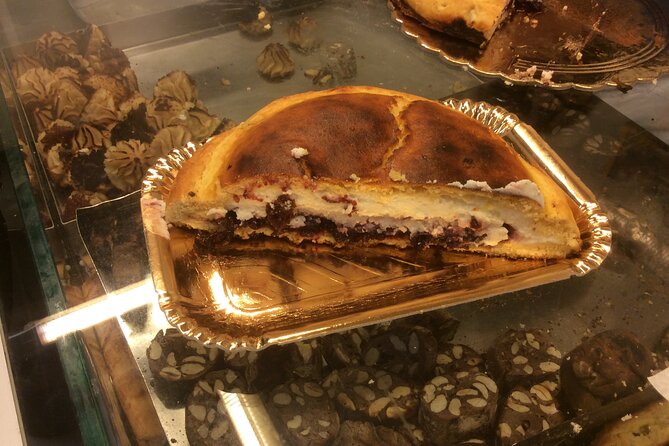
- Ricotta pie, including a family-run tradition
- Jewish-Roma artichokes by the old wall
- Supplì: a Middle-Eastern influence in Roman form
- Why the tour’s structure works (even if you hate museum pacing)
- Value check: is $105.96 per person a good deal?
- Who should book this Jewish Ghetto food-and-history walk
- Quick booking mindset: planning ahead helps
- Should you book it?
- FAQ
- How long is the tour?
- Where does the tour start?
- Does the tour end at the same place?
- Is this a private tour?
- What language is the tour offered in?
- What food will I taste during the walk?
- Is admission included?
- Is there a mobile ticket?
- Can I cancel for a full refund?
Key things you’ll notice on this tour
- Private, 2-hour format that mixes walking sights with multiple tastings
- Synagogue visit included via an admission ticket
- Tiber planning story tied to the construction of river barriers
- Stop-and-explain route through Portico d’Ottavia and S.Angelo in Pescheria
- Roman Jewish food influences shown through pizza rossa, ricotta pie, artichokes, and supplì
- Guide quality and pacing highlighted, including praise for Angelica’s professionalism
Private Jewish Ghetto walk: what makes it a smarter food tour
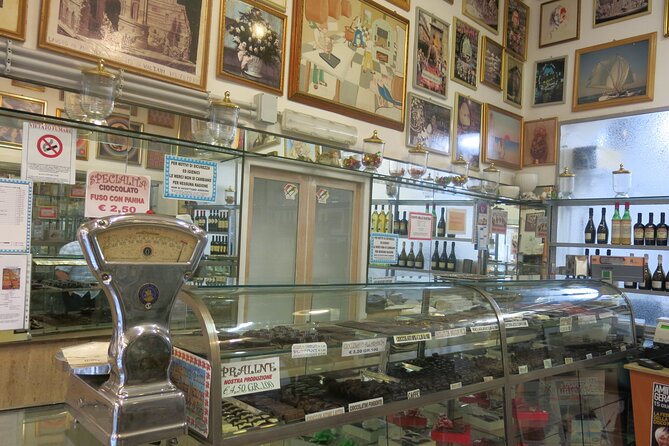
Rome is full of “food tours.” This one has a different goal. It doesn’t just feed you. It teaches you how the Jewish quarter’s geography, community life, and outside influences shaped what people ate and how flavors traveled.
The big win for you is the time-to-value. At about 2 hours, you get enough walking and enough stories to connect the dots, and you get food tastings that are substantial. The tour is also private, so you’re not stuck in a crowd shuffle while trying to hear details.
And yes, the tour is designed around the idea that you’ll be satisfied afterward. I like that kind of planning. It keeps your day from turning into a second restaurant hunt.
You can also read our reviews of more walking tours in Rome


Where the tour starts (and the one snag to plan for)
You start at P.za Campo de’ Fiori, 00186 Roma RM, Italy. The tour ends back at the meeting point, so you’re not left figuring out your own way across town at the end.
It’s also near public transportation, which matters in Rome. When your schedule is tight, “near” is the difference between a smooth morning and a stressful scramble.
Now the snag: one practical note is that the exact meeting spot near a bookstore can be easy to miss if you arrive at the last second. So do this simple thing: arrive early, stand where you can see foot traffic, and be ready to confirm you’re looking at the right group.
Jewish Community of Rome: markets, the Tiber, and the point of the river barriers
Most of the tour’s heart is concentrated around the Jewish Community of Rome area. You’ll start with a wander through the local market. This is more than a photo stop. Markets are where you see daily life and where food traditions tend to make sense. You’ll notice how everyday goods connect to the wider story of the neighborhood.
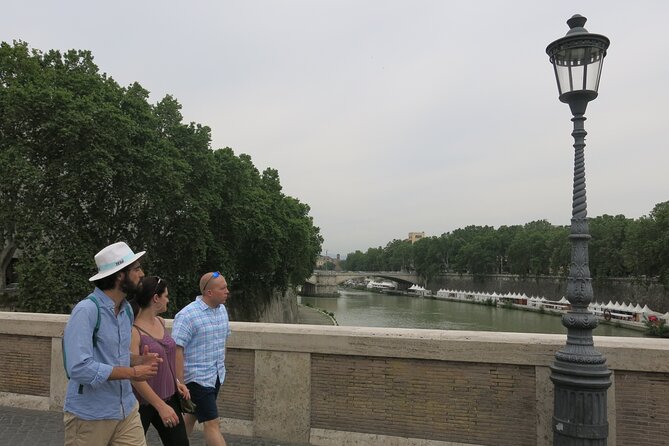
Then you move along the Blonde Tiber river (a local-sounding reference for the Tiber area). The guide talks about how a master plan changed after river barriers were built. That’s the kind of detail that makes a walking tour feel real. You’re not just hearing about buildings and names. You’re hearing how infrastructure and planning can reshape a neighborhood’s future.
After that, you get to the Sinagoga, described as magnificent. Since admission is included, you should treat this as the official anchor stop, not a quick glance from the outside. If you care about how sacred spaces live inside community history, this part is worth leaning into.
Portico d’Ottavia and S.Angelo in Pescheria: why the streets matter
Next you stroll around Portico d’Ottavia and S.Angelo in Pescheria. These stops work because they’re about more than architecture. They’re about the logic of where people moved, traded, and gathered.
I like this approach for you because it turns streets into a kind of map. When you can walk from one place to the next and connect each one to what you’ve just heard, Rome stops being a blur of monuments. It becomes a story you can pace yourself through.
This is also a good moment to slow down and listen. Short pauses on a walking tour are where details stick. If you’re hungry (and you will be), it’s also the moment to mentally prepare for the food stops that follow.
Piazza Mattei: wealthy bankers, local anecdotes, and why it’s not just a square
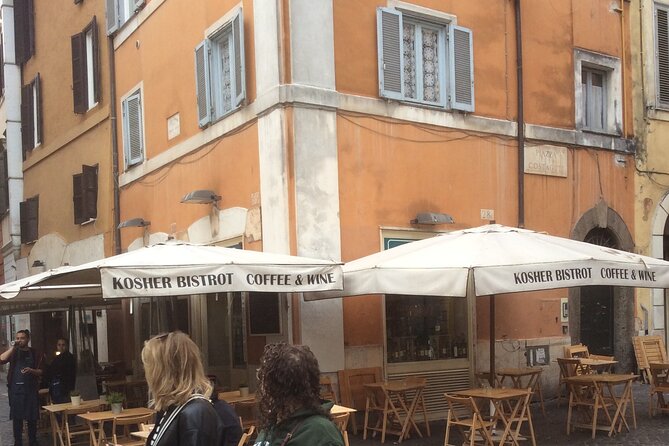
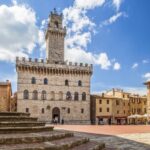
Then you reach Piazza Mattei. This stop includes anecdotes about wealthy bankers. That matters, because the Jewish quarter’s story isn’t only about hardship. It’s also about the real economic forces that shaped who had influence, how communities interacted with the broader city, and how money and networks affected daily life.
If you like historical context that feels tied to place, this is a solid point in the walk. A square is a natural “reset” area. You can look around, catch your breath, and refocus on what you’re about to taste and why it connects back to the neighborhood’s story.
You can also read our reviews of more private tours in Rome




Food stops that actually match the theme
This tour is built like a themed tasting walk. It’s not random. Each bite is tied back to Jewish-Roman life and the way Roman cuisine absorbed influences.
Here are the tastings and what they represent for your palate and your understanding:
Roman pizza rossa from a century-old bakery
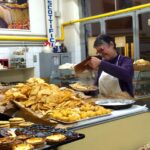
You’ll try a Roman-style Pizza Rossa from a century-old bakery. That detail matters. Older bakeries often keep methods and recipes consistent over time, and that’s exactly what you want when you’re trying to taste tradition rather than a one-off modern menu.
Ricotta pie, including a family-run tradition
Next comes Ricotta Pie. The tour notes that this patisserie was traditionally run by women of the same family. Even without extra lecturing, that kind of detail changes how you think about the food. It’s not just ingredients and technique. It’s people passing knowledge through a household business.
For you, this stop is a reminder to pay attention to texture and sweetness level. If you’re used to ricotta in other contexts, taste this as a Roman-Jewish interpretation shaped by local habits.
Jewish-Roma artichokes by the old wall
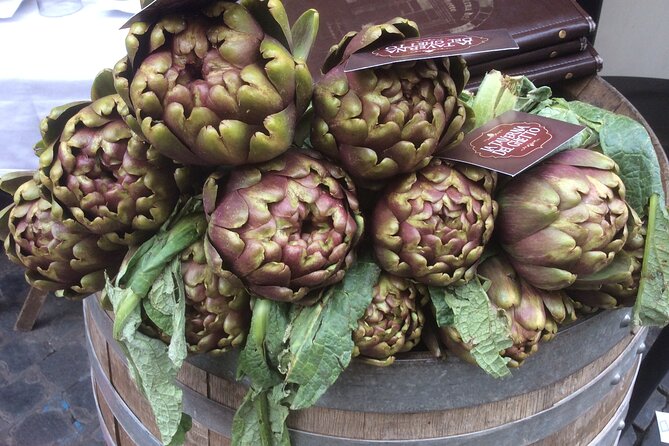
You’ll try Jewish-Roma Artichokes right along the old wall. That’s a clever location choice. Food tasted near the physical reminders of where it belonged tends to feel more grounded. It also helps the tour’s theme click: cuisine here isn’t a separate category. It’s part of the neighborhood’s everyday identity.
Supplì: a Middle-Eastern influence in Roman form
Finally, you’ll taste Supplì, described as coming from the middle-east. That’s a big part of the tour’s promise about influence in Roman cuisine: ingredients and ideas can travel, then get reshaped to fit a new place.
I love that this kind of statement is included on the walk. It gives you a lens. When you eat, you’re not only tasting salt and crunch. You’re tasting a route, a movement of people and ideas that became Roman.
Why the tour’s structure works (even if you hate museum pacing)
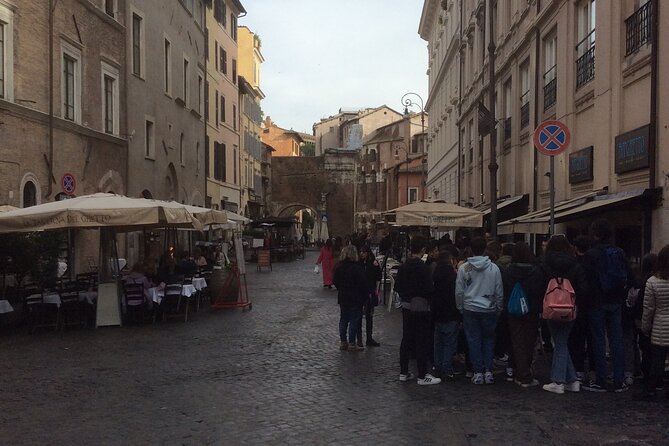
You’ll notice the stops mix “listen” moments and “walk” moments. That’s smart for a 2-hour window. If you get tired on long sightseeing days, this pacing helps.
You also get built-in variety:
- Market wandering
- Tiber-side planning story
- Synagogue visit with admission included
- Street stroll through major portico and church area
- Piazza break
- Multiple tastings that keep the theme consistent
And because it’s private, your guide can adjust pace if your group needs a slower route or a quicker stop. The tour is also offered in English, so you’re not relying on translation apps to catch the point of each stop.
Value check: is $105.96 per person a good deal?
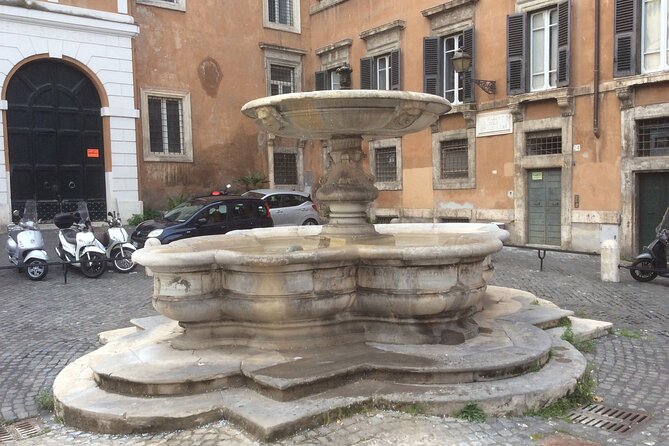
At $105.96 per person for about 2 hours, the honest question is what you’re buying beyond the walking. Here’s the value angle that makes sense for most people:
- You’re not just paying for commentary. Food tastings are part of the package, including items like pizza rossa, ricotta pie, artichokes, and supplì.
- You get an admission ticket included for the synagogue stop, which can add real cost on its own if you’re booking separately.
- You’re paying for a private experience, meaning you avoid the stop-and-start rhythm that comes with larger group tours.
So if you were planning to do a synagogue visit plus a meal afterward, this format can be a practical time saver. It also helps your day stay simple: one booking, one route, one food plan.
If you’re the type who only wants one small snack and then moves on, the tastings might feel like more food than you need. But if you’re planning Rome day-food anyway, you’re getting a structured version of it.
Who should book this Jewish Ghetto food-and-history walk
This tour fits you best if you’re:
- A history buff who wants context you can walk through
- A food lover who likes theme-driven tastings
- Someone who prefers a private route and a guide who can keep the pace comfortable
- Visiting Rome with limited time and you want synagogue + cuisine in one go
It’s also a good match if you don’t want to overplan dinner. This tour is designed to satisfy appetites, so you can keep your evening open for other things.
Quick booking mindset: planning ahead helps
The tour is commonly booked about 31 days in advance, which tells me it’s not a product people forget about. If your dates line up with a busy period, booking earlier can help lock in your preferred timing.
You’ll receive confirmation at the time of booking, and it’s near public transportation, which makes it easier to slot into a real itinerary. It also comes with a mobile ticket.
Should you book it?
If you want Rome with context and you still want to eat well, I think this is a strong booking.
Book this tour if:
- You like food tours that explain the why, not only the what
- You want a synagogue visit with an admission ticket built in
- You’d rather handle one organized plan than piece together synagogue time plus a meal
Skip it (or swap to something else) if:
- You dislike religious-site stops or prefer viewpoints over indoor admissions
- You want a longer, slower history route. This one is intentionally compact at around 2 hours
- You’re likely to arrive late and hate meeting-point uncertainty. Give yourself extra buffer near Campo de’ Fiori.
FAQ
How long is the tour?
It runs for about 2 hours.
Where does the tour start?
The tour starts at P.za Campo de’ Fiori, 00186 Roma RM, Italy.
Does the tour end at the same place?
Yes, it ends back at the meeting point.
Is this a private tour?
Yes. Only your group will participate.
What language is the tour offered in?
The tour is offered in English.
What food will I taste during the walk?
You’ll have tastings including Roman Pizza Rossa, Ricotta Pie, Jewish-Roma Artichokes, and Supplì.
Is admission included?
Yes. An admission ticket is included for the stops on the route.
Is there a mobile ticket?
Yes. A mobile ticket is included.
Can I cancel for a full refund?
Yes. Free cancellation is available up to 24 hours in advance of the experience start time for a full refund.