REVIEW · ROME
Rome – Cooking Experience in a Roman family in Trastevere
Book on GetYourGuide →Operated by Ilaria Sparla · Bookable on GetYourGuide
Forget restaurant lines; learn pasta at home in Trastevere. In Ilaria Sparla’s Roman kitchen, you’ll do real work alongside a real chef and her family, starting with a laid-back aperitivo and moving straight into making pasta from scratch. I love the small group setup (max 8), because you actually get time to ask questions, not just watch. I also love the menu variety: fettuccine with cacio e pepe, ravioli with fresh tomato sauce, and orecchiette with Norma sauce, plus homemade tiramisù at the end.
One thing to consider is that the exact touches can shift with the season and what’s coming from the local market, so you should expect small variations rather than a rigid, always-the-same script.
In This Review
- Key Highlights You’ll Care About
- A Trastevere Family Kitchen Where Pasta Feels Like Weekend Life
- Aperitivo First: Mozzarella, Bruschette, and Wine That Keeps the Lesson Moving
- What You’ll Cook: Three Pastas, Three Different Skills
- Fettuccine with Cacio e Pepe
- Ravioli with Fresh Tomato Sauce
- Orecchiette with Norma Sauce
- The Real Payoff: You Don’t Watch, You Do
- Inside the Table Moment: Dinner With Ilaria’s Family
- Vegetarian Option and Menu Flexibility
- Price and Value: What You’re Really Paying For
- Logistics That Matter: Meeting Point and Timing
- Who This Class Suits Best (and Who Might Want Something Else)
- Practical Tips So You Enjoy Every Minute
- Should You Book This Rome Cooking Experience?
- FAQ
- What is the duration of the Rome cooking experience?
- Where does the experience meet?
- How many people are in the group?
- What pasta dishes will we make?
- Is wine included?
- Will I be able to learn without any cooking experience?
- Is there tiramisù included?
- Can the class accommodate dietary restrictions?
- Does the menu change?
- Is the experience suitable for children?
- Should I book? (Quick Decision)
Key Highlights You’ll Care About
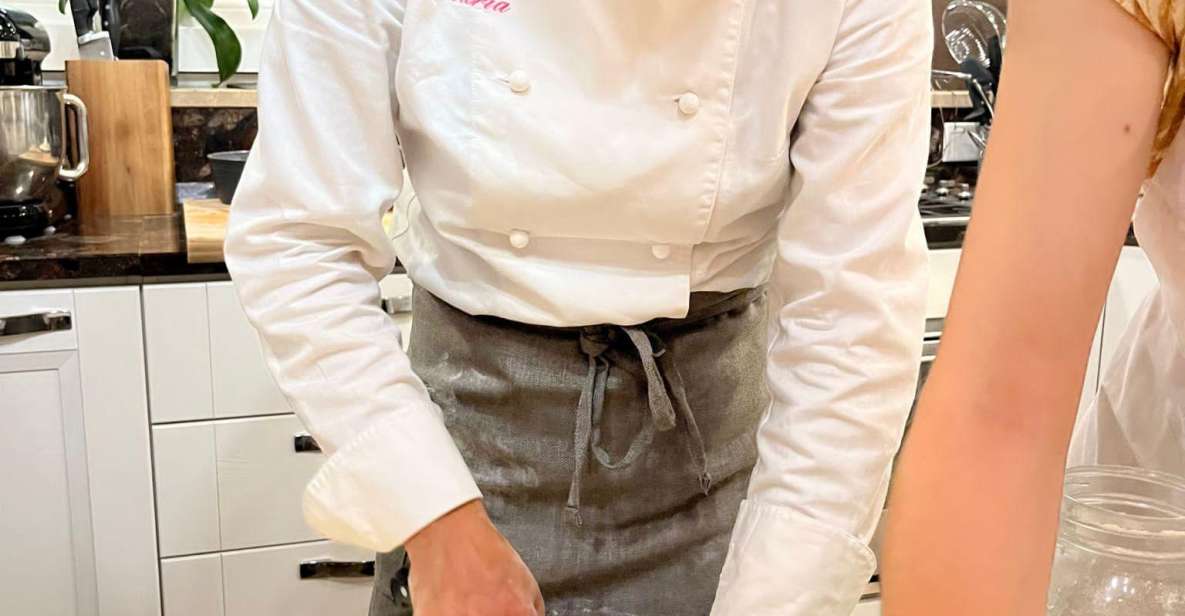
- Trastevere, in a family home: you’re in Ilaria Sparla’s house, with husband Samuel and their three kids involved.
- Hands-on pasta lessons: you mix, knead, shape, and sauce your own fettuccine, ravioli, and orecchiette.
- Seasonal aperitivo + wine: mozzarella, bruschette and homemade fried vegetables, with local wine pairing included.
- A chef with real lineage: Ilaria trained in Italian cooking school and learned at the family restaurant from age 15.
- Recipes you can take home: you’ll leave with guidance and practical pasta “tricks” for your own kitchen.
A Trastevere Family Kitchen Where Pasta Feels Like Weekend Life
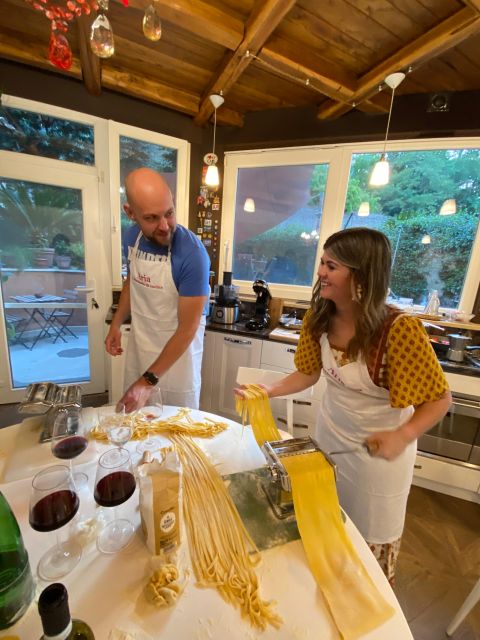
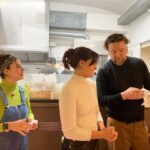
Rome has no shortage of food tours. This one is different because you’re not just eating and listening. You’re cooking in Ilaria Sparla’s own home in Trastevere, in an atmosphere that feels like a Roman household dinner with a lesson built in.
The class is designed for a small group of up to 8, which matters more than it sounds. With fewer people, you get real coaching when dough feels too dry, too sticky, or just stubborn. And since the language is Italian and English, you’re not stuck guessing what you should do next.
Ilaria herself is a big part of the magic. She studied at Italian cooking school, but she credits the foundation to her mother and grandmother. She started working in the family restaurant at 15, and she describes herself as continuing that tradition for her own children and for guests. That family approach comes through in the way the evening flows: relaxed, warm, and focused on getting you to the point where you can recreate the results at home.
You can also read our reviews of more tours and experiences in Rome.



Aperitivo First: Mozzarella, Bruschette, and Wine That Keeps the Lesson Moving
You begin with aperitivo, and it’s not a token sip-and-snack situation. The included spread is built to set you up for the pasta work to come, with items like mozzarella, bruschette, panzanella, dry tomatoes, and homemade fried vegetables.
Why this appetizer matters: it’s not just food before cooking. It’s your first taste of how Italian meals are paced. You’ll be eating things that match the flavors you’ll use later—simple ingredients treated well, with salt, acid, herbs, and olive oil doing most of the heavy lifting.
The class also includes local wine, water, and espresso, and there’s a local pairing element along the way. Expect a comfortable rhythm: you eat, you chat, and then you move into the hands-on portion without the awkward feeling of being stuffed and still needing to learn technique.
What You’ll Cook: Three Pastas, Three Different Skills
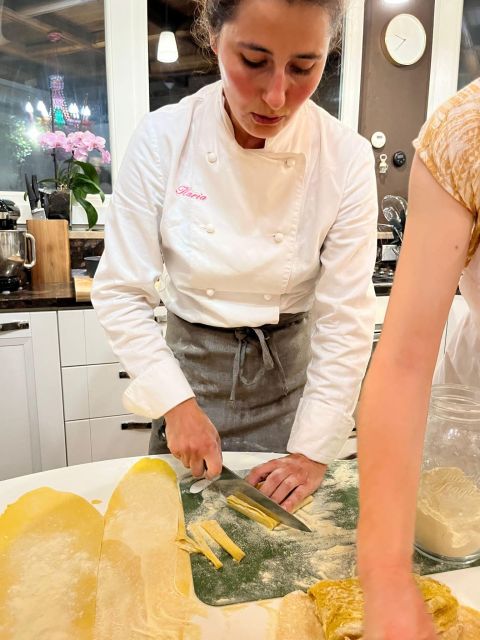
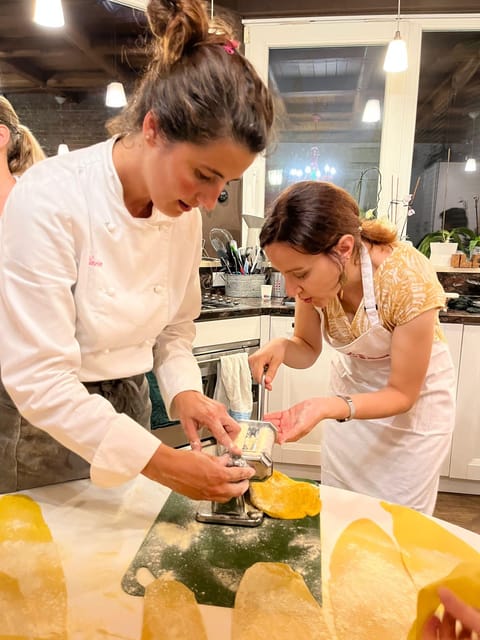
This is a 3.5-hour workshop focused on making fettuccine, ravioli, and orecchiette from scratch. If you’ve never made fresh pasta, good news: you don’t need experience. The chef guides you step by step, and the small group size helps you keep up.
Here’s what each pasta teaches you, in plain terms.
Fettuccine with Cacio e Pepe
Cacio e pepe is the classic Roman move: cheese and black pepper, without hiding behind a heavy sauce. Making fettuccine gives you the base you need—smooth dough, properly formed ribbons, and the right mindset for saucing.
In this class you’ll make the fettuccine and then work on the cacio e pepe sauce so it coats the pasta instead of turning into a sticky mess. That’s where chef guidance earns its cost: you learn how to control texture and timing so the sauce clings.
Ravioli with Fresh Tomato Sauce
Ravioli is where you feel the most satisfaction. You’ll create filled pasta shapes, then pair them with a fresh cherry tomato sauce.
Even if you’re not a confident cook, ravioli teaches a useful skill: how to manage dough and filling so the end product holds its shape. Then you get to taste how tomato changes the mood compared to cheese-and-pepper. It’s a switch from creamy richness to bright, market-fresh flavor.






Orecchiette with Norma Sauce
Orecchiette is the “from-the-region” pasta you’ll want to understand, not just sample. You form the small ear-shaped pasta, then pair it with Norma sauce, traditionally tied to Sicilian flavor—but here it’s served in a Roman cooking class format as a key pasta lesson.
This portion matters because orecchiette isn’t about a single sauce. The point is learning how pasta shape affects how sauce grabs and clings. When it clicks, it’s an instant skill upgrade you can use long after you leave Rome.
The Real Payoff: You Don’t Watch, You Do
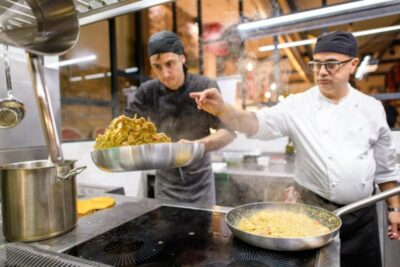
The structure is straightforward: you learn techniques, then you do the work yourself—mixing ingredients, kneading dough, and making sauce. That hands-on part is why this class feels like a story you’ll remember, not an activity you checked off.
Several practical things you’ll likely appreciate:
- You get coaching on dough texture and working with it as it changes.
- You learn how to go from raw ingredients to something that looks and tastes like real Roman cooking.
- You get to ask questions as you go, not at the end when everyone’s already tired.
One detail I like: Ilaria teaches not only the recipes, but also take-home tricks. The goal isn’t you copying measurements forever. It’s you understanding the why—like how flour choice affects the dough, how to match sauce to pasta, and what substitutions can work when you’re shopping back home.
Inside the Table Moment: Dinner With Ilaria’s Family
At some point, every cooking class becomes a meal. This one handles that moment with intention. You gather around the table with Ilaria, her husband Samuel, and their family for the part that feels most like Rome: eating what you made, together.
That shared table is where the class stops being a lesson and becomes a proper dinner. You’ll enjoy your pasta with Italian wine and appetizers leading the way. The dessert is handmade tiramisù, served after the pasta sets—so you’re finishing while still thinking about how the meal came together.
A couple of the reviews also mention the relaxed, homey vibe, including a few small moments of family life. One person even noted cats in the house, which tells you the experience isn’t staged. It’s personal.
Vegetarian Option and Menu Flexibility
The workshop includes fresh, local ingredients, and the menu can vary based on availability and seasonality. If you need a vegetarian option, you’re expected to request it after you reserve by writing to the host.
For planning: since the class builds around what’s available at the farmers market, the exact components may shift a little. That flexibility can actually be a plus. It means the kitchen is reacting to what’s good, not forcing every ingredient to match a fixed script.
Price and Value: What You’re Really Paying For
At $134.81 per person for about 3.5 hours, you might compare this to other food tours and wonder if it’s expensive. Here’s the better way to look at it: you’re paying for coaching, ingredients, wine, and the “I can do this myself” outcome.
You’re not just tasting:
- You make three types of pasta and their sauces.
- You eat an aperitivo spread and the full meal you produce.
- You get tiramisu, plus wine and espresso included.
- You leave with recipes and practical tips you can use again.
Also, the group size stays small, so the host isn’t rationing attention. That attention is usually what makes the difference between learning something real and just following along.
If you value hands-on learning and you want a genuine family-table experience in Trastevere, this price starts to look fair.
Logistics That Matter: Meeting Point and Timing
The meeting point is Via Garibaldi 39, Rome, in front of a green door. When you arrive, ring the intercom labeled Sparla.
It’s also described as about a 10-minute walk from Campo de’ Fiori, which helps if you’re already spending your afternoon in central Rome and want to make this an easy transition into an evening in Trastevere.
Duration is 3.5 hours, and starting times vary, so check availability for the exact schedule offered when you book.
Who This Class Suits Best (and Who Might Want Something Else)
This is a strong fit if you:
- Want a hands-on cooking experience, not a passive tasting.
- Like Italian food that’s built around simple ingredients and good technique.
- Enjoy small-group settings where you can ask questions.
- Are traveling with friends, a partner, or even kids who enjoy cooking activities (the class is described as suitable for bambini as well).
It might not be perfect if you:
- Only want a quick “taste and move on” tour.
- Prefer strictly seated experiences with zero time working dough.
- Are uncomfortable with the idea that the menu may shift a bit seasonally.
Practical Tips So You Enjoy Every Minute
Come ready to cook. That sounds obvious, but it changes your experience.
- Wear something you don’t mind getting a little flour dust on. Fresh pasta work can be messy.
- Come hungry, but not starving. The aperitivo arrives early, and then you’ll be making several dishes.
- If you have dietary needs, confirm them ahead of time. The experience notes they can satisfy dietary needs and restrictions, and vegetarian options are handled by contacting the host after reservation.
- Bring a clear plan for the rest of your evening. After dinner and wine, you’ll probably want a low-key walk back to wherever you’re staying.
If you’re staying around Trastevere or near Campo de’ Fiori, the location makes sense: you can enjoy the neighborhood energy first, then slow down for a family-style dinner that feels like Rome after dark.
Should You Book This Rome Cooking Experience?
If you want one memorable evening in Rome that’s more than a meal, I’d book it. The combination of small-group attention, a chef who learned from family tradition, and a menu that includes real work with three different pastas makes this feel like a skill-builder and a dinner party at the same time.
Choose it especially if you care about learning how sauces actually behave with pasta shapes, not just eating pasta once. And if vegetarian is on your list, request it after you reserve so the kitchen can plan properly.
FAQ
What is the duration of the Rome cooking experience?
The class lasts about 3.5 hours.
Where does the experience meet?
It meets at Via Garibaldi 39, Rome. You ring the intercom labeled Sparla at the green door.
How many people are in the group?
The group is limited to a maximum of 8 participants.
What pasta dishes will we make?
You’ll learn to make fettuccine, ravioli, and orecchiette, each with its own sauce.
Is wine included?
Yes. Local wine pairing is included, along with water and espresso.
Will I be able to learn without any cooking experience?
Yes. No previous experience is necessary, and the chef guides you through each step.
Is there tiramisù included?
Yes. You make and enjoy homemade tiramisù.
Can the class accommodate dietary restrictions?
The experience says it can satisfy dietary needs and restrictions. For vegetarian options, you’re instructed to write to the host after reservation.
Does the menu change?
The menu may vary based on availability and seasonality of ingredients.
Is the experience suitable for children?
It’s described as suitable even for bambini, with the chef guiding participants throughout.
Should I book? (Quick Decision)
Yes, if you want hands-on pasta-making in Trastevere with wine, a family-table dinner feeling, and recipes you can take home. If you’re hunting for a quick tasting only, look for a shorter format instead.