REVIEW · ROME
Piazza Navona Underground: Stadium of Domitian
Book on Viator →Operated by eslam hamdy · Bookable on Viator
Rome hides a stadium under your feet. The Piazza Navona Underground: Stadium of Domitian visit lets you see UNESCO-listed ruins right beneath the famous square, about 4.50 meters below street level, with a format that keeps things calm and flexible instead of crowded.
I love that it’s self-guided, so you can stop, look, and move at your pace without waiting for a group chant. I also like the choice between an audio guide or a mobile app, which makes it easy to tailor the experience to how you like to travel. One thing to consider: if you expect a more personal, in-the-moment guide, this is a mostly audio-led visit, and some people feel it may not justify the ticket if you’re purely comparing it to free street-level sights.
In This Review
- Key highlights at a glance
- A 40-minute escape under Piazza Navona
- Getting to Via di Tor Sanguigna and redeeming your PDF
- Self-guided audio: app or audioguide, your choice
- Stop 1: Stadio di Domiziano ruins about 4.50 meters down
- What to expect on the route: pace, crowd levels, and focus
- Price and value: when the ticket makes sense
- Practical tips for a smoother visit
- Who should book this Stadium of Domitian visit?
- Should you book Piazza Navona Underground: Stadium of Domitian?
- FAQ
- How long is the Piazza Navona Underground: Stadium of Domitian experience?
- Is the tour offered in English?
- Is admission included in the price?
- Is this experience self-guided?
- Do I need earphones?
- What do I do to enter?
- Where does the experience take place?
- Where is the meeting point?
- Is it private?
- What if the weather is bad?
Key highlights at a glance

- Underground UNESCO site under Piazza Navona, reached at roughly 4.50 meters below street level
- Self-guided format that helps you dodge the busiest square crowds
- English commentary with a choice of mobile app or audioguide
- One stop, designed to be efficient: about 40 minutes total
- PDF ticket redemption, so you can get in without hunting for paperwork
- Optional earphones available at the entrance for 1 euro
A 40-minute escape under Piazza Navona
This is the kind of Roman detour I like: not far, not complicated, and short enough that it won’t hijack your day. You start on the surface in central Rome, then drop into a quieter world below Piazza Navona where you can focus on a single site: the Stadium of Domitian ruins.
What makes it appealing is the balance between famous and unexpected. Piazza Navona is one of those places you already plan to visit, but the underground portion turns it into something different. Instead of just taking photos of the fountains and facades, you get a real sense of how layered the city is—stone, history, and built space stacked over time.
Timing also matters here. At about 40 minutes, this works as a breather. If the main square feels packed when you arrive, this gives you a smart alternative that still stays very much in the same area of your itinerary.
You can also read our reviews of more tours and experiences in Rome.



Getting to Via di Tor Sanguigna and redeeming your PDF
The meeting point is Via di Tor Sanguigna, 3, 00186 Roma RM. Since it ends back at the same meeting point, you don’t need to plan how to escape the area after your visit—just pop in, enjoy, and return on foot.
Here’s the practical part: you’ll receive your ticket as a PDF, and you show that PDF to the staff at the entrance. That’s it. No printing required (as long as your screen works), and no waiting around to exchange vouchers.
The location is also described as near public transportation, which helps if you’re moving between sights by tram/bus/metro connections. And because it’s a private activity for your group, the process is set up so you’re not dealing with a big mixed crowd all at once.
Self-guided audio: app or audioguide, your choice
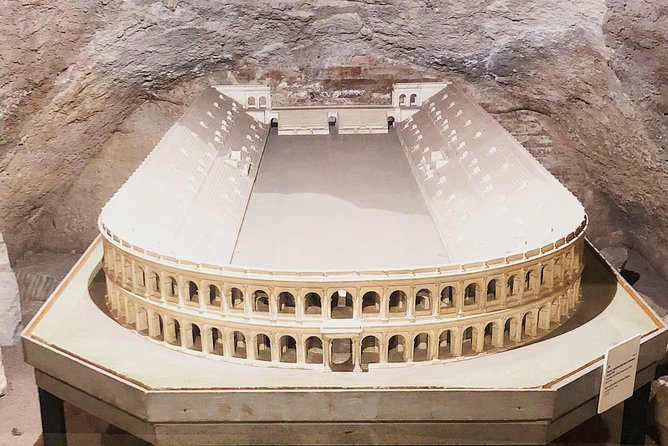
You’ll be hearing the commentary either through a mobile app or an audioguide—and you can choose whichever matches your style.
If you like using your phone as your guide, the mobile app option is usually the easiest way to keep everything in one place. If you prefer something more tactile and less battery-dependent, the audioguide is a solid fallback. Either way, the key is that the visit is meant to be self-guided, so the audio is your pace-setter.
This is one of the highest-value aspects of the experience. A well-done audio setup can turn a short visit into an informed one. And in this case, people are pretty pleased with how the commentary helps them understand what they’re seeing—and why it matters—without forcing a strict schedule.
That said, consider how you respond to signage and audio. Since the route is mostly on your own, you’ll want to pay attention to the way the site guides you. A couple of practical complaints point to a desire for a clearer order along the path, so don’t treat this like a casual walk where everything is instantly obvious.
Stop 1: Stadio di Domiziano ruins about 4.50 meters down
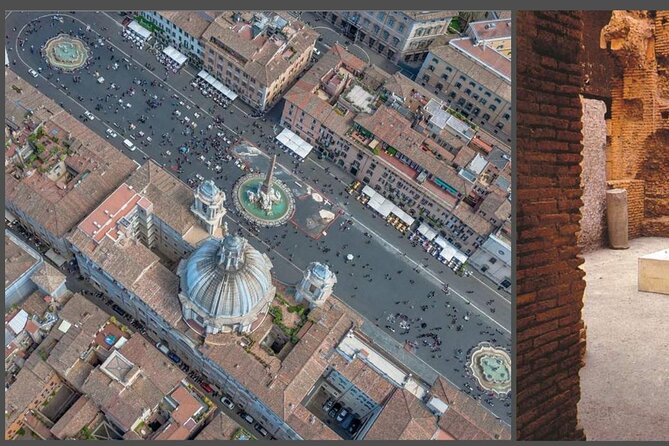
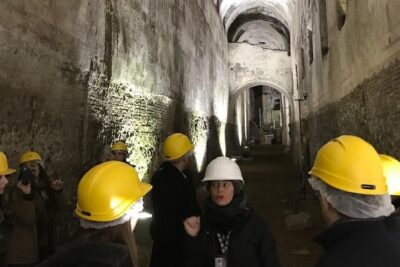
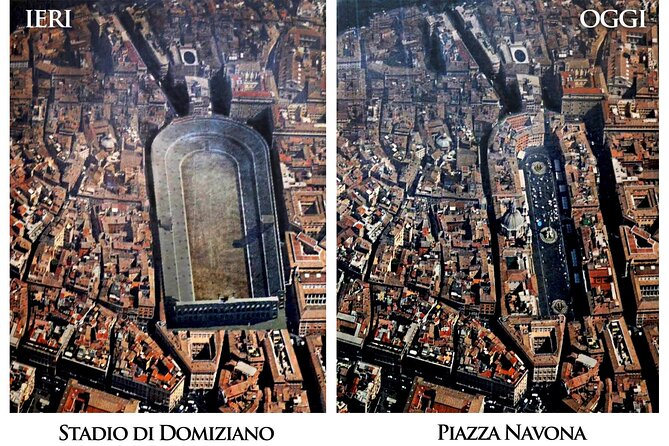
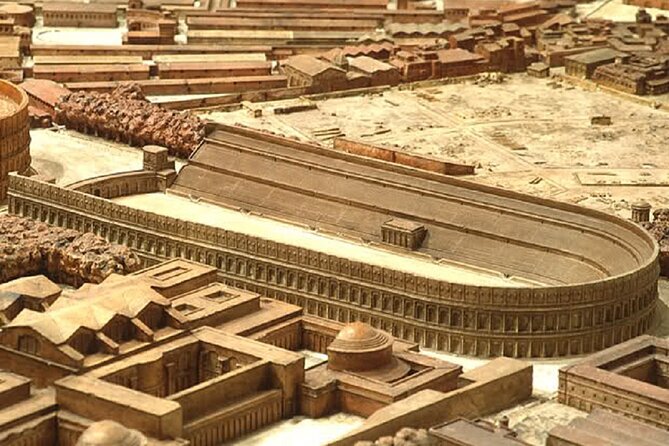
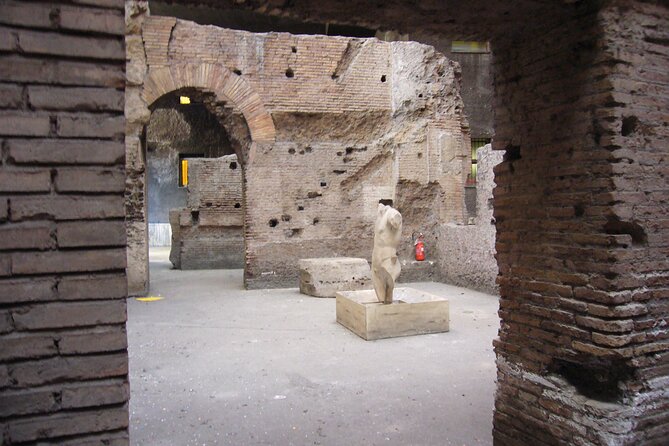
This whole experience centers on one stop: Stadio di Domiziano – Navona Square Underground. You’re visiting the ruins of the Stadium of Domitian, located about 4.50 meters below street level under Piazza Navona.
That vertical drop changes your whole perspective. On the street, the square looks like a finished, open-air stage. Underground, you see how the city’s story is literally built beneath your feet. It’s a great reminder that Rome isn’t one layer—it’s many, and most of the “real stuff” doesn’t happen where the crowds take photos.
The visit is set up so you can explore at your own pace while the audio keeps you oriented. You’re not meant to rush. You’re meant to slow down just enough to notice details and connect the physical space to the background story.
A solid chunk of the satisfaction here seems to come from feeling like you’re getting a genuine viewpoint that’s hard to guess from the surface. If you’ve ever stared at a ruin and thought, I need context before I can appreciate this, this audio-led approach is built for that moment.
What to expect on the route: pace, crowd levels, and focus

One of the best reasons to do this is simple: it’s a way to get away from the busiest part of the square. Piazza Navona can get crowded, and the underground visit is a relief when you want a break from the main street energy.
Since it’s self-guided, you control how long you linger in the key areas. If you want to take in the setting slowly, you can. If you prefer to move quickly and just make sure you catch the main points, you can do that too.
The site also benefits from staying tightly focused. You’re not bouncing between ten stops or switching between multiple transport legs. It’s one place, one theme, and about 40 minutes—so it feels efficient rather than exhausting.
Now, the drawback worth noting is that this isn’t a live narration with a person answering your questions in real time. Some people would rather have an on-site guide option. Also, if you rely heavily on clear visual sequencing, keep an eye out for how the signage and audio cues line up, since there’s at least some feedback that a stronger order could improve the flow.
Still, most of the experience is designed around clarity without complexity: you follow the audio, you watch what’s in front of you, and you come out with a better understanding than you would from surface-only sightseeing.






Price and value: when the ticket makes sense
There’s no getting around it: you’re paying for access. And if your mindset is purely cost-to-see-more, this might feel harder to justify.
But for the right traveler, the value is pretty straightforward:
- You get admission included for your visit window.
- You get an audioguide or mobile app included as part of the experience.
- You avoid extra hassles like printing—your PDF ticket covers entry.
- You spend about 40 minutes, which is a manageable chunk when your Rome days are packed.
The biggest value argument is that this is not just any ruin. It’s an underground, UNESCO-listed setting tied to a major historical Roman structure, and it’s in the middle of one of Rome’s most visited squares. That combination—historic access plus location convenience—tends to be worth it if you want more than the classic surface view.
If you love collecting free street sights and you’d rather spend your money on other paid museums, then you may decide this isn’t the best priority. But if you want a smart, local, “only-in-Rome-because-it’s-below-the-square” experience, it’s hard to beat for the time.
Practical tips for a smoother visit
A few things make a big difference here:
- Bring your ticket ready on your phone. Your entry is based on showing the PDF to staff at the entrance, so make sure it’s accessible even if your data isn’t perfect.
- Consider earphones if you want cleaner sound. Earphones are not obligatory. You can buy single-use earphones at the entrance for 1 euro if you prefer that option.
- Plan around weather. The experience notes a good weather requirement. If it gets canceled due to poor weather, you’ll be offered another date or a full refund.
- Use this as a crowd-management move. If Piazza Navona is jammed when you arrive, this can be your reset button while still keeping you in the same neighborhood.
- Aim for focus, not rushing. The format rewards a slower pace. Even if you’re in a time crunch, give yourself enough attention to follow the audio and actually look.
Because it’s a private activity for your group, it can also be a nice option if you want your own quiet rhythm. The key is that the visit is built for you to explore independently, guided by audio.
Who should book this Stadium of Domitian visit?
I’d recommend it if you’re:
- a history lover who likes your context delivered in a useful way
- the type who enjoys self-guided travel and doesn’t want to feel rushed by a group
- visiting Piazza Navona and want a second, less crowded angle in the same area
- happy to spend around 40 minutes on one focused site
I’d think twice if you:
- strongly prefer live guides and expect Q&A on the spot
- want a long, multi-stop deep museum-style itinerary
- feel every ticket needs to compete with free sights nearby
For everyone else, it’s a solid choice because it’s short, close to the sights you already planned, and it teaches you what you’re looking at while you’re actually looking at it.
Should you book Piazza Navona Underground: Stadium of Domitian?
Yes—if you want a calm, efficient underground visit right under a major landmark, this is an easy win. The combination of self-guided audio, English commentary, and a UNESCO-listed underground ruin makes it one of those Rome experiences that feels more personal than it sounds on paper.
Book it if you’re the kind of traveler who likes understanding a place while standing inside it, not just reading a plaque. Skip it only if you strongly dislike paying for access to ruins that you could also view elsewhere, or if you’re expecting a live guide experience.
If you can spare about 40 minutes, it’s a smart way to see Piazza Navona from the inside—literally.
FAQ
How long is the Piazza Navona Underground: Stadium of Domitian experience?
It lasts about 40 minutes (approximately).
Is the tour offered in English?
Yes, it is offered in English.
Is admission included in the price?
Yes. The admission ticket is included (valid for the selected date only but can be used at any time).
Is this experience self-guided?
Yes. It’s self-guided, with commentary provided through an audioguide or a mobile app.
Do I need earphones?
Earphones are not required. Single-use earphones are available at the entrance for 1 euro if you want them.
What do I do to enter?
You’ll get your ticket as a PDF. Show the PDF to the staff at the entrance.
Where does the experience take place?
The visit is at Stadio di Domiziano – Navona Square Underground under Piazza Navona.
Where is the meeting point?
The start (and end) point is Via di Tor Sanguigna, 3, 00186 Roma RM, Italy.
Is it private?
Yes. It’s a private tour/activity, so only your group participates.
What if the weather is bad?
The experience requires good weather. If it’s canceled due to poor weather, you’ll be offered a different date or a full refund.