REVIEW · ROME
Rome: Lunch Food Tasting with Wine Pairing in Trastevere
Book on GetYourGuide →Operated by Tour in the City - Travel Agency Rome - · Bookable on GetYourGuide
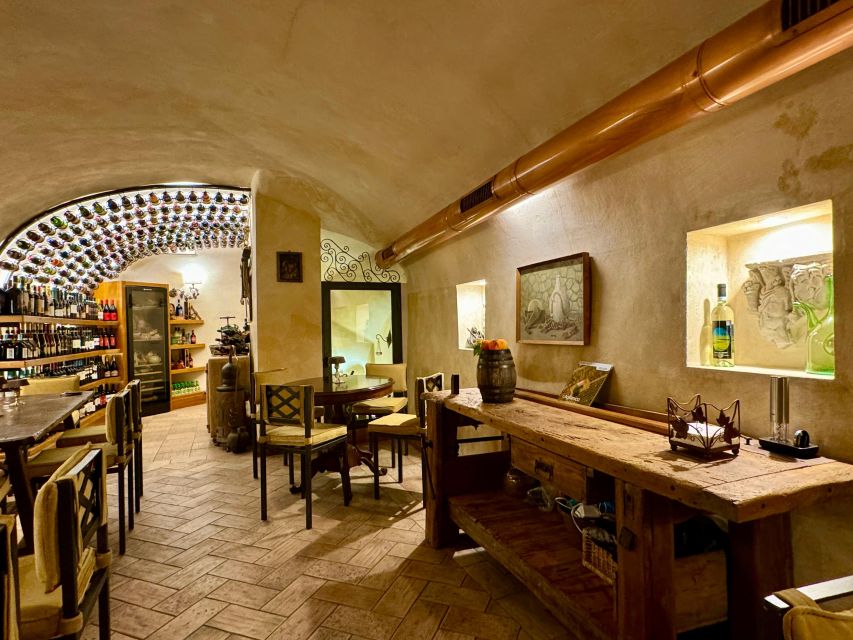
Eating underground in Rome beats a museum every time. This Trastevere lunch tasting takes place in the underground cellar of Catina Fabullus, created from a recovered 1st-century AD cistern, with staff explaining what you’re eating and why. You’ll sample artisan Italian specialties selected with Slow Food presidium criteria, then match them with Italian wines in a warm, historic setting that feels a step away from the street noise.
I really like the way this meal focuses on specific producer-quality ingredients, not random bites. The DOP/IGP food lineup and Slow Food sourcing make the tasting feel grounded in real places and real methods. I also enjoy that you get help learning wine basics, so you’re not just drinking, you’re understanding the pairing.
One consideration: this isn’t set up for everyone. The tour is not suitable for wheelchair users and it also doesn’t fit vegans, people with diabetes, or anyone with food allergies, based on the info provided.
In This Review
- Key highlights you’ll actually feel
- Trastevere and a cellar under 18th-century walls
- How the 1-hour lunch tasting flows
- What you’ll eat: Slow Food picks across Italy
- Wine pairing that actually helps your palate
- The staff atmosphere: stories, languages, and product context
- Price and value: is $62 a fair deal?
- When this tasting fits (and when it doesn’t)
- Should you book the Rome Trastevere wine lunch?
- FAQ
- How long is the Rome Trastevere lunch tasting?
- What’s included in the $62 per-person experience?
- How many people are in each tasting group?
- Where do we meet for the experience?
- Does the under-18 menu include wine?
- Can the menu be adapted for allergies or intolerances?
- Is this experience wheelchair accessible?
Key highlights you’ll actually feel
- 2000-year setting: tasting in an underground cellar made from a 1st-century AD cistern under an 18th-century building
- Small group size: limited to a maximum of 18 guests for a more personal experience
- Wine pairing education: you’ll be taught how to taste wine correctly and how to build pairings
- Slow Food presidium selection: products chosen from small artisans using traditions that support biodiversity
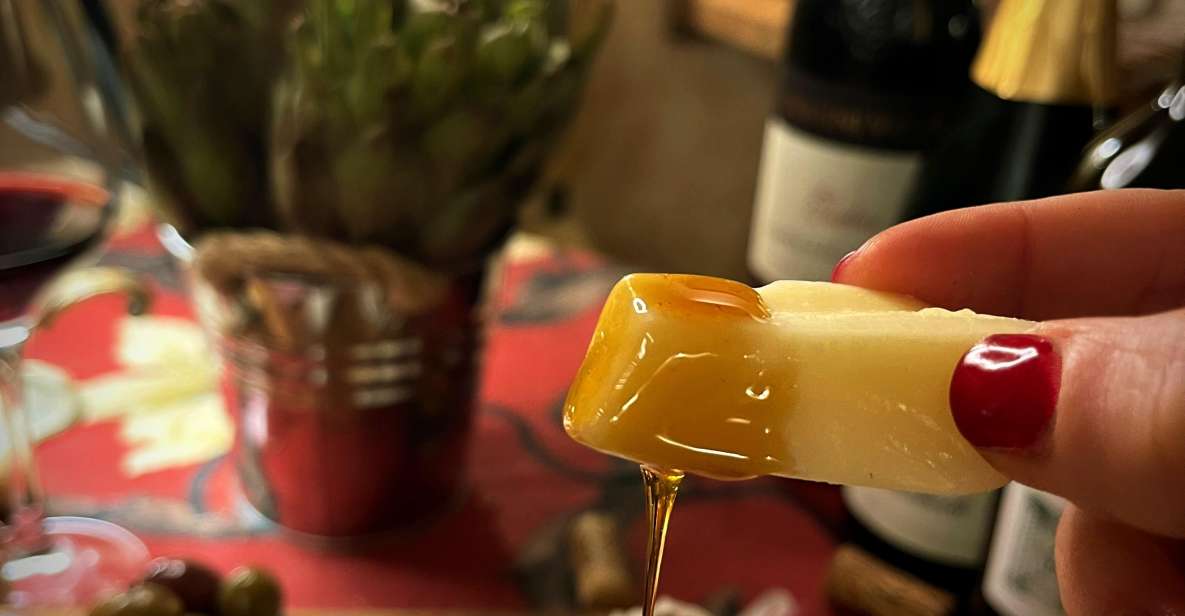
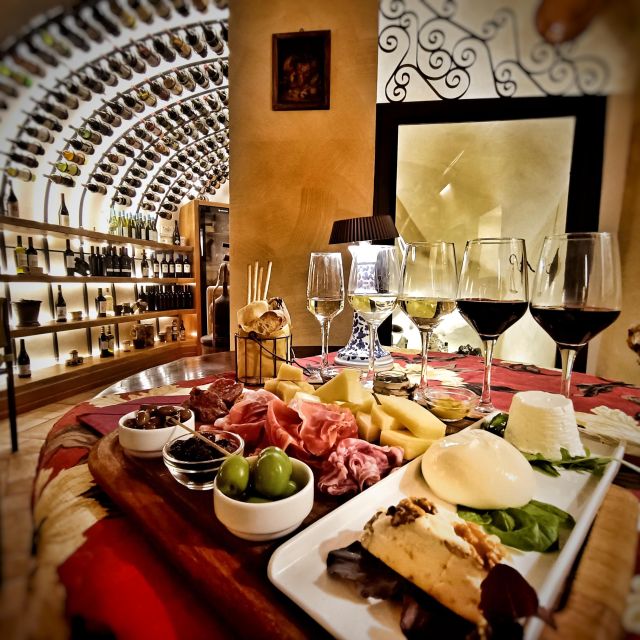
- A full lunch spread: cheeses, cured meats, Roman pizza, breads, olives, olive oil, and a sweet finish with coffee
- Multiple courses possible: options include 1-, 2-, or 3-course tastings, depending on what you choose
Trastevere and a cellar under 18th-century walls
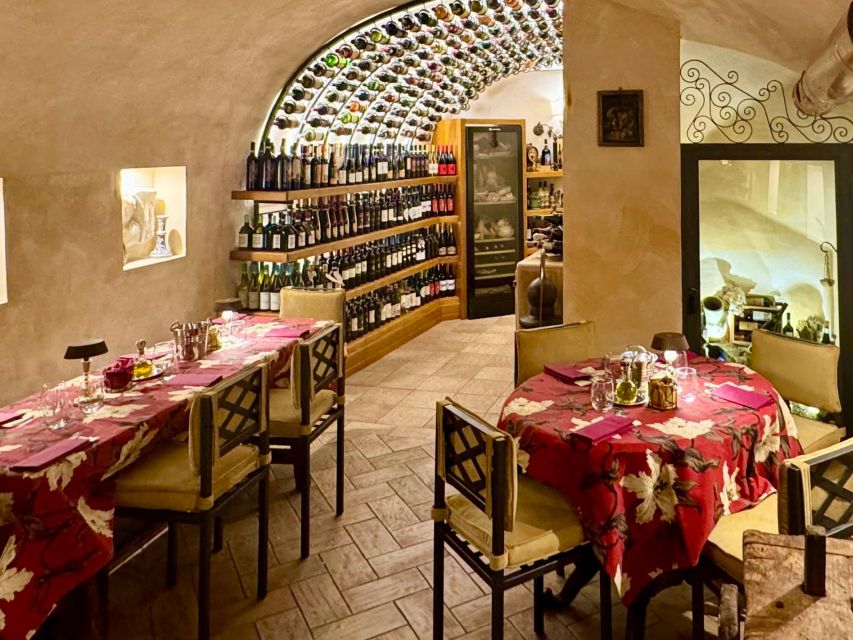
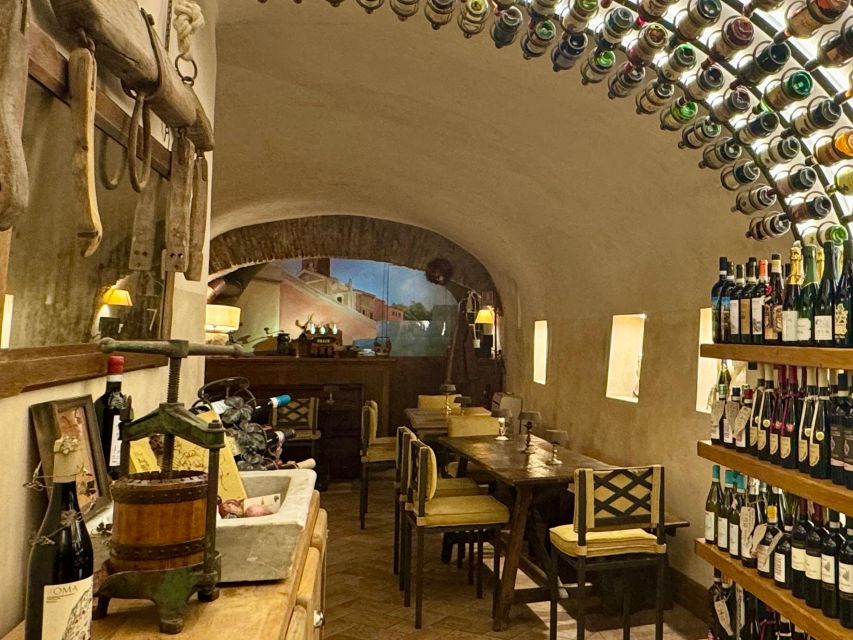
Rome’s best meals often happen where you least expect them: not in a grand dining room, but down a level where history stays put. Here, you meet at the Hotel Residenza San Calisto entrance (Via dell’Arco di San Calisto 19/20, the one with the ted red canopy) and ring the bell to be let in. From there, you head into the basement setting that’s part of Catina Fabullus, housed in an 18th-century building.
What makes this special is the structure itself. The cellar comes from the careful recovery of a cistern dating to the 1st century AD, and it’s furnished with antique pieces that help the whole place feel intentional, not staged. It’s a clear shift from the usual Trastevere street scene, and it helps you settle in because you’re not rushing from one photo spot to the next.
This is also a good choice if you like your Rome experiences to be practical. You’re not just looking at old stone; you’re eating and tasting while someone explains the story behind what’s on your plate. It gives you context you can carry home when you shop for cheese, cured meats, olives, or wine later.
You can also read our reviews of more food & drink experiences in Rome
How the 1-hour lunch tasting flows
The tasting runs about 45 to 60 minutes, and the experience is designed to move at a steady pace. You’re welcomed by the staff and guided through the food and wine choices, with explanations of origins and how the flavors connect. If you want a plan you can count on, this one is structured enough to feel organized, but flexible enough to adjust with seasonal availability.
You’ll generally start with a welcome drink, and depending on your option you may receive Prosecco and additional wine glasses. The menu is built around seasonal products, so the exact items can shift based on what’s available when you go. What stays consistent is the “logic” of the meal: a progression of cheeses and cured meats, plus breads, olives, and olive oil, then a pizza and a sweet finish.
Another nice detail is unlimited water during the tasting. That matters, because you’ll likely want to keep your palate fresh as wines come and go. Also, the experience is limited to a maximum of 18 guests, so the staff can keep the pacing friendly instead of turning it into a fast conveyor-belt tasting.
If you’re the type who likes to ask questions, this is a good format. The session is short, but staff are there to guide and explain, and they’ll help you understand what you’re tasting rather than just delivering plates.
What you’ll eat: Slow Food picks across Italy
The heart of the meal is a selection of products recognized by the Slow Food presidium, from small artisans preserving traditional methods while respecting environment and biodiversity. That doesn’t just sound nice on paper. It changes the feel of the tasting because the items tend to be tied to identity: protected names like DOP and IGP, plus ingredients linked to traditional production.
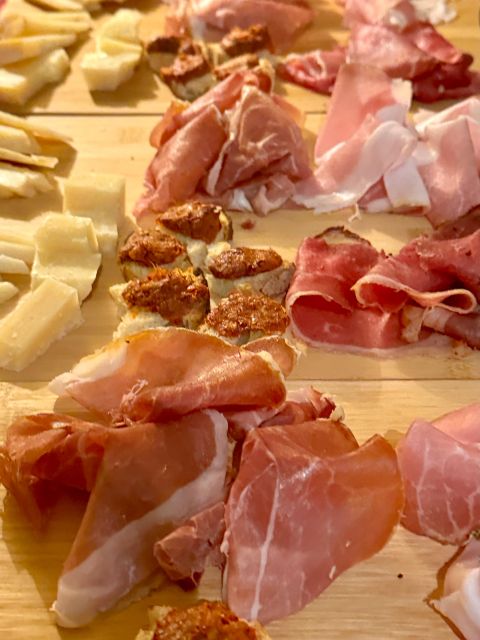
You may taste items such as Gorgonzola DOP, Taggiasca olives, Parma ham DOP, Parmigiano Reggiano, Lardo di Colonna DOP, Mortadella Bolognese DOP, Salame Marchigiano, Tuscan Bread Sciocco PDO, Guanciale di Amatrice, Pane Veroli PGI, Focaccia Romana, Mozzarella Campana di Bufala, Pecorino di Moliterno PGI, Provolone del Monaco PDO, Bresaola di Vacca Podolica, and Pepe Crusco PGI, among other choices. In other words, you’re not getting one local pairing and calling it a day. You’re sampling across the peninsula.
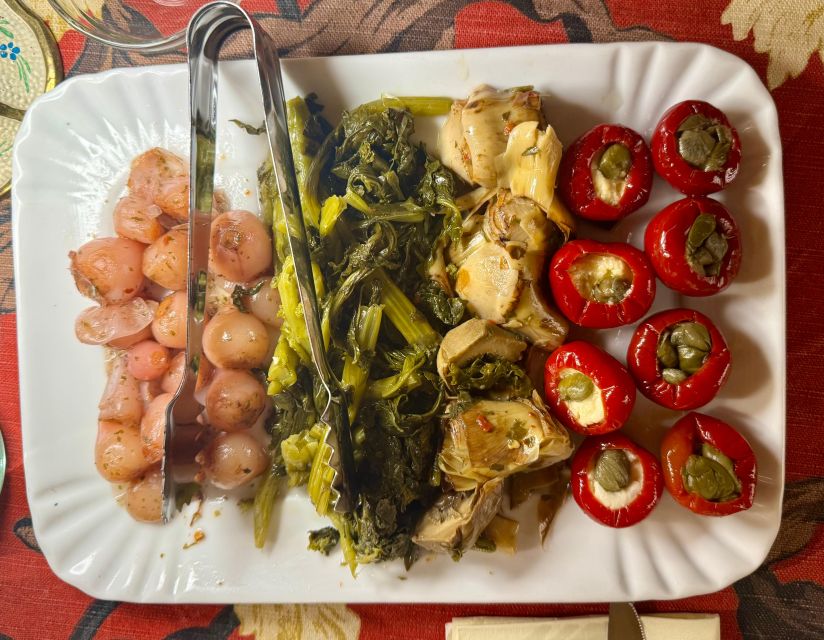
Food choices in the included menu also point to what this tasting is really trying to teach. Expect a mix like fresh and mature cheeses, various types of cured meats (including ham and mortadella with pistachio), buffalo mozzarella and ricotta, and vegetables in oil or vinegar. You’ll also see Roman touches like Roman Pizza included in the menu.
Beyond the main proteins, you get the “support cast” that makes Italian tasting work: four types of olives, three qualities of bread, and extra virgin olive oil. There’s also honey and jams to pair with cheeses, plus a traditional dessert option and coffee. That pairing logic is where this experience starts feeling more like a guided culinary lesson and less like a one-time sampler.
Wine pairing that actually helps your palate
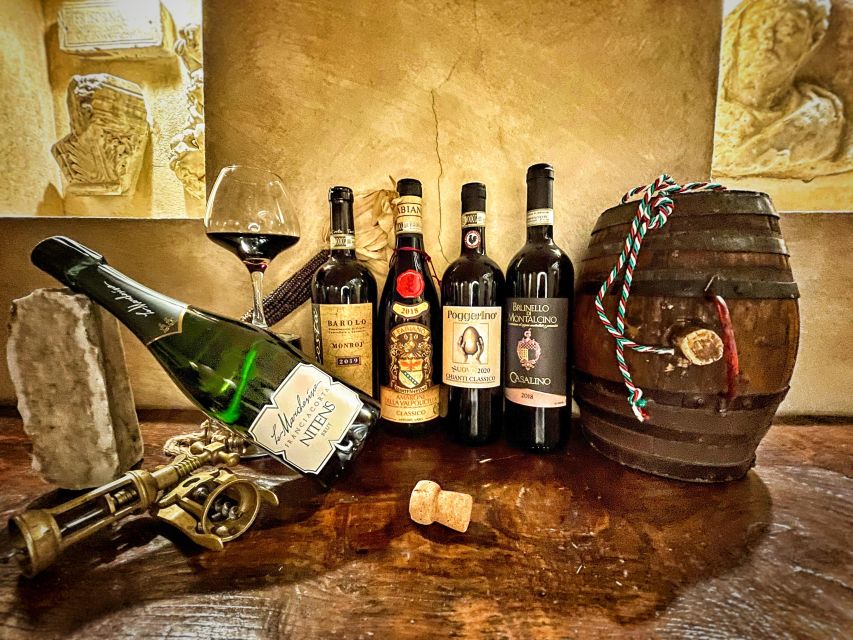
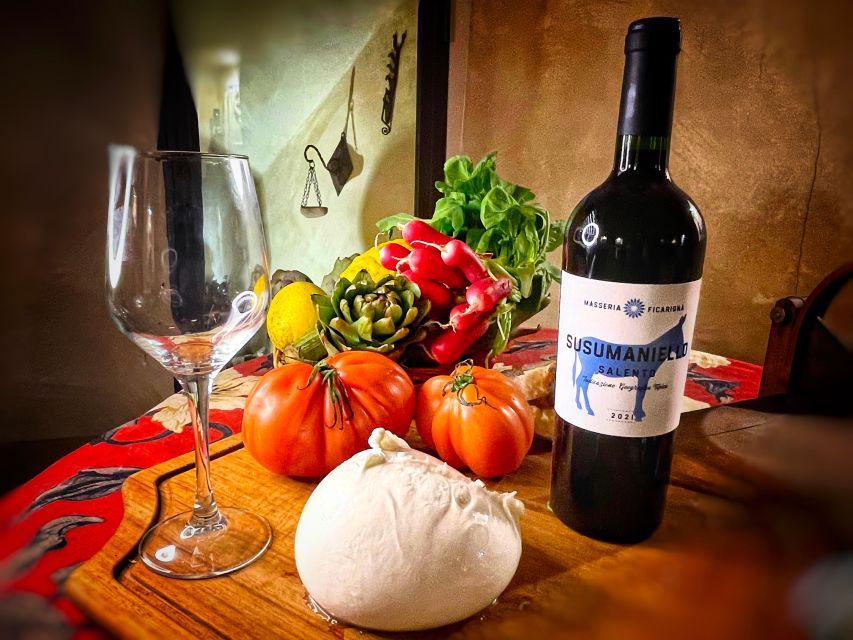
This is billed as a wine and food pairing experience, and the staff’s role is more than pouring. They guide you on how to taste wine correctly and how to find the pairing that makes both the food and wine taste better together.
Depending on your selected option, your included wines can include Prosecco and then 2 or 4 glasses of superior or top-selected Italian wines, split among Italian whites and reds based on the menu. All tastings include unlimited water, which is practical and lets you reset between pours.
Even if you’re not a wine person, you’ll probably notice one thing quickly: the pairing isn’t random. The food lineup leans into salty, fatty, and umami flavors (think cured meats and aged cheeses). Wine typically gives you acidity and structure to cut through that richness, which is why staff teaching matters. You’ll learn what to pay attention to before you decide whether a pairing works for you.
A small but smart part of the experience is timing. Since the tasting is only about an hour, it encourages focus. You’re not sitting through a long course schedule where you lose the thread. Instead, you can pay attention to each pairing while the taste impressions are still fresh.
The staff atmosphere: stories, languages, and product context
Food tastings work best when the host connects what’s on the plate to something you can understand fast. Here, the staff welcomes you and shares stories and origins behind Italian culinary delicacies. They’re also described as ambassadors who talk about Italy in different languages through flavors, and that seems to match the spirit of the experience: you’re invited to be a taste explorer, not just a passive participant.
One review specifically praised the service and explanations from a host named Carlota, saying the descriptions of products put them into context. That’s the kind of detail that can make a huge difference. You might taste the same foods in another place, but you’ll remember this one more if someone helped you understand why a cheese is made a certain way or what a specific cured meat represents.
And because the group is kept small (max 18), it’s easier to get those explanations without feeling rushed. If you like learning, this setup is a good match: you’re getting a guided tasting with time to listen, not an all-mouth presentation where you catch up later.
You can also read our reviews of more tours and experiences in Rome



Price and value: is $62 a fair deal?
At $62 per person, the price is not “cheap,” but it also isn’t priced like a private VIP dinner. You’re paying for a short, guided meal with multiple components: a historic underground setting, Slow Food presidium product selection, wine pairing with multiple glasses, and staff instruction on tasting.
Here’s what helps the value make sense:
- You’re not only eating; you’re getting wine pairing plus basic tasting guidance.
- The meal includes more than a token cheese-and-cracker moment. You’re getting cheeses, cured meats, breads, olives, olive oil, Roman pizza, and dessert with coffee.
- Wine glasses aren’t listed as just one. Your option can include 2 or 4 glasses alongside any Prosecco welcome.
It also helps that the venue itself is part of the experience. Spending time in a restored 1st-century AD cistern cellar isn’t something you can replicate at a normal restaurant. Even if you visit Trastevere’s streets for the vibe, this gives you a different kind of Rome: calm, controlled, and built around flavors.
When this tasting fits (and when it doesn’t)
This is a good fit for couples, friends, and food-minded solo travelers who want a compact, high-impact experience in central Rome. If you enjoy Italian specialties like DOP cheeses, cured meats, and olive-based sides, you’ll feel at home. And if you’re curious about wine but want guidance without wine-snob talk, the tasting instruction is a real plus.
It’s less likely to work if your needs are more restrictive. The info provided says it’s not suitable for vegans, people with diabetes, people with food allergies, wheelchair users, and children under 3. It also notes strict rules on what’s allowed on site (no food or drinks brought in, no luggage or large bags, no smoking indoors, and no pets).
If you’re traveling with someone who needs alternatives, the operator says alternatives are available upon request and can be adapted according to tastes or intolerances. Just be sure to communicate allergies or intolerances when booking, because the service depends on what you disclose.
One more practical note: minors under 18 don’t get wine tasting. If minors drink wine, they need to be accompanied by their parents, and the adult menu difference would be paid on-site.
Should you book the Rome Trastevere wine lunch?
Book it if you want a short, guided lunch where the food and wine actually connect and you’ll leave knowing what you tasted. The underground cellar setting under a 1st-century AD cistern gives the meal a sense of place that you don’t get at most restaurants. And the Slow Food presidium and DOP/IGP focus make the tasting feel tied to Italy’s food culture, not just marketing.
Skip it if your group includes anyone who can’t do dairy or cured meats, if you need wheelchair access, or if food allergies are in play. Also skip it if you prefer a self-guided meal where you choose everything on your own; this experience is structured and staff-led by design.
If your priority is value for a guided wine-and-food pairing in central Rome, this is a strong pick. You’re paying for a historic room, a curated menu across Italy, and real explanations that help the flavors make sense.
FAQ
How long is the Rome Trastevere lunch tasting?
The tasting is about 45 to 60 minutes, and the overall duration is listed as 1 hour. It runs by reservation with check availability for starting times.
What’s included in the $62 per-person experience?
Inclusions can include Prosecco and depending on the option, 2 or 4 glasses of Italian white and/or red wines, unlimited water, selected Slow Food presidium products, and a tasting menu that can be 1-, 2-, or 3-course. The included food selection covers items like cheeses, cured meats, olives, multiple breads, extra virgin olive oil, Roman pizza, honey and jams for pairing, plus dessert and coffee.
How many people are in each tasting group?
The tastings are limited to a maximum of 18 guests.
Where do we meet for the experience?
Meet at the Hotel Residenza San Calisto entrance at Via dell’Arco di San Calisto 19/20, where the ted red canopy is. When you arrive, ring the bell at the entrance.
Does the under-18 menu include wine?
The menu for under 18s does not include wine tasting. If minors drink wine, they must be accompanied by their parents, and the adult menu price difference is paid on-site.
Can the menu be adapted for allergies or intolerances?
Alternatives are available upon request and can be adapted according to tastes or food intolerances. When booking, it is mandatory to communicate any allergies or intolerances to food; the operator notes they are not responsible for reactions if information was not shared in advance.
Is this experience wheelchair accessible?
No. It is listed as not suitable for wheelchair users.