Rome hides stories under every church floor. This guided 3-hour walk takes you from Michelangelo’s Moses to tucked-away crypts, where you see how Rome stacks one era on top of another. I love how the route feels like a time machine without rushing you.
Two stops are the reason I’d pick this tour: San Pietro in Vincoli with its famous Moses and the chains linked to Saint Peter, and San Clemente, where you’re shown layers from above to well below ground. The English-speaking guide, Alain, keeps it factual and friendly, and you get real explanations instead of a scripted march.
One drawback to plan for: there’s a moderate amount of walking plus underground stairs and uneven surfaces, so it’s not ideal for wheelchair users or anyone with mobility limits.
In This Review
- Key things to know before you go
- Meeting Under the Arch of Constantine: Where the tour starts
- San Pietro in Vincoli and Michelangelo’s Moses: The story everyone remembers
- San Martino ai Monti: Frescoes above and an ancient crypt below
- Parco del Colle Oppio and the Domus Aurea ruins: Rome’s imperial shadow
- San Clemente Basilica: Medieval mosaics and a Mithraic temple under your feet
- How long is it, and what’s the pace really like?
- Skip-the-line value at three major stops
- Guide style: Alain’s attention to detail changes the whole visit
- Photography rules and how to plan your camera time
- What to bring (and what to wear) so Rome feels easy
- Who should book this tour, and who should skip it
- Should you book Rome: Hidden depths – Unveiling Underground Treasures?
- FAQ
- How long is the Rome Hidden depths tour?
- Where exactly does the tour meet?
- How big is the group?
- What’s included in the ticket price?
- What is not included?
- Does the tour skip the ticket line?
- Can I take photos or use flash?
- Is it wheelchair accessible or good for mobility impairments?
Key things to know before you go
- Small group, limited to 10 so your English-speaking guide can keep the pace human.
- Skip the ticket line at key church stops, which matters in Rome.
- Michelangelo’s Moses at San Pietro in Vincoli plus the tradition tied to Saint Peter’s chains.
- San Martino ai Monti for frescoes and an underground crypt connected to ancient Rome.
- San Clemente Basilica for the full “Rome on Rome” experience, including the Mithraic temple below.
- Cooler underground spaces mean you’ll want a light layer even on warm days.
Meeting Under the Arch of Constantine: Where the tour starts
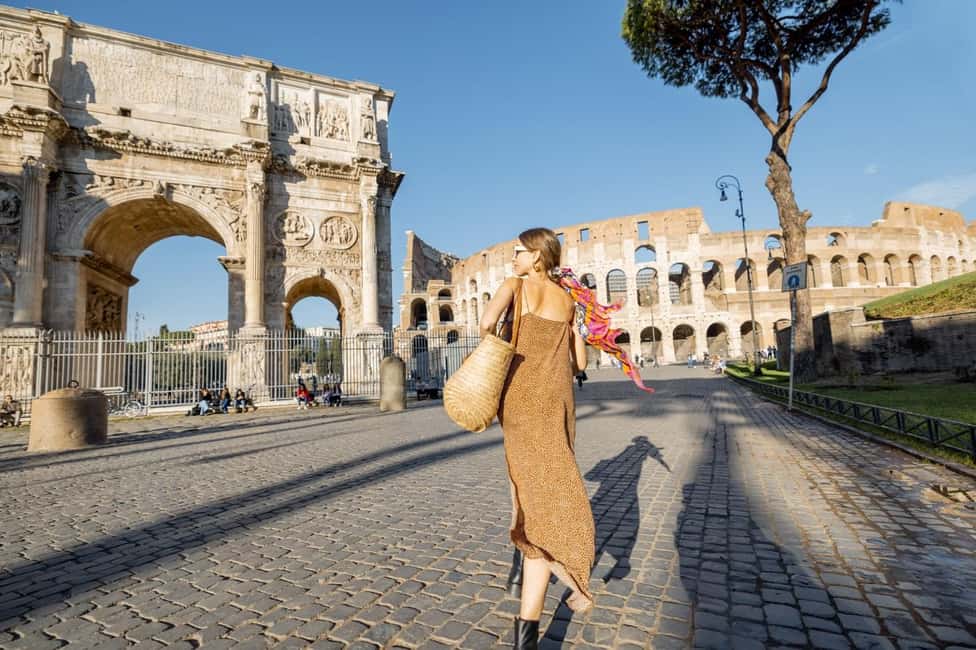
You’ll start right under the Arco di Costantino, next to the Colosseum area. That’s a smart setup because it keeps the tour grounded in the center of Rome, and you can orient yourself quickly before the history starts stacking up.
The tour doesn’t include hotel pickup or drop-off, so you’ll want to get there a bit early. In practice, that means you can meet the group without stress and be ready for the first short walk—about 15 minutes—from the meeting spot.
You can also read our reviews of more tours and experiences in Rome.



San Pietro in Vincoli and Michelangelo’s Moses: The story everyone remembers
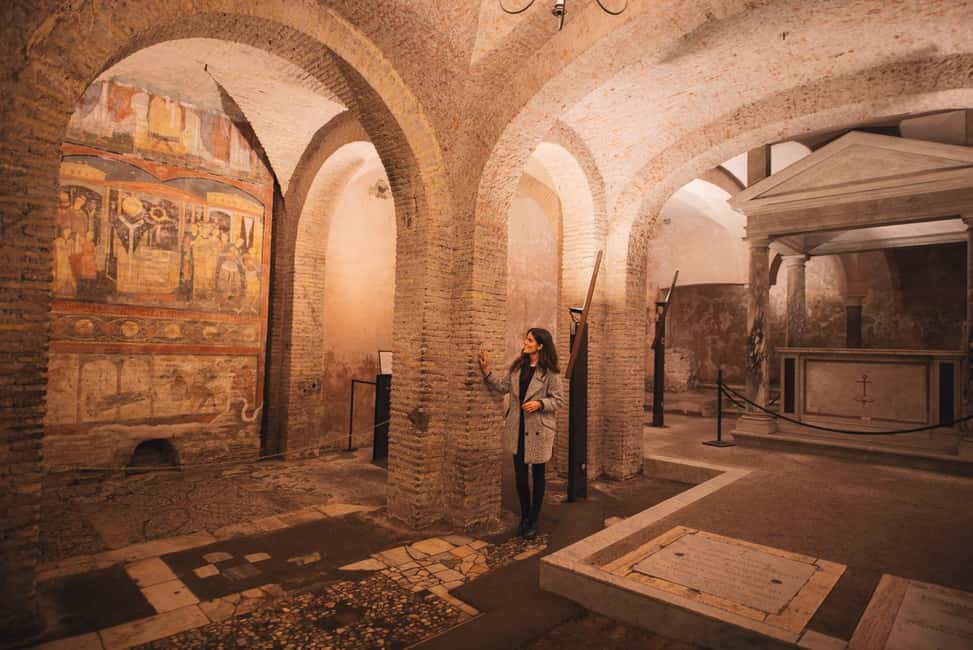
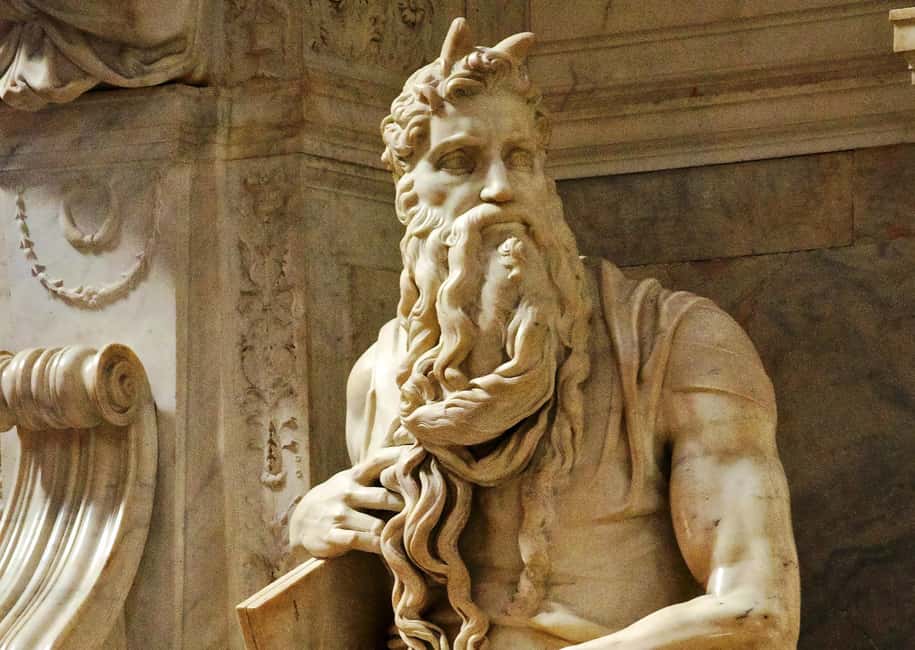
The first major stop is San Pietro in Vincoli, and this is where the tour’s “wow” factor hits right away. You’ll see Michelangelo’s statue of Moses, and the guide will connect it to the story of the miraculous chains said to have bound Saint Peter.
Why this matters for you: if you’ve seen photos of Moses, this is the moment where the details start making sense. You’re not just looking at a masterpiece—you’re learning how that tradition is woven into the church’s role in Rome.
Practical note: this stop is included with admission, and you’ll spend about 30 minutes here. That’s enough time to look at what’s in front of you, then listen as the guide ties it to the city around you without dragging the visit too long.
San Martino ai Monti: Frescoes above and an ancient crypt below
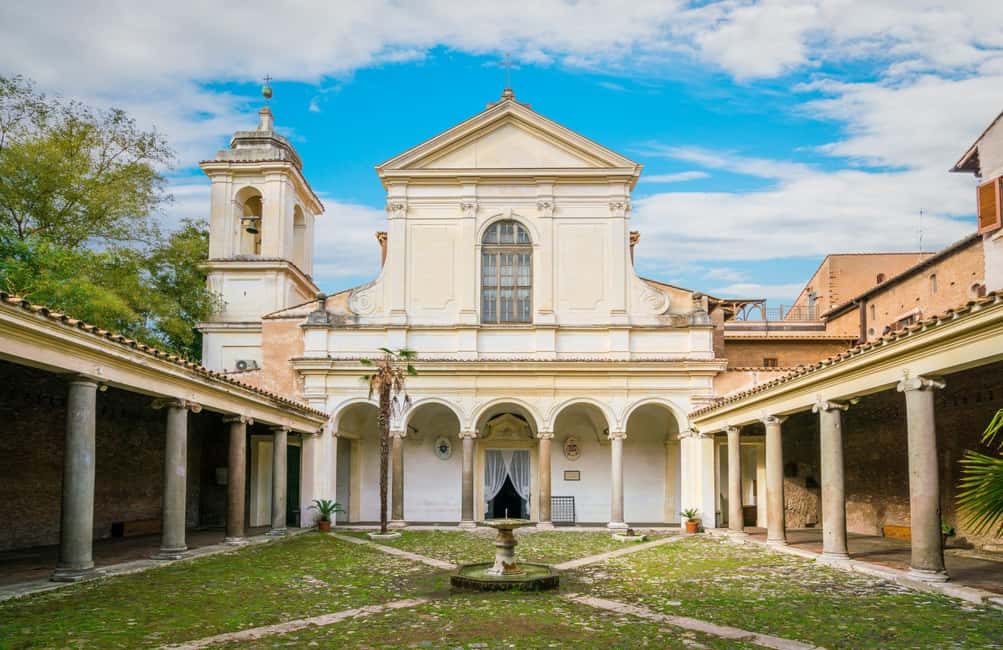
Next you move to Basilica dei Santi Silvestro e Martino ai Monti (often referred to as San Martino ai Monti). This stop is a favorite because it’s a quieter, less famous church setting with a payoff underneath.
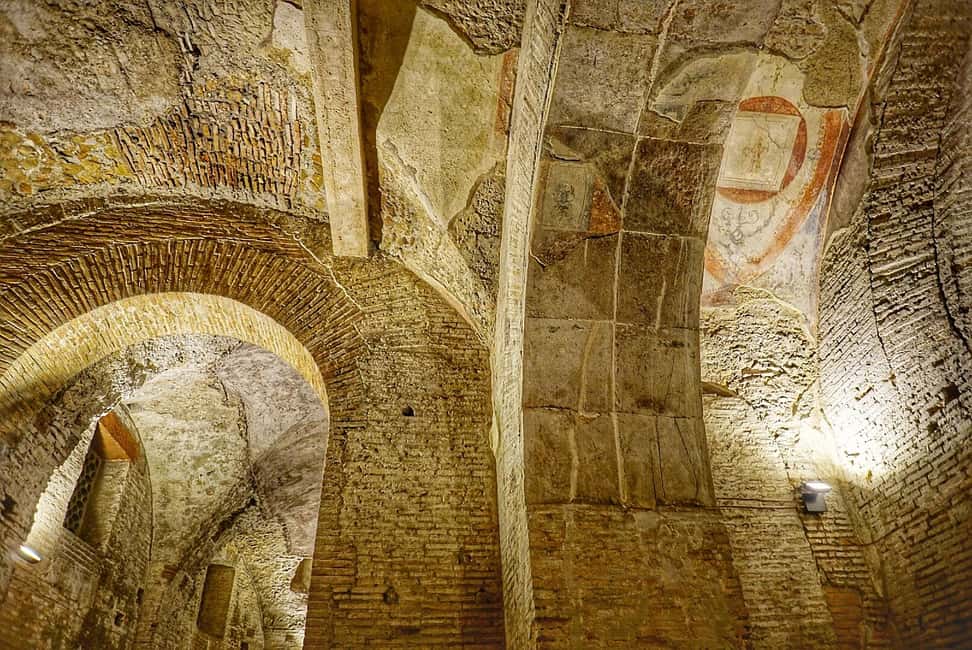
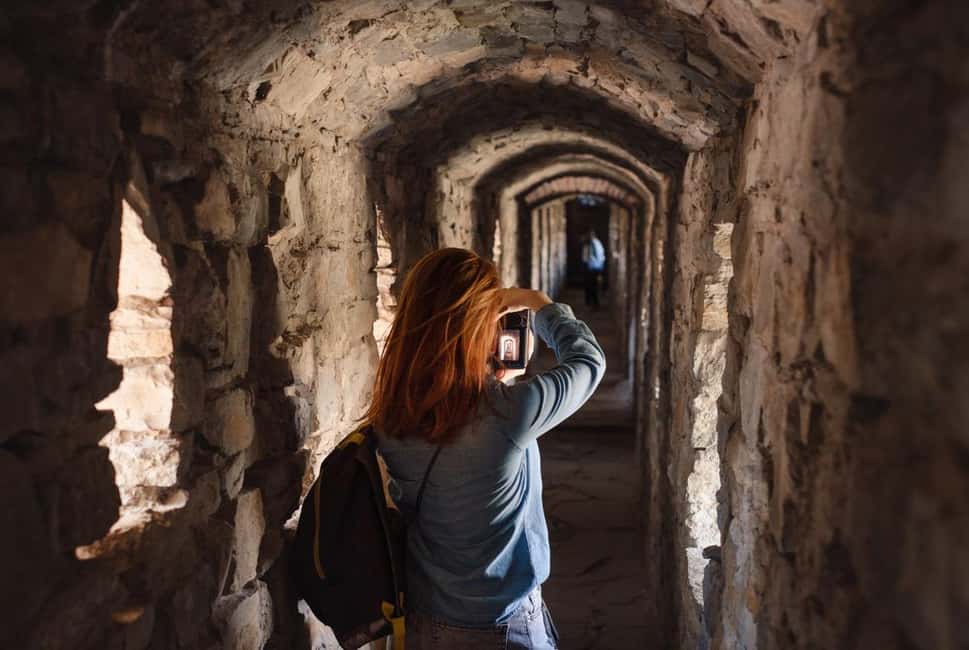
You’ll see frescoes, then head into the underground crypt. The crypt has roots in ancient Rome, and the contrast is the point: it’s Rome showing its layers in plain view. The guide uses this to explain how different communities kept building, restoring, and repurposing spaces as centuries passed.
A real advantage here is pace. The walk between stops is short (around 10 minutes), so you don’t feel like you’re sprinting from one site to the next. You can take in the atmosphere, then step below ground when the guide says it’s the right moment.
Parco del Colle Oppio and the Domus Aurea ruins: Rome’s imperial shadow
After the churches, you’ll walk through Parco del Colle Oppio. This part of the tour is less about entering a building and more about seeing Rome’s footprint in an open-air setting.
Here, you pass the ruins of the Domus Aurea, Emperor Nero’s Golden House. Even if you’re not the type who memorizes names and dates, you’ll get why this site matters: it’s a reminder that Rome’s “present” landmarks sit on top of older ambitions and power.
You’ll have a short walk time here (about 10 minutes), so it fits well between indoor stops. It also gives your feet a break before you head to the biggest layered site of the tour.
San Clemente Basilica: Medieval mosaics and a Mithraic temple under your feet
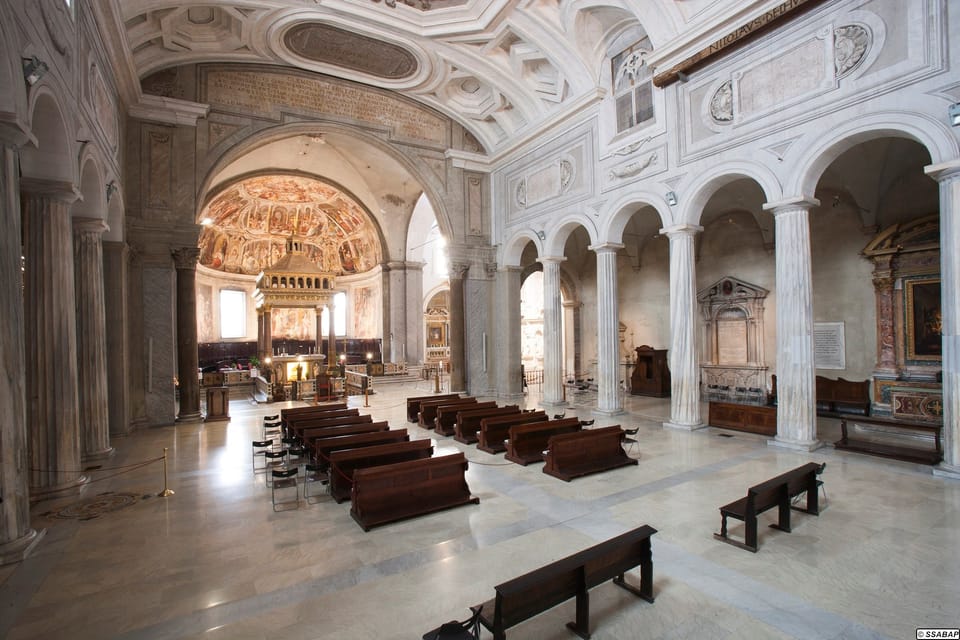
If you love the idea of Rome as a stacked timeline, Basilica di San Clemente is the anchor. You’ll spend about one hour here, and it’s built for exactly what this tour promises: the city’s hidden depth.
On the surface level, you’ll see the medieval mosaics. Then the tour takes you downward to reveal what’s under the church—specifically, a Mithraic temple deep below. That “above and below” reveal is the payoff that makes this feel different from a standard sightseeing route.
Why I think you’ll like this part: it turns the usual museum approach upside down. Instead of reading about Roman layers, you’re standing inside them. And because the tour is guided, you’re not just looking at architecture—you’re learning what you’re seeing and why it survived in this form.
Note: the underground areas can be cooler than the surface. Bringing a light jacket is a small move that can make a big comfort difference.





How long is it, and what’s the pace really like?
The tour runs for 3 hours, with a mix of walking and time inside churches. The walking is described as moderate, but the key detail is that there are uneven surfaces and stairs, especially when underground crypts are involved.
The route includes short transfer walks between stops—often 10 to 15 minutes—so you’ll feel movement, but not exhausting distance. Still, if you’re the type who gets tired quickly in stone staircases, you’ll want to think carefully before booking.
If you plan this day well, it works nicely as a half-day activity. It’s long enough to feel like a full experience, but not so long that you lose the rest of your day to logistics.
Skip-the-line value at three major stops
Admission is included for San Pietro in Vincoli, San Martino ai Monti, and San Clemente, and you’ll also get access to the underground crypts and the Mithraic temple. That’s a key part of the value calculation.
At $112 per person, you’re paying for two things that are hard to DIY in a short time window:
- A guided explanation that connects art and religious stories to what you can physically see
- Organized entry and included access to the underground parts
Also, the tour offers skip the ticket line, which helps you spend time on the sites instead of waiting around.
You’ll still need to handle food and drinks on your own, since they’re not included. But this is a trade I like: the tour stays focused on the places that make sense to include with timed access and guided interpretation.
Guide style: Alain’s attention to detail changes the whole visit
The experience is built around the English-speaking guide, and the name that shows up most is Alain. The best sign isn’t just that he’s good at explaining—it’s that he listens to the group and adjusts, keeping the stops lively and readable rather than turning into a monologue.
What I like for you: this tour isn’t only about seeing famous objects like Michelangelo’s Moses. It’s about making the smaller, less obvious spaces feel meaningful—especially the underground areas. A strong guide helps you understand why an underground crypt matters as much as what’s on the main altar.
Photography rules and how to plan your camera time
You should bring a camera, but plan for restrictions. The tour notes that flash photography isn’t allowed and that photography isn’t permitted in certain areas, with signs and the guide’s instructions guiding what you can do.
So the best approach is simple: take a few establishing shots early, then shift to slower looking once you’re inside. If you want photos, save your attention for the spots where the rules allow it, and don’t waste time arguing with signage.
What to bring (and what to wear) so Rome feels easy
The tour gives straightforward prep advice, and I agree with it.
Bring:
- Comfortable shoes (stone floors and stairs are real)
- Water
- Sunscreen
- Camera
Consider also:
- A light jacket for the underground spaces
- A small bag that’s easy to carry through stairs
If you’re traveling with a backpack, make sure it’s manageable before you reach the crypt stairs. You’ll move more smoothly if you can keep both hands free when needed.
Who should book this tour, and who should skip it
This tour is a great fit if you love art, church interiors, and the way Rome’s different eras overlap. It also works well for history lovers who want context without turning the day into a facts-only lecture.
It may not suit you if:
- You have mobility impairments
- You use a wheelchair
- Stairs and uneven surfaces are a big challenge
The tour itself makes that clear in its suitability notes. Even if you can manage a few stops, the underground portions can be the hard part.
Also, children under 6 may find it challenging because of the walking involved.
Should you book Rome: Hidden depths – Unveiling Underground Treasures?
I’d book it if you want Rome beyond the postcard list. The pairing of San Pietro in Vincoli (Michelangelo’s Moses and Saint Peter’s chains tradition), San Martino ai Monti (frescoes plus an underground crypt), and San Clemente (medieval mosaics plus the Mithraic temple below) gives you a rare “surface and underground” story in one morning/afternoon window.
I’d skip it if you need fully step-free access or if you dislike stone stairs. In that case, the physical setup is likely to outweigh the benefits, since much of the value is literally under the ground.
If you’re curious and comfortable walking with short stair segments, this is one of the better ways to spend 3 hours in Rome—small group, guided context, and included entry where it counts.
FAQ
How long is the Rome Hidden depths tour?
It lasts 3 hours, with a mix of walking between stops and time spent visiting churches and underground areas.
Where exactly does the tour meet?
You meet right under the Arco di Costantino, next to the Colosseum.
How big is the group?
The group is small, limited to 10 participants.
What’s included in the ticket price?
Your ticket includes an English-speaking guide, admission to San Pietro in Vincoli, San Martino ai Monti, and Basilica di San Clemente, plus access to the underground crypts and the Mithraic temple.
What is not included?
Hotel pickup and drop-off are not included, and food and drinks are not included.
Does the tour skip the ticket line?
Yes. The tour includes skip-the-ticket-line access.
Can I take photos or use flash?
Flash photography is not allowed, and photography isn’t allowed in some areas. You’ll need to follow the signs and your guide’s directions.
Is it wheelchair accessible or good for mobility impairments?
No. Due to uneven surfaces and stairs, the tour is not recommended for people with walking disabilities or wheelchair users.