REVIEW · ROME
Julius Caesar and the Emperors’ Nighttime Stories
Book on Viator →Operated by Storytelling Rome Tours & Walks · Bookable on Viator
Roman emperors sound better after dark. This tour turns major ancient sites into a string of human stories—betrayals, family pressure, and scandal—so the history feels personal, not textbook. You’ll walk a smart, evening route to beat the daytime crowds and heat, with English commentary and a mobile ticket in hand.
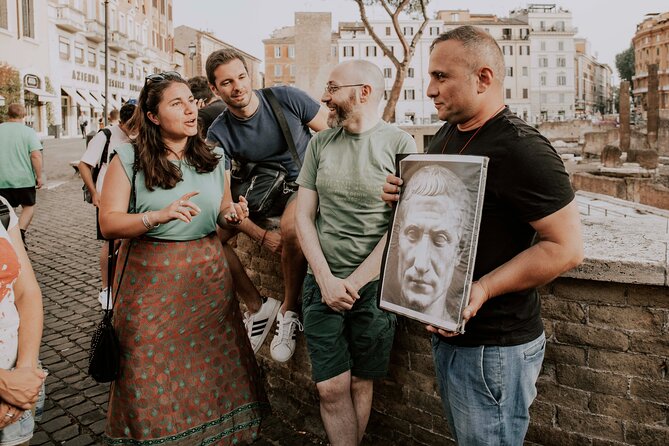
What I like most is the way the guide keeps the pace lively while telling stories with real emotion. I was especially drawn to the focus on family relationships—Julia under Augustus, and Agrippina in the Nero storyline—and the way the tour links those people to places you can actually see. I also like that you’re guided by Massimo, whose energy shows up in the pacing and the way the characters stick in your mind.
One consideration: this is an outdoor evening walk, and it depends on good weather. On cold nights, you’ll want to follow the guide’s advice and dress warm, since the stories run best when you’re comfortable.
In This Review
- Key highlights you’ll feel on the walk
- Why this nighttime Caesar-and-emperors tour works
- Starting in the right place: Via Florida to Piazza del Popolo
- Largo Argentina: Caesar’s assassination spot and the shock of power
- Pantheon at night: Marcus Agrippa’s climb to near-top power
- Piazza di Pietra: the ruins that frame Hadrian’s reputation
- Piazza Colonna: Marcus Aurelius in spiral stone
- Piazza Augusto Imperatore: Augustus’ mausoleum and Julia’s pressure-cooker life
- Piazza del Popolo: Nero, Agrippina, and the artist who wanted attention
- Price and value: paying for the guide, not ticket fees
- What to expect from the guide’s style (and how it helps)
- Practical tips for a smooth evening walk
- Should you book this Rome emperors story tour?
- FAQ
- How long is the Rome nighttime storytelling tour?
- Is the tour offered in English?
- Do I need to buy admission tickets for the stops?
- Where does the tour start and where does it end?
- What’s the group size limit?
- What if the weather is bad or I want to cancel?
Key highlights you’ll feel on the walk
- A nighttime route that avoids the harsh sun and lets Rome feel quieter and more cinematic
- Master storytelling with strong pacing, led by Massimo
- Multiple major ancient stops tied to one theme: power, family, and consequences
- Six Roman figures in the spotlight, including Caesar, Augustus, Hadrian, Marcus Aurelius, and Nero
- Free admissions at the stops, so your money goes to the guide and the experience
- Small group size (max 20), which helps the stories land without feeling rushed
Why this nighttime Caesar-and-emperors tour works
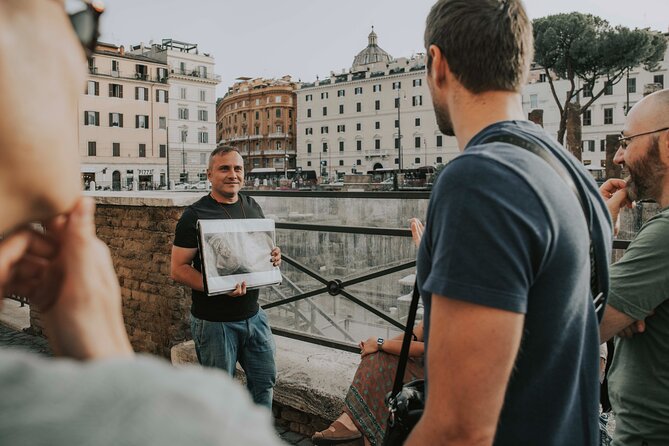
Rome can be loud in the daytime. At night, the city slows down just enough that you can actually hear the story you’re being told. That’s the whole point here: instead of stacking dates and names, you get dramatic, human-centered tales placed right at recognizable landmarks.
This tour also has a practical advantage. The departure happens late afternoon or evening, and that matters. You’ll feel less baked by the sun, and you’re less likely to get stuck in daytime bottlenecks at the big sights.
And the focus isn’t only on the emperors as rulers. You get the people around them—family members, rivals, and the relationships that turn political life into personal drama. If you enjoy history that reads like a story (without losing the fact that you’re standing in real places), you’ll probably like this format.
You can also read our reviews of more tours and experiences in Rome.



Starting in the right place: Via Florida to Piazza del Popolo
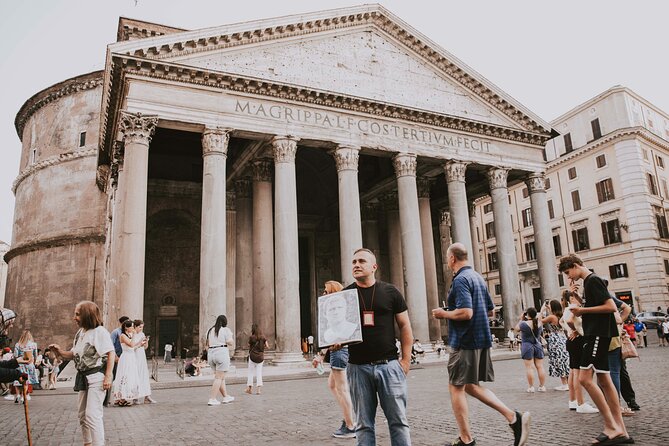
The tour begins at Via Florida, 14 (00186 Rome) and ends in Piazza del Popolo (00187 Rome) at the Basilica Parrocchiale di Santa Maria del Popolo. That ending location is handy because it’s central and easy to use afterward for dinner.
Here’s a small detail that helps a lot in Rome: the guide provides directions and a photo-style reference so you can find the meeting point without playing guessing games. It’s the kind of thing that reduces stress before you even start walking.
The experience also stays within a manageable time window—about 2 to 3 hours—so it doesn’t swallow your whole evening. For many first-time visitors, that’s a sweet spot: long enough to feel like you did something meaningful, short enough to still enjoy the rest of your night.
Largo Argentina: Caesar’s assassination spot and the shock of power
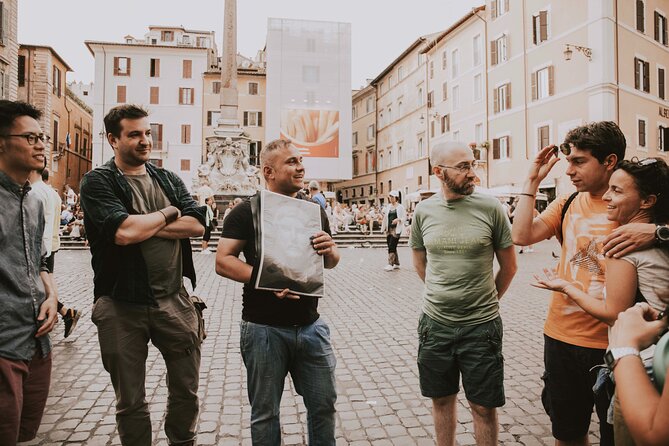
Your first major stop is the Area Sacra di Largo Argentina, where you’ll see Largo Argentina square, known as the site connected to the Assassination of Julius Caesar. This is one of those moments where Rome’s past isn’t distant. It’s right there—concrete, streets, and scale that make the event feel immediate.
What makes this stop work in a storytelling tour is contrast. One minute you’re taking in the shape of the square; the next minute the guide is shaping Caesar’s fate around motive, fear, and betrayal. That emotional framing is what turns the location into a scene instead of a marker.
This is also a smart starting anchor for the evening. Caesar’s story sets the tone for the rest of the walk—power struggles, family influence, and the way “public rule” often comes from private decisions.
Pantheon at night: Marcus Agrippa’s climb to near-top power
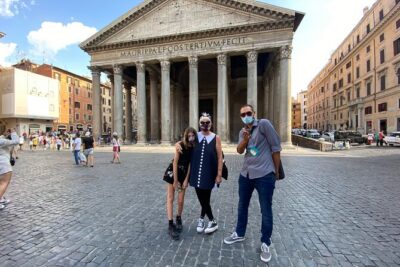
From there, you move toward the Pantheon, walking by it at night. The guide uses the moment to tell the story of Marcus Agrippa, described as a man in the 1st century BC who managed to become the second most powerful person in the world.
Even if you’re not chasing names and titles, this kind of story is useful. It helps you understand that Rome’s politics weren’t only emperors acting alone. Power often sat with people who could influence events, command loyalty, and shape outcomes behind the curtain.
At this stop, you’re not spending long inside anything. You’re walking past, hearing the story, and then letting the night lighting do its job—making the setting feel more dramatic than it does in photos.
Piazza di Pietra: the ruins that frame Hadrian’s reputation
Next is Piazza di Pietra, where you see fascinating 2nd-century AD ruins while the guide tells the story of Emperor Hadrian. The tour frames Hadrian as one of Rome’s best emperors, and the point isn’t just praise—it’s what made his rule stand out in the way the story is presented.
Ruins can become background noise if a guide doesn’t connect them to people. Here, that’s handled for you. The ruins stop being random stone and instead become part of the narrative logic of the walk: each emperor’s story has a place, and that place gives you a visual anchor.
If you like when history is tied to physical details, this is one of the moments where the tour feels most satisfying.



Piazza Colonna: Marcus Aurelius in spiral stone
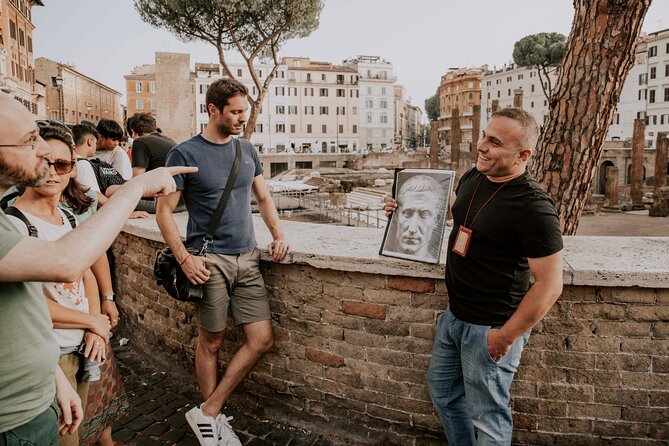
In Piazza Colonna, you’ll see the famous monumental 2nd-century AD spiral column dedicated to Emperor Marcus Aurelius. What’s especially interesting is how the column shows hand-carved spiral relief, running from the bottom to the top through major moments of his life.
This stop works for two reasons. First, it’s an easy-to-follow visual. Your eyes can travel with the story as it climbs upward. Second, it turns the idea of “an emperor’s life” into something you can actually track without needing a map of facts.
The emotional payoff comes from noticing how the tour treats Marcus Aurelius like a person—someone whose life had turning points, not just a name in a list.
Piazza Augusto Imperatore: Augustus’ mausoleum and Julia’s pressure-cooker life
At Piazza Augusto Imperatore, you admire the 1st-century AD burial site of Emperor Augustus—his Mausoleum. This is where the tour leans hardest into family, and you’ll hear a story centered on Julia, Augustus’s only child.
The guide focuses on Julia’s personality: strong-minded, independent, and not shaped to fit the expectations of her era. In a tour like this, that kind of character focus matters. It’s a reminder that emperors didn’t raise perfect successors in a vacuum—family politics were real and often heartbreaking.
This is also described as the climax of the tour, and it makes sense. After hearing about power and rule, you get the emotional center: what it costs when a family member has will, and the system has plans.
Piazza del Popolo: Nero, Agrippina, and the artist who wanted attention
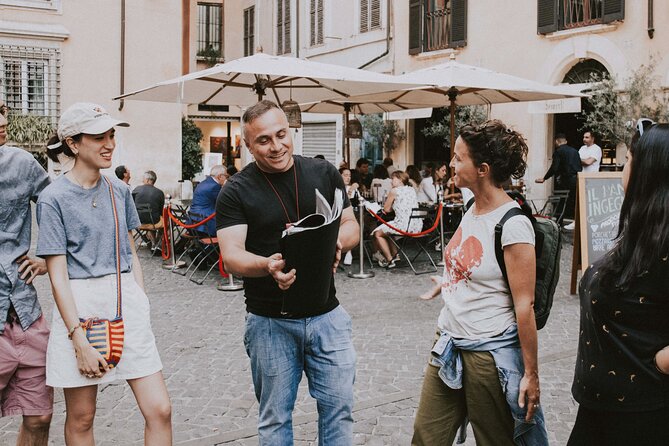
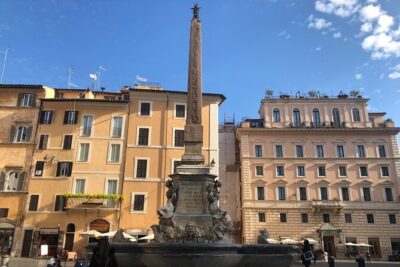
The tour ends in Piazza del Popolo, where the guide tells the story of Emperor Nero and his psychological profile. You’ll hear about his relationship with his mother, Agrippina, and how Nero wanted to become an artist so badly that it pulled him to the center of world attention.
Even if you don’t know Nero’s story in detail, the way it’s presented is designed to make you think. The focus isn’t only on what he did—it’s on why he acted the way he did, especially around identity, approval, and control.
Nero at night, in a central piazza, lands like a final chapter. You finish with a strong character note, and you’re placed right where it’s practical to keep going—subway access on the Flaminio line or taxi pickup, plus lots of dinner options.
Price and value: paying for the guide, not ticket fees
At $47.06 per person for about 2 to 3 hours, this is priced in a way that makes sense for a storytelling walking tour. The biggest reason: the tour is built around major landmarks, but the stops indicate free admission for the specific areas you visit.
So the value isn’t “you paid for entrance.” You paid for a human narrator who links each location to a story arc—Caesar’s shock, Agrippa’s power, Hadrian’s reputation, Marcus Aurelius’s life represented in stone, Augustus’s family stakes through Julia, and Nero’s emotional motive.
The small group size (max 20) also supports value. In larger crowds, a guide can’t keep the tone personal. Here, the format is set up so the stories don’t get lost.
What to expect from the guide’s style (and how it helps)
A big part of why this tour gets repeat praise is the guide’s delivery. Massimo is described as funny and engaging, with the pacing tuned so you’re not overloaded with facts. The goal is to keep you in the story while still walking through real Rome.
You’ll also get pre-tour communication. The guide’s been known to contact you beforehand with directions and a photo to help you find the meeting point. That’s not a small thing in Rome—finding where to stand can be half the battle.
And the guide handles emotional beats, not just political ones. Betrayals and forbidden love are part of the theme, and the stories are framed to make the relationships feel believable rather than exaggerated.
Practical tips for a smooth evening walk
Because this is an evening experience, plan like a night-walker. Here are the practical things that will make it easier:
- Wear warm layers. The guide has specifically warned that nights can be cold.
- Bring comfortable shoes. You’ll be walking between several stops over the course of a couple of hours.
- Use the meeting details: start at Via Florida, 14 and end at Piazza del Popolo so you can plan dinner without backtracking.
- Expect a straightforward pace. There’s an optional break if you want it, but the structure is built to keep moving and keep stories flowing.
- Know the language fit: it’s offered in English, so you’ll get the full effect without translation.
If you want a Rome night activity that’s both entertaining and grounded, this is a solid pick.
Should you book this Rome emperors story tour?
Book it if you want Rome to feel like a narrative, not a lecture. This works especially well if you like character-driven history: emperors through their families, motives, and the consequences that followed. The night setting helps too, giving the sights a mood that daytime tours often miss.
Skip it only if you prefer a strictly archaeological approach with lots of time standing quietly and reading details at your own pace. This tour is story-first, and the best experience comes when you’re ready to listen closely and enjoy the emotion in the telling.
If you’re choosing just one evening walk to connect multiple ancient sites into a single theme, this is a strong value option—priced fairly, timed well for the night air, and led by a guide who clearly knows how to keep the room engaged.
FAQ
How long is the Rome nighttime storytelling tour?
It runs about 2 to 3 hours (approx.).
Is the tour offered in English?
Yes, it’s offered in English.
Do I need to buy admission tickets for the stops?
The stops listed include Admission Ticket Free.
Where does the tour start and where does it end?
It starts at Via Florida, 14, 00186 Rome and ends at Piazza del Popolo, 12, 00187 Rome, near the Basilica Parrocchiale di Santa Maria del Popolo.
What’s the group size limit?
The tour has a maximum of 20 travelers.
What if the weather is bad or I want to cancel?
The experience requires good weather. If it’s canceled due to poor weather, you’ll be offered a different date or a full refund. You can cancel for a full refund up to 24 hours in advance.