REVIEW · ROME
Rome: City Center Private Tour With Tuk-Tuk
Book on GetYourGuide →Operated by The Tour Spot · Bookable on GetYourGuide
Rome by tuk-tuk feels oddly right. You get a high-speed, easy-going way to cover Rome’s big hitters, from the Vatican to Trevi Fountain, with stops made for photos and stories.
What I like most is the small group setup (limited to 4), plus a live guide in English or Italian. In the best cases, guides like Antonio (and António/Tony variants you might meet) or Atilio bring the city down to human scale, with clear explanations and help getting good shots.
One consideration: in just about 2 hours, this is best for seeing the landmarks and their context from the road and viewpoint stops, not for slow, ticket-line museum-style touring.
In This Review
- Key Things to Know Before You Go
- Why a Tuk-Tuk Tour Makes Roman Sights Easier to Manage
- Starting at Largo Gaetana Agnesi: Comfort, Pace, and a Small Group
- Vatican City Highlights: St. Peter’s Basilica and St. Peter’s Square
- Colosseum and Roman Forum: Views with Less Transit Friction
- Trastevere and Campo de’ Fiori: Local Streets Between Big Icons
- Pantheon and Trevi Fountain Stops That Stick
- Pricing at $112.15 and When This Is Good Value
- Should You Book This Tuk-Tuk Tour?
- FAQ
- Where does the tour start and end?
- How long is the Rome City Center Tuk-Tuk tour?
- What size group is this tour?
- What languages are the live guides?
- Is this tour suitable for wheelchair users?
- Are baby strollers allowed?
- Are alcohol and drugs permitted?
- Is there free cancellation?
- What’s the age suitability?
- How much does it cost?
Key Things to Know Before You Go
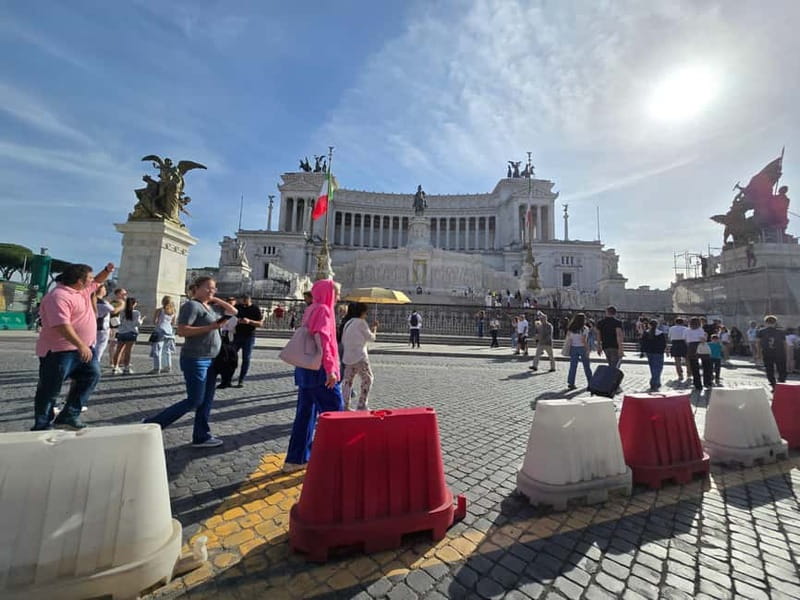
- St. Peter’s Basilica and St. Peter’s Square first: the tour starts where Rome’s spiritual gravity is strongest.
- Colosseum and Roman Forum with a viewpoint approach: you cover ground without the hassle of a big coach.
- Trastevere and Campo de’ Fiori side streets: the guide often steers you away from only the main drag.
- Pantheon and Trevi Fountain stop time: both are built into the route for photos and quick orientation.
- Guides who handle crowds: several guides are praised for steering you for better pictures.
- Up to 4 people, with a price per group up to 2: it’s aimed at flexibility, not mass tourism.
Why a Tuk-Tuk Tour Makes Roman Sights Easier to Manage

Rome can feel like a choose-your-own-adventure map you didn’t ask for. This tuk-tuk format helps you do the “greatest hits” without spending your whole day in transit, or walking when you’d rather be looking up at domes and façades.
The biggest win is that the ride changes how you experience the city. Instead of you having to stitch together separate guidebooks, you get a guided route that moves you efficiently from one landmark cluster to the next—Vatican area, then classic ruins, then central Rome stops like the Pantheon and Trevi Fountain.
And yes, there’s pure fun here. Sliding through streets on a small vehicle feels lighter than a coach, and it can get you closer to viewpoints than you might expect. That matters in Rome, where traffic, one-way streets, and tourist crowds can slow down even “simple” plans.
You can also read our reviews of more city tours in Rome


Starting at Largo Gaetana Agnesi: Comfort, Pace, and a Small Group
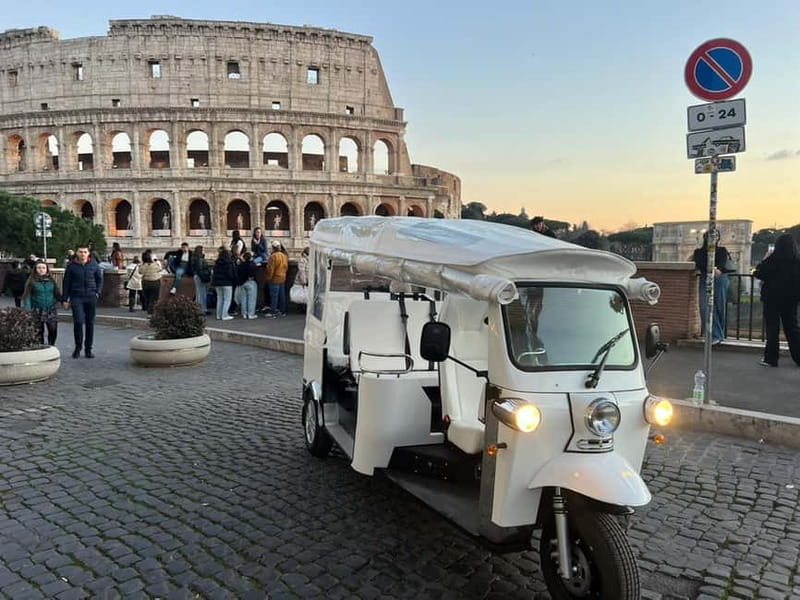
Your tour starts and ends at Largo Gaetana Agnesi, so you always know where you’re coming back to. That’s useful when you’re mixing Rome must-sees with jet-lag, because you’re not piecing together end-point logistics mid-day.
This is designed as a small group experience, limited to 4 participants. In practice, that tends to mean fewer bodies in the way when you want a photo, and more time for your guide to tailor to what you care about. Several reviews highlight guides who were punctual and professional, and who adjusted the route or pacing based on the group.
You’ll also get the “pause” rhythm built into the tour—short stops for pictures and explanations. Don’t expect long museum time at every site. Think of it as a guided “see it, understand it, move on” circuit that helps you return later (on your own) if a place grabs you.
Vatican City Highlights: St. Peter’s Basilica and St. Peter’s Square
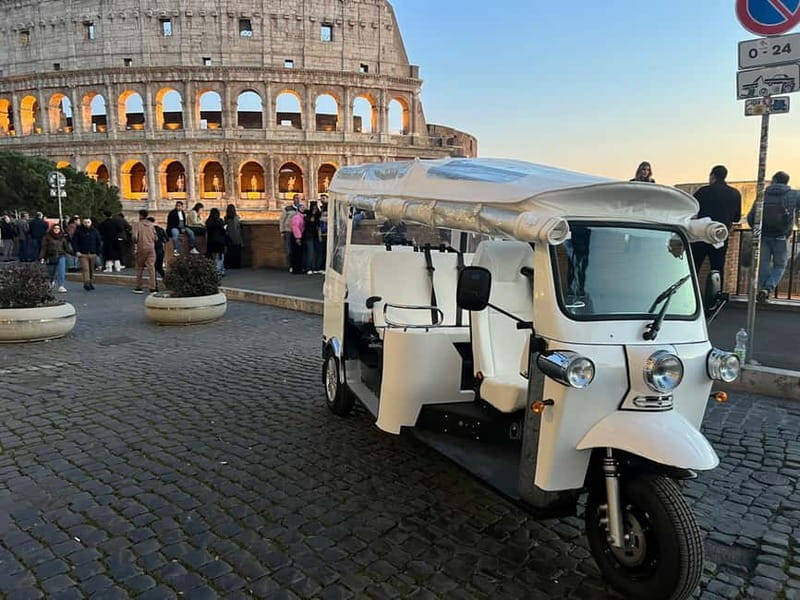
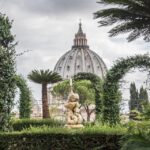
The tour’s anchor stop is the Vatican City area, with a focus on St. Peter’s Basilica and St. Peter’s Square. This is the moment when Rome’s scale and symbolism really hit. Even if you’ve read about it, seeing the square setup and the basilica’s presence from the right vantage point makes it easier to understand why this place draws devotion from all over the world.
St. Peter’s Square is also where crowds and timing can affect your photos. Guides in this tour style are praised for steering people through busy moments so you don’t just stand in the wrong spot and hope for the best. If you’re picky about photos, this kind of guidance is worth it.
For basilica views, the emphasis is on getting oriented fast: what you’re looking at, how the complex fits together, and why the design matters. You won’t leave needing a second orientation tour—this is built to get your bearings quickly so you can explore more meaningfully later.
Colosseum and Roman Forum: Views with Less Transit Friction
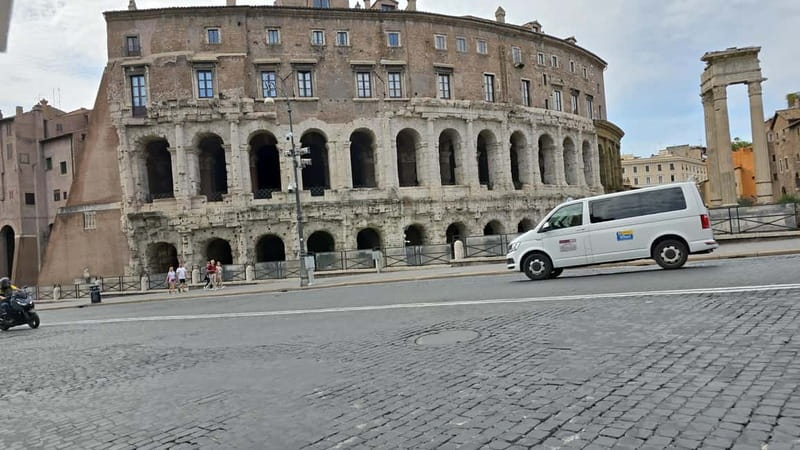
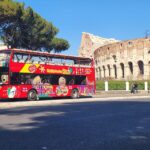
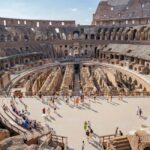
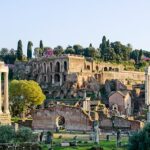
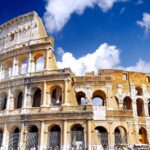
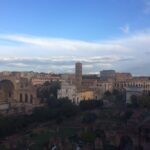
After the Vatican, the route keeps rolling through Rome’s historic center. You’ll pass major landmarks and ancient-feeling zones, with the big headline stops including the Colosseum and the Roman Forum area.
Here’s the practical advantage of a tuk-tuk: you’re not stuck with the slow crawl of a large group vehicle, and you’re more likely to reach photo-friendly positions than you would with a standard walking-only plan. Reviews also mention how the tuk-tuk can go into areas that are tough for bigger vehicles, saving time spent on parking and repositioning.
This matters most around the Colosseum and Forum. These places are huge, and Rome’s streets don’t always cooperate with “quick photo, then move.” A guide who knows where you can pause—without turning your tour into a bottleneck—makes the whole experience feel smoother.
You’ll get the story behind the ruins too, not just a list of what to see. Guides are credited for sharing enough context to make the space feel alive, including the sense of what happened there historically and why the layout matters.
Trastevere and Campo de’ Fiori: Local Streets Between Big Icons
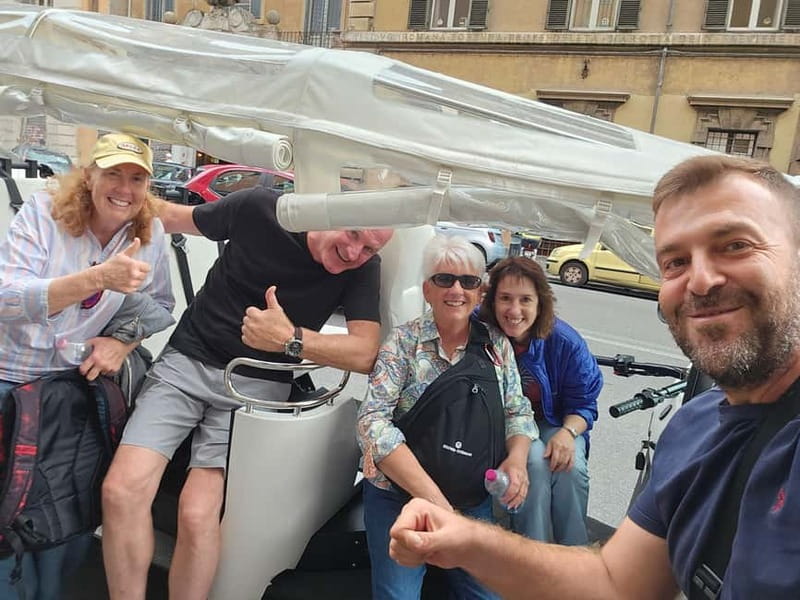
One of the most satisfying parts of this route is that it doesn’t treat Rome like a single straight line of monuments. You’ll spend time passing through areas such as Trastevere and Campo de’ Fiori, where the city feels more lived-in.
These stops help you balance the “big stone” sites with everyday Rome. Instead of feeling like you only visited postcard angles, you start to notice the texture of neighborhoods—piazzas, side streets, and the kind of street life that makes Rome feel like a city you could actually spend time in.
Guides are praised for taking people to out-of-the-way neighborhoods and giving the group a flavor of Rome beyond the obvious highlights. That’s especially helpful if it’s your first trip and you’re trying to figure out what you want to return to.
Also, the pacing works well for planning your evening. If you finish this tour still hungry for more, you’ll at least know where the character neighborhoods are, rather than bouncing blindly from one attraction to the next.
You can also read our reviews of more private tours in Rome





Pantheon and Trevi Fountain Stops That Stick
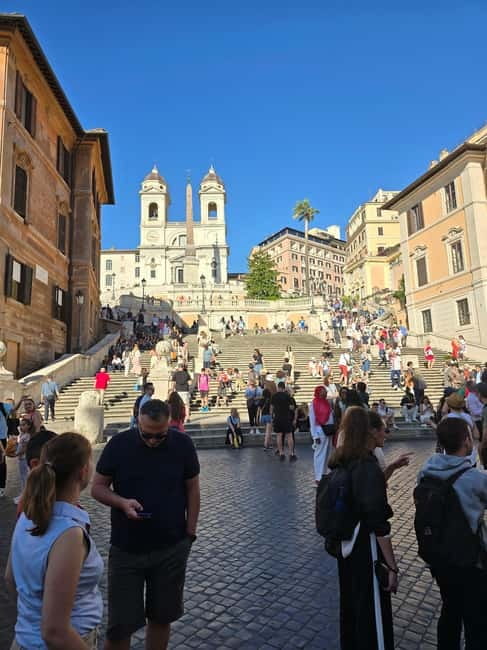
The route includes the Pantheon, an architectural marvel dating back to ancient Rome. This stop works because it’s not just a “look, it’s tall” moment. You get a quick explanation that connects what you’re seeing to why the building’s design became so famous.
Then comes Trevi Fountain, including the classic tradition of tossing a coin. Even if you’ve heard the story already, it’s a much better experience when you’re not trying to understand the surrounding streets at the same time. This tour’s photo pauses help you get in position without feeling frantic.
A good guide makes the difference here. Reviews mention guides who are flexible and patient, and who even help by taking photos for the group. That’s a small detail, but it can completely change how you remember these stops—especially if you’re traveling as a couple or a family unit without an extra person to act as photographer.
Pricing at $112.15 and When This Is Good Value
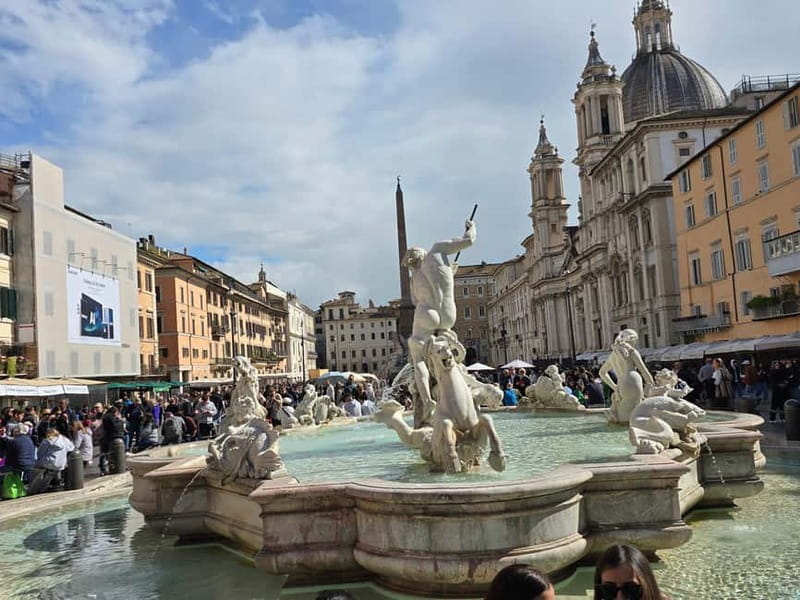
The price is listed at $112.15 per group (up to 2), and the experience is capped at 4 participants. That positioning usually means you’re paying for time efficiency and guided handling, not just transportation.
Is it good value? For many people, yes—if you want several major landmarks covered in a short window. Rome’s must-sees are spread out enough that a full day can vanish into walking, transfers, and figuring out where you can realistically stop for photos. This tour compresses that planning work into a guided route.
It can also be better than a bigger-group coach if you care about flexibility. Reviews specifically praise the tuk-tuk for being more flexible than traveling with a large coach, with easier access to certain sightseeing points and less time wasted on big vehicle logistics.
If you already plan to spend hours around Vatican museums, the Colosseum interior, and long-form stops inside historic sites, you might feel this is more “orientation and highlights.” But if your goal is to see the icons, learn the connections, and keep your day moving, this price can make sense quickly.
Should You Book This Tuk-Tuk Tour?
Book it if you want a guided Rome hits tour that’s fast enough to fit into a packed schedule, but guided enough that you don’t just get dropped at famous places with no context. It’s also a smart choice if you like the idea of a guide helping you with crowd flow and photo positioning, which is repeatedly mentioned in real experiences.
Skip it if you’re the type who wants long, ticket-based time inside major sites every stop. This tour is built for viewpoints, quick stops, and stories that set you up to explore later at your own pace.
If you book, keep your expectations practical: aim for great orientation, good photos, and a sense of the city’s big themes. Then use what you learn here to decide what you want to return to on foot.
FAQ
Where does the tour start and end?
The tour starts at Largo Gaetana Agnesi and arrives back at Largo Gaetana Agnesi.
How long is the Rome City Center Tuk-Tuk tour?
The duration is 2 hours.
What size group is this tour?
It’s a small group limited to 4 participants.
What languages are the live guides?
The live tour guide is available in English and Italian.
Is this tour suitable for wheelchair users?
No, it is not suitable for wheelchair users.
Are baby strollers allowed?
No, baby strollers are not allowed.
Are alcohol and drugs permitted?
No, alcohol and drugs are not allowed.
Is there free cancellation?
Yes. You can cancel up to 24 hours in advance for a full refund.
What’s the age suitability?
It is not suitable for children under 3 years.
How much does it cost?
The price is $112.15 per group up to 2.