REVIEW · ROME
The Marvels of Rome: A Journey through Time and Landmarks
Book on GetYourGuide →Operated by Rome - Tour · Bookable on GetYourGuide
Rome’s highlights, stitched into one easy walk. This small-route tour strings together major landmarks in central Rome in just 2 hours. I like that you get a licensed English-speaking guide who talks through what you’re seeing, and I also like how the route moves you square-to-square so you’re not stuck in one museum room. One thing to consider: it’s heavy on walking and it’s not recommended for limited mobility.
You’ll start at Piazza del Popolo, then head to Piazza di Spagna, the Trevi Fountain area, the Pantheon, and finally Piazza Navona. The atmosphere is part of the point: you’ll be surrounded by the places that define Rome’s street life, from grand staircases to big fountain plazas. Past groups have praised guides such as Celia for patience, Estefani for clear explanations with visual comparisons, and Sarah for strong language work.
In This Review
- Key Things To Look For
- Why This 2-Hour Rome Squares Route Feels Like a Smart Shortcut
- Starting at Basilica Parrocchiale Santa Maria del Popolo: The Meeting Point That Makes Sense
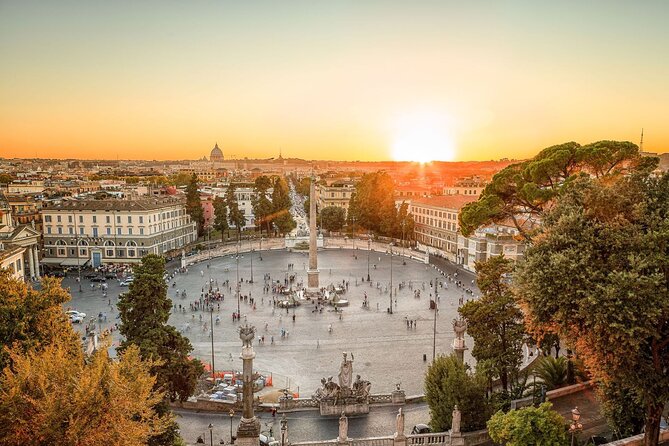
- Piazza del Popolo: A Grand Beginning with Real-World Context
- Piazza di Spagna and the Spanish Steps: Where the Crowd Energy Gets Useful
- Trevi Fountain: Baroque Spectacle and the Coin Toss Tradition
- Pantheon Stop: Ancient Roman Engineering Without the Museum Detour
- Piazza Navona: Bernini’s Fountains and the Best Kind of People-Watching
- What the Tour Actually Feels Like on the Ground
- Price and Value: Is $35 Worth It?
- How to Prep for the Best 2 Hours in Central Rome
- A Note on Guide Quality: Patience and Clear Explanations Matter
- Should You Book The Marvels of Rome Tour?
- FAQ
- How long is the tour?
- Where do I meet the guide?
- Is hotel pickup and drop-off included?
- What languages are available for the live guide?
- What should I bring?
- Are there restrictions on bags or clothing?
- Is this tour suitable for people with mobility impairments?
Key Things To Look For
- Piazza-to-piazza pacing: You cover five standout stops without long detours.
- Licensed guide in multiple languages: English, plus Spanish and French options.
- Trevi Fountain coin toss moment: You can join the tradition right in the flow of the tour.
- Pantheon included on the route: A major ancient reference point, not an optional side trip.
- End at Piazza Navona: You finish in a lively fountain-and-café zone.
Why This 2-Hour Rome Squares Route Feels Like a Smart Shortcut
If your Rome time is tight, this is the kind of tour that saves you from decision fatigue. In 2 hours, you hit the big names most first-timers come for: Piazza del Popolo, Piazza di Spagna, Trevi Fountain, the Pantheon area, and Piazza Navona. You’re also not just taking photos and moving on. A guide keeps the stops connected, so each square feels like a chapter, not a random checklist.
The other reason I’d recommend this approach is rhythm. Rome can feel chaotic when you’re mapping it yourself. This tour gives you a simple flow through the center, and it helps you get your bearings fast. And because you’re walking through recognizable landmarks, you’ll likely remember how everything lines up for the rest of your sightseeing day.
The tradeoff is that the tour prioritizes walking time over slow pacing. If you want long stops, deep museum-style explanations, or tons of off-the-beaten-path wandering, you may end up wanting more after the final fountain scene.
You can also read our reviews of more tours and experiences in Rome.



Starting at Basilica Parrocchiale Santa Maria del Popolo: The Meeting Point That Makes Sense
The meeting point is Basilica Parrocchiale Santa Maria del Popolo, right in Piazza del Popolo. Your guide waits in front of Santa Maria del Popolo holding a sign with the company name. That’s helpful because Piazza del Popolo is a big public square, and having a clear reference point reduces the first-stress factor.
From here, the tour naturally starts with orientation. Even if you’ve seen photos of Piazza del Popolo before, being on the ground helps you understand why it’s such a classic start. It’s open, recognizable, and it sets you up for what comes next: grand city space that shifts into more intimate plaza energy as the route progresses.
Practical note: wear shoes you can trust. This kind of route doesn’t work with sandals that fail after 30 minutes.
Piazza del Popolo: A Grand Beginning with Real-World Context
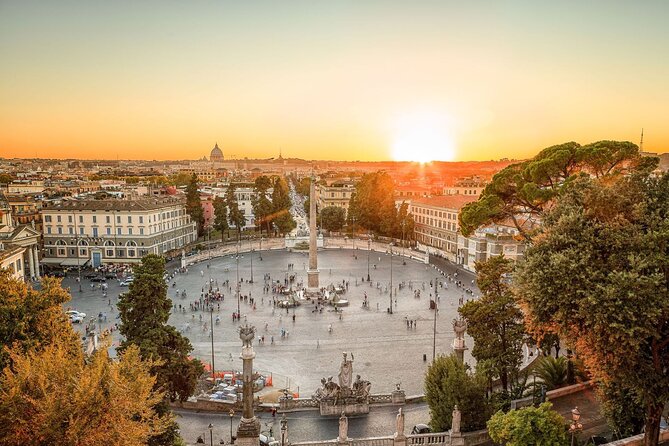
Piazza del Popolo is your first guided walk segment, with a stop-and-sightseeing style that lasts about 20 minutes. The key value here is the framing. A guide helps you read the square as more than scenery, so later stops don’t feel like separate worlds.
This is also where you’ll likely notice how Rome’s squares work like social hubs. You’ll see people flowing through, and you’ll start to understand why these places have stayed central for so long. The “past to present” feel is exactly what makes a short guided route effective: you’re learning how to look.
Possible drawback: since it’s a popular location, you may find it busy. That’s not a problem unique to this tour, but it can affect how long you can linger at certain angles for photos.
Piazza di Spagna and the Spanish Steps: Where the Crowd Energy Gets Useful
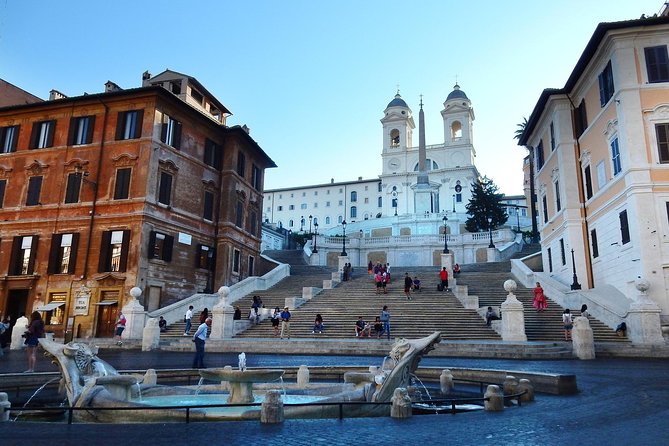
Next up: Piazza di Spagna and the Spanish Steps, another 20-minute guided sightseeing walk. If you’ve ever looked at Rome maps, you’ll know this area is the kind of place that looks straightforward until you’re standing in it. The steps are famous for a reason, but they also act like a stage for the neighborhood’s daily motion.
What makes this stop work on a guided loop is that you’re not just getting a view. You’re getting the story behind what you see right now: why this square and its famous steps matter in the bigger layout of Rome’s sightseeing zones. This helps you avoid the common first-day mistake of treating each stop like an isolated postcard.
Here’s a practical tip: the steps area can be crowded. If your goal is photos without turning your day into a queue, it helps to go in with flexible timing and accept that you’re sharing the space with everyone else who loves Rome.
Trevi Fountain: Baroque Spectacle and the Coin Toss Tradition
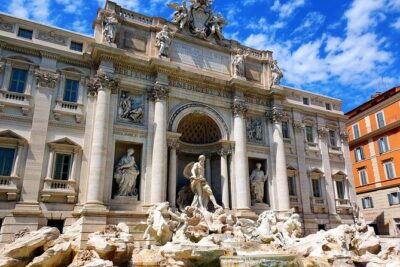
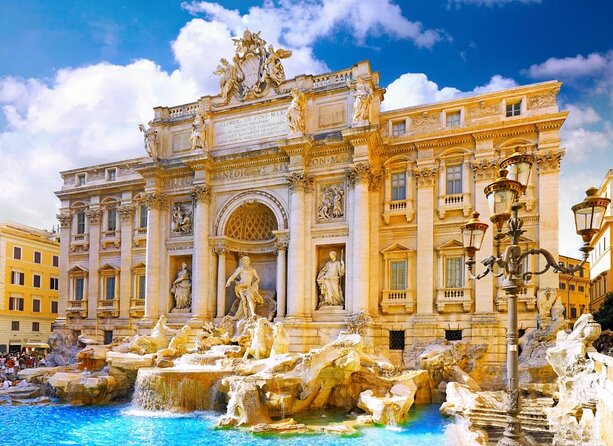
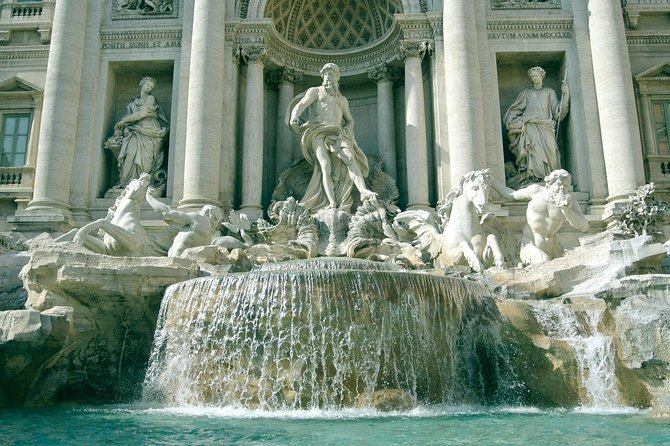
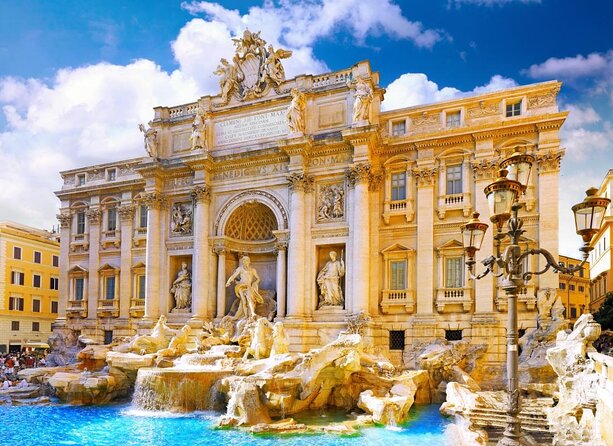
Then you reach the Trevi Fountain area for about 30 minutes. The big selling point is the combination of visual impact and a simple, centuries-old ritual: you can toss a coin into the fountain as part of the tradition.
The baroque design element matters here because it changes how you experience the space. Trevi isn’t just a location you pass by. It’s a focal point that draws people closer, slows their pace, and basically forces you to stand in a single spot long enough to really notice details. That’s exactly what you want on a short tour. It gives you a satisfying “main event” moment without requiring extra ticketing or complicated planning.
One consideration: because everyone wants the same view, the best time for a clear shot can be tight. If you care about photos, go into it knowing you may need to rotate your angle and accept a few seconds of patience.
If you want to join the coin toss, have a coin ready. You won’t want to be scrambling while everyone around you is already participating.






Pantheon Stop: Ancient Roman Engineering Without the Museum Detour
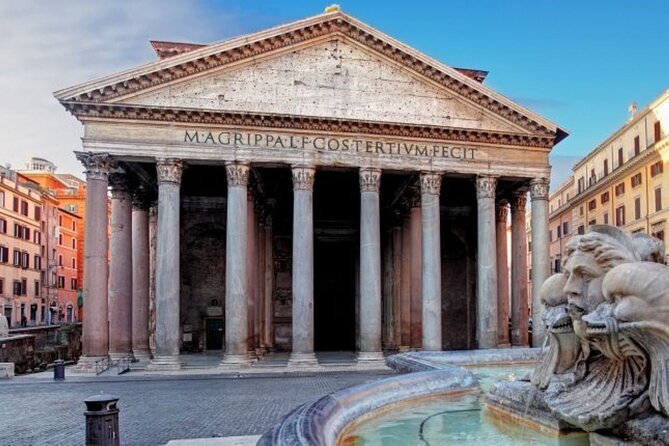
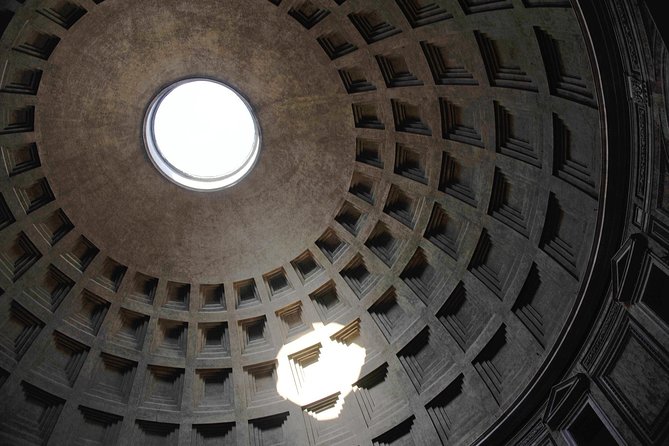
The tour then moves to the Pantheon, with another 20-minute guided stop. The way this fits the itinerary is smart. After Trevi and the lively energy of fountains and plazas, the Pantheon shift gives your eyes a different kind of attention: architecture you can read as engineering and design.
A good guide helps here by pointing out what makes the building feel like a landmark across time. You get the sense that this isn’t just a pretty facade—it’s a major reference point for Rome’s architectural legacy. Even if you don’t know the details, a short guided explanation can turn a quick look into something more memorable.
Possible drawback: because the tour includes many major stops in a limited window, Pantheon time is still short. If you love architecture and want a deeper breakdown, plan something extra on your own after the tour.
Piazza Navona: Bernini’s Fountains and the Best Kind of People-Watching
Your walk finishes at Piazza Navona, again about 20 minutes. This is a great landing spot for a 2-hour tour because the space naturally invites lingering. The highlight here is Bernini’s magnificent fountains, surrounded by cafés and lively street performers.
Even if you’re not focused on performance, Piazza Navona is one of those places where the environment is the attraction. The fountains create a strong center line, and the surrounding energy gives you an easy place to keep exploring after the guide wraps up.
If you want to extend your day, Piazza Navona is also a practical place to pause and regroup. You’ll feel like you completed a mini-circle of Rome’s essentials, and then you can branch out.
What the Tour Actually Feels Like on the Ground

This experience is built on one thing: movement through famous squares. You’ll start at the church by Piazza del Popolo and then keep walking through the center. The route is short enough to avoid “stand around and wait” syndrome, but it’s long enough to feel like you actually covered ground.
A couple of rules matter for comfort and access:
- Bring comfortable shoes and water.
- Avoid luggage or large bags.
- Wear more than a sleeveless shirt, since it’s not allowed.
Also, if you’re booking with limited mobility in mind, treat that as a serious factor. The tour is not recommended for people with limited mobility and not suitable for people with mobility impairments. That’s important, and it’s not the kind of issue a guide can solve during a fixed walking route.
Price and Value: Is $35 Worth It?
At $35 per person for a 2-hour guided loop, the value comes from two parts: the guide time and the efficiency of hitting multiple headline sights in one connected route.
If you were to plan it yourself, you might still visit these spots, but you’d lose the benefits of guided sequencing—how to connect what you’re seeing across squares, and how to understand why each stop matters in the city’s bigger layout. You’d also burn extra time figuring out directions and sorting out where to linger.
The “licensed English-speaking guide” inclusion is the other value piece. A lot of Rome sightseeing content online is written for readers, not for standing in a specific plaza with noise, crowds, and distractions. Here, the guide helps you filter what matters in the moment.
Is it the best value if you want deep, academic-level explanations? You might want more time per stop. But for a first-time orientation through central Rome, it’s a strong deal.
How to Prep for the Best 2 Hours in Central Rome
Here’s how I’d set you up for a smoother experience.
Start with footwear. Rome stone doesn’t care about your optimism. Comfortable shoes are non-negotiable on a stop-and-walk route.
Bring a small bottle of water and take sips when you can. The itinerary includes several outdoor squares, and you don’t want to power through feeling dehydrated.
If you’re sensitive to crowds, keep your photo expectations realistic. At Trevi and Spanish Steps especially, you’ll be sharing the space. The fix isn’t avoiding the places. The fix is having a plan for quick angles and patient positioning.
Dress for the rules. Sleeveless shirts are not allowed, and large bags aren’t either. Pack light so you don’t spend time managing your belongings.
Finally, choose the right mindset. This tour is designed to help you see a lot without feeling lost. It’s less about slow roaming and more about gaining a clear sense of Rome’s central landmarks quickly.
A Note on Guide Quality: Patience and Clear Explanations Matter
One of the most praised aspects of this tour is the teaching style. In past outings, guides like Celia have been called out for being kind, considerate, and patient. Estefani earned praise for clear direction and for using a book with before-and-after visuals, which can make Rome’s changes easier to understand in real time. Sarah has been praised for excellent language delivery, including French.
That matters because the tour is short. When explanations are clear, you leave feeling you actually understood what you saw, not just that you stood in front of it.
To be fair, not every experience hits the same level of detail for every person. Some folks may want more historical depth than the typical 2-hour format provides. If you’re the kind of traveler who loves minutiae, you might treat this as your orientation and then add a longer, focused sightseeing plan later.
Should You Book The Marvels of Rome Tour?
Book it if:
- You want a 2-hour guided route that covers major central landmarks.
- You like learning as you walk, with a guide connecting the dots between squares.
- You’d rather pay for clear sequencing than spend time mapping it alone.
- You want an end point in Piazza Navona where you can keep exploring easily.
Skip it if:
- You need a low-walking pace or mobility-friendly route.
- You want long stops, museum-level time at each site, or deep, highly detailed lectures for every stop.
My honest take: for most first visits, this tour is a smart way to get Rome’s “greatest hits” into one smooth block of time, with a guide to help you notice more than you would on your own.
FAQ
How long is the tour?
The duration is 2 hours.
Where do I meet the guide?
Meet in Piazza del Popolo, in front of the church Santa Maria del Popolo. The guide will be holding a sign with the company name.
Is hotel pickup and drop-off included?
No. Hotel pickup and drop-off are not included.
What languages are available for the live guide?
The live guide is available in Spanish, French, and English.
What should I bring?
Bring comfortable shoes and water.
Are there restrictions on bags or clothing?
Yes. Luggage or large bags are not allowed, and sleeveless shirts are not allowed.
Is this tour suitable for people with mobility impairments?
No. It is not suitable for people with mobility impairments, and it is not recommended for people with limited mobility.