REVIEW · ROME
Rome: Capitoline Museums Private Guided Tour
Book on GetYourGuide →Operated by Tour in the City - Travel Agency Rome - · Bookable on GetYourGuide
Capitoline Museums are Rome’s original crowd-stopper. In just 2.5 hours, you get a guided hit of Roman sculpture plus the Pinacoteca Capitolina paintings, all in one smooth route. I love how the tour pairs big-name masterpieces with the smaller details that make the museum click.
Two things I really like: the Spinario and Capitoline Wolf on the first floors, and the real-world magic of seeing the Marcus Aurelius statue with Forum views from the underground path. I also appreciate the human touch—guides like Martin are praised for being passionate and making the tour feel welcoming, even stepping in with a water break if someone feels light-headed.
One possible drawback: it’s a focused walk through multiple levels, so if you want a super slow, linger-all-day pace, you might feel a bit rushed in only 2.5 hours. Comfortable shoes matter here.
In This Review
- Key Highlights to Look For
- Why the Capitoline Museums Feel Like Rome’s Original Museum
- Meeting at the Capitoline Museums: Where the Tour Starts
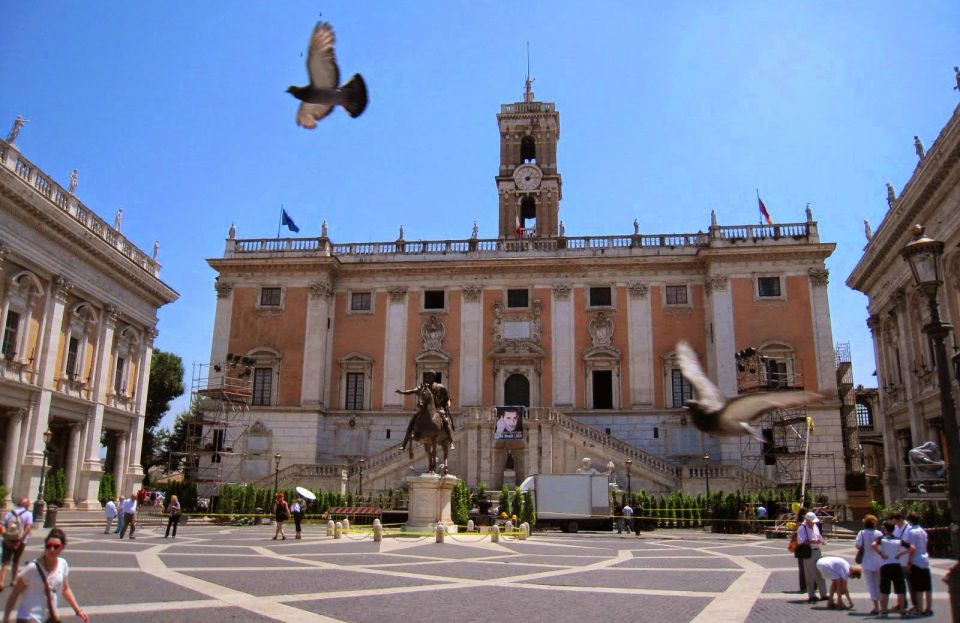
- Palace of the Conservatives Courtyard: The Big Roman Opening Scene
- First Floor Sculpture Stars: Brutus, Spinario, and the Capitoline Wolf
- Castellani Vases: The 700-Object Lesson in Taste
- Pinacoteca Capitolina: Paintings You Can Actually Talk About
- Ground Floor Exedra: Marcus Aurelius and the Temple Ruins Look Up
- The Tabularium Underground Tunnel: How Forum Views Work So Well
- New Palace Highlights: Marforio, Dying Gaul, and Cupid & Psyche
- What the 2.5-Hour Schedule Feels Like
- How Much Does It Cost, and Is It Good Value?
- Practical Tips: Make the Tour Easier on Yourself
- Who This Tour Suits Best
- Should You Book This Capitoline Museums Private Tour?
- FAQ
- How long is the Capitoline Museums private guided tour?
- Where do we meet the guide?
- Does the tour include skip-the-line access and museum entry?
- What languages are offered for the guide?
- Is hotel pickup included?
- How many people are in a private group booking?
Key Highlights to Look For
- Skip-the-line access plus an art-historian guide so you spend time looking, not queueing
- A route through both historic museum seats (Palace of the Conservatives and New Palace)
- Pinacoteca Capitolina works by Caravaggio, Titian, Tintoretto, Rubens, and more
- Roman sculpture “classics” in context like Capitoline Brutus, Spinario, and the Capitoline Wolf
- Marcus Aurelius + Tabularium tunnel views of the Roman Forum
- Underground to above-ground payoff with Forum scenery built into the visit
Why the Capitoline Museums Feel Like Rome’s Original Museum
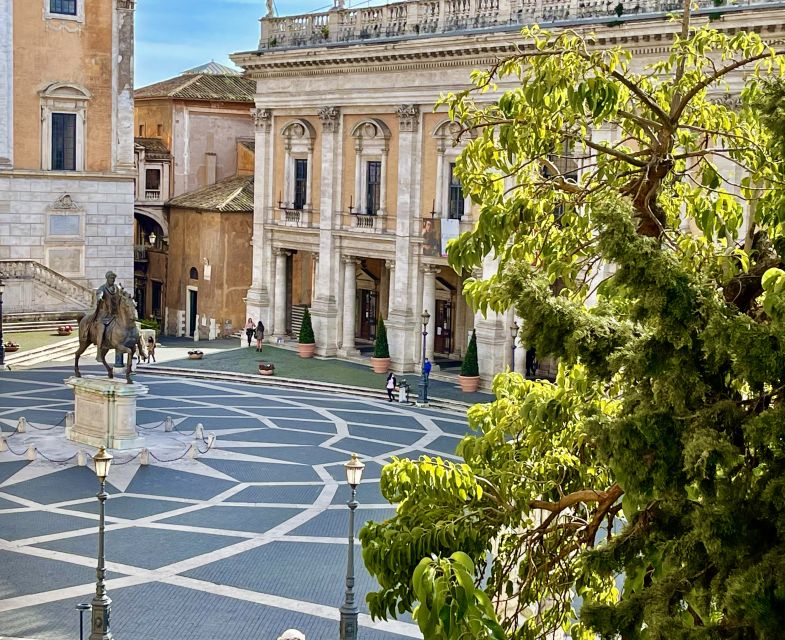
Rome has a lot of museums. The Capitoline Museums are different because they feel like the city thinking out loud. This is the oldest museum in the world, so you’re not just looking at objects. You’re seeing how Romans—over centuries—chose to display themselves.
On a private tour, that matters. You’re not wandering around trying to decide what’s important. Your guide helps you connect the dots fast: sculpture to politics, painting to patronage, ruins to the buildings that still hold them. And because the tour is built around key rooms and major statues, you get a clear story without needing a crash course in art history before breakfast.
You can also read our reviews of more guided tours in Rome



Meeting at the Capitoline Museums: Where the Tour Starts
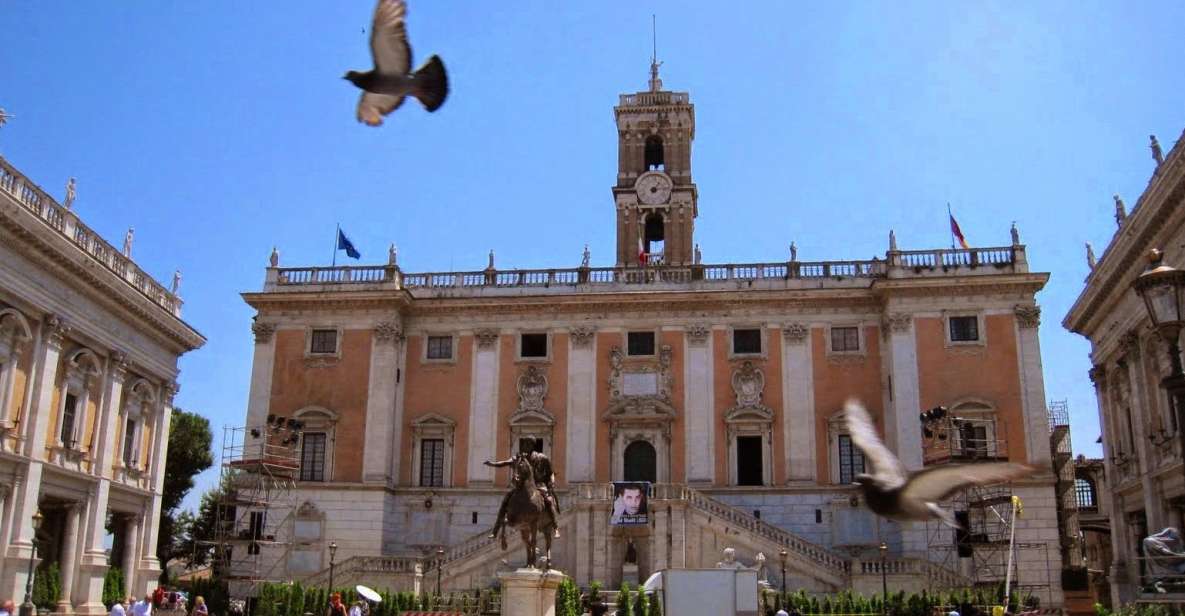
The tour begins at the Capitoline Museums entrance, where your guide waits with a sign showing your name. That sounds simple, but it’s worth taking seriously—Rome signage can be easy to miss, especially in rain.
Plan to arrive a little early. You want a clean start while you’re fresh and before the group forms. The tour runs about 2.5 hours, so the timing is tight enough that getting oriented quickly pays off.
Good to know:
- Dress code is smart casual
- Bring a passport or ID
- Wear comfortable shoes (you’ll be on your feet for museum stairs and transitions)
Palace of the Conservatives Courtyard: The Big Roman Opening Scene
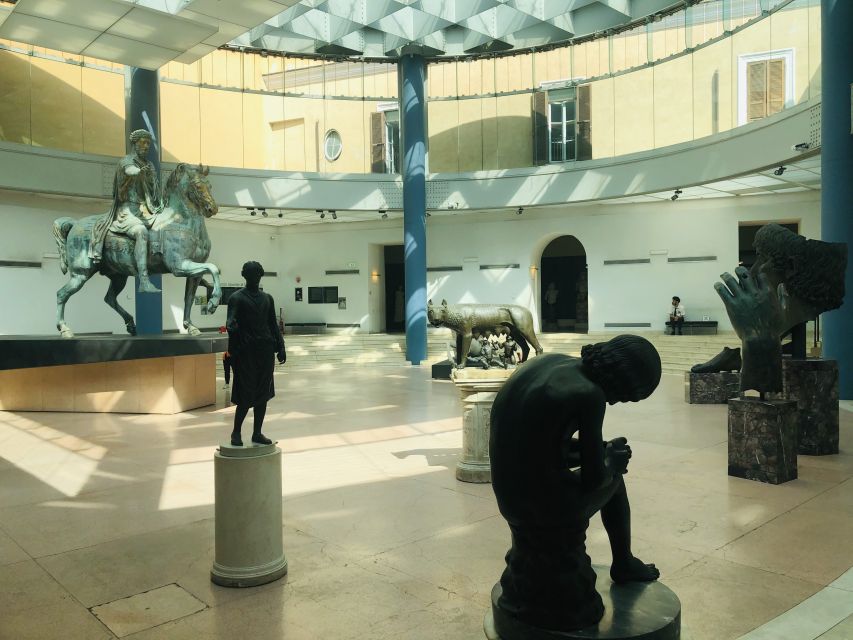
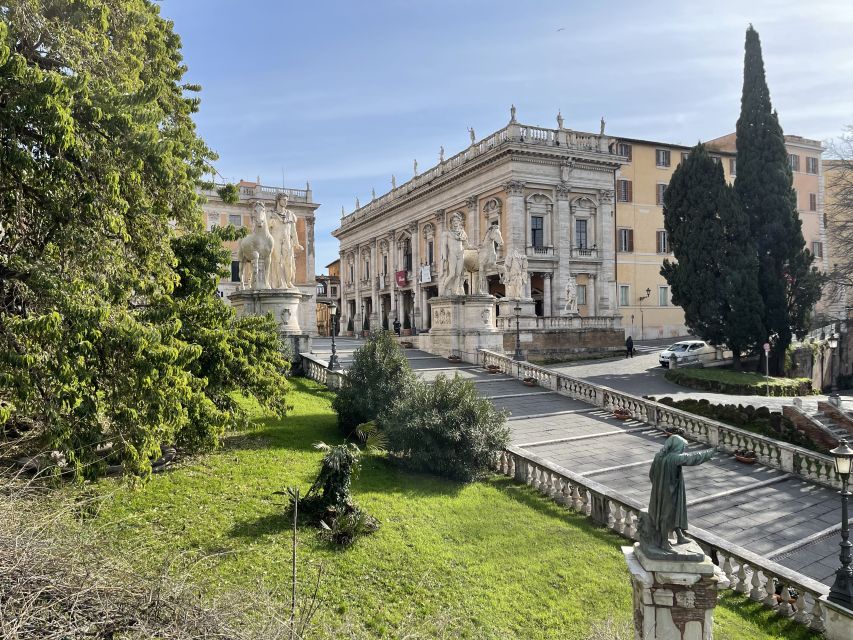
Your first stop lands in the courtyard of the Palace of the Conservatives, one of the museum’s historic seats. This courtyard sets the tone: you’re not only in rooms of art—you’re in a place shaped by Roman power.
One standout you’ll see here is the remains of a colossal acrolith representing Constantine. It’s the kind of object that makes you rethink scale. When your guide points out what you’re looking at, it stops being a “chunk of something” and becomes a clue to how emperors wanted to look immortal.
Then the tour moves level by level, and that’s where private guidance really shines. Instead of sprinting from one artifact to another, you understand why these pieces belong next to each other.
First Floor Sculpture Stars: Brutus, Spinario, and the Capitoline Wolf
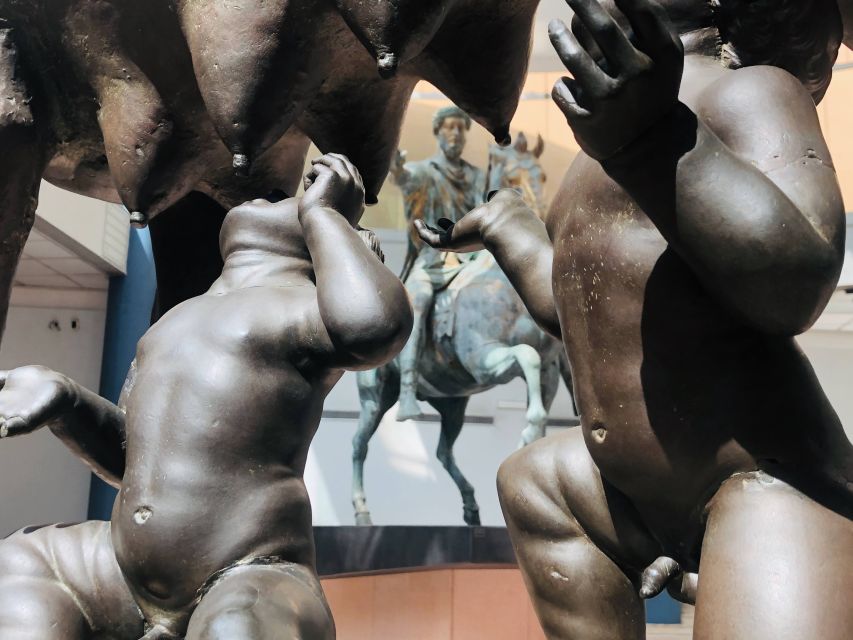
The first floor is where the tour earns its hype. You’ll see a chain of Roman and Greco-Roman masterpieces that almost everyone knows—yet almost nobody understands well without context.
Here are the specific works the tour includes:
- Capitoline Brutus bust: tied to Roman ideas of virtue and political identity
- Spinario: the Greco-Roman Hellenistic bronze of a boy withdrawing a thorn from his foot
- Capitoline Wolf: the emblematic she-wolf nursing Romulus and Remus
- The Castellani collection: about 700 Greek and Etruscan vases
What I like about this lineup is how it balances “myth” with “daily realism.” The Spinario feels physical—muscles, posture, and the quiet focus of pain. Then you shift to myth through the Capitoline Wolf, where the animal becomes a city symbol. And with the Castellani vases, you get variety fast: small objects that reveal patterns of trade, taste, and style across Greek and Etruscan worlds.
Castellani Vases: The 700-Object Lesson in Taste
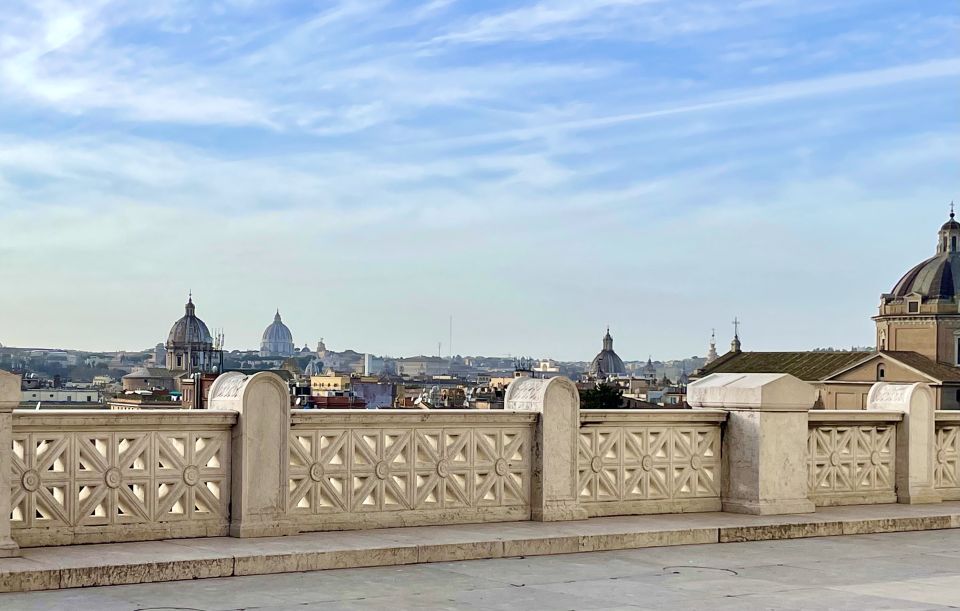
The tour doesn’t just toss in the Castellani collection as a footnote. It’s described as roughly 700 Greek and Etruscan vases, and that quantity matters. It signals that this isn’t one trophy piece—it’s a collection built around collecting itself.
If you’ve ever wondered why museums feel like time machines, this is your answer. A vase isn’t only art. It’s a snapshot of technique and decoration. It’s also evidence that people cared enough to gather and preserve these styles across eras.
You don’t have to study every vase. You just need to notice that the collection gives you range, not a single “Roman look.”
You can also read our reviews of more private tours in Rome






Pinacoteca Capitolina: Paintings You Can Actually Talk About
Next comes the Pinacoteca Capitolina, described as the oldest public collection of paintings. That’s a big claim, and the tour makes it meaningful by pointing you to specific artists and periods.
You’ll see works by:
- Caravaggio
- Guido Reni
- Carracci
- Guercino
- Domenichino
- Veronese
- Titian
- Tintoretto
- Rubens
- Pietro da Cortona
In a normal museum visit, you can get lost chasing names. With a private guide, you learn what to look for: how lighting and emotion work in Caravaggio, how color and composition show up across the Venetian and Baroque traditions, and how later artists fit into the museum’s Roman setting.
The tour also includes frescoes and statues from Renaissance and Baroque Rome. That combination is smart because it stops the day from becoming “only marble and bronze.”
Ground Floor Exedra: Marcus Aurelius and the Temple Ruins Look Up
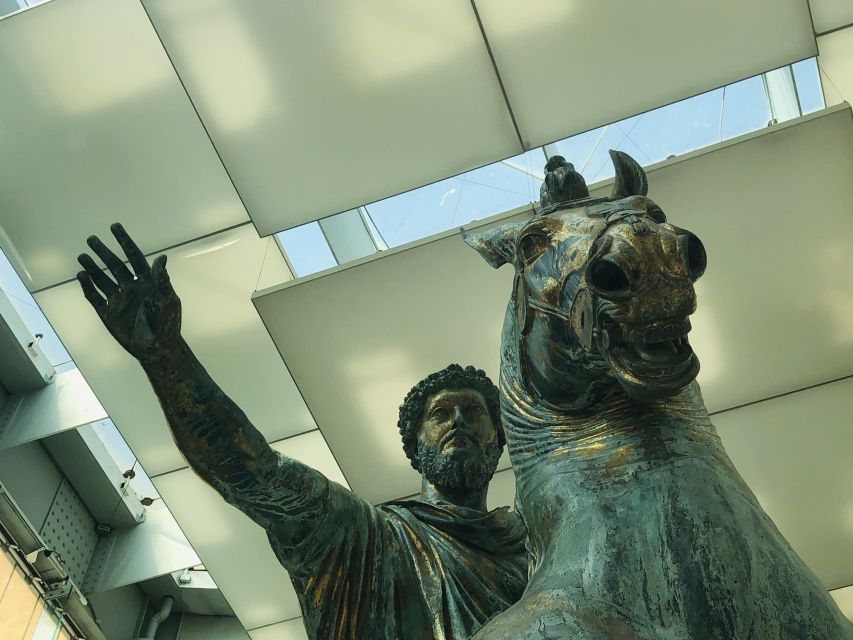
Then the tour shifts down to the ground floor, to an exedra featuring the equestrian statue of Marcus Aurelius. This is one of those artworks where your brain clicks into place quickly. When it’s set in the right architectural space, the statue stops being a historical image and becomes a presence.
You’ll also appreciate ruins of ancient temples still visible in the structure of the building. That’s a gift Rome gives you: the city doesn’t separate past and present neatly. The museum layout helps you see the overlap.
If you’ve ever wanted a museum visit that feels like walking through an archaeological idea, this is it. You see how art and stone share the same physical stage.
The Tabularium Underground Tunnel: How Forum Views Work So Well

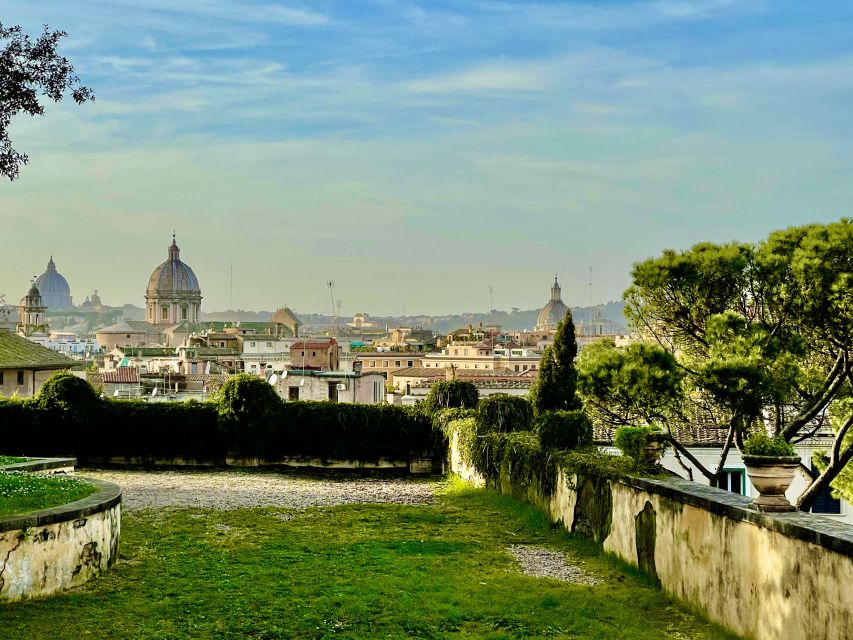
Here’s one of the most interesting “how did they design that?” parts of the tour. Your guide leads you through an underground tunnel that crosses the Tabularium, and along the way you get magnificent views of the Roman Forum.
This isn’t just scenery for Instagram. It’s practical for your understanding. Seeing the Forum from the right vantage point helps you picture how ancient Rome operated—streets, public spaces, and the buildings that shaped daily life.
Also, it’s a break in the pace. After stairs and museum rooms, the tunnel feels like a transition—like the tour is moving you from studying Rome to feeling the layout of Rome.
New Palace Highlights: Marforio, Dying Gaul, and Cupid & Psyche
Once you reach the museum’s second historic seat, the New Palace, you’ll find more ancient Roman artifacts in a new setting.
The tour includes:
- Statues and inscriptions
- Sarcophagi
- Busts
- Mosaics
- Marforio
- The Dying Gaul
- Cupid and Psyche
The Dying Gaul is especially powerful. Even if you don’t know every background detail, the sculpture tells a story about suffering, dignity, and drama. The guide’s job is to slow you down enough to read the emotion correctly.
Then you switch to Cupid and Psyche, and suddenly the mood changes. You’re not only in conquest and tragedy. You’re in myth and desire, shown with another style of carving and expression. That contrast is a big reason private tours work so well—your guide helps you see the museum as a conversation, not a checklist.
What the 2.5-Hour Schedule Feels Like
The tour runs about 2.5 hours and includes roughly 2 hours of guided museum time, plus a short scenic bit on the way to the Forum views.
For many people, that’s the sweet spot. You get a structured overview of the museum’s big names and key sections, without losing the plot. It’s also long enough for your guide to explain relationships between objects—why this statue matters next to that painting, and why the museum layout shapes how you understand it.
The group is described as a private group, with a maximum of 20 persons per booking. That keeps it from feeling like a full-on bus-tour stampede, though it still means you’ll want to stay close to your guide if you don’t want to miss explanations.
How Much Does It Cost, and Is It Good Value?
The price is $201.65 per person for this private guided visit. That’s not cheap, but it’s also not just you paying for access to rooms. You’re paying for:
- Capitoline Museums entry ticket
- Skip-the-line access
- A professional art historian guide
- A route that hits major sculpture and painting, plus Forum views
In Rome, skip-the-line can be worth money on its own if you hate waiting in sun or rain. Then add the guide time. A museum ticket gets you in. The guide helps you get meaning out.
This tour tends to be best value when you’re a small group who really cares about art and Roman history, or a couple who wants a smarter visit without spending days planning. If you’re traveling with a group that prefers self-guided wandering, you might get similar satisfaction with fewer structured stops—though you’d lose the “why this matters” explanations.
Practical Tips: Make the Tour Easier on Yourself
A few small choices can make this day smoother:
- Bring ID (passport or card).
- Wear comfortable shoes—smart casual is the dress code, but your feet still have to do the work.
- Keep your day plan flexible. You’ll be moving between floors and through an underground route.
- If it’s raining, find the guide at the entrance sign quickly. It helps to know exactly where you’re meeting.
One more point from the tour’s guide style: people appreciate when guides are sensitive to how you feel during long museum stretches. A guide named Martin has been praised for being passionate and for taking practical care—like stopping for water if someone starts feeling light-headed—then continuing with extra time.
Who This Tour Suits Best
I’d point this tour toward you if:
- You want a guided “greatest hits” version that still includes useful context
- You’re interested in Roman sculpture plus painting
- You’d rather spend your time learning than hunting
- You like the museum to connect to the Roman Forum in a single outing
It’s also a solid choice if you’re visiting Rome for a limited number of days. The Capitoline Museums hit a lot of major anchors of the city’s visual identity, and the Forum views tie it together.
Should You Book This Capitoline Museums Private Tour?
If you like art that tells stories—myth, politics, tragedy, and everyday craftsmanship—this private tour is a strong yes. The combination of skip-the-line entry, a professional art historian guide, two historic museum seats, and built-in Forum views in just 2.5 hours makes it a time-efficient way to get real value.
I’d skip it only if you’re the type who wants to wander at your own pace with minimal structure, or if your priority is seeing smaller, more obscure corners instead of the museum’s major masterpieces.
If you want Rome without the guessing game, book this one.
FAQ
How long is the Capitoline Museums private guided tour?
The tour lasts about 2.5 hours, with guided museum time included.
Where do we meet the guide?
Meet at the Capitoline Museums entrance. Your guide will wait for you with a sign showing your name.
Does the tour include skip-the-line access and museum entry?
Yes. The tour includes Capitoline Museums entry ticket and skip-the-line access.
What languages are offered for the guide?
The live guide is available in English and Italian.
Is hotel pickup included?
No. Hotel pickup and drop-off are not included.
How many people are in a private group booking?
This is a private group with a maximum of 20 persons per booking, and at least 1 person is required.