REVIEW · ROME
Rome: City Highlights Small Group Walking Tour by Night
Book on GetYourGuide →Operated by Hili srl · Bookable on GetYourGuide
Rome feels calmer after sunset. This 2-hour night walk strings together Rome’s top landmarks with a local, so you get the glow without the worst crowd crush. I like that it’s a small group capped at 10, which keeps questions possible instead of letting the tour steamroll past.
My other favorite part is the guide angle: you’re with a licensed, English-speaking local who connects the street scenes to what they mean. The main drawback to keep in mind is that night lighting looks great, but your guide’s English accent (like Ruggero’s praise in some reviews) may be harder to catch for some ears, so choose this only if you’re comfortable listening on the go.
In This Review
- Key highlights worth targeting
- Why Rome looks better when the lights turn on
- Piazza di Spagna as your launch point
- Spanish Steps at night: a photo stop with real context
- Trevi Fountain after dark: when it’s still iconic but more breathable
- Roman Forum viewpoints: seeing the ruins through the right lens
- Piazza Venezia and Palazzo Venezia: an important step between stops
- The walk to the Colosseum: final stretch, big payoff
- Price and value: what $105 buys you
- What the guide adds (and the one listening risk)
- Who should book this night walk
- Should you book Rome: City Highlights Small Group Walking Tour by Night?
- FAQ
- How long is the Rome city highlights night walking tour?
- Where does the tour start?
- How many people are in the group?
- Is there a Colosseum entrance included?
- What landmarks are included on the route?
- What’s included in the price?
- What language is the tour guide?
- Is the tour physically demanding?
- Is free cancellation available?
Key highlights worth targeting
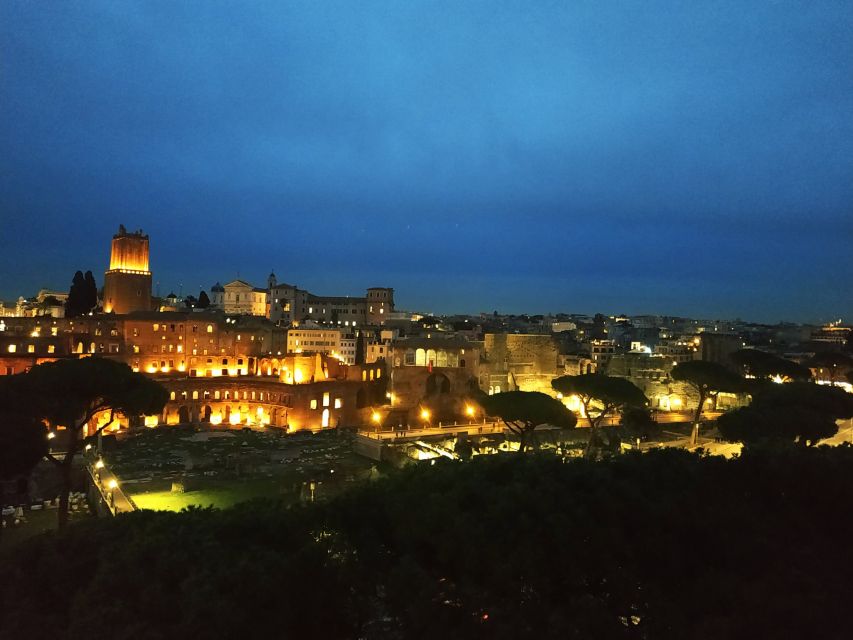
- Night views over daytime chaos: major monuments under lights, when Rome feels less packed
- Spanish Steps + Trevi Fountain photo time: short stops built for pictures and orientation
- A licensed guide for the story: you’ll connect the landmarks as you walk
- Roman Forum viewpoints on the route: good “where am I?” moments without a long day tour
- Colosseum exterior only: you see the scale up close, but no entrance included
- Small group rhythm: limited to 10 people for a more personal pace
Why Rome looks better when the lights turn on
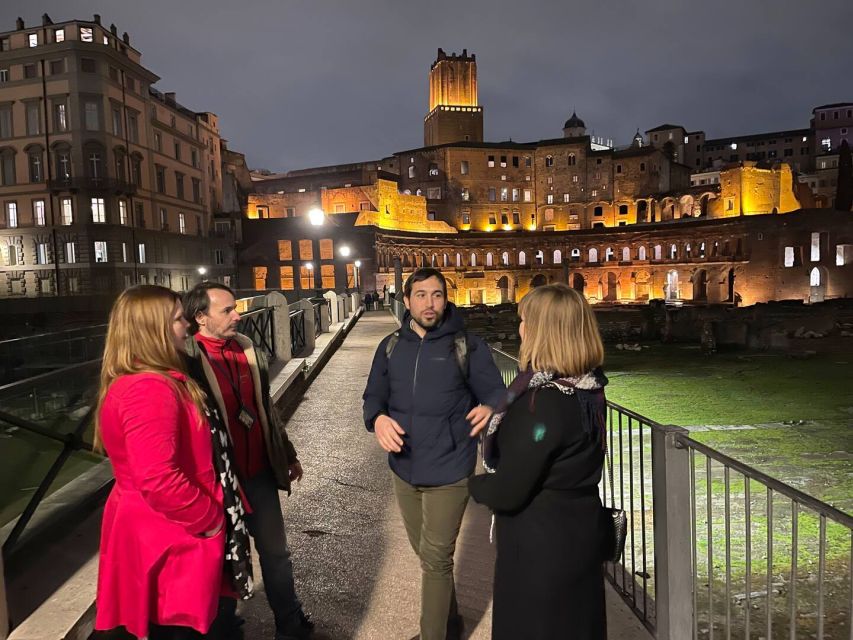
Rome after dark has a different tempo. The monuments don’t shrink, but the streets feel less like a highway of tour groups and more like a place you could actually wander on your own.
This tour is designed for that feeling. You’re moving through key zones at the hour when temperatures usually cool down, and the sights glow against the night sky. That combo matters because it turns famous landmarks into moments you can actually look at, not just point at.
You’re also not racing. At 2 hours total, the pace stays in the “walk and see” range—light physical activity, not a hike—so you can enjoy the architecture without needing to recover for the rest of the evening.
You can also read our reviews of more walking tours in Rome
Piazza di Spagna as your launch point
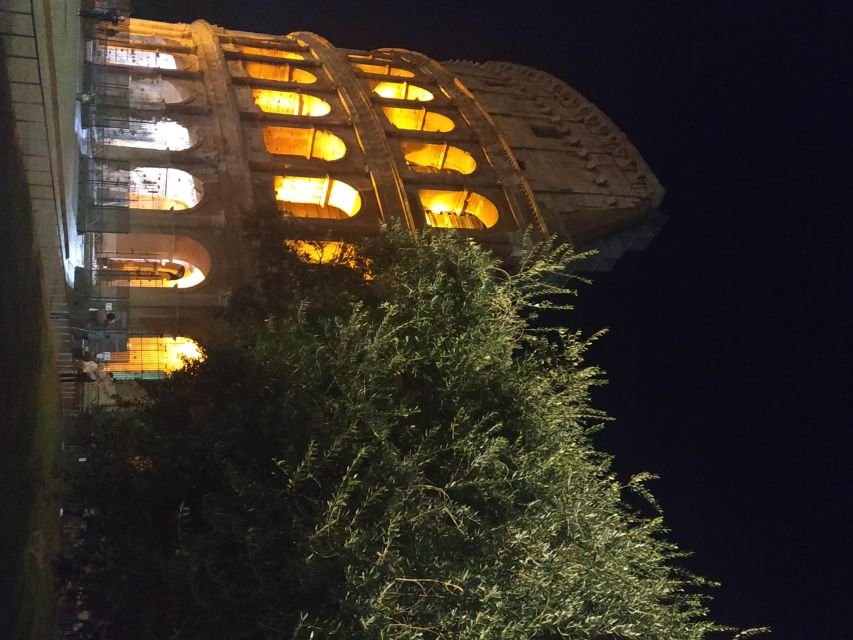
The meeting point is Piazza di Spagna, 12, right by the entrance to the Versace boutique, near the palm. I like meeting in a landmark-heavy square like this because you can orient fast. Even if you arrive a little early, you’re already in the heart of the area the tour will build around.
From there, you head into the story of the neighborhood. This part is more than just getting you from A to B. The guide uses the early minutes to set context—what you’re about to see and how those places fit into the bigger Rome picture.
Also, starting here helps because it’s walkable to the next stops without turning the tour into a bus ride. You get street-level Rome: steps, curving lanes, and the little angles that make photos look good even when the sky is dark.
Spanish Steps at night: a photo stop with real context
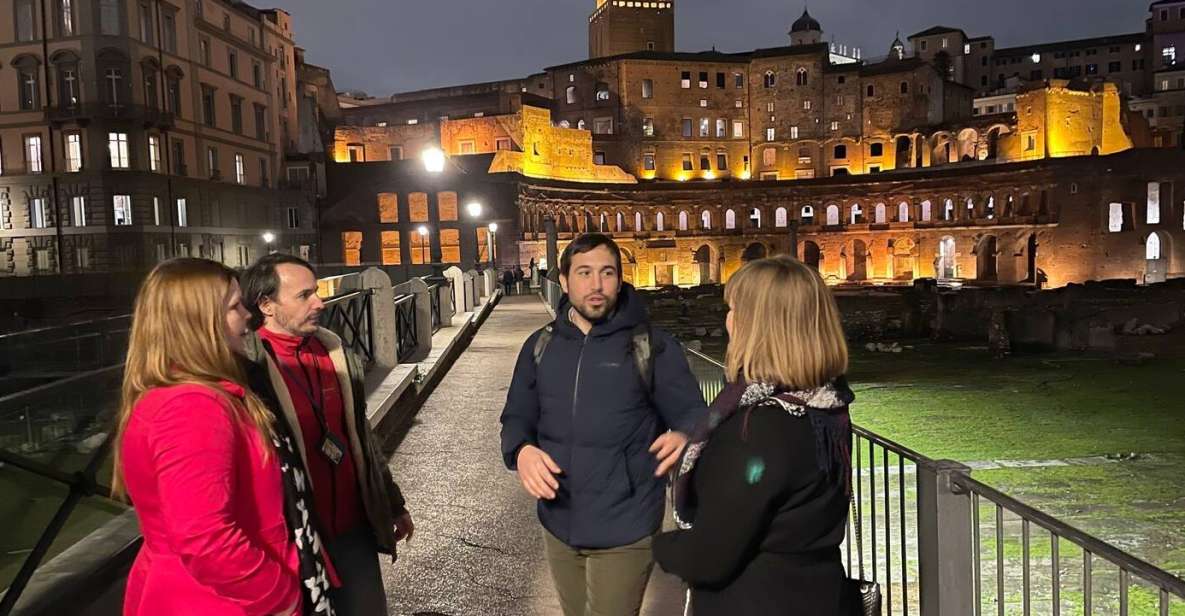
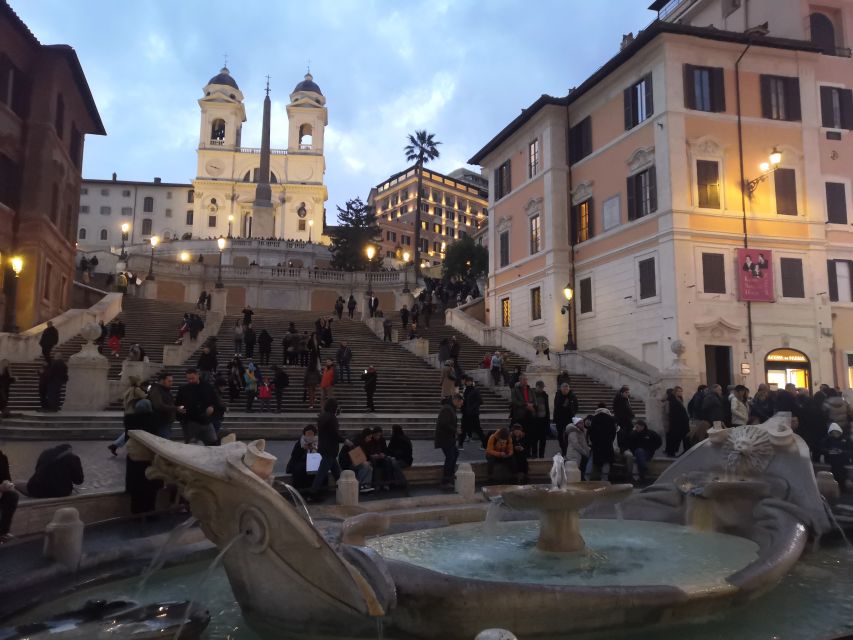
Your first real stop is Piazza di Spagna, with about 30 minutes for a photo stop, visit, and guided tour. The Spanish Steps are famous in daylight, but at night you notice different things: the shapes of the steps, the way the lights outline the terraces, and how the square feels less crowded.
Here’s the useful part: you’re not just staring. Your guide walks you through what you’re looking at and gives you the quick story that makes the place click. That turns a “check the box” stop into something you can explain later.
Practical tip: this is a great moment to take your wide shots early. Lighting on the steps looks dramatic, and if you wait too long you may feel rushed when the group starts moving again.
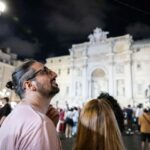
Trevi Fountain after dark: when it’s still iconic but more breathable
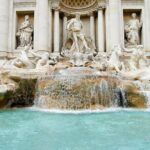
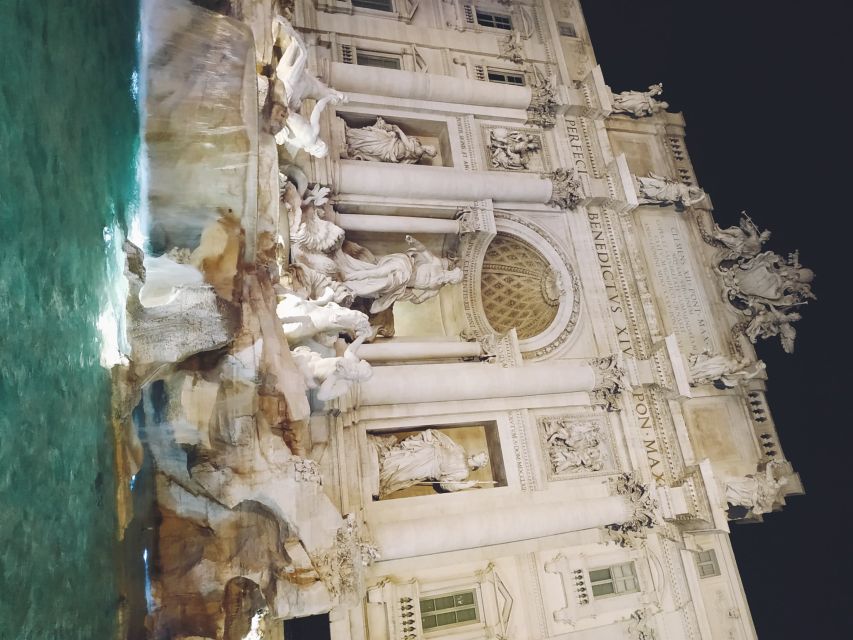
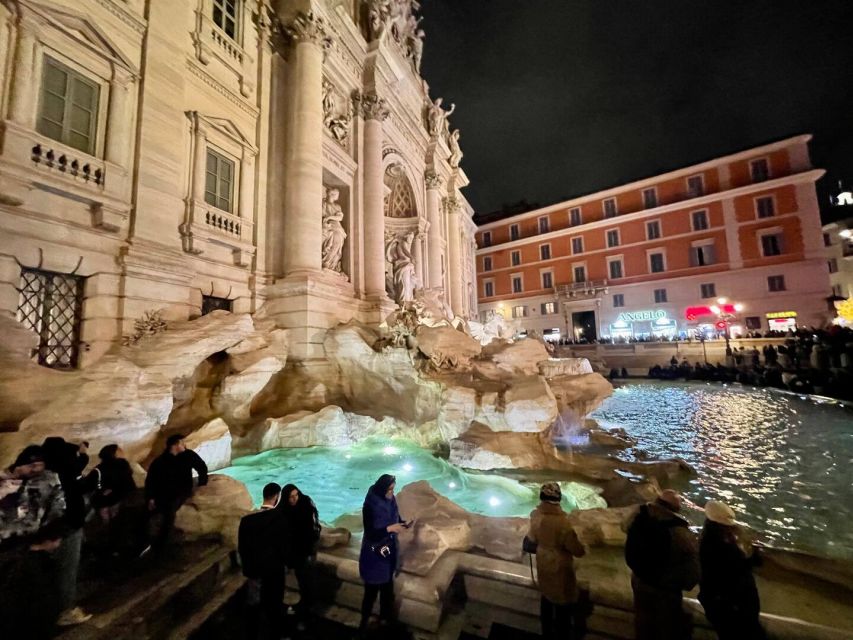
Next up is the Trevi Fountain, again with around 30 minutes including a photo stop and guided tour. Even when Rome is busy, evening can make a difference. The fountain still has its gravity, but the vibe is easier when you’re not shoulder-to-shoulder.
What I like about this stop on a guided evening route is that you can focus. Without daytime crowd energy, you can actually take in the details and appreciate why the Trevi Fountain is one of the city’s most recognizable scenes.
There’s also a pacing advantage. You get time to look, time to shoot photos, and time to absorb the guide’s explanation without the tour feeling like a drive-by.
One heads-up: you don’t control how long you’ll have at the exact fountain edge, since it depends on foot traffic in that moment. If you care about a specific photo angle, arrive ready with your phone/camera already set.
Roman Forum viewpoints: seeing the ruins through the right lens
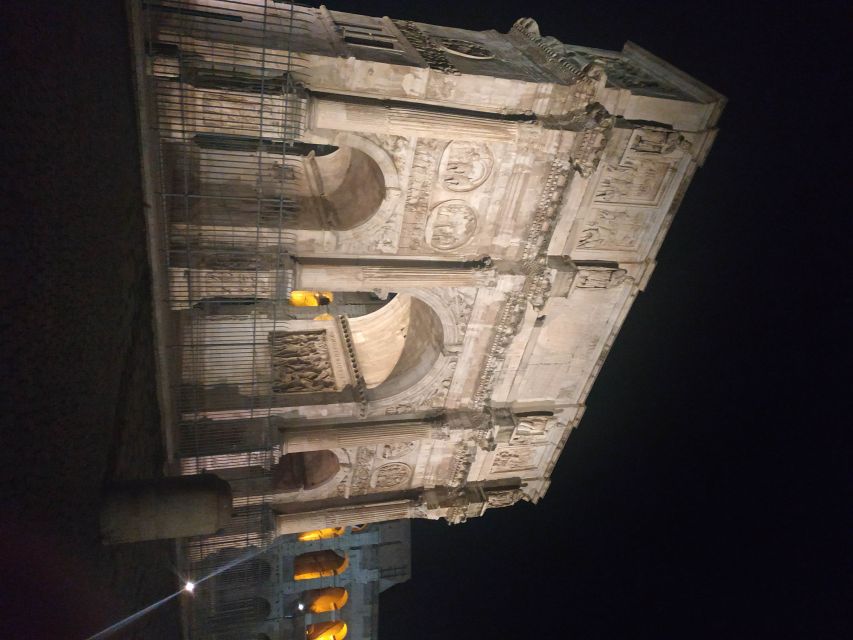
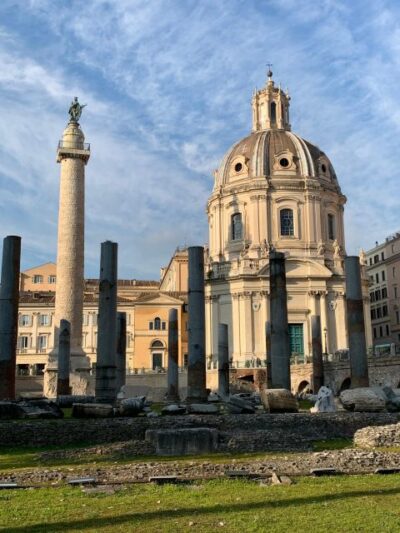
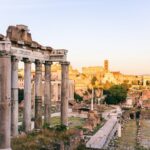
After Trevi, the tour continues toward the Roman Forum area. You’ll have another 30-minute segment here, with a photo stop and guided tour.
This is a great stop for two reasons. First, Rome’s ruins can feel confusing if you don’t have a guide connecting the dots. Second, nighttime viewpoints make the scale easier to understand—lights help highlight the outlines of what remains.
Even though this tour doesn’t include a full inside experience of the Forum, it gives you something valuable: orientation. You’ll walk past major historical cues and get a sense of how this part of ancient Rome functioned in relation to other landmarks you’ll recognize from postcards and movies.
A realistic note: ruins are not magically “complete” just because it’s dark. You’ll still be looking at fragments. But the guide’s explanations can help you see the shape of the story.
You can also read our reviews of more city tours in Rome



Piazza Venezia and Palazzo Venezia: an important step between stops
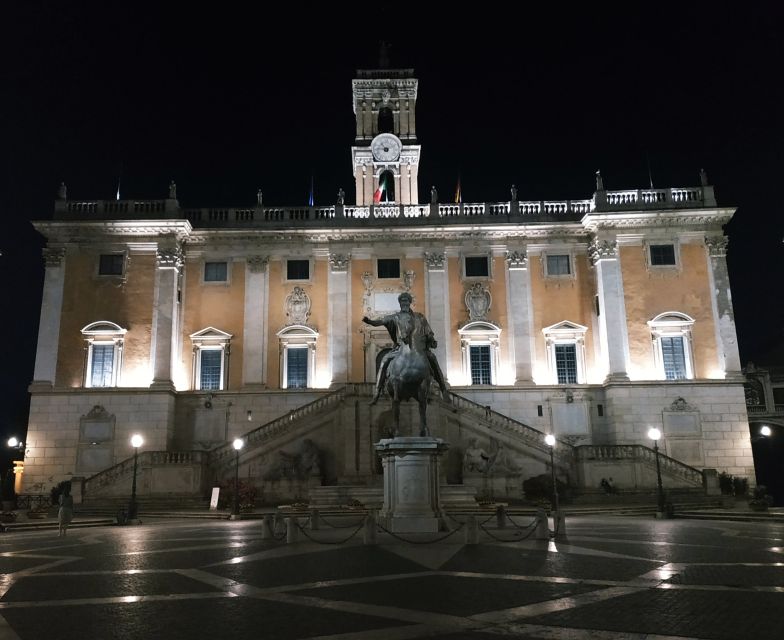
Before you reach the Forum and then the Colosseum zone, you’ll make time at Piazza Venezia to admire Palazzo Venezia. This isn’t one of those stops where you just glance and move on. It works because it connects the walk: it’s a grand visual pause that sets your eye up for what comes next.
From a traveler standpoint, that matters. Big sights feel more meaningful when you can compare scale and style as you move through the city. The tour uses the route so your eyes don’t get stuck in one narrow “monuments only” frame.
If you’re the type who likes to understand how modern Rome sits alongside the ancient parts, this is the segment that helps you feel the relationship.
The walk to the Colosseum: final stretch, big payoff
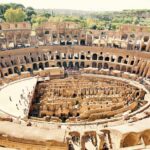
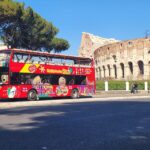
The last stop is the Colosseum, where you’ll have another 30 minutes for a photo stop and guided tour. Your finish point is Piazza del Colosseo.
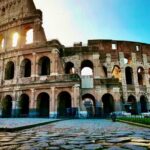
This is where the night tour payoff shows up. You see the Colosseum exterior as a massive structure that still looks imposing centuries later. The lights emphasize its shape and rhythm, and at night you’re not fighting the heaviest daytime swarms.
And here’s the key detail you should plan around: Colosseum visit is only outside, and entrance to the Colosseum isn’t included. So you’re not signing up for the kind of experience where you walk inside the arena floors. You’re signing up for exterior views, scale, and guided context.
That’s not a downgrade—it’s just a different kind of value. If your main goal is to connect the Colosseum to its stories and get a strong visual experience without committing to a timed ticket and longer duration, this works.
Also keep in mind the tour notes a possible complication: due to the Jubilee, some landmarks may undergo extraordinary maintenance, and that’s outside the operator’s control. Rome keeps moving, even when you planned the perfect photo.
Price and value: what $105 buys you
At $105 per person for a 2-hour small-group walking tour, you’re paying for three things: a licensed local guide, the “timed by the clock” evening schedule, and the effort of stitching together multiple major landmarks efficiently.
Is it cheap? No. Is it fair for what you get? Often, yes—especially if you don’t want to spend your first evening figuring out meeting points, routes, and what to prioritize.
Here’s how I think about the math:
- If you would otherwise spend money on multiple separate entry tickets, transportation, or a higher-cost private guide, this can be a clean way to get the highlights compactly.
- If you mainly want the Colosseum outside plus iconic exterior views elsewhere, the absence of Colosseum entry means you’re paying specifically for orientation and atmosphere rather than museum-style access.
Where the value really shines is the small group cap of 10. Larger tours can feel like you’re watching from a distance. With fewer people, the guide can react to questions and you’re less likely to be stuck behind someone who doesn’t move.
What the guide adds (and the one listening risk)
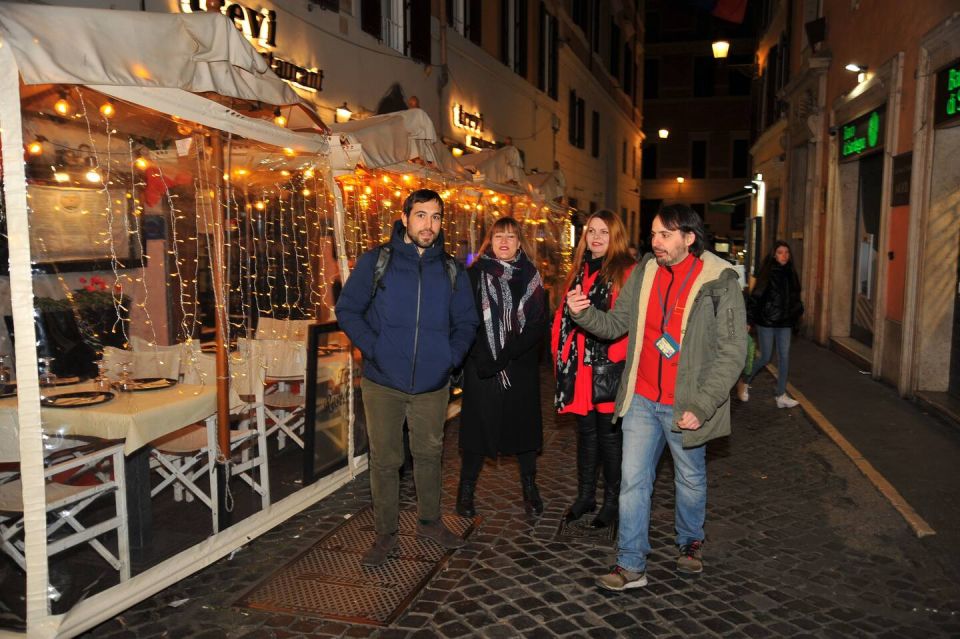
A strong part of this experience is the guide. In reviews, Ruggero comes up as a favorite: people praised his attentiveness, humor, and the way he answers questions and builds stories around the places. That kind of guide is what turns famous monuments into something you actually understand.
There’s one caution: one reviewer flagged that the guide’s accent was difficult to understand. English is listed as the tour language, but accents can vary by guide and by your own comfort level hearing on the move.
If you’re sensitive to comprehension issues, consider this your practical nudge: arrive ready to focus. If you know you struggle with accents, bring patience and use any chance to ask the guide to repeat—especially when you’re trying to catch names and dates.
Who should book this night walk
This is a good fit if you:
- Want a high-impact Rome evening without spending your whole day in lines
- Prefer walking and learning in a small group
- Like photos but don’t want to spend an hour at each stop with no context
- Are okay with Colosseum exterior only since entrance isn’t included
It’s also a solid choice for first-time Rome visitors who want a guided orientation that matches what they’ll later see in daytime photos. And if heat and crowd energy wear you down, the evening timing is built for comfort.
If you’re chasing a full inside Colosseum ticket experience, you’ll likely need a different tour. This one is about seeing the monuments, hearing the stories, and finishing in the Colosseum area with your bearings set.
Should you book Rome: City Highlights Small Group Walking Tour by Night?
I’d book this if you want Rome’s greatest hits with a calmer evening feel and a guide who helps the landmarks make sense. The 2-hour format is especially appealing if you have a packed itinerary and still want something memorable after dinner.
Skip it or pair it wisely if your priority is inside-access at the Colosseum, since this tour keeps things to the exterior and doesn’t include entrance. Also, if you strongly depend on easy-to-understand English every second, keep an ear out—accents can vary by guide.
If you’re the kind of traveler who likes to feel the city through streets, squares, and light rather than just checking tickets, this night walk hits the right balance.
FAQ
How long is the Rome city highlights night walking tour?
The tour lasts 2 hours.
Where does the tour start?
It starts at Piazza di Spagna, 12.
How many people are in the group?
It is a small group limited to 10 participants.
Is there a Colosseum entrance included?
No. The Colosseum visit is only outside, and entrance to the Colosseum is not included.
What landmarks are included on the route?
You’ll see Piazza di Spagna, the Spanish Steps, Trevi Fountain, Piazza Venezia (for Palazzo Venezia), the Roman Forum ruins area, and the Colosseum exterior. You finish at Piazza del Colosseo.
What’s included in the price?
Included is a 2-hour walking tour and a licensed local English-speaking guide.
What language is the tour guide?
The live tour guide speaks English.
Is the tour physically demanding?
It involves light physical activity.
Is free cancellation available?
Yes, you can cancel up to 24 hours in advance for a full refund.