REVIEW · ROME
Full Day Best of Rome and the Catacomb – Private tour by car
Book on Viator →Operated by Rome First Choice Tours · Bookable on Viator
Rome can feel like a moving target. This private, car-based day hits the big icons fast, with a driver to keep you out of the public-transport grind and plenty of time to ask questions along the way. Colosseum first, then the Catacombs make this a day with real variety, not just a photo chase.
I especially like the plain convenience of hotel pickup and drop-off. It matters in Rome, where walking and transfers can quietly steal the best parts of your schedule. The other highlight for me is that you get a small-group feel at the underground sites, not a giant free-for-all.
One consideration: most major sights need separate admission tickets, and the Catacombs portion is done by the site’s guides while you join a larger group. So you’re paying for comfort and timing as much as you are paying for tickets.
In This Review
- Key things to know before you go
- Why a private car day makes Rome easier
- 9:00 am start and how the day actually flows
- Colosseum time: what to plan for tickets and photo lines
- Circo Massimo and Palatine-area context in a 30-minute stop
- Pantheon: enough time to appreciate the dome
- Trevi Fountain and Spanish Steps: where to slow down on purpose
- Piazza Navona: short visit, strong visual payoff
- Piazza Venezia and the Roman Forum area: wedding cake and Mussolini’s balcony
- Catacombs of Saint Callixtus: eerie tunnels with a real trade-off
- Appian Way: 15 minutes that can land emotionally
- Price and value: what $420.08 really buys
- Who should book this private Best of Rome run
- Should you book this tour?
- FAQ
- Is pickup from my hotel included?
- What attractions are free versus ticketed?
- Can the tour help with Colosseum tickets?
- Is the Catacombs portion fully private?
- How long is the tour?
- What language is the experience in?
- Do I need to bring cash for airport pickup?
- What’s the physical requirement?
Key things to know before you go
- Private car all day so you’re not doing Rome’s stop-and-start transit hopscotch.
- Colosseum ticket add-on available on request for an extra fee.
- Catacombs of Saint Callixtus are atmospheric, but that segment is guided by the site and includes a larger group.
- A well-balanced route mixing major monuments with quieter ancient-road time on the Appian Way.
- Hotel pickup and drop-off keeps your morning simple and stress low.
- English-speaking driver/guide for explanations as you move between stops.
Why a private car day makes Rome easier
When you’re doing a first serious pass through Rome, the biggest enemy isn’t crowds. It’s wasted time: bus waits, wrong turns, and stations that are far from where you actually want to be. A private driver flips that equation. You spend the day looking at Rome instead of figuring out how to get to Rome.
This tour also gives you a realistic rhythm. You’re not sprinting nonstop; you get set viewing windows at each stop, plus the ability to ask questions as you travel. In the best versions of this kind of tour, drivers like Mohamed or Fabio are the difference between seeing landmarks and understanding what you’re looking at.
The other practical win: you’re in an air-conditioned vehicle. Rome in warm months can be draining fast, and that break keeps the day from turning into a heat fog.
You can also read our reviews of more private tours in Rome



9:00 am start and how the day actually flows
You’ll start at 9:00 am, with pickup from your hotel. The plan is built to group nearby sights on a single route and keep you moving without constant backtracking.
Expect a mix of quick orientation stops (some are around 30 minutes) and longer moments where you can actually absorb a place (like the extended time around Piazza Venezia and the Roman Forum area). The total day runs about 7 hours, so you’ll want to treat it like a full outing, not a casual stroll.
Your driver/guide handles the movement between locations, which is where you’ll feel the value. The stops are timed, but your experience is still flexible enough to ask questions and adjust in small ways when needed.
Colosseum time: what to plan for tickets and photo lines
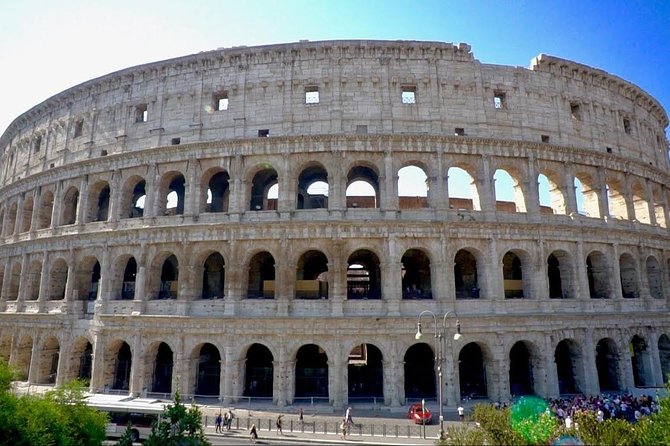
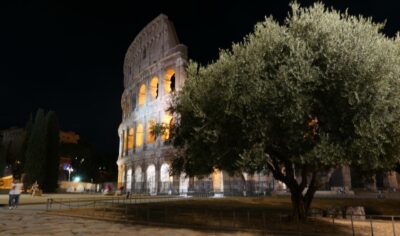
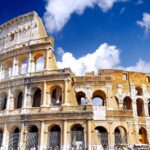
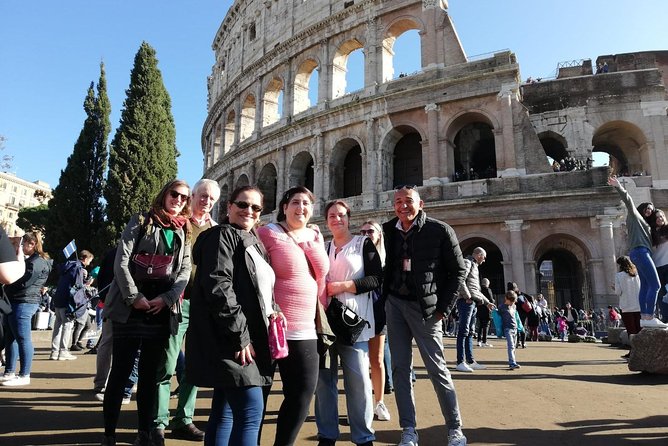
The Colosseum gets the opening slot because it’s the best way to beat the feeling of the day getting out of hand. You’ll have about 30 minutes on site, which is enough for a solid look and orientation with explanations, not enough to treat it like a slow museum visit.
Here’s the key logistics detail: admission isn’t included in the base price. You can request Colosseum tickets for an extra 50 euro per person. Kids under 17 have a reduced ticket option at 5 euro. If you want the most efficient morning, ask for ticket planning early rather than assuming you’ll sort it out at the last minute.
Also keep your expectations realistic. With a private format, you’re not just standing around; you’ll get context for what you’re seeing. Still, the Colosseum is popular, and time is time—so you’ll get more out of the experience if you enter with curiosity about what the building represented in Roman power.
Circo Massimo and Palatine-area context in a 30-minute stop
At Circus Maximus, you’re looking at the setting for chariot races and huge public spectacles. The stop is about 30 minutes, with time to take in the scale and understand why this area mattered for Roman public life.
This is also where you get useful geography. The route connects with the story of the legendary founding of Rome and the imperial palace built by Augustus, tied to the wider Palatine Hill area. Even if you don’t spend hours on Palatine itself, learning how these places fit together makes the Roman landscape feel less random.
The ticket here is simple: admission is free. That means your money and time can stay focused on the experiences that do require fees later in the day.
Pantheon: enough time to appreciate the dome
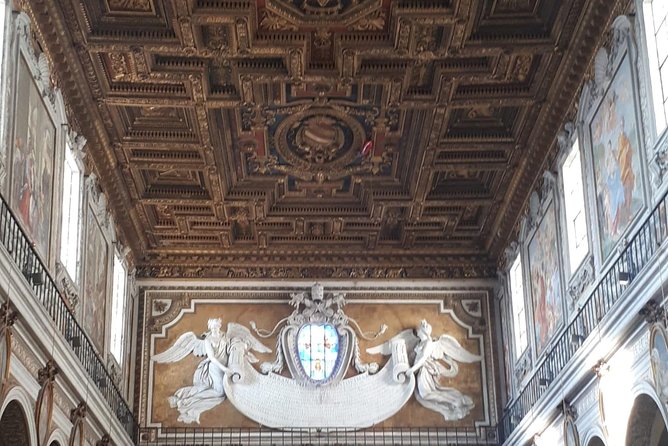
Next is the Pantheon, where you’ll get about 45 minutes. The standout feature is the dome, still famous for its concrete engineering. It also has a strong origin story—begun in 27 BC by Marcus Vipsanius Agrippa.
Admission isn’t included here either, so plan on separate ticket costs. You’ll want to treat this as a mix of quick architectural appreciation and historical framing from your driver/guide.
One nice thing about doing the Pantheon before the more crowded fountain-and-square circuit is momentum. You’re still in Rome-mode, but you haven’t hit peak postcard pressure yet. It’s a good mental reset.
You can also read our reviews of more tours and experiences in Rome





Trevi Fountain and Spanish Steps: where to slow down on purpose
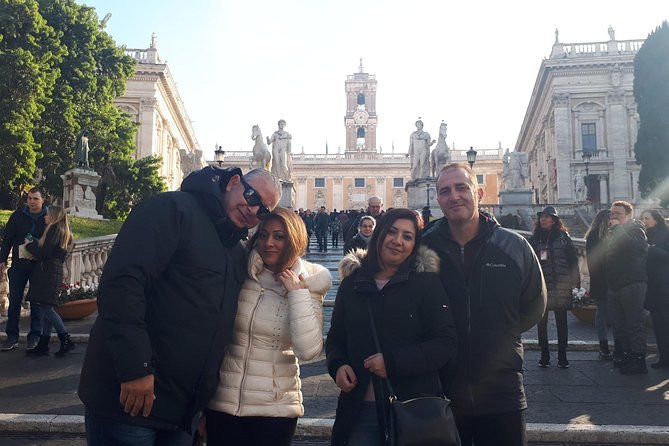
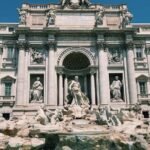
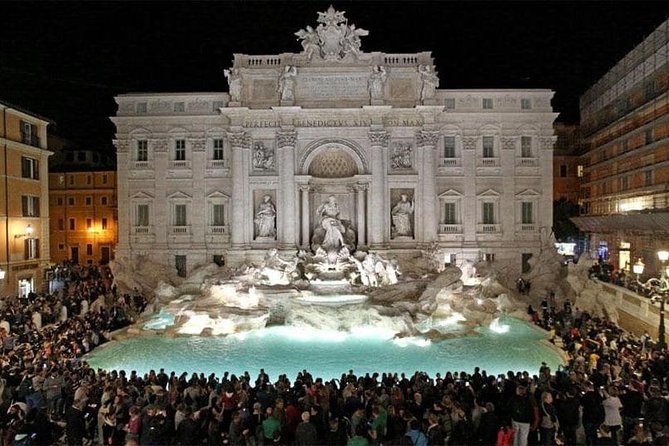
Trevi Fountain is a classic for a reason. You’ll spend about 1 hour here, and admission is free. The wish tradition is part of the fun, but the real value is the way the fountain anchors the street-life around it.
Then you’ll move to the Spanish Steps for about 30 minutes, also free to enjoy. This is a spot where you don’t need to rush—think sitting, looking up and down the stairway, and letting the area’s energy work in the background.
If you’re tired of ticking boxes, this is where you’ll feel the tour doing something right. These stops are built for atmosphere and views, not just speed. You’ll get more enjoyment by stepping back and actually using the time.
Piazza Navona: short visit, strong visual payoff
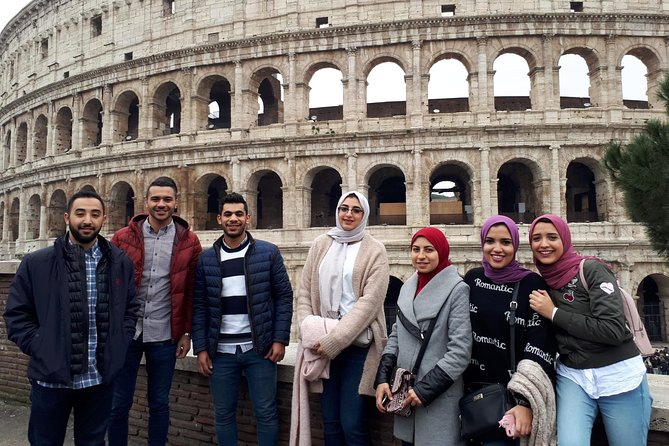
Piazza Navona is one of those places that rewards good timing. You’ll have around 30 minutes and admission is free. The piazza is known for three impressive fountains, including Bernini’s Four Rivers fountain.
This is a “stand and look” stop. With only a half hour, you’ll get the best results by picking one fountain viewpoint and giving it a full circuit: notice the figures, the compositions, and how the space funnels you toward the center.
The advantage of a private format here is that you can ask what you’re seeing without feeling like you’re delaying everyone else. You’ll also get your bearings faster, which helps later when you’re moving toward the Forum area.
Piazza Venezia and the Roman Forum area: wedding cake and Mussolini’s balcony
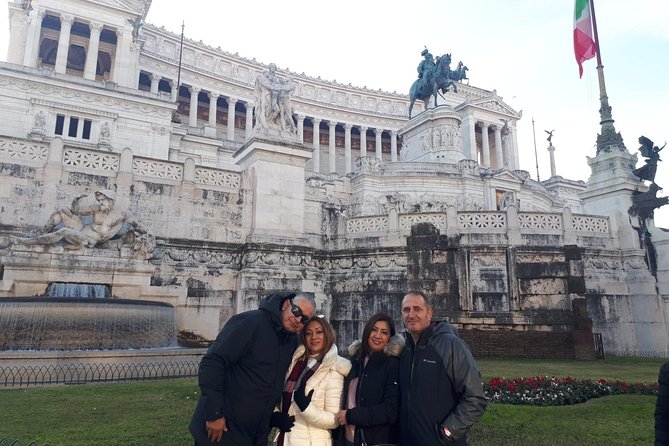
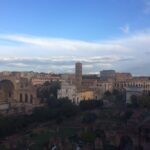
This is one of the longer stretches of the day at about 1 hour 30 minutes. The focus is the Piazza Venezia / Ancient City area, walking along what’s often called the temples road toward the Roman Forum zone.
Two landmarks are singled out with memorable nicknames: the Wedding Cake and Mussolini’s Balcony. These names stick because they help you recognize the sights quickly, even from a moving car or on a short walk.
This portion is valuable because it connects monuments to power. You’re not just seeing individual buildings; you’re seeing how Roman and later political eras kept speaking to the same stones. If you like stories that link architecture to politics and public life, this is the part you’ll likely remember most.
Admission is listed as free for this stop, so your money stays focused on timed-entry sites elsewhere.
Catacombs of Saint Callixtus: eerie tunnels with a real trade-off
Now for the underground moment: the Catacombs of Saint Callixtus. You’ll have about 45 minutes here, and admission is not included.
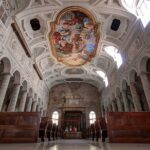
What makes this stop special is the setting. These are underground Christian cemeteries dating back to the 1st century, with tunnels lined by tomb niches and frescoes. It’s the kind of place where the descriptions matter. You don’t want a generic narration; you want a guide who knows how to interpret the symbols and layouts you’re passing.
Here’s the trade-off you should know upfront: the catacomb tour is given by the catacomb’s own guides, and you’ll join a larger group for that segment. So while the overall day is private, the underground portion won’t be one-on-one in the same way.
Still, this format is common for good reason. The catacombs are not just sights; they’re a guided route through tight spaces. If you’re okay with that, it’s a memorable payoff.
Appian Way: 15 minutes that can land emotionally
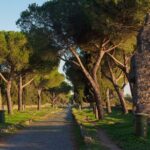
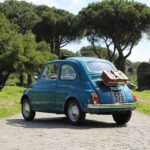
You’ll finish with Appian Way (Via Appia Antica) for about 15 minutes, and admission is free. Even in a short time, the ancient paving stones give you a stronger physical sense of how old Rome actually is.
This road is tied to major stories: Spartacus and 6,000 followers were crucified here, and St. Peter is linked to a vision of Christ leaving Rome in 64 A.D. Even if you don’t know every detail going in, the way the road holds the setting helps those stories stick.
Fifteen minutes sounds short because it is. But as a final note, it works. You end with something grounded and real, not another fountain-or-domed photo finish.
Price and value: what $420.08 really buys
At $420.08 per person, this isn’t a budget city bus day. You’re paying for the private car, a driver/guide speaking English, and the convenience of pickup and drop-off at your hotel. In Rome, those things can genuinely save you energy, time, and stress.
Where the math gets tricky is tickets. Admission fees aren’t included for several major stops: Colosseum, Pantheon, and the Catacombs. The tour offers help with Colosseum tickets if you request them (extra 50 euro per person, with kids under 17 at 5 euro). That at least reduces uncertainty, but you should still budget for multiple attractions.
So what’s the best way to judge value? Think like this:
- If you’re comfortable navigating transit and you enjoy crowd logistics, you might spend less on tickets and DIY planning.
- If you want a calm, organized day with fewer transfers and more explanation, the private format can be worth it fast—especially for families, couples, or anyone who doesn’t want to spend the day translating bus schedules.
Also, the length matters. Around 7 hours is a sweet spot for a “highlights plus one real-depth experience” day. You’re not trying to do every major site in Rome. You’re doing the ones that connect well.
Who should book this private Best of Rome run
This tour fits best if you want:
- First-time Rome sightseeing without transit stress
- Clear, paced time at major icons
- A driver/guide to answer questions while you move
- The Catacombs experience without scrambling for the logistics
It may not fit if you’re traveling ultra-budget, because tickets are extra and multiple stops require them. It also may not fit if you specifically want a totally private guide inside every single site, since the Catacombs segment is handled by the catacombs’ own guides and includes a larger group.
If you like the idea of a day that mixes monumental Rome with an underground historical detour, you’ll probably enjoy this format. And if road closures or small schedule issues pop up, the tour’s private setup makes it easier to adapt than on a rigid group bus route.
Should you book this tour?
I’d book this if you want major landmarks with low friction: hotel pickup, an air-conditioned car, and a route that makes sense in one full day. The Catacombs stop gives your day a different mood than the usual Roman checklist, and the longer Forum-area time helps you connect the dots between buildings and political power.
I wouldn’t book it if you’re only interested in the cheapest possible way to see Rome, or if you strongly prefer ticket-free experiences with no extra add-ons. And I’d be especially ready for the ticket reality: the most famous stops here require separate admission.
If you’re the kind of traveler who wants Rome to feel organized, not chaotic, this is a strong choice.
FAQ
Is pickup from my hotel included?
Yes. The tour includes pickup and drop-off at your hotel, with a start time of 9:00 am.
What attractions are free versus ticketed?
Some stops are free (like Circus Maximus, Trevi Fountain, Spanish Steps, Piazza Navona, Piazza Venezia/Ancient City, and Appian Way). Tickets are not included for the Colosseum, the Pantheon, and the Catacombs of Saint Callixtus.
Can the tour help with Colosseum tickets?
Yes. Colosseum tickets can be booked on request for an extra 50 euro per person, and kids under 17 cost 5 euro.
Is the Catacombs portion fully private?
No. The Catacombs of Saint Callixtus is guided by the catacombs’ official guides, and you join a bigger group for that part.
How long is the tour?
It runs about 7 hours (approx.).
What language is the experience in?
English is offered.
Do I need to bring cash for airport pickup?
Airport pickup is available for an extra cost of 70–100 euro paid to the driver.
What’s the physical requirement?
The tour is listed for travelers with moderate physical fitness.