REVIEW · ROME
Rome: Palazzo Braschi Reserved Entrance Ticket
Book on GetYourGuide →Operated by TOURISTATION · Bookable on GetYourGuide
A short, high-impact museum stop.
That’s the vibe here: you get reserved access to Palazzo Braschi and an audio-led walk that strings together Rome’s headline sights around Piazza Navona. I like that it’s built for pace—useful in a city where waiting lines can eat your day—and I also like the mix of art indoors plus big outdoor photo moments nearby. One catch: this is not a full-day tour, and the museum focus may feel lighter if you’re craving major gallery-type collections or lots of extra rooms.
What I especially liked is the Palazzo Braschi setting itself. The building’s 18th-century design (by Cosimo Morelli) gives the museum a sense of theatre, and the entrance space is the kind of spot you’ll want to pause in before moving on. The second highlight for me is the way the included audio route guides you through Rome’s most famous stops with practical context, so you’re not just taking pictures—you’re getting the “why” behind what you’re seeing.
My only real drawback is that the experience is compact and time-limited. If you’re hoping for a long, wander-at-will museum day (or you specifically want temporary exhibitions), you’ll likely feel pressure to move along—and temporary exhibitions aren’t included.
In This Review
- Key things to know before you go
- Palazzo Braschi reserved entry: what you’re really paying for
- Where to start at Piazza Navona and how the ticket setup works
- Piazza Navona on an English audio guide: fountains first, questions later
- The Pantheon exterior: why you should care without going inside
- Trevi Fountain: coin toss, photo chaos, and the story behind it
- The panoramic glass elevator and Palazzo Venezia: the view segment
- Inside Palazzo Braschi: 18th-century setting, art, photos, statues
- Pace, limits, and what to do if you want more time
- Price and value: is $37 fair for what you get?
- Who should book this, and who should skip it
- Should you book Palazzo Braschi reserved entrance?
- FAQ
- How long is the Palazzo Braschi reserved entrance experience?
- How much does it cost?
- Where do I collect the official entrance ticket?
- What’s included with the ticket?
- Is Trevi Fountain included, and do I get any special guidance there?
- Will I see the Pantheon from inside?
- What about temporary exhibitions?
- What do I need to bring?
- What items are not allowed?
- Is this suitable for wheelchair users or people with mobility impairments?
Key things to know before you go
- Reserved entrance helps you skip the awkward waiting and keeps this visit realistic in a short window.
- Cosimo Morelli’s 18th-century architecture is a big part of the payoff, not just the art inside.
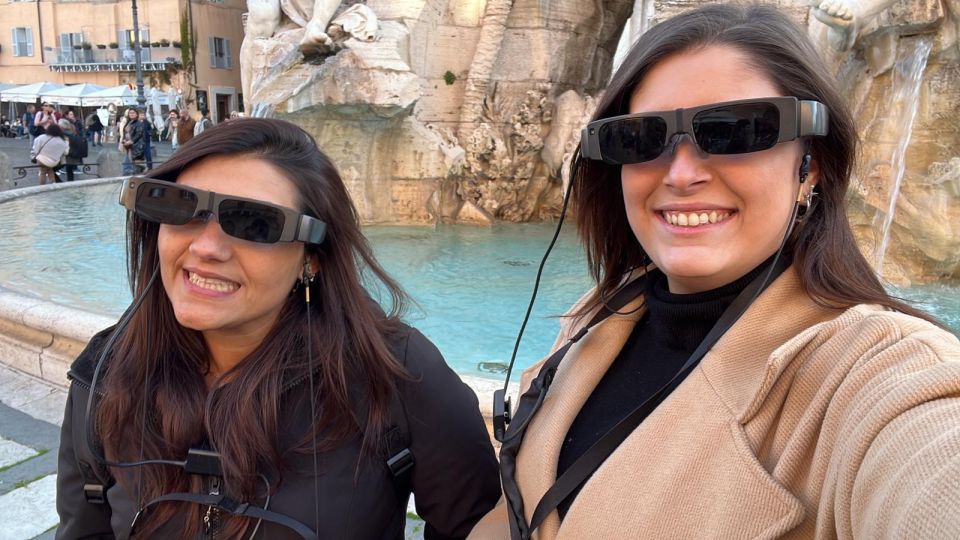
- The audio route links Piazza Navona, the Pantheon exterior, and Trevi Fountain into one coherent story.
- The stop at Trevi is built around the classic ritual: toss a coin and learn what the fountain holds.
- There’s an additional viewpoint segment with a Panoramic Glass Elevator, plus Palazzo Venezia and either the Risorgimental Museum or the Capitoline Museums.
Palazzo Braschi reserved entry: what you’re really paying for
At $37 per person for a 1-hour experience, you’re not buying hours and hours of museum wandering. You’re buying focus: reserved access to Palazzo Braschi plus an organized, audio-led city route that points you to Rome’s best-known sights.
I like that this pricing model matches reality. In Rome, “time” is often the most expensive thing you can spend, and reserved entry helps protect it. You also get a straightforward benefit: the experience is set up so you can see multiple famous landmarks without building a custom route from scratch.
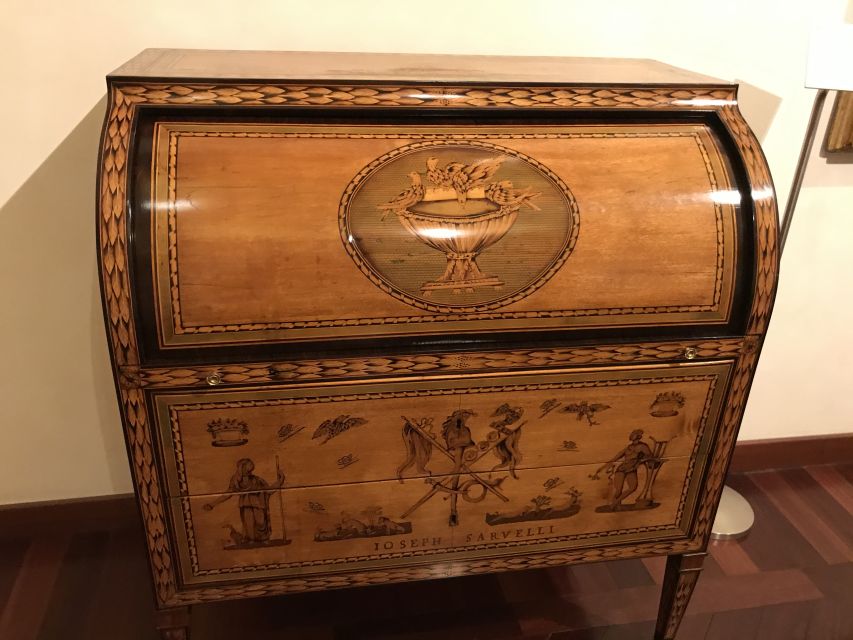
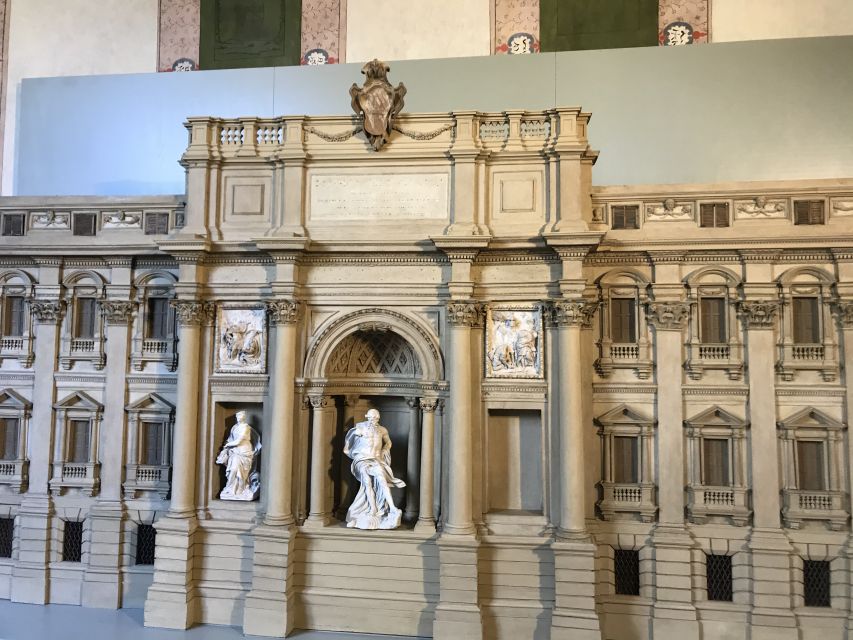
The museum component is centered on art and objects in Palazzo Braschi. You can expect an impressive collection featuring artworks, photographs, and statues, all inside an 18th-century palace designed by Cosimo Morelli. That matters because you’re not only looking at content—you’re looking at how the building frames the viewing.
If you want a day built for slow pacing, this isn’t that. But if you want a smart “Rome starter course” that hits key places fast, this makes sense.
You can also read our reviews of more tours and experiences in Rome

Where to start at Piazza Navona and how the ticket setup works
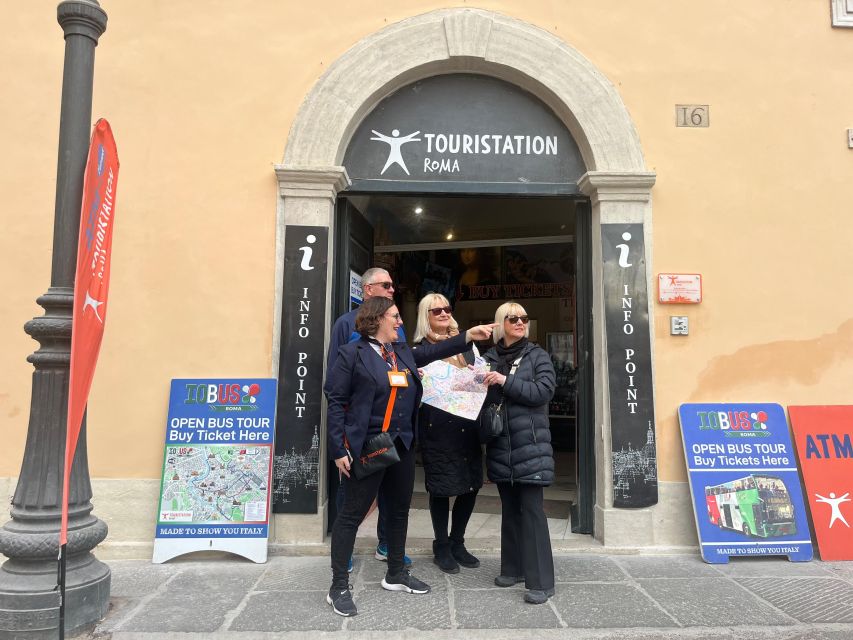
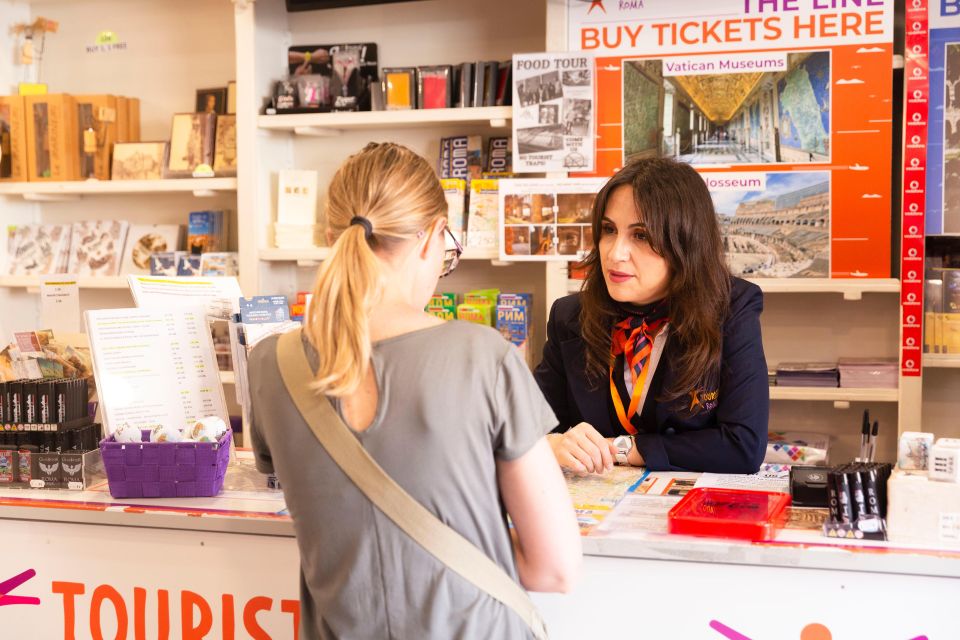
You’ll meet at the Touristation Office in Piazza Navona 25. This is important because your voucher is not your ticket, so plan a minute to collect the official entrance ticket before you start.
Think of this as your “Rome reset.” You’re standing in one of the most photogenic squares in the city, which gives you instant momentum before you head into museums and landmarks. Also, the location is practical: Piazza Navona is near several of the sights included in the audio route.
What to bring is simple and specific: a passport or ID card and comfortable shoes. You’ll be walking as part of the route, so comfortable footwear is more than a suggestion here.
And note the restrictions. Pets aren’t allowed, and you can’t bring weapons or sharp objects. Large bags and luggage are also not allowed, which is a common theme in historic-center experiences.
Piazza Navona on an English audio guide: fountains first, questions later
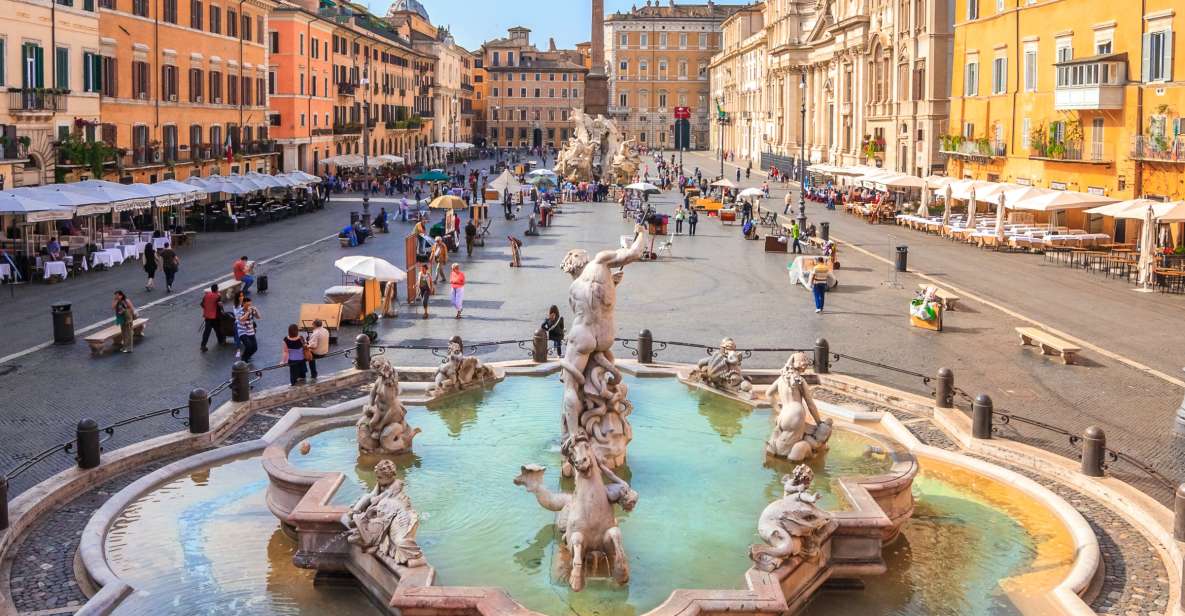
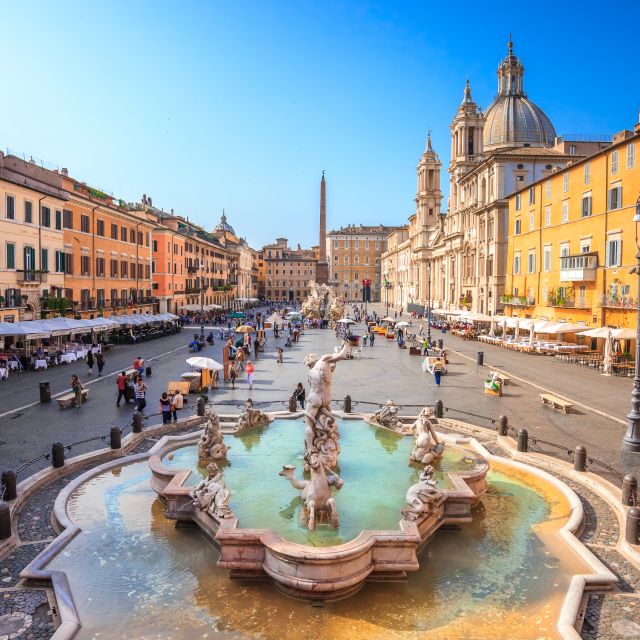
Piazza Navona is the first big set piece in the included audio experience. The square is famous for its fountains, and the narration guides you through what you’re looking at so it doesn’t feel like scenery you just happen to pass.
Your audio guide specifically calls out the Fountain of the 4 Rivers by Bernini. That’s a great cue because it turns one pretty monument into something you can read. In practice, it helps you frame photos with purpose: you’ll know what part you should aim for and why it’s important.
I also like that you’re guided to notice the square’s role as a gathering spot. Even without a long guided lecture, the audio helps you connect the visual experience to the bigger story of Rome’s public spaces.
Since you’re doing this as part of a shorter overall visit, keep your strategy simple. Spend a little time at the fountain, take your photos, then keep moving. This isn’t the kind of day where you can afford to get stuck waiting for the perfect angle.
The Pantheon exterior: why you should care without going inside
The audio route includes the Pantheon from outside. That might sound like a compromise if you’re used to big-name “inside the Pantheon” tours, but there’s a reason exterior time can still be worth it.
The narration frames the Pantheon as a temple dedicated to all divinities, and it calls out a key idea: the building is considered one of the best-preserved ancient temples in the world. Even from the outside, you get a lot of the monument’s impact, especially if you take a minute to look at scale and shape instead of just snapping a quick shot.
There’s also the Michelangelo connection. The audio notes that Michelangelo was so impressed by the architecture that he called it angelic, not human design. That’s the kind of detail that changes your pause from casual to focused—suddenly you’re looking for what people admired, not just what’s famous.
If you hate rushing, adjust your expectations. You won’t get a long stop at every landmark. But for the Pantheon, even a short viewing window can deliver “wow” if you give the building your full attention for a minute or two.
Trevi Fountain: coin toss, photo chaos, and the story behind it
Trevi Fountain is included through the audio route, and the experience is built around the classic ritual: toss a coin to ensure you return to Rome. That’s part myth, part cultural shorthand, but it works because it gives you a simple way to participate instead of just observe.
The audio also positions Trevi as the largest and best-known fountain in Rome, and it promises that you’ll learn the secrets the fountain holds. Even if you’ve seen Trevi in photos a hundred times, having an explanation lets you spot details you might otherwise miss.
For your picture strategy, here’s the practical angle: Trevi tends to be busy, and the experience duration is short overall. So aim for one “keeper” photo and move on. If you try to take ten versions while the crowd shifts, you can end up feeling like you lost your time budget.
Also, this is a good stop to use your brain, not just your camera. Look at the fountain as a whole first, then zoom in on sculptural details after the initial wow moment. That sequence usually gives you better results than staring at one corner only.





The panoramic glass elevator and Palazzo Venezia: the view segment
Later in the audio-led route, you get a finish with a more modern-looking Rome moment: the Panoramic Glass Elevator. This is positioned as a way to cap the route with a viewpoint, so you’re not only surrounded by historic monuments—you get some height and perspective too.
After the elevator, the audio references Palazzo Venezia and then points to either the Risorgimental Museum or the Capitoline Museums as the final museum component, depending on the option that fits you best.
I like this structure because it prevents the day from feeling like a single straight line of photos. A viewpoint segment can refresh your mind, and it gives your brain a “big picture” reset before you wrap up.
One caution: since the additional museum choice is option-dependent, check your booking details carefully so you know which finale you’re selecting. This matters if you have specific interests, like whether you’re more curious about one museum set-up over the other.
Inside Palazzo Braschi: 18th-century setting, art, photos, statues
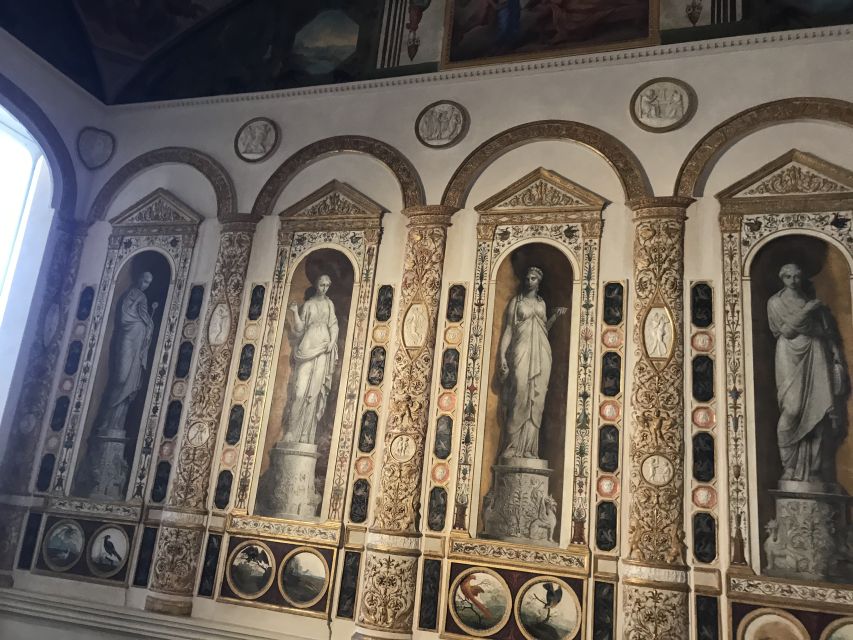
Now for the centerpiece: the reserved entry to Palazzo Braschi. This is where you’ll spend your actual museum time, and it’s designed to feel like you’re stepping into an elegant historic environment.
The experience highlights Palazzo Braschi’s architecture from the 18th century, with Cosimo Morelli linked to the palace’s design. In other words, the building isn’t just a wrapper—it’s part of the “what you came to see” package.
Inside, the museum presentation focuses on a mix of art, photographs, and statues. That combination can work really well if you like variety. You might not be locked into only paintings or only sculpture, and the photos can provide different visual textures than you’d get from classic marble-heavy collections.
One of the most positive reactions tied to this experience is the reaction to the entrance space itself—people genuinely pause at the monumental staircase. If you enjoy “first impressions” and love a dramatic arrival moment, you’ll probably feel that surge immediately.
And if you’re the type who expects every minute to be packed with famous masterpieces, keep your mindset flexible. A museum experience like this can be satisfying, but it’s not guaranteed to match every taste.
Pace, limits, and what to do if you want more time
This experience is set around 1 hour, which is short. That’s not automatically bad. In fact, for museums in Rome, short can be a plus because it keeps you from turning the visit into a slog.
But it does mean you should plan your personal priorities before you arrive. Decide ahead of time:
- Are you mainly here for the museum building and its art mix?
- Or are you mainly here to connect the museum with famous city sights in a single run?
Your included route is designed for the second goal: audio context while you pass key landmarks and end with viewpoint and more museum options. If you want only one of those goals, you might find you’re splitting your attention.
Also, temporary exhibitions are not included. So if a specific temporary exhibit is your main reason for coming, you’ll need to check separately before you commit.
Price and value: is $37 fair for what you get?
Let’s be practical. $37 is not a bargain like a quick street-level photo stop, but it’s also not in the “private guide” universe. For that price, you’re paying for two concrete things: a reserved entrance ticket plus an included city app audio guide.
Where the value really shows up is in time protection. If reserved entry helps you avoid a chunk of waiting, you effectively “save” time you can use elsewhere in Rome. And because your route is structured around famous locations, you’re also getting help building a coherent day without having to assemble everything yourself.
Here’s how I’d judge value for you:
- If you want a museum visit plus a guided-feeling walk through major landmarks in a short time, this is a sensible use of money.
- If you only want a deep museum dive, or you strongly want temporary exhibitions included, the value may feel thin.
So the real question isn’t whether it costs $37. The question is whether this style of short, structured Rome experience fits your pace.
Who should book this, and who should skip it
This experience works best if you:
- Want a compact Rome plan that fits into a tight schedule
- Like seeing museum art in a historical palace setting, not only outdoors
- Appreciate audio context that helps you understand what you’re seeing at major landmarks
- Prefer reserved entry so your day doesn’t get tangled in lines
You might want to skip or adjust expectations if you:
- Need an accessible route. This experience is not suitable for people with mobility impairments or wheelchair users
- Are traveling with luggage or large bags (not allowed)
- Are only interested in temporary exhibitions (not included)
- Expect a long, guided museum deep dive filled with heavyweight highlights
There’s also one more honest factor: museum taste varies. If you’re very specific about what kind of museum content you love, you’ll do best by going in expecting a curated variety (art, photos, statues) inside Palazzo Braschi, plus a famous-sights audio walk.
Should you book Palazzo Braschi reserved entrance?
I’d book this if you want a smart, time-efficient mix: Palazzo Braschi with reserved entry, plus a guided-feeling soundtrack leading you through Piazza Navona, the Pantheon exterior, and Trevi Fountain. It’s a solid pick for first-time visitors who want Rome’s big icons without building a complicated itinerary.
I wouldn’t book it if you need a long museum session, temporary exhibits, or step-free accessibility. In that case, you’ll likely feel constrained by the 1-hour format and the listed limitations.
If you do book, go in with a simple plan: spend your best energy on the entrance moment at Palazzo Braschi and then treat the landmarks as a sequence. You’ll get the most out of a short experience.
FAQ
How long is the Palazzo Braschi reserved entrance experience?
It lasts 1 hour. Starting times depend on availability.
How much does it cost?
The price is $37 per person.
Where do I collect the official entrance ticket?
Collect it at the Touristation Office in Piazza Navona 25. Your voucher is not the ticket.
What’s included with the ticket?
You get a Palazzo Braschi reserved entrance ticket and a city app audioguide.
Is Trevi Fountain included, and do I get any special guidance there?
Trevi Fountain is part of the audio route, and the narration includes the classic coin-toss tradition and information about what the fountain holds.
Will I see the Pantheon from inside?
No. You explore the Pantheon from outside as part of the audio route.
What about temporary exhibitions?
Temporary exhibitions are not included.
What do I need to bring?
Bring a passport or ID card and comfortable shoes.
What items are not allowed?
Pets, weapons or sharp objects, and luggage or large bags are not allowed.
Is this suitable for wheelchair users or people with mobility impairments?
No. It is not suitable for people with mobility impairments or wheelchair users.