REVIEW · ROME
Ravenna: Private City Top Sights and Monuments Walking Tour
Book on GetYourGuide →Operated by TUI Musement · Bookable on GetYourGuide
Ravenna’s mosaics stop you mid-step. This private 3-hour tour strings together the city’s Roman-to-Byzantine story with San Vitale mosaics and a dedicated guide who keeps the art understandable, not just decorative. The main trade-off: it’s short and only includes entrances for a specific set of monuments, so you’ll want to commit to those stops.
I like that the pace is built around real context. You start in Piazza del Popolo, wander the old streets, and then move through Ravenna’s best-known monuments in a logical order. If you’re hoping for a wide grab-bag of museums beyond the included sites, this plan may feel a bit tight.
In This Review
- Key highlights to look for
- Ravenna’s Roman-to-Byzantine story makes the mosaics click
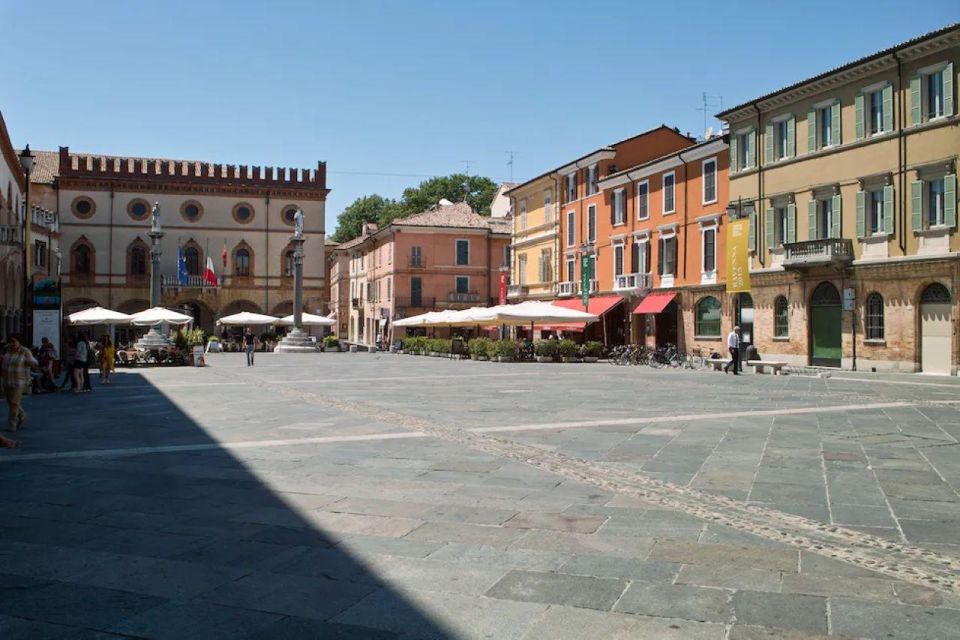
- Meeting at Piazza del Popolo: get your bearings fast
- Basilica of San Vitale: the mosaics do the talking
- Mausoleum of Galla Placidia: a compact stop with big impact
- Baptistery of Neon: understanding the religious art language
- Sant’Apollinare Nuovo: close the loop with another anchor basilica
- Piazza del Popolo and the Dante area: the human-scale Ravenna
- Price and value: is $168.79 per person worth it?
- Your guide experience: what “private” changes in real life
- Weather reality: the tour runs in rain
- Should you book this Ravenna private monuments tour?
- FAQ
- How long is the Ravenna private tour?
- Where does the tour start and end?
- What’s included in the ticket price?
- Is transportation included to the meeting point?
- Which languages are available for the guide?
- Does the tour run in the rain?
- What is the cancellation policy?
Key highlights to look for
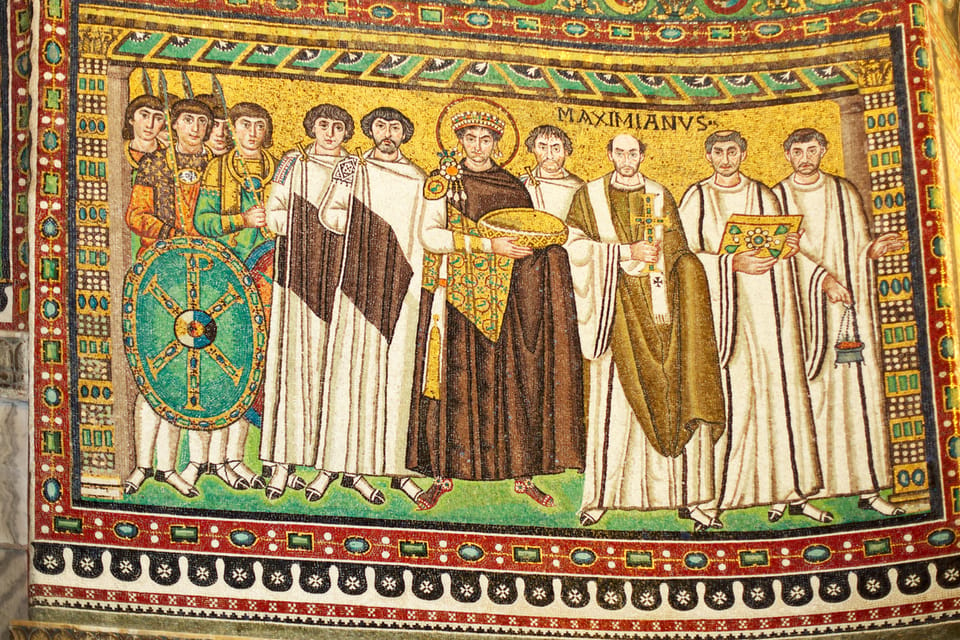
- San Vitale mosaics explained in clear terms, not vague big-picture talk
- Mausoleum of Galla Placidia as a must-see stop for Ravenna’s visual style
- Baptistery of Neon included, giving you a fuller look at the city’s religious art
- Sant’Apollinare Nuovo to round out the Byzantine look with another anchor site
- Piazza del Popolo + Dante area added time for atmosphere and location context
- A private guide who stays with you the whole time, including photo-and-question flexibility
Ravenna’s Roman-to-Byzantine story makes the mosaics click
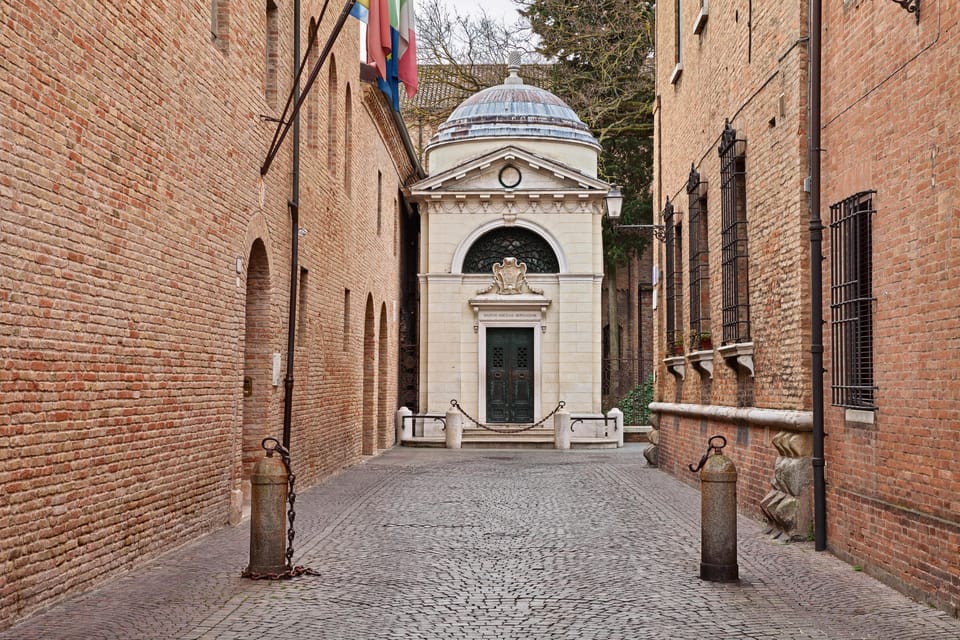
Ravenna isn’t just a pretty stop on the map. In the 5th century AD, it served as the capital of the Western Roman Empire. Later, it became the capital of the Ostrogoths until the Byzantines re-took it in 540. After that, Ravenna anchored the Byzantine Exarchate until the Lombards moved in during the 8th century, reshaping the city again.
What I like about this kind of tour is that it doesn’t treat mosaics like isolated art pieces. It frames them as part of power, faith, and shifting rulers. Even if you don’t memorize dates, you get a sense of why so much late Roman and Byzantine architecture survives here.
And Ravenna’s geography matters too. It’s inland, but connected to the Adriatic Sea by the Candiano Canal. That connection helps explain why the city could matter so much in trade and politics, even when it isn’t on the coast.
You can also read our reviews of more walking tours in Rome

Meeting at Piazza del Popolo: get your bearings fast
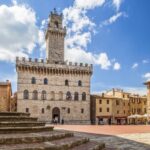
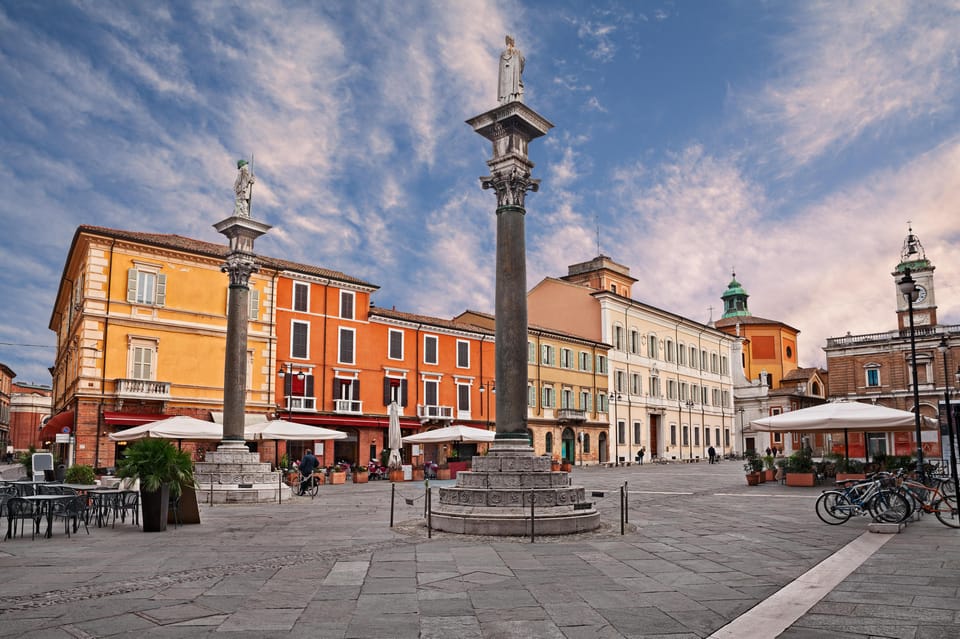
Your tour starts back at Piazza del Popolo, with the guide meeting you under the clock tower. This is a smart starting point because it puts you right in the historic center and helps you orient before you step into the monuments.
From there, the day isn’t just a checklist of sites. You also get time to stroll the old-town streets and stop at key public squares. That street time is practical: it breaks up the intensity of indoor viewing and gives you a sense of how Ravenna is laid out.
If you’re arriving on foot or planning to continue after the tour, Piazza del Popolo is a convenient anchor point. You’ll end back there as well, so you’re not stuck figuring out a new location.
Basilica of San Vitale: the mosaics do the talking
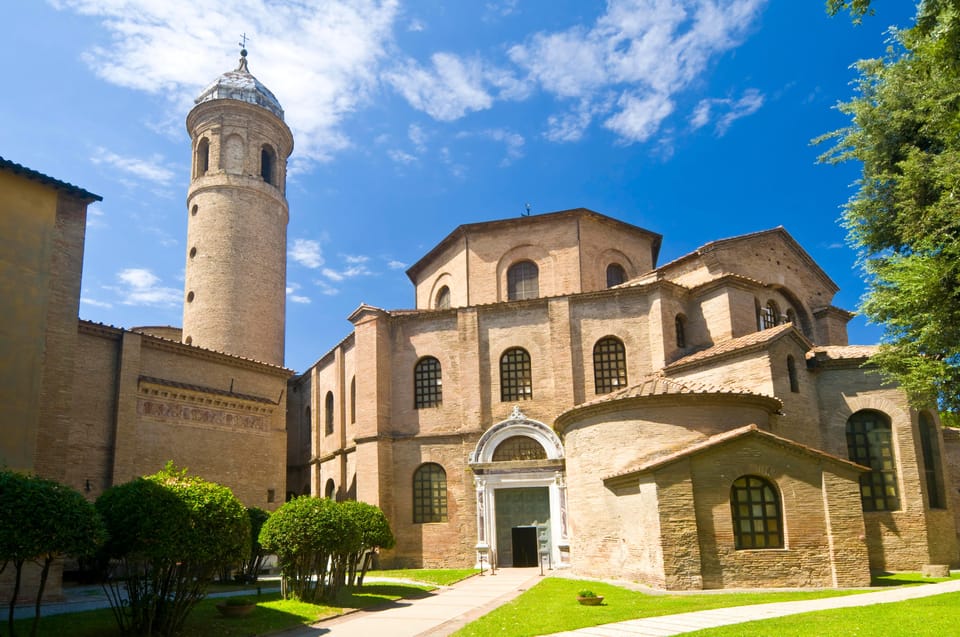
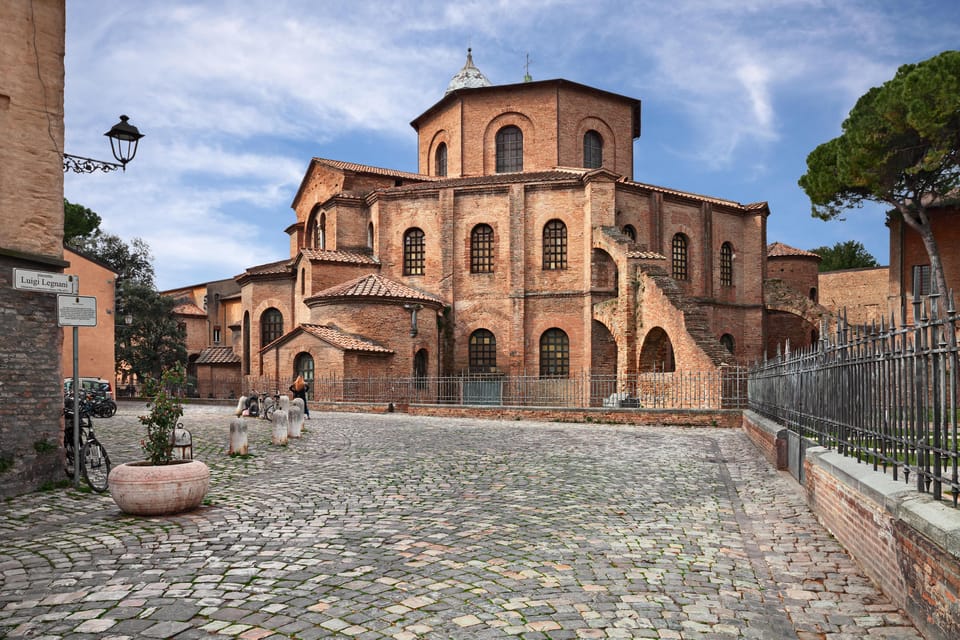
Basilica of San Vitale is the heavy hitter, and with good reason. This is where the tour focuses on early Christian and Byzantine mosaics—exactly the visual language Ravenna is famous for.
A private guide matters here. Without guidance, you can end up staring at the gold-and-color effect and missing the why. With a guide, you get help sorting what you’re seeing and how different elements relate to the era’s beliefs and status. The goal is not to turn it into a lecture. It’s to give you handles so the mosaics feel meaningful instead of just impressive.
One guide name that comes up in the feedback is Samantha, known for friendly, clear explanations and for connecting the artwork to background across different periods. That kind of interpretive help is what makes San Vitale more than a quick stop.
Practical note: this is an indoor visit, and you’ll want to bring patience for tight sightlines. A private format helps because your guide can adjust where you pause so you can see without crowding everyone else.
Mausoleum of Galla Placidia: a compact stop with big impact
Next up is the Mausoleum of Galla Placidia, included with guided visit. This monument is smaller and more contained than some of the larger basilicas, so the experience tends to feel more concentrated.
That matters because Ravenna’s mosaics often work like atmosphere, not like a single centerpiece. In a compact space, you notice how the light and color bounce across surfaces. You also tend to slow down naturally. A good guide can help you focus on what to look for and how the design fits into the early Christian and Byzantine world.
The value here isn’t just that it’s famous. It’s that it gives you a Ravenna baseline. After seeing San Vitale, Galla Placidia reinforces what those styles look like in another setting and with another mood.
Baptistery of Neon: understanding the religious art language
The tour continues to the Baptistery of Neon (Battistero Neoniano). This stop rounds out your Ravenna picture by showing how mosaic art supports religious identity and ceremony.
If San Vitale feels like a statement, the baptistery can feel more like a lived ritual space. Even without technical art history, you’ll pick up the sense that Ravenna’s rulers and clergy wanted images to do more than decorate. They were communicating meaning.
Because the tour is private and only 3 hours long, your guide can keep you moving with intention. You’re not wandering from place to place with no direction. You know what you’re supposed to compare as you go: how the mosaic style and the artistic messaging shift across monuments.
You can also read our reviews of more city tours in Rome



Sant’Apollinare Nuovo: close the loop with another anchor basilica
The final major monument on the guided circuit is Basilica of Sant’Apollinare Nuovo. This is another included stop, with guided visit, and it helps anchor your understanding of how Byzantine-era aesthetics continue across different church spaces.
I like that the tour sequence doesn’t feel random. After you’ve seen the baptistery, Sant’Apollinare Nuovo gives you the bigger architectural context. You can connect the mosaic style you’ve just been trained to notice with the way the church is organized.
A private guide also helps you not miss the small moments—like how you’re positioned as you look around. With a group tour, you can lose sight of what’s most important. Here, you get a guide who can keep you oriented.
Piazza del Popolo and the Dante area: the human-scale Ravenna
Not everything here is about indoor monuments. You also get time to stroll through the streets of the old town and explore Piazza del Popolo plus the Dante area, often linked with the Area of Silence.
That part of the tour is easy to skip mentally if you’re laser-focused on mosaics. I think it’s worth your attention because it changes the tone from art-room viewing to real-city atmosphere. Ravenna isn’t only a museum. It’s a place people live and move through.
And yes, Dante fans get a real historical anchor. The tour includes the fact that the exiled Florentine Dante died in Ravenna on 13 September 1321. Even one sentence like that can make a street and a neighborhood feel more specific, not generic.
Price and value: is $168.79 per person worth it?
At $168.79 per person for a 3-hour private tour, this isn’t a budget activity. But it can be good value if you care about the monuments and you prefer a guide who’s working just for your group.
Here’s where the value comes from:
- It’s private, so you get a guide totally dedicated to you.
- Entrance tickets are included for the key sites: Chiesa di San Vitale, Mausoleo di Galla Placidia, Battistero Neoniano, and Basilica Sant’Apollinare Nuovo.
- You’re not spending time figuring out separate ticketing and entrance logistics for these specific monuments.
What isn’t included matters too. Transportation to the meeting point isn’t covered, and entrances for any other places are not included beyond the listed sites. So if your plan is to pile on extra attractions during the same time window, you may end up paying extra later.
To me, the price makes sense when you’re short on time and you want maximum clarity per hour. If you’re traveling very slowly, or you’re the kind of visitor who loves roaming without structure, you might find a self-guided approach cheaper. But for most people who want Ravenna’s best mosaics explained well, this setup is the efficient choice.
Your guide experience: what “private” changes in real life
A private walking tour isn’t just a marketing word. In a place like Ravenna, it changes how you experience the sites.
First, you get live guiding with English, French, Italian, Spanish, and German options. That matters because art interpretation can hinge on wording. If you understand the why, the art lands better.
Second, a private format gives you control over pace. If you want a few extra minutes at San Vitale for photos or for re-checking what the guide just pointed out, you can usually do that without slowing down a whole bus of people.
Third, it helps you connect the timeline. Ravenna’s rulers changed more than once, and the monuments reflect those transitions. With an expert who can connect the dots in real time, you’re less likely to get lost in random wow moments.
And with feedback highlighting guides like Samantha for explaining artwork across different eras, you’re likely to get both enthusiasm and structure, not just recited facts.
Weather reality: the tour runs in rain
The tour operates even when it’s raining. That’s useful in Emilia-Romagna because weather can be unpredictable. If you hit exceptionally heavy rain, the tour may be canceled and you’ll receive a full refund.
What I suggest for your comfort: plan for wet conditions and bring something simple to stay dry. Even if you’re not in charge of the rain, you can control your comfort level. If you’re cold easily, consider a light layer that you can move between indoor stops.
Also, remember this is still a walking route with multiple indoor visits. When weather is bad, entrances and exits can feel more crowded or slippery. Private guidance won’t remove that reality, but it can help you move efficiently.
Should you book this Ravenna private monuments tour?
Book it if you want Ravenna’s biggest mosaic monuments explained in a short, focused 3-hour window. It’s especially smart if you value a guide dedicated to your group and you like having the included entrances handled so you don’t burn time on planning.
Skip (or think twice) if you’re aiming for a longer, more flexible sightseeing day. Because the tour is only 3 hours and the entrances are limited to specific monuments, you’ll need to add anything extra on your own time.
One more nudge: with a 4.8 rating based on 9 reviews, the overall signal is strong. The feedback is particularly positive about friendly, clear guide explanations—exactly what you want for mosaics that can otherwise feel overwhelming.
If you’re visiting Ravenna for the mosaics and want your time to feel purposeful, this tour is a solid choice.
FAQ
How long is the Ravenna private tour?
The tour lasts 3 hours.
Where does the tour start and end?
It starts at Piazza del Popolo in Ravenna, with the guide meeting under the clock tower, and it ends back at the same meeting point.
What’s included in the ticket price?
A private tour with an expert guide plus entrance tickets for Chiesa di San Vitale, Mausoleo di Galla Placidia, Battistero Neoniano, and Basilica Sant’Apollinare Nuovo.
Is transportation included to the meeting point?
No. Transportation to the meeting point is not included.
Which languages are available for the guide?
Live guiding is available in English, French, Italian, Spanish, and German.
Does the tour run in the rain?
Yes, it operates even when it’s raining. If there’s exceptionally heavy rain, it may be canceled with a full refund.
What is the cancellation policy?
You can cancel up to 24 hours in advance for a full refund.