REVIEW · ROME
Walking tour in the Heart of Rome and Pizza Class in a Very Small Group
Book on Viator →Operated by Sublime Tours · Bookable on Viator
Rome and pizza, in one tight plan. This small-group tour blends classic Rome sights with a hands-on pizza class, so you get both the look of the city and the taste of it. I especially like the guided stops that help you understand what you’re seeing, and I really like that you make your own pizza dough and toppings. The only catch is the pace: in about 3 hours, you’ll cover a lot on foot, so bring comfortable shoes.
You’ll start in Piazza Barberini and finish near the Pantheon, hitting big names like Trevi Fountain and Piazza Navona along the way. Pizza lunch plus dessert and a drink are included, and you’ll even get recipes to help you recreate the dough back home. If you’re visiting Rome for the first time or you’re short on time, this combo format is hard to beat.
In This Review
- Key highlights to expect (fast)
- Why this Rome walking tour + pizza class works so well
- The walking part: central Rome, planned for first-timers
- Stop 1: Piazza Barberini (the warm start)
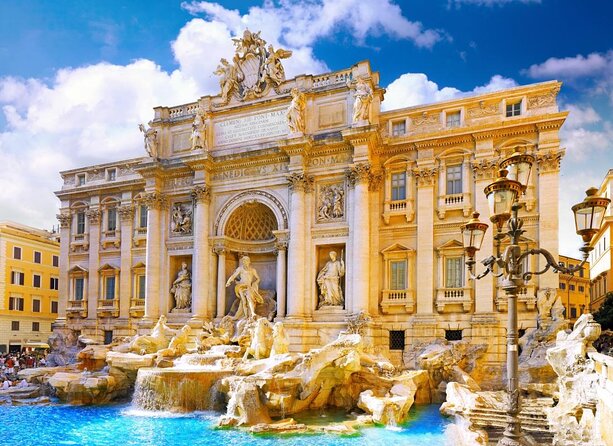
- Stop 2: Fontana di Trevi (ruins, the fountain, then your coin toss)
- Stop 3: Piazza Di Pietra (Hadrian’s Temple context)
- Stop 4: Piazza Sant’Ignazio (a church and the story around it)
- Stop 5: Chiesa di Santa Maria Sopra Minerva (Bernini’s elephant)
- Stop 6: Pantheon (why it influenced Renaissance artists)
- Stop 7: Piazza Navona (one of Rome’s most beautiful squares)
- Pizza-making class: what you’ll do with your hands
- The included lunch (and why it’s part of the value)
- Small group size: the practical advantage you’ll feel
- Timing and pace: what to watch out for
- Where it’s best for you
- Should you book this Rome Heart of the City walking tour + pizza class?
- FAQ
- How long is the walking tour and pizza class?
- How big is the group?
- Where does the tour start and end?
- Is there a pizza meal included?
- Do I get anything to take home?
- Do I need to print tickets?
- What’s the price?
- Can I cancel for a full refund?
- What if I have accessibility needs or need to bring a service animal?
Key highlights to expect (fast)
- Up to 8 people means more direct help during both the walk and the pizza-making
- Trevi Fountain coin-and-photos time so you’re not just rushing past
- Bernini’s elephant and Hadrian’s Temple area stops that add variety beyond the obvious
- Pantheon focus with context on why it influenced Renaissance artists
- Pizza from dough to toppings, plus lunch, dessert, and a drink
- Pizza dough recipes included for you to try at home
Why this Rome walking tour + pizza class works so well
This is the kind of tour that fixes two common first-day problems in Rome. Problem one is seeing the big sights without understanding them. Problem two is hunting down a good meal after you’ve already walked all day.
Here, the walking portion gives you a “map in your head.” You get stop-by-stop explanations that connect buildings and squares to what mattered in Roman life and later European art. Then the day turns practical and delicious at a local restaurant where you make pizza yourself. It’s a fun switch in energy: from stone and sculpture to dough, sauce, and timing.
The small group size is not just a marketing line. With only eight people or fewer, the guide can slow down when you have questions, and you’re less likely to get lost in the shuffle at crowded landmarks. It also makes the pizza class feel less like a factory and more like you’re actually learning something.
You can also read our reviews of more walking tours in Rome
The walking part: central Rome, planned for first-timers
You’ll meet in Piazza Barberini and end close to the Pantheon (near Piazza della Rotonda). The format is a guided walk with frequent short stops, so you’re not stuck listening for long stretches. Most people can keep up because the time at each sight is limited, and you get built-in moments to look around and take photos.
A smart bonus: some stops are quick orientation points that help you appreciate what you’re seeing from the street. That matters in Rome, where many masterpieces are visible for only a moment before you’re moving on.
Stop 1: Piazza Barberini (the warm start)
You begin with a brief introduction in Piazza Barberini. This is your setup moment: where you are in central Rome and what the route will focus on. It’s useful if you’re trying to orient quickly on day one.
One practical tip for this stage: stand where you can see your guide and still look outward. You’ll be moving soon, and you want to register the neighborhood feel without feeling rushed.
Stop 2: Fontana di Trevi (ruins, the fountain, then your coin toss)
Next comes Fontana di Trevi, one of the most recognizable scenes in Rome. On the way, you pass the ruins of an ancient aqueduct, then reach the fountain itself. The guide explains the site’s history, then you get time to wander, take photos, and throw coins into the fountain.
Why this stop works: you’re not just going to Trevi Fountain as a photo spot. You see it in context of how water and engineering shaped the city. That simple link makes the fountain feel less like a postcard and more like part of Rome’s everyday story.
The tradeoff is also clear: Trevi is busy. Your best move is to use your photo time efficiently—shoot a few wide angles, then grab one or two close shots when the crowd thins slightly.
Stop 3: Piazza Di Pietra (Hadrian’s Temple context)
Then you reach Piazza Di Pietra, with an explanation of the square and Hadrian’s Temple. Even if you only catch fragments around the area, the guide’s context helps you understand why this part of Rome matters and what you’re seeing at street level.
This stop is short, but it’s the kind of “small pause” that makes the bigger sights feel more connected. You leave knowing what the ruins and nearby spaces are tied to.
You can also read our reviews of more tours and experiences in Rome



Stop 4: Piazza Sant’Ignazio (a church and the story around it)
At Piazza Sant’Ignazio, you get historical and cultural significance tied to the square and the church. This is a nice change from the most famous tourist magnets, because it helps you notice how Rome’s religious spaces shaped the city’s identity over time.
A consideration here: if you’re expecting a full stop inside the church, the timing is brief. The value is in the exterior context and square-level perspective.
Stop 5: Chiesa di Santa Maria Sopra Minerva (Bernini’s elephant)
Next is Chiesa di Santa Maria Sopra Minerva, where the guide explains Bernini’s elephant. It’s a quick moment, but it’s memorable for a simple reason: it gives you a specific detail to look for, not just another church facade.
When you know what to spot, Rome’s “small art” moments become easier to notice. Keep your eyes up and around the area the guide points out, because the interesting detail can be easy to miss if you’re only staring at the big buildings.
Stop 6: Pantheon (why it influenced Renaissance artists)
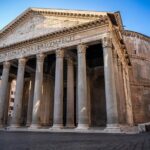
The walk culminates at the Pantheon, where the guide shares historical facts about the site and how it inspired Renaissance masters. You’ll spend time here with explanation, and since the tour ends close to the Pantheon area, you can plan your next steps without crisscrossing the city.
The value at this stop is the cause-and-effect. When you hear why the Pantheon mattered, you start seeing it as more than an old temple. It becomes a reference point that artists and builders later studied.
If you want a practical strategy: after your guided time, look for the elements that explain the building’s influence. Even if you’re not an architecture expert, the guide’s framing makes the visual cues more meaningful.
Stop 7: Piazza Navona (one of Rome’s most beautiful squares)
You’ll also reach Piazza Navona, with a historical explanation of one of Rome’s most beautiful squares. This is a great “wrap” moment before the food part of the experience starts. It gives you something open and scenic at the end of the walking circuit.
In terms of pacing, this stop is timed so you’re ready to transition. You’ll likely want your energy back for the pizza class, not for a long wandering detour.
Pizza-making class: what you’ll do with your hands
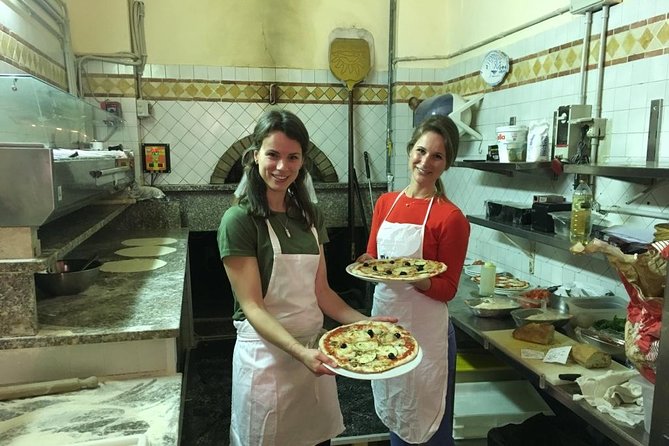
After the walking portion, you continue to a local restaurant. This is where the tour stops being a sightseeing product and becomes a skill experience.
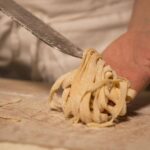
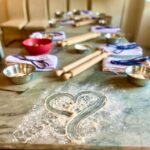
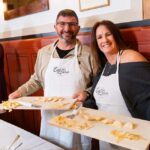
You make your own pizza starting with the dough and then moving into toppings. The included meal is more than a snack: you get lunch of pizza, plus dessert and a drink. And unlike some short classes that only cover sauce or assembly, you also get recipes so you can try making the perfect pizza dough back home.
What I like about the structure is that it creates a real memory. You’ll remember the taste of Rome, but also the process: texture, timing, and how the dough transforms. That’s the kind of learning that actually travels well. You don’t just have photos; you have a repeatable result.
One thing to plan for: pizza-making takes time and attention. Wear clothes that handle a bit of mess, and don’t plan a super rushed next stop right after lunch. You’re there to learn and eat.
The included lunch (and why it’s part of the value)
This tour bundles pizza lunch with dessert and a drink, so you don’t need to do the usual day-one math of where to grab food between major monuments. At $137.62 per person for roughly 3 hours, the price makes more sense when you think about what’s included beyond entry fees: guided walking, the pizza class itself, and the meal components.
The real value is the combination. If you tried to piece together the same day from scratch, you’d pay for a guide to make sense of the sights, then pay for a class or cooking workshop separately, and still face the stress of timing it all. Here, it’s planned as one flow: sights first, then food when you’re ready.
Also, the small group size helps keep the pizza class from feeling rushed. You’re more likely to actually get hands-on guidance rather than watching from the sidelines.
Small group size: the practical advantage you’ll feel
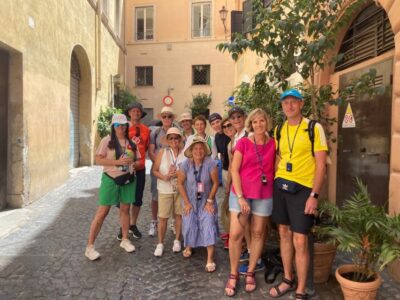
A maximum of 8 travelers (or fewer) is the difference between feeling like a line in a theme park and feeling like a group with a plan. On the walk, it helps you stop for photos without being swallowed by a crowd. At landmarks like Trevi and the Pantheon, crowd density can be intense, so being in a smaller group makes the guide’s instructions more usable.
In the restaurant, the same idea holds. Pizza-making isn’t just a passive activity. If people are crammed together, you miss cues and your dough timing can suffer. With fewer people, the guide can give you clearer direction, and you can focus on your own pizza instead of worrying about the next step.
Timing and pace: what to watch out for
This tour is about 3 hours. The stops are varied in length, with some around 5 to 15 minutes and some longer explanations while still keeping you moving. That’s great for short stays, but it also means you won’t linger deeply at every spot.
If you like to take lots of photos, you’ll be fine because the route includes photo time at key moments. Just remember: Rome’s top attractions are crowded, so your best photos often come when you’re flexible and ready to shoot quickly during your allotted time.
Comfort is important. You’re walking through central Rome at a tourist-heavy pace, so wear supportive shoes and keep a light layer handy. Even in comfortable weather, you’ll be on your feet for most of the tour.
Where it’s best for you
This experience fits best if:
- You’re in Rome for the first time and want central highlights without getting overwhelmed
- You only have a half day and want a plan that includes a real meal
- You like hands-on activities and want to learn pizza-making, not just eat it
- You prefer a small group for more personal attention
It’s less ideal if you want slow sightseeing, long indoor time, or a deeply detailed architectural lecture at every stop.
Should you book this Rome Heart of the City walking tour + pizza class?
Yes, if you want a first-day Rome plan that feels both structured and fun. The combination is strong: guided walking that teaches you what you’re seeing, then pizza-making that gives you something tangible to take home (recipes) and a meal you don’t need to plan.
I’d especially recommend it if you like the idea of ending near the Pantheon, because it sets you up for an easy follow-on evening in the same area. If you’re okay with a brisk pace and you’re excited to make pizza dough yourself, this is a smart use of a short visit.
If you want, I can also suggest a simple pre- and post-tour plan (near the Pantheon) based on the time of day you’re going.
FAQ
How long is the walking tour and pizza class?
It runs for about 3 hours.
How big is the group?
The tour has a maximum of 8 people.
Where does the tour start and end?
You start at Piazza Barberini and the tour ends close to the Pantheon, near Piazza della Rotonda.
Is there a pizza meal included?
Yes. Pizza lunch is included, along with dessert and a drink.
Do I get anything to take home?
You receive recipes so you can make the perfect pizza dough back home.
Do I need to print tickets?
No, it uses a mobile ticket.
What’s the price?
The price is $137.62 per person.
Can I cancel for a full refund?
Yes. You can cancel up to 24 hours in advance for a full refund.
What if I have accessibility needs or need to bring a service animal?
Service animals are allowed, it’s near public transportation, and most people can participate.