REVIEW · ROME
Rome’s Baroque Art Walking Tour: Who Killed Caravaggio?
Book on GetYourGuide →Operated by What About Tours · Bookable on GetYourGuide
A murder mystery, painted in candlelight. This Rome Baroque art walking tour turns one of art’s biggest mysteries, who killed Caravaggio, into a clue-by-clue story you can actually walk through. I like the catchy, darkly funny storytelling and the way the route mixes famous stops with quieter corners you’d likely miss on your own. The one real drawback is the tone: expect dark humor and politically incorrect jokes, and you’ll also need church-appropriate clothing.
I also like the practical feel. You move between open piazzas and cooler churches for shade and shelter, and it’s built to stay comfortable if the weather shifts. In the English-led groups, guides such as Iván and Jacobo have been praised for passionate, story-forward art-historical explaining, including details they pull from archives and books—useful when you’re trying to make sense of a life like Caravaggio’s. And since it’s tip-based, you’ll want to plan your budget for a meaningful tip.
In This Review
- Key Takeaways Before You Start
- Entering The Caravaggio Mystery at Piazza della Minerva
- Baroque Art You Can Read Like Clues (Caravaggio, Rafael, Plautilla Bricci)
- The Walking Rhythm: Piazzas, Churches, and Time Well Spent
- Stop-by-Stop: From the Pantheon to Palazzo Borghese
- Piazza della Minerva: Your Case Begins
- Quick Transfer Near the Pantheon
- Church of St. Louis of the French: Dark Humor Meets Sacred Space
- Basilica of St. Augustine: Where Tone Shifts Toward Evidence
- The Mid-Route Church Stop: A 10-Minute Evidence Moment
- Photo Stop + Guided Close to the Finish
- Palazzo Borghese: The Ending Note
- The Value Math: Why the Price Feels Too Low (and Tips Matter)
- Humor, Tone, and Whether This Case Is for You
- Who This Tour Fits Best
- What to Do Before You Go
- Should You Book the Rome Baroque Art Investigation?
- FAQ
- Where does the tour meet?
- How long is the Rome Baroque art walking tour?
- Is the tour guided in English?
- What kind of places does the route visit?
- Which major Rome sites are included?
- Is the tour paid by ticket price or tips?
- What tip amount is typical?
- What’s the cancellation policy?
- Which artists’ works are highlighted?
Key Takeaways Before You Start
- Caravaggio’s death gets treated like a case file, using historical evidence and competing theories, not just facts on a wall.
- Rare artworks tied to Caravaggio, Rafael, and Plautilla Bricci show up in churches along the route, so you see Baroque art in context.
- The pace is designed for real comfort with short walks plus places to pause, sit, and escape sun or rain.
- Storytelling does the heavy lifting—engaging, sometimes edgy humor helps you remember what you just saw.
- You meet at Piazza della Minerva by the elephant and obelisk, so you’re starting in a classic Rome image.
Entering The Caravaggio Mystery at Piazza della Minerva
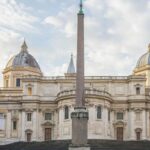
Most Rome tours start with a landmark. This one starts with a question. You begin at Piazza della Minerva, meeting by the elephant statue with the obelisk. It’s a fitting start point because the square already feels like a collage of Rome’s layers—classical gravity and later Baroque theater in one place.
From the first stop, the tour’s style is clear: you don’t just look at art, you read it. A photo pause and short guided section there give you the ground rules—how the guide wants you to connect locations, patrons, rivals, and the darker side of the city’s art world. That matters because the big “whodunit” isn’t one single painting. It’s Caravaggio’s life, his enemies, and the unanswered question of his final days.
The best part of starting here is that it helps you get your bearings fast. Even if you’re new to Rome’s center, you’re anchored by a recognizable monument while the guide turns the city into a timeline.
You can also read our reviews of more walking tours in Rome
Baroque Art You Can Read Like Clues (Caravaggio, Rafael, Plautilla Bricci)
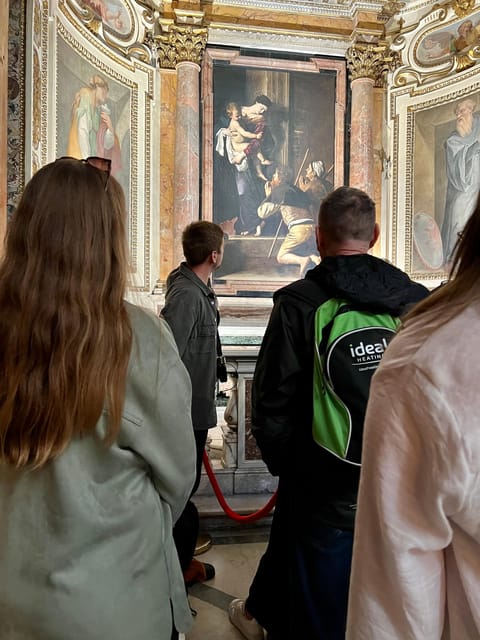
The tour’s central promise is “a totally new way to interpret art.” You feel that shift right away because the artworks aren’t presented only as masterpieces. They’re presented like evidence—visual choices that connect to a person’s temperament, a patron’s agenda, or a rival’s pressure.
What I’d watch for, as a reader and a thinker, is how the guide uses the art to explain behavior. Caravaggio is famous as a revolutionary painter, but revolution comes with friction. This tour frames that friction as part of the story: street fights, powerful patrons, rival artists, and criminal enemies all become pieces in a puzzle.
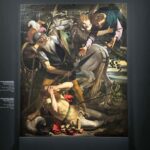
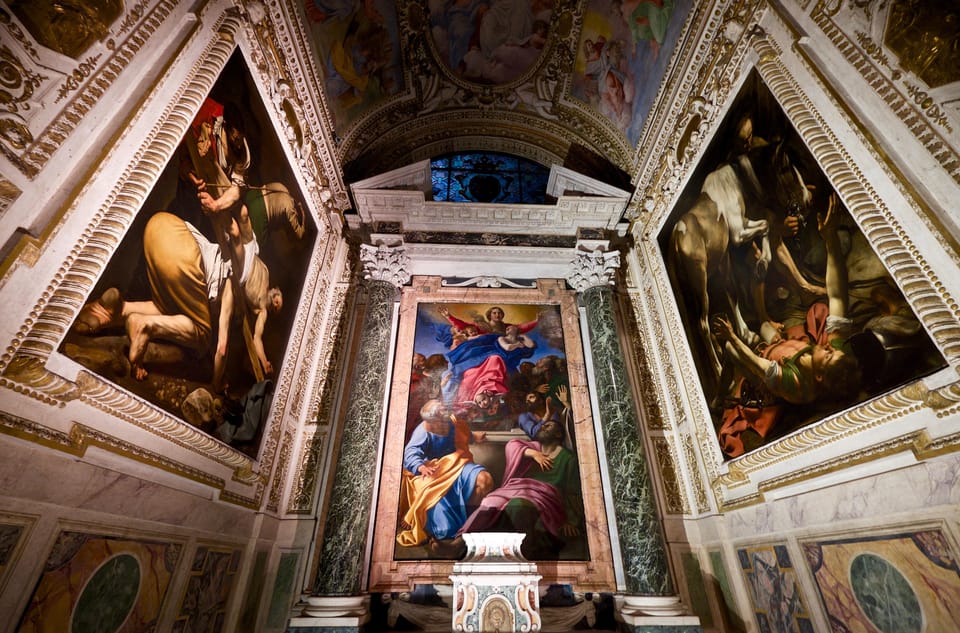
You’ll also spend time with works connected to Caravaggio, Rafael, and Plautilla Bricci. The practical value here is that it widens the lens beyond one obsession. You get to see the Baroque world as a network of styles and agendas, where different artists were responding to the same cultural machine—religion, politics, status, and money.
And because the guide ties in historical evidence and eyewitness accounts alongside modern theories, you don’t end up with one tidy answer. You end up with something more useful: a sense of how uncertainty works, and how you can still learn a lot without the final verdict.
The Walking Rhythm: Piazzas, Churches, and Time Well Spent
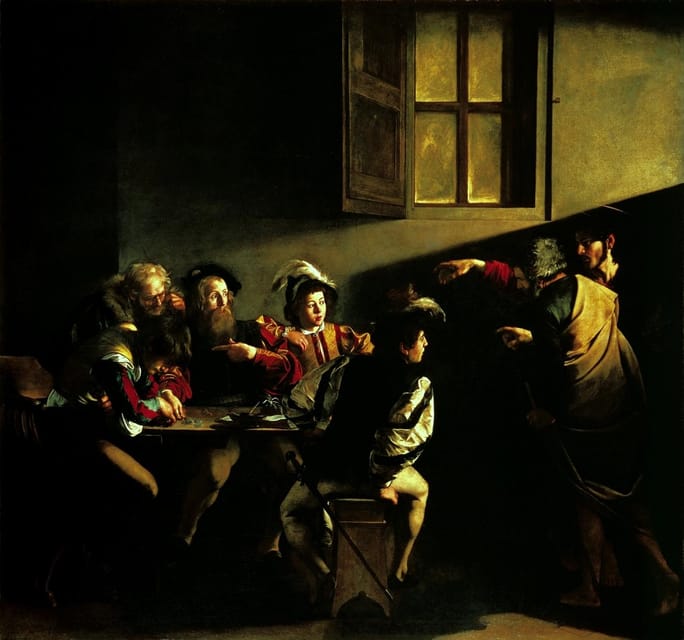
This is a 2-hour walking tour, and the route is built around short hops. You’ll spend time in open space, then switch quickly into church interiors for cooler air and atmospheric quiet. That means you’re not stuck overheating in one long stretch of sun.
The itinerary includes multiple short photo moments and guided stops, so the tour doesn’t feel like one long lecture. You’ll get brief windows to look up, take photos, and then reset your brain before the guide explains what you’re actually seeing.
There’s also a comfort factor: it’s designed to work in any weather. The plan moves between shade and shelter, with places to sit along the way. In Rome, that small detail matters more than it sounds. When you’re trying to follow a true-crime style narrative, you need your attention span to stay sharp.
The total walking time is manageable, and the pace is tuned for people who want culture without turning the day into a fitness challenge. Still, plan for cobblestones and plenty of standing inside churches. Comfortable shoes aren’t optional.
Stop-by-Stop: From the Pantheon to Palazzo Borghese
Here’s how the experience unfolds in practical terms, and what each kind of stop adds to the story.
Piazza della Minerva: Your Case Begins
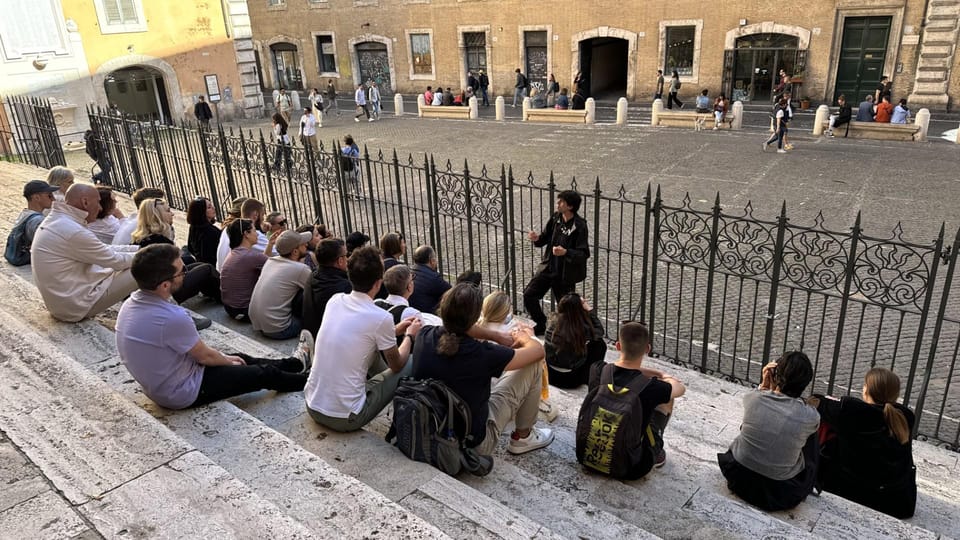
You’ll start with a photo stop and a guided introduction. This is where the guide sets tone and explains the approach: Baroque art as narrative, location as clue, and the city as an archive of old conflicts.
This first segment is short, about 15 minutes, but it’s important. If you want to understand the rest, you need the guide’s framework early.




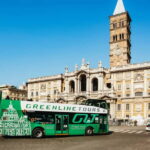

Quick Transfer Near the Pantheon
Next you get a fast walk toward the Pantheon area—around 5 minutes. This brief moment works as a reset and a contrast. You’re moving from one symbolic space into a Rome icon, and the guide can use that shift to show how the city’s artistic power keeps repeating across centuries.
Even with minimal time here, you benefit from context. A fast stop can still teach you how to look.
Church of St. Louis of the French: Dark Humor Meets Sacred Space
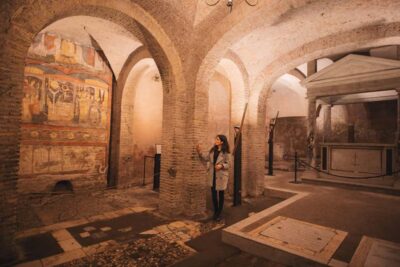
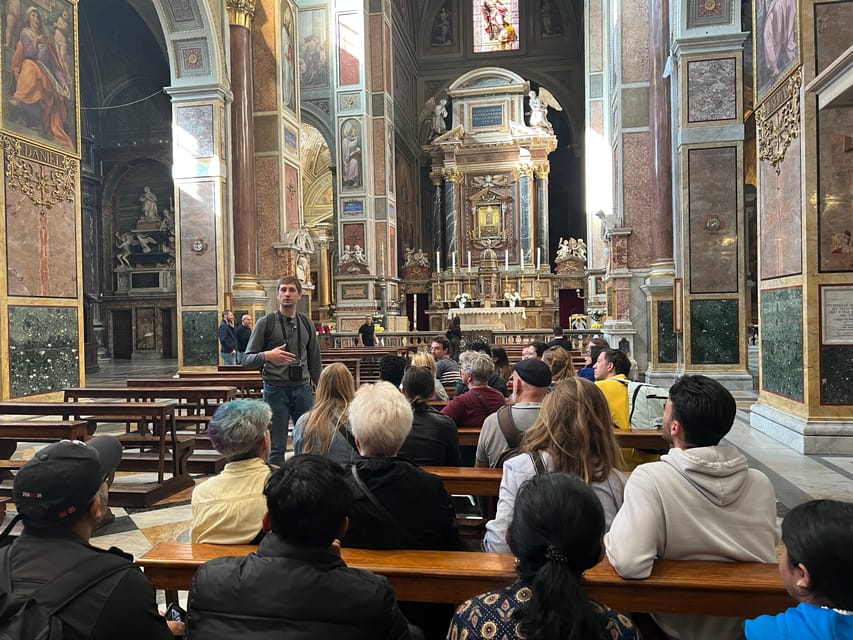
Then you head to the Church of St. Louis of the French for a 15-minute guided visit plus a photo stop. This is a key kind of stop for the tour’s style. Caravaggio’s world sits right next to the religious institutions that commissioned, judged, and displayed Baroque art.
The church setting also sharpens the mood. Candlelit or dim interiors make the story feel more grounded, less like a museum lecture. And yes, this is where the guide’s dark humor tends to land hardest—because sacred surroundings make the jokes feel riskier, and that’s part of the theatrical effect.
Basilica of St. Augustine: Where Tone Shifts Toward Evidence
You’ll visit the Basilica of St. Augustine, another 15-minute segment. The guide uses this stop to continue connecting art choices with the social reality around Caravaggio: patrons, reputations, and the consequences of making powerful people uncomfortable.
If you’re the type who likes to understand how stories were constructed, this is a good moment to pause and look slowly. In churches, the art isn’t always presented for quick scanning. Give yourself a minute to see the composition before the guide moves on.
The Mid-Route Church Stop: A 10-Minute Evidence Moment
There’s also a shorter, unnamed church-style stop in the middle of the route, about 10 minutes. It’s brief by design—think of it as one more clue added to the case without breaking the flow.
This is the part where, if you’re drifting, it pays to pay attention for those few minutes. The tour relies on momentum, and small stops still carry meaning.
Photo Stop + Guided Close to the Finish
A later 5-minute photo stop with guided explanation keeps you switching between visual and story. Short photo windows aren’t filler here. They help you remember what the guide told you because you’re capturing the scene while it’s fresh.
If you’re taking photos, keep it quick. Churches can have rules about movement and timing, and you’ll want to stay focused on the explanation.
Palazzo Borghese: The Ending Note
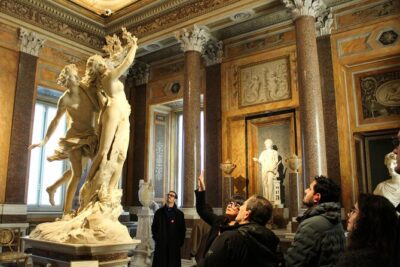
You finish at Palazzo Borghese after the final set of guided moments. It’s a fitting finish for a tour about power, money, and influence—because the Borghese name is basically shorthand for elite Rome.
The close of the tour is where the narrative clicks. You’ve seen the art in spaces where it was meant to be seen, and you’ve heard the competing theories about Caravaggio’s death. Instead of a single neat answer, you walk away with a better sense of how a mystery can still teach you something real about a city and an artist.
The Value Math: Why the Price Feels Too Low (and Tips Matter)
The advertised price is $3.77 per person, and that’s not a typo. The experience is tip-based, working on a Pay-What-You-Want model where the guides are paid through your tips alone.
In plain terms: you’re buying a ticket at a symbolic price. The real cost is what you decide to tip. The guide suggests tips usually fall between 10€ and 50$.
So how do you judge value? I’d look at two things:
1) Do you want a guided narrative through multiple church interiors? If yes, you’re paying for interpretation, not just entry.
2) Are you willing to tip in a way that matches the work you receive? Because the model means your tip directly supports the guide who’s doing the story stitching.
If you’re the type who only tips reluctantly, this might not feel fair to the guide’s effort. If you’re comfortable tipping for quality, the low upfront price can feel like a bargain—especially since the tour is only 2 hours, so you’re not paying for a long, exhausting day.
Humor, Tone, and Whether This Case Is for You
This isn’t a polite, museum-voice tour. It includes dark humor and politically incorrect jokes as part of the storytelling style.
That can be great if you enjoy edgy humor and you’re okay with the idea that Baroque art and the people around it weren’t always politically correct either. Caravaggio’s life story is tense and violent. A joke that lands at the right moment can make the history feel less distant.
But if you’re easily offended, or you prefer clean, family-friendly narration, consider that tone a serious factor. The art is real and the interpretations matter, but the delivery is deliberately provocative.
Also, dress appropriately for church entry. That’s not a minor detail. If you show up casually dressed, you could spend the early part of the tour worrying instead of watching.
Who This Tour Fits Best
This experience is best for you if you want Rome through a story engine instead of a checklist.
You’ll probably love it if you:
- like true-crime style storytelling attached to real history
- want to see Baroque art in churches, not just in a gallery room
- enjoy guides who explain not only what a painting is, but what it signals about the world around it
- appreciate lesser-known corners mixed with famous landmarks
You might skip it if you:
- hate humor that can be dark or politically incorrect
- need a silent, strictly academic atmosphere
- want lots of time sitting and lingering in art without frequent movement
What to Do Before You Go
Since the route includes churches, plan your clothing first. Choose something that will pass “church entry” expectations. Bring a light layer if you get cold in church interiors, even on warm days.
Also bring a phone with enough battery. You’ll have photo stops, and it’s nice to capture the spaces where the guide’s explanations make the most sense visually.
Finally, go with the mindset of an investigator. The tour works best when you’re actively noticing patterns—how a painting, a location, and a historical detail fit together like clues.
Should You Book the Rome Baroque Art Investigation?
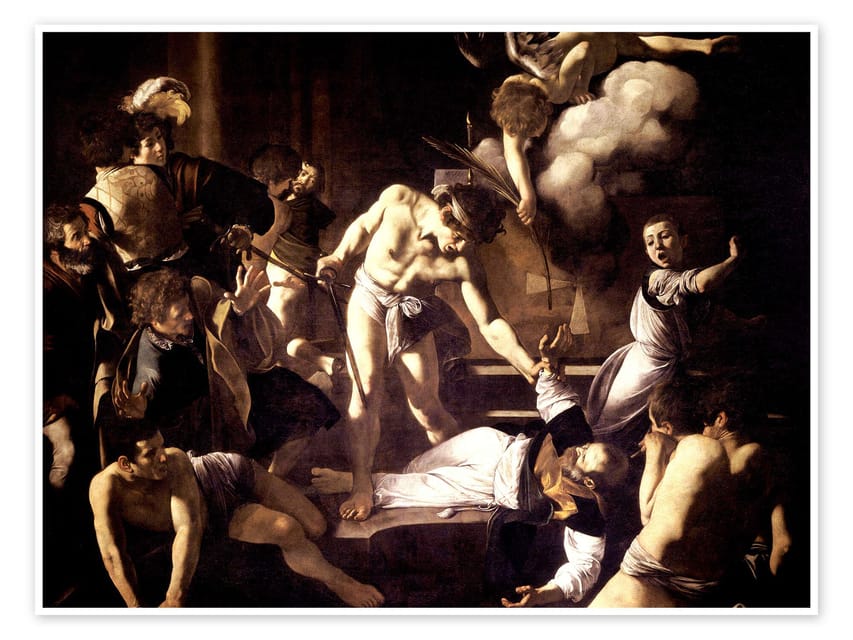
Book it if you want a high-energy Rome walk where Caravaggio’s mystery becomes a guided reasoning puzzle. The route mixes major landmarks like the Pantheon area with specific church visits and a finish at Palazzo Borghese, and the storytelling style—seen in the way guides like Iván and Jacobo are praised—turns art history into something you can actually follow.
Skip it if you dislike edgy humor or you want a strictly formal tone. And budget for tips, because the upfront price is only part of the equation in this Pay-What-You-Want setup.
If you’re okay with that, you’ll leave with a new lens on Baroque art. Not just what it looks like. What it meant, and why it mattered enough to attract enemies.
FAQ
Where does the tour meet?
You meet in Piazza della Minerva, by the elephant statue with the obelisk. There’s a sign with the name of the tour.
How long is the Rome Baroque art walking tour?
The tour lasts 2 hours.
Is the tour guided in English?
Yes, it’s a live guide in English.
What kind of places does the route visit?
You’ll move between open piazzas and churches, with shade, shelter, and some places to sit.
Which major Rome sites are included?
The itinerary includes stops such as the Pantheon area, the Church of St. Louis of the French, Basilica of St. Augustine, and it finishes at Palazzo Borghese.
Is the tour paid by ticket price or tips?
It’s tip-based using a Pay-What-You-Want model. Your guide works on tips alone.
What tip amount is typical?
Tips are usually between 10€ and 50$.
What’s the cancellation policy?
There’s free cancellation up to 24 hours in advance for a full refund.
Which artists’ works are highlighted?
The tour focuses on artworks connected to Caravaggio, Rafael, and Plautilla Bricci.