REVIEW · ROME
From Rome: Pasta & Tiramisù Cooking Class near Spanish Steps
Book on GetYourGuide →Operated by Naples Together · Bookable on GetYourGuide
Two dishes, one chef, instant Rome flavor. This hands-on class near the Spanish Steps has you making homemade fettuccine and tiramisù, then eating what you cook with drinks. It is a fast, fun way to get real technique, not just a tasting.
I love the clearly taught, practical steps: you form the dough, learn how to cut delicate strands, and get guidance on how pasta should pair with sauce. You also get the dessert rhythm down for tiramisù, layering mascarpone, espresso-soaked ladyfingers, and cocoa with a steady hand.
One possible drawback: the class is only 2 hours and focuses on two specific dishes. If you want a longer meal with a wider menu of cooking styles, this may feel a bit short.
In This Review
- Key things I’d focus on before you book
- From Trattoria Amici to the Cooking Bench in Central Rome
- Homemade Fettuccine: The Real Skill You’ll Bring Home
- Tiramisù: Espresso, Mascarpone, and the Layering Mindset
- The Eating Part: Wine, Limoncello, and Espresso with Your Lunch
- Chef Guidance and Small-Group Energy Near the Spanish Steps
- Price and Value: Does $101 per Person Make Sense?
- Who Should Book This Pasta and Tiramisù Class?
- Should You Book It?
- FAQ
- Where is the meeting point for the class?
- How long is the pasta and tiramisù cooking class?
- What dishes will I learn to make?
- What drinks are included during the experience?
- Is there a chef certificate included?
- What languages are the instructors available in?
- Is this a small-group class?
- Can I buy a limoncello souvenir with my photo?
- Is free cancellation available?
- What is the price per person?
Key things I’d focus on before you book
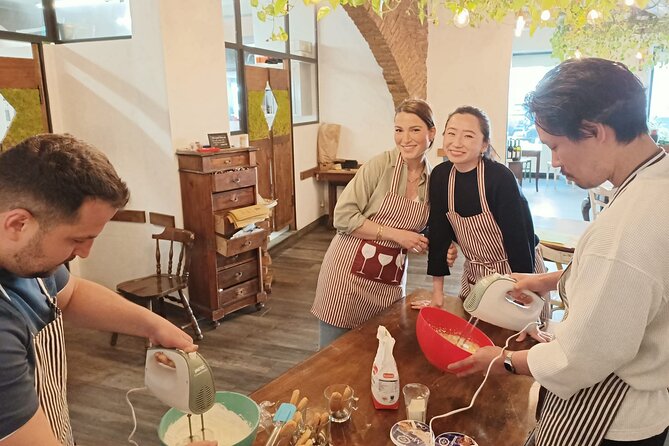
- Fresh fettuccine from scratch: you make the dough and learn to cut it properly.
- Tiramisù layering technique: mascarpone, espresso-soaked ladyfingers, and cocoa in the right order.
- Small-group attention: the class format is built for personal guidance, not a big show.
- You actually eat your work: homemade fettuccine for lunch plus tiramisù afterward.
- Drinks included: wine or a soft drink, plus espresso or limoncello.
- A fun souvenir option: your photo can be added to a limoncello bottle you can purchase.
From Trattoria Amici to the Cooking Bench in Central Rome
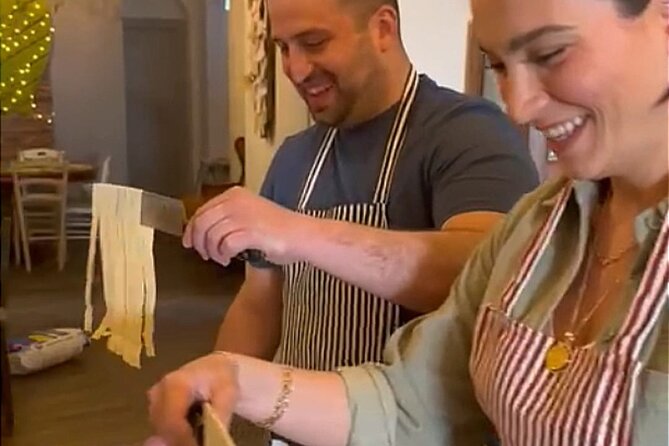
This class meets at Trattoria Amici, right in the Rome area convenient to the Spanish Steps. You’ll be greeted with the lead traveler’s name, then you settle in with your group and get ready to cook. The whole setup feels more like you’re joining a chef for a lesson than taking a performance class.
I like the central location for one big reason: you can pair it with an afternoon of walking. You are close enough that you can plan a scenic route before or after, without needing a long commute across town. And because you eat during the class, you’re not left scrambling for lunch afterward.
The vibe is also helped by the staff’s friendliness. In reviews, people point out how helpful and warm the team is, and that matters in a hands-on lesson. If you’re nervous about cooking, a supportive environment makes a difference fast. One review even calls out chef Roberto as especially great and kind, which fits the overall tone.
If you’re very sensitive to noise or crowds from the city center, this isn’t a quiet countryside retreat. But for most visitors near the Spanish Steps, that energy is part of the fun.
You can also read our reviews of more cooking classes in Rome

Homemade Fettuccine: The Real Skill You’ll Bring Home
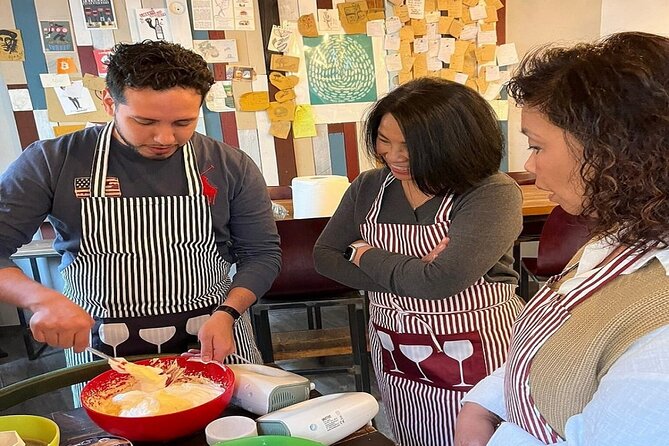
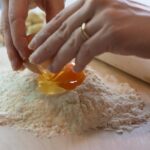
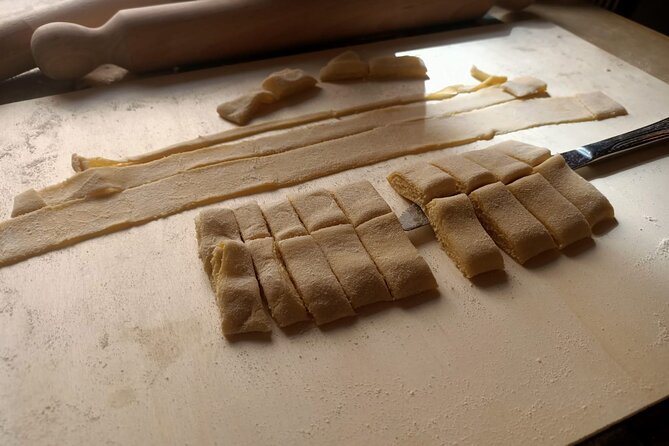
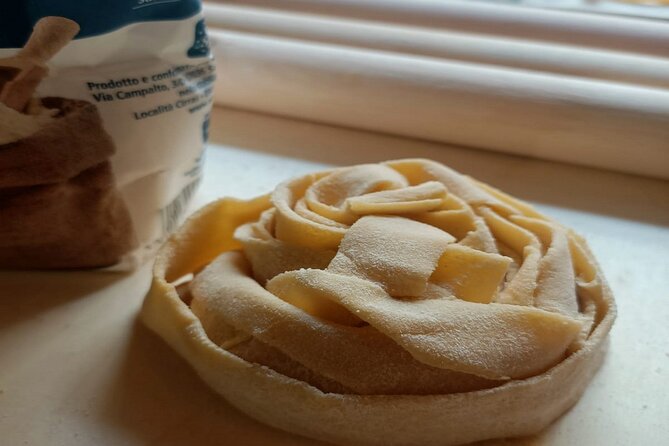
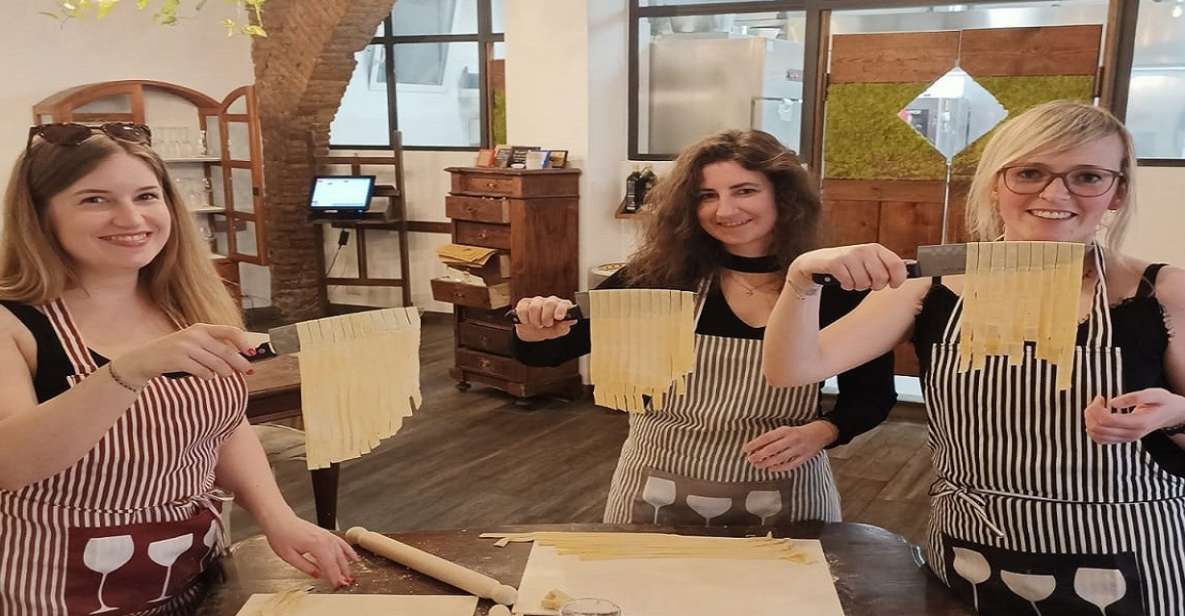
The main cooking block starts with homemade fettuccine. You’re not just watching. You’re working the dough: mixing, kneading, and then cutting it into delicate strands. That sequence is the heart of learning pasta. Once you understand how the dough feels, you stop treating pasta as magic and start treating it as technique.
Here’s what makes this lesson valuable for your own cooking later:
- You get coaching on ingredient quality—what to look for and why it matters. Pasta is simple, so the details matter.
- You learn the mechanics of dough: kneading is where texture gets right, and cutting is where “good enough” turns into actually beautiful pasta.
- You receive tips for how to think about pairing pasta with sauce, so you’re not stuck with the one sauce you ate that day.
Two hours means it will be focused. Expect a tight workflow where the chef keeps the pace moving. That is not bad. Fast lessons often stick better because you’re practicing in short bursts, and the chef is right there to correct you.
A possible limitation (and it’s worth knowing up front): you’re mainly learning fettuccine, not a broad range of pasta shapes. So if you were hoping to leave with, say, multiple dough variations or different pasta types, this course won’t cover that breadth. But if you want one strong pasta skill you can repeat, this is a solid choice.
Tiramisù: Espresso, Mascarpone, and the Layering Mindset
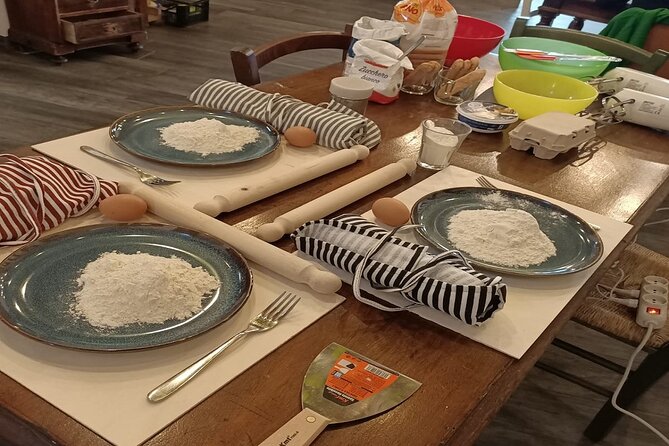
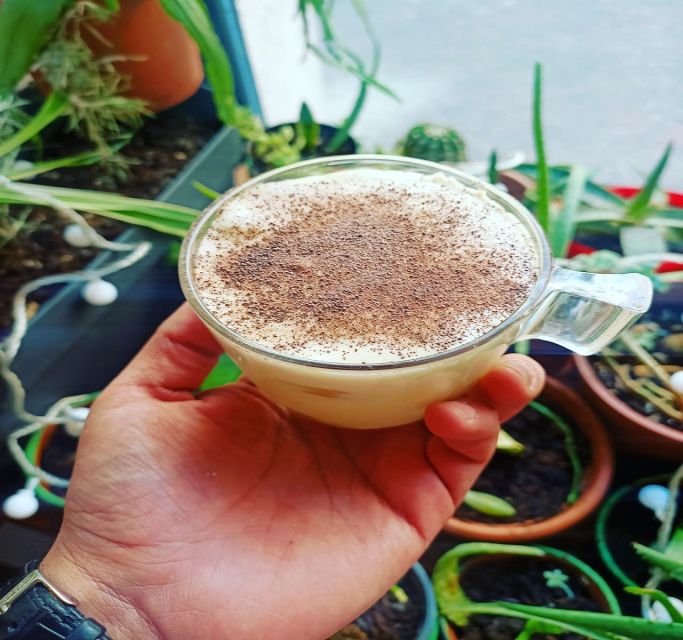
Then comes dessert: tiramisù. The class takes you through the key moves—layering mascarpone cream, espresso-soaked ladyfingers, and finishing with cocoa powder. The chef’s role here is to show you how to build structure. Tiramisù is deceptively easy until you realize the texture depends on balance.
What you’re really learning is the layering mindset:
- How to handle the espresso-soaked ladyfingers without turning everything into mush.
- How to distribute mascarpone so every slice has the same ratio of cream to sponge.
- When and how cocoa finishes the top for that classic look and flavor.
Because this is hands-on, you get a chance to correct your technique in real time. That’s where short classes can still be high value—there’s less time to forget what you just practiced.
Also, this dessert segment is one of the most “Rome” parts of the experience. Tiramisù is one of those dishes where tourists get the idea, but locals get the details. You’ll leave knowing the steps, not just the taste.
The Eating Part: Wine, Limoncello, and Espresso with Your Lunch
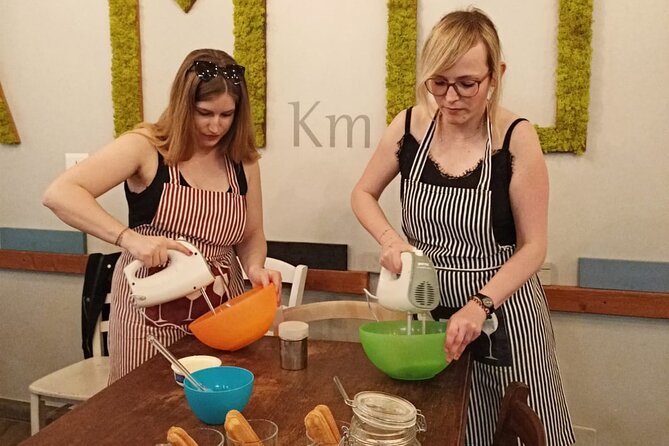
This is not a classroom where you cook and then leave hungry. You sit down and eat what you make. The class includes making and lunch of your homemade fettuccine pasta and then the tiramisù component as part of the experience.
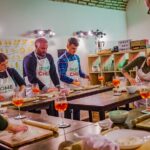
Drink-wise, you get a glass of wine or a soft drink. Later, the experience includes espresso coffee and/or limoncello, so you’re tasting the classic Italy-on-a-plate rhythm: a savory lunch, then something sweet, plus a coffee or digestif-style finish.
I especially like how drinks are built into the flow. It feels like part of the meal, not an add-on. And reviews back up that the overall experience is fun and enjoyable—people highlight that the food is genuinely good, and the setting keeps it upbeat.
One delightful detail from the reviews: the team takes a picture during the session and can place it on a limoncello bottle you can purchase at the end. It’s not required, but it’s a clever, tangible souvenir that matches the flavor theme of the class. If you like collecting small memories instead of chasing postcards, this hits the mark.
Chef Guidance and Small-Group Energy Near the Spanish Steps
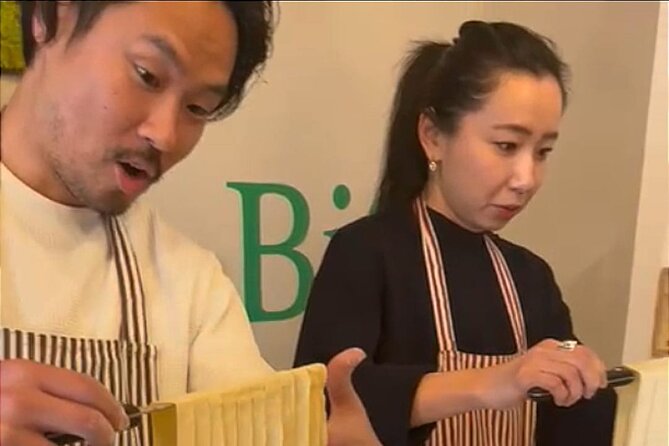
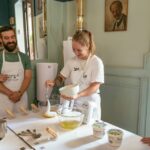
This class is positioned as a small group experience, which matters more than you’d think. Pasta dough and dessert layering are hands-on tasks. When the group is small, the chef can catch issues early—like dough texture, cutting thickness, or how you’re assembling tiramisù layers.
Based on feedback, the staff are consistently described as friendly and helpful. That makes the experience feel less intimidating, especially if you’re traveling solo or you’re not the type who regularly cooks at home. When people feel looked after, they actually enjoy learning instead of just trying to finish.
The multilingual instruction is another practical plus. You can learn in English, Spanish, or Italian, so you don’t have to worry about missing key steps because of language. That also helps with confidence when you’re asking questions about technique.
In terms of what you’ll leave with, you get a chef certificate. It might sound silly, but in reality it gives the class closure and a playful way to mark the experience.
You can also read our reviews of more tours and experiences in Rome


Price and Value: Does $101 per Person Make Sense?
At $101 per person for a 2-hour class, it is not a budget activity. But it can be good value if you look at what’s included and what you’re learning.
Here’s the value math in plain terms:
- You are making two dishes (fettuccine and tiramisù), not just one tasting.
- The class includes lunch based on what you make.
- Drinks are included: wine or soft drink, plus espresso and/or limoncello.
- You get a chef certificate, plus the experience is designed for small-group instruction.
Many Rome cooking experiences charge similar amounts for instruction and tastings only. This one adds the fact that you physically produce food you then eat during the session. That turns the price from a “tour fee” into more of a “meal + skill lesson” deal.
The limoncello bottle with your photo is an optional souvenir you can purchase. That likely increases your final spend if you want it, but it’s also a smart “only if you like it” add-on.
If you want one hands-on Rome activity that feels like you brought something home—skills, not just photos—this pricing can work.
Who Should Book This Pasta and Tiramisù Class?
This class is a good fit if you:
- Want a hands-on experience near the Spanish Steps instead of yet another museum stop.
- Like learning basic technique you can repeat at home (dough, cutting, layering).
- Enjoy food that’s classic and easy to recognize, but want to understand how to do it properly.
- Prefer a small-group feel with real interaction from the chef.
It may be less ideal if you:
- Want a long, multi-course cooking day with lots of different dishes and styles.
- Are looking for a cooking class focused on advanced culinary theory rather than practical steps.
- Expect a silent, formal tasting room vibe. This is interactive.
Also note that the class includes alcoholic options and coffee/digestif-style drinks. The listing frames it as wine or soft drink, plus espresso or limoncello, so there are options if you prefer not to drink alcohol, but coffee and dessert ingredients are still part of the experience.
Should You Book It?
If you’re in Rome and you want one activity that combines technique, eating well, and a fun atmosphere, I think this is a smart booking. The combination of fresh fettuccine and properly layered tiramisù gives you two skills that feel distinctly Italian. Add the included drinks, lunch, and the small-group attention, and you get a genuinely satisfying use of a couple of hours.
Choose this class especially if your itinerary already has you around the Spanish Steps. It makes the day easier, and you’re not spending precious time crossing Rome just to cook one dessert and a plate of pasta.
If your cooking ambitions are broader than fettuccine and tiramisù, you may want to consider a longer or more varied class. But for most visitors, this hits a sweet spot: practical lessons, a real meal, and a memorable Rome moment you can repeat.
FAQ
Where is the meeting point for the class?
You meet at Trattoria Amici.
How long is the pasta and tiramisù cooking class?
It lasts 2 hours.
What dishes will I learn to make?
You will make homemade fettuccine pasta and tiramisù.
What drinks are included during the experience?
A glass of wine or a soft drink is included, plus espresso coffee and/or limoncello.
Is there a chef certificate included?
Yes, you receive a chef certificate.
What languages are the instructors available in?
The instruction is available in English, Spanish, and Italian.
Is this a small-group class?
Yes. The experience is described as having small class sizes to ensure personalized attention.
Can I buy a limoncello souvenir with my photo?
Reviews describe that your photo may be placed on a limoncello bottle you can purchase at the end of the session.
Is free cancellation available?
Yes. You can cancel up to 24 hours in advance for a full refund.
What is the price per person?
The price is $101 per person.