REVIEW · ROME
Rome Private Walking Tour: Spanish Steps, Pantheon, Trevi, Navona
Book on Viator →Operated by Askos Tours · Bookable on Viator
Try Rome’s highlights in one calm loop. I love that you get an archaeologist guide who helps you read the city’s layout as you walk, and I love that the Pantheon ticket is part of the package so you’re not juggling entry. The one thing to consider is simple: it’s light walking, but Rome’s central sidewalks and squares can be crowded and a bit uneven, so comfy shoes still matter.
This tour is built around a tight, 3-hour route that starts at Piazza di Spagna and finishes in the Piazza Navona area. You also get flexibility with morning or afternoon start times, and there are options that work from the city center or even from the Civitavecchia cruise port. I also like that it’s truly private, so the pace and questions can match your group instead of being forced to “flow” with strangers.
Because the guide is there to connect dots, the walk feels less like checking boxes and more like seeing how Rome functions in real life. You’ll pass big landmarks, major squares, and key “power points” in the city, then end in Piazza Navona’s unmistakable stadium shape. If you want Rome to make sense quickly, this style of tour is a good fit.
In This Review
- Key Highlights You’ll Actually Feel
- Piazza di Spagna to Set the Tone: Spanish Steps without the stress
- Trevi Fountain on Foot: Spanish Embassy, Column, then the big moment
- Through Galleria Alberto Sordi to Piazza Colonna: the elegant shortcut
- Palazzo Chigi and Palazzo di Montecitorio: Rome’s power in plain sight
- Sant’Ignazio di Loyola: baroque art language, with named creators
- Where the Pantheon Fits: a ticketed, guided moment
- Piazza Navona Finish: Domitian’s old stadium shape
- Price and Logistics: is $225.77 per person worth it?
- Should You Book This Rome Private Walking Tour?
- FAQ
- What is the duration of the Rome private walking tour?
- Where does the tour start?
- Where does the tour end?
- Is this tour private?
- Is the Pantheon ticket included?
- Are there admission tickets required for the Spanish Steps or Trevi Fountain?
- Are Palazzo Chigi and Palazzo di Montecitorio included with admission?
- What languages are available?
- How active is the tour?
- Can kids join?
- Cancellation and booking timing (quick answer)
Key Highlights You’ll Actually Feel
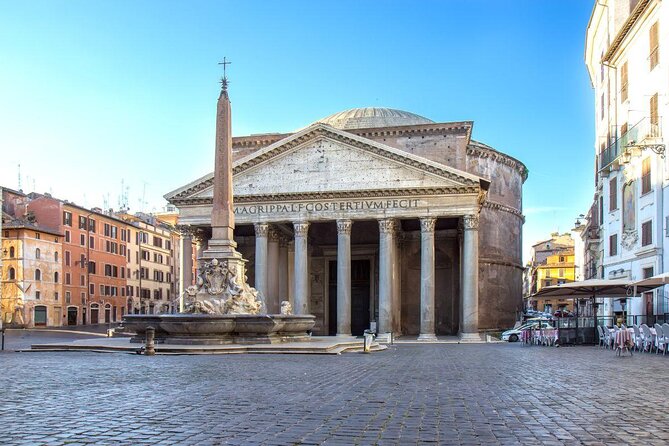
- Pantheon ticket included so you can spend more time looking and less time planning on the spot
- Private, light-paced walking that still hits the big names: Spanish Steps, Trevi, Navona, plus church and palaces
- A guide who can connect the dots with archaeological context as you move through central Rome
- Piazza Colonna area stops that show Rome’s blend of art, symbolism, and government power
- Sant’Ignazio di Loyola with baroque design details tied to Filippo Raguzzini and Andrea Pozzo
- Mobile ticket option plus an English-speaking guide for smoother logistics
Piazza di Spagna to Set the Tone: Spanish Steps without the stress
You start at Piazza di Spagna, right where the energy builds around the Spanish Steps. The meeting spot is either at the square under the steps or at a nearby hotel, which is handy if you’re staying close and don’t want to play guess-the-corner.
This opening matters more than you’d think. Spanish Steps is one of those places where the photos are easy but the context is not. With a guide pacing you through the area, you get your bearings fast—where to stand, where the sightlines lead, and how the nearby streets and plazas connect into a walkable route.
Tip: arrive a few minutes early. The steps and surrounding streets can be busy even before the main crowds fully kick in, and you want those first minutes to feel relaxed.
You can also read our reviews of more walking tours in Rome


Trevi Fountain on Foot: Spanish Embassy, Column, then the big moment
Next comes the walk toward Fontana di Trevi, with a route that passes the Column of the Immaculate Conception and the Spanish Embassy. That’s a smart setup because it breaks the walk into small “look here” moments instead of dumping you straight into the Trevi stampede.
You’ll spend about 30 minutes here, which is long enough to actually experience it instead of just orbiting it. Trevi is famous for a reason, but what I love about this portion is that you’re not only seeing the fountain—you’re seeing the urban stage around it, the way people move through that corner of Rome, and the scale that makes it feel cinematic.
Trevi Fountain has free admission, so you’re not paying to get in. In a private format, that means you’re paying for interpretation and timing—someone helping you make sense of why the place looks the way it does and how to enjoy it without losing time.
Practical note: the fountain area is one of the busiest in Rome. If you’re sensitive to crowds, this is where you’ll want to stay close to your guide’s lead.
Through Galleria Alberto Sordi to Piazza Colonna: the elegant shortcut
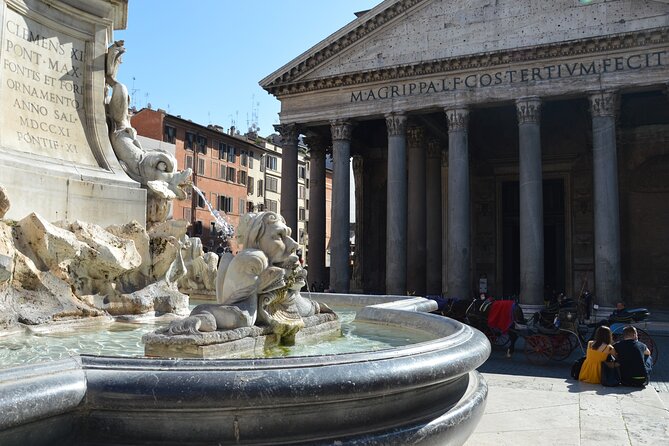
After Trevi, you head through Galleria Alberto Sordi to reach Piazza Colonna. This is one of those Rome experiences that feels like a bonus: the walk changes character as you move from open squares into a covered, gallery-style passage.
You’ll have around 30 minutes in this stretch, with key sights at the far end. The tour is designed so that when you arrive in Piazza Colonna, you’re ready to see what’s important: the Column of Marcus Aurelius and Palazzo Chigi, the headquarters of the Ministers of Italy.
This stop is valuable for a simple reason. Rome can feel like a museum of emperors and saints, but it’s also very much a working capital. Piazza Colonna is where you see that blend—history right next to the machinery of modern government.
Palazzo Chigi and Palazzo di Montecitorio: Rome’s power in plain sight
From Piazza Colonna, the tour focuses on two heavy-hitters in the political landscape: Palazzo Chigi (about 15 minutes) and Palazzo di Montecitorio (another 15 minutes). Montecitorio is where the parliament building is, and the tour route is framed so you can view these landmarks as symbols, not just background.
Neither stop lists an included admission, which is a good reminder that this is mainly a seeing-from-the-outside experience. That’s not a drawback—it’s often the best way to handle major civic buildings, since you’re spending time understanding the setting rather than getting bogged down in entry rules that vary day to day.
If you like architecture with a story—how buildings reflect authority, ceremony, and national identity—this section will land well. It also adds a different rhythm to the tour compared with fountains and churches.
Sant’Ignazio di Loyola: baroque art language, with named creators
Then you shift into religion and art at Chiesa di Sant’Ignazio di Loyola in Piazza Saint’Ignazio. This stop takes about 15 minutes, and it’s built around one of the tour’s strongest specifics: the church’s baroque architecture tied to Filippo Raguzzini, and paintings connected to Andrea Pozzo.
This is the kind of stop I enjoy because it’s not vague. The names matter. When a guide can connect an artist or architect name to what you’re looking at, you’re not just admiring shapes—you’re learning the visual grammar of baroque design.
Admission is listed as free, so the value here is about interpretation. You’re paying the guide to translate what you might otherwise miss in a quick glance.
Practical tip: if you’re taking photos, keep it respectful and follow any on-site rules. In churches, the best photos often come from patience, not from rushing.
You can also read our reviews of more private tours in Rome





Where the Pantheon Fits: a ticketed, guided moment
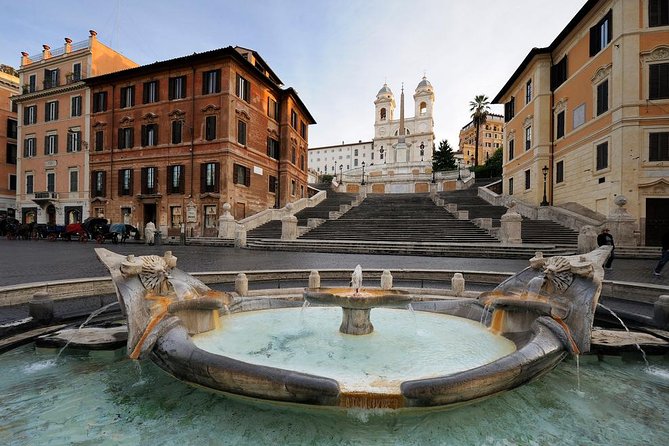
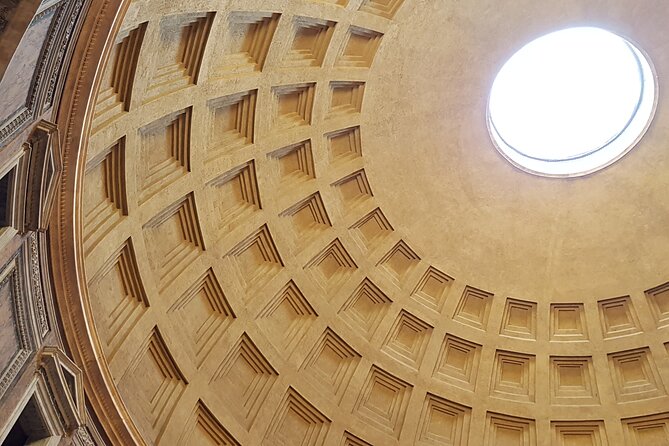
The tour includes a Pantheon ticket, even though the rest of your day is focused on walking through classic squares and landmarks. This is the part of the experience I’d treat as the “anchor,” because the Pantheon is both iconic and fast to turn into a crowd-control exercise if you’re not prepared.
With the ticket handled through the tour, you get a smoother transition into one of Rome’s most important sites. You’ll likely spend time using your guide’s explanations to understand what makes the Pantheon feel so special—its scale, its design logic, and why people keep returning even after they’ve seen it in photos.
If you’re doing Rome for the first time, this is a big deal. The Pantheon isn’t just a stop; it’s a reference point. When you leave it with context, the rest of central Rome starts to click more.
Piazza Navona Finish: Domitian’s old stadium shape
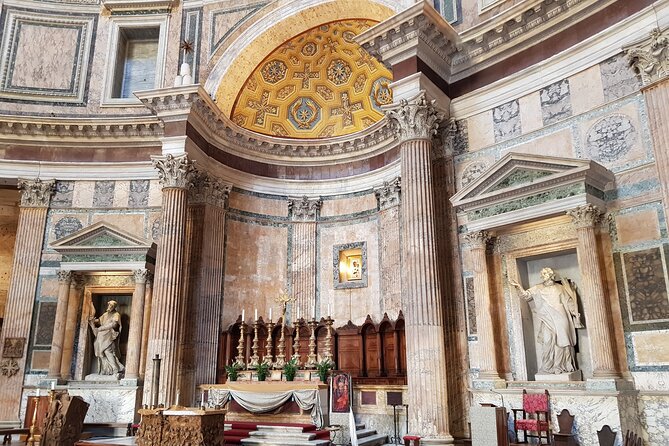
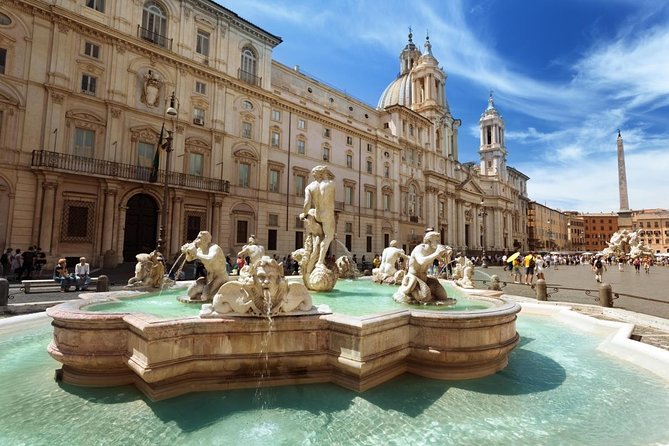
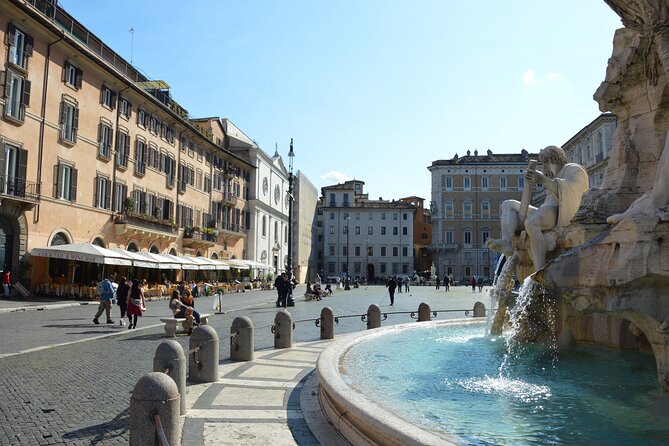
To wrap up, you reach Piazza Navona, with about 15 minutes here. The tour frames Navona as the old stadium of Emperor Domiziano, which is a key detail because it explains the shape. Even if you’ve seen Navona before, knowing the stadium layout helps you understand why the square feels so architecturally “set.”
The tour ends going toward Via Zanardelli, so you’re not just dropped into a random spot. You finish in an area that naturally pulls you toward more walking, dinner options, or simply lingering over the square’s street life.
Admission is free for Piazza Navona, so again, your payment goes back to the guide. You’re not buying entry—you’re buying clarity and pacing.
Price and Logistics: is $225.77 per person worth it?
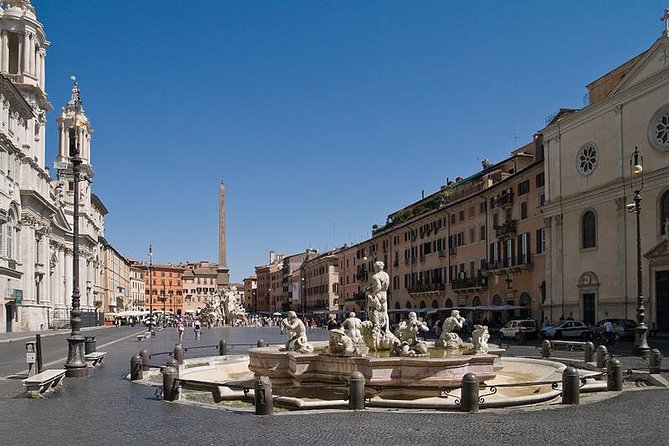
At $225.77 per person for about 3 hours, this isn’t the cheapest way to tour Rome. But the value math changes fast when you look at what’s included and what you’re avoiding.
What you get that helps justify the cost:
- Private tour (only your group), which is the biggest upgrade for families, couples, or anyone who hates being rushed
- An archaeologist guide, meaning the explanations are grounded in how ancient Rome was understood
- Pantheon ticket included, which can save time and reduce friction on the day
- Stops that are mostly free to enter, so you’re paying primarily for the guidance and route planning, not a bunch of admissions
The timing also matters. This tour is commonly booked about 37 days in advance, which tells me the best times can disappear quickly, especially if you want a morning or afternoon slot that avoids your hardest walking windows.
Who it suits best:
- First-timers who want a strong “greatest hits” route without feeling like a human conveyor belt
- Travelers who like architecture and power structures as much as churches and fountains
- Anyone who values a real guide relationship, not just a list of stops
Who should think twice:
- If you absolutely hate crowds, Trevi and Navona can be tough, even with good guidance
- If you want lots of inside time at multiple major buildings, note that some palaces are more of a view-from-the-outside experience
One more practical note: there’s no transportation included. That’s great if you want freedom and don’t want to rely on a vehicle. It also means you should plan on walking the full route comfortably.
Should You Book This Rome Private Walking Tour?
I’d book it if your goal is simple: see the Spanish Steps, Trevi, the Pantheon, and Piazza Navona with a guide who helps you understand what you’re looking at. The private format and included Pantheon ticket make it feel like a planned outing, not a random scavenger hunt.
I’d pass or look for an alternate plan if you want a quieter experience with minimal crowds, because the central squares you hit are inherently popular. Also, if your dream Rome day is mostly inside museums and long chapel time, you may find this one leans more toward street-level sights and architectural viewing.
If you fit the target—light walking, a strong central route, and meaningful context—this is one of the better ways to get Rome working in your head quickly, especially for the price-per-quality tradeoff.
FAQ
What is the duration of the Rome private walking tour?
The tour lasts about 3 hours.
Where does the tour start?
It starts at Piazza di Spagna, 00187 Roma RM, Italy, meeting at Piazza di Spagna below the Spanish Steps or at a nearby hotel.
Where does the tour end?
It ends in Rome, Metropolitan City of Rome Capital, Italy, in the Piazza Navona area going toward Via Zanardelli.
Is this tour private?
Yes. It is a private tour/activity, and only your group participates.
Is the Pantheon ticket included?
Yes. A Pantheon ticket is included.
Are there admission tickets required for the Spanish Steps or Trevi Fountain?
No admission tickets are listed for Piazza di Spagna and Fontana di Trevi, and both show admission ticket as free.
Are Palazzo Chigi and Palazzo di Montecitorio included with admission?
Admission tickets for Palazzo Chigi and Palazzo di Montecitorio are listed as not included, so you should expect viewing rather than guaranteed interior entry.
What languages are available?
The tour is offered in English.
How active is the tour?
The activity level is listed as light, and it’s a walking-focused experience.
Can kids join?
Kids are welcome under parent supervision.
Cancellation and booking timing (quick answer)
You can cancel for a full refund up to 24 hours in advance of the experience’s start time.