REVIEW · ROME
Fettuccine, Ravioli & Tiramisu Cooking Class in Rome
Book on GetYourGuide →Operated by Master pasta makers srl · Bookable on GetYourGuide
Pasta starts here, near Piazza Navona. This cooking class turns a prime Rome location into a hands-on lesson where you make tiramisu and fresh pasta from scratch with an English-speaking chef.
I love the full-from-scratch rhythm: kneading, rolling, shaping, and then finishing with classic Roman sauces. I also love the payoff meal, with a glass of wine (or a non-alcoholic drink), unlimited water, and dessert drinks like Italian coffee or limoncello.
One thing to consider: the restaurant setting can get busy, and the pacing may feel a bit tight. In some cases, you might not end up eating the exact portion you personally crafted, even though you made it.
In This Review
- Key Highlights You’ll Feel Right Away
- Piazza Navona Location: Meeting at Restaurant Gusto (and Why It Matters)
- The 3-Hour Flow: From Tiramisù to Fresh Fettuccine and Ravioli
- Kneading and Rolling Pasta Dough: The Skill You’ll Actually Take Home
- Roman-Style Fettuccine Sauce Choice: Cacio e Pepe, Amatriciana, or Tomato & Basil
- Ravioli with Butter and Sage: A Classic Finish
- Tiramisù From Scratch: Dessert That’s More Than a Sweet Ending
- Wine With Dinner, Then Coffee or Limoncello: The Relaxed Part
- Instructor Energy: What You Can Learn From the Chef-Led Style
- Restaurant Setup Reality: When It Feels Busy and Portions Blur
- Price and Value: What $82 Buys You in Rome
- Who Should Book This Cooking Class (and Who Should Skip It)
- Should You Book Fettuccine, Ravioli & Tiramisu in Rome?
- FAQ
- Where is the cooking class meeting point?
- How long is the cooking class in Rome?
- What dishes will I make during the class?
- What pasta sauces can I choose for the fettuccine?
- Is wine included?
- Can I get a refund if my plans change?
Key Highlights You’ll Feel Right Away
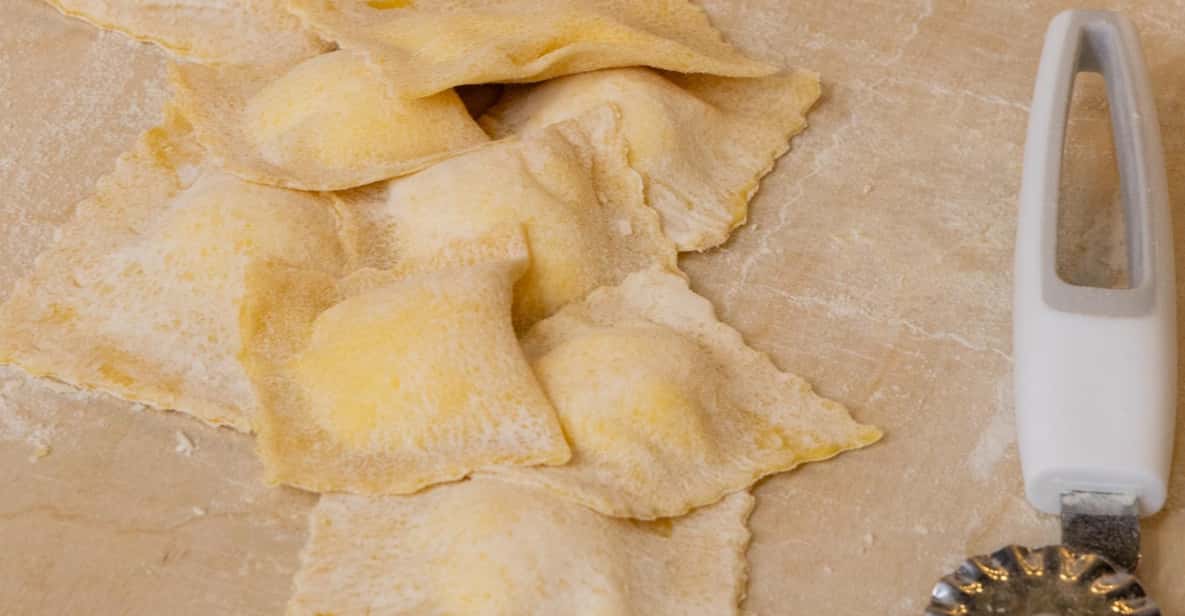
- Make pasta dough and shape ravioli with guided, hands-on instruction
- Choose a Rome-style sauce for your fettuccine: Cacio e Pepe, Amatriciana, or Tomato & Basil
- Learn tiramisù from scratch, then eat it as part of your meal
- Drink with dinner: wine or a non-alcoholic option, plus Italian coffee or limoncello
- Easy location steps from Piazza Navona, meeting at Restaurant Gusto
Piazza Navona Location: Meeting at Restaurant Gusto (and Why It Matters)
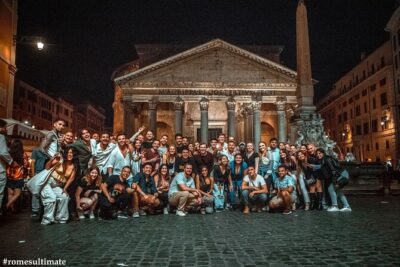
The meeting point is Via Giuseppe Zanardelli 14, at Restaurant Gusto, just steps from Piazza Navona. That location is a win because you can plan this class without fighting Rome logistics. You can also pair it with a pre-dinner walk through the old center, then come in hungry and ready to cook.
The class is taught in English, so you are not stuck translating basic steps while you’re trying to roll dough. It’s also wheelchair accessible, which is a practical bonus in an area where sidewalks and street crossings can get tricky.
Think of the location as part of the experience. You are not traveling across town for a kitchen lesson. You’re staying in the same neighborhood where you’ll be sightseeing anyway, so the 3-hour block feels efficient rather than disruptive.
You can also read our reviews of more cooking classes in Rome

The 3-Hour Flow: From Tiramisù to Fresh Fettuccine and Ravioli
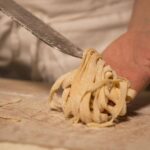
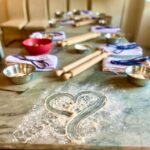
This class runs about 3 hours, and it follows a clear, culinary sequence. You start with tiramisu, then move into fresh pasta—fettuccine and ravioli—all made from scratch.
What I like about this structure is that you learn more than one technique. Pasta classes often focus on only one thing. Here, you get practice at kneading and rolling dough, then shaping ravioli. That variety helps you understand how Italian home cooking works, not just how it looks on a plate.
Here’s what you should expect in the kitchen:
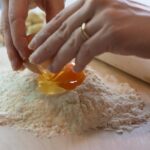
- You’ll be guided through kneading and rolling pasta dough
- You’ll make fettuccine and ravioli from scratch using authentic Italian methods
- You’ll finish ravioli with a butter and sage sauce
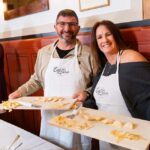
- You’ll enjoy what you made as a full meal
Most classes include a sit-down portion, but the key is that you’re doing the work first. By the time you eat, you know what changed in the dough when you adjusted thickness or pressing. That’s the difference between a meal that feels educational and one that feels like a demo.
One practical note from how this is set up: you’ll likely cook in a restaurant kitchen environment, not a private studio. That can affect comfort (heat, noise, and movement), which matters if you tend to feel rushed in busy spaces.
Kneading and Rolling Pasta Dough: The Skill You’ll Actually Take Home
Pasta dough sounds simple until you start working it. The experience focuses on teaching the basics of kneading and rolling with an expert chef, so you’re not guessing.
I like that the class emphasizes technique more than theatrics. Kneading is about developing texture. Rolling is about getting consistent thickness so cooked pasta stays pleasant, not gummy or tough. Even if your first attempt isn’t perfect, you’ll learn what to watch for.
You also get a sense of how Italian cooking uses timing and feel. Pasta dough has a mood. It can feel elastic, resistant, or suddenly smooth depending on how it’s handled. Having a chef guide you through those moments is where the value is.
And if you’re the type who likes to recreate meals at home, this is one of those experiences that gives you a mental checklist. Once you understand dough handling, fettuccine and ravioli stop being mysterious.
Roman-Style Fettuccine Sauce Choice: Cacio e Pepe, Amatriciana, or Tomato & Basil
After the pasta prep, you get to choose your fettuccine sauce. The options are classic Roman favorites:
- Cacio e Pepe
- Amatriciana
- Tomato & Basil
This part matters for two reasons. First, it personalizes the meal, so you can match the sauce to your tastes. If you prefer something creamy and peppery, Cacio e Pepe will make sense. If you want a brighter, tomato-forward plate, Tomato & Basil is the obvious pick. Amatriciana fits if you like bold, savory flavors.
Second, you learn how Rome keeps it simple. The sauces are built around a few core ingredients and a clear method. You don’t need a dozen pantry items to make the flavor. That’s useful when you’re shopping back home.
In plain terms: this is where the class becomes more than cooking skills. It becomes a mini lesson in how Roman cuisine builds flavor without overcomplicating things.
Ravioli with Butter and Sage: A Classic Finish
Ravioli can go wrong if the dough is inconsistent or the filling and cooking step aren’t handled well. Here, you’ll enjoy your ravioli with a butter and sage sauce.
Butter and sage is the kind of finishing sauce that rewards careful cooking. You taste the pasta itself, then the aroma and richness show up right after. It’s also forgiving. Even if your ravioli aren’t identical to the person next to you, the flavors still land.
I like this pairing because it keeps the class focused. You’re not chasing three different complicated sauce recipes. You learn to make ravioli and then experience how a simple, traditional finish can make a plate feel complete.
You can also read our reviews of more tours and experiences in Rome


Tiramisù From Scratch: Dessert That’s More Than a Sweet Ending
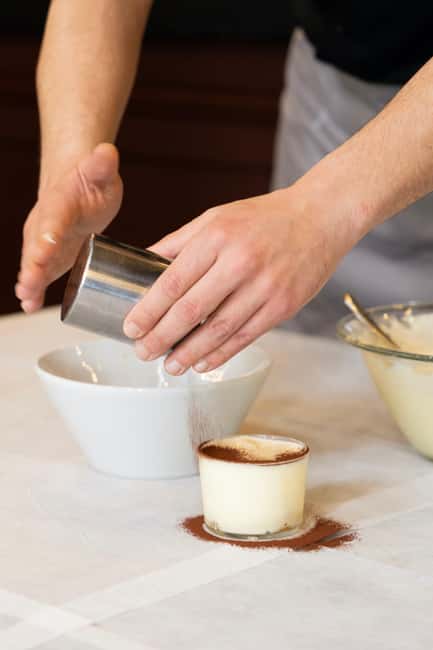
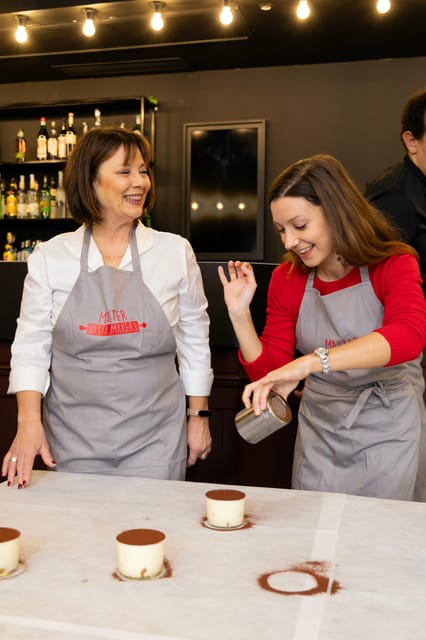
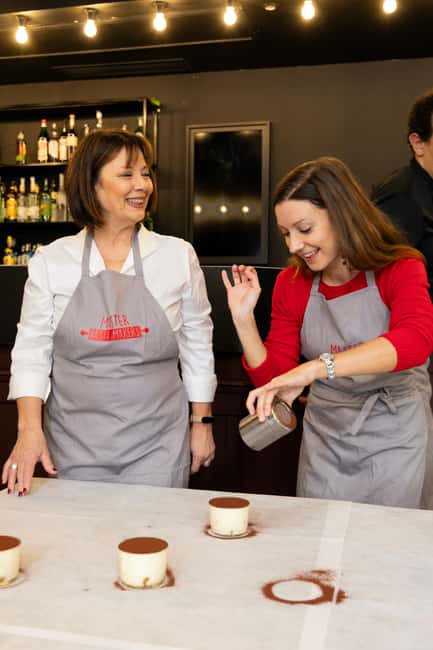
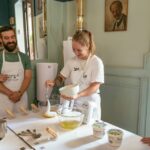
The class includes making tiramisu from scratch, not just assembling it from prepared components. That’s a meaningful difference if you care about learning what makes it taste right.
That said, you should calibrate expectations. Some people come to the class primarily for pasta technique, and dessert may feel like a smaller chunk of the overall lesson. Still, it’s included, you’ll make it, and you’ll eat it.
If you’re choosing this experience because you love desserts, aim for the version of the class that gives tiramisù the attention you want. If you’re more pasta-first, you’ll likely feel the core value sits in dough, rolling, and shaping.
Either way, tiramisù fits perfectly with the pacing. Once you’ve spent energy on pasta, dessert becomes a satisfying, hands-on reward.
Wine With Dinner, Then Coffee or Limoncello: The Relaxed Part
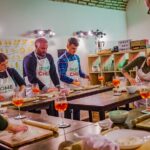
After cooking, you sit down and enjoy your creations in a cozy setting. Your meal includes a glass of wine or a non-alcoholic drink. You also get unlimited water throughout the experience.
The finish is sweet and Roman in its own way: you’ll have either Italian coffee or limoncello at the end. That matters because it turns the class into a full meal experience, not just a cooking workshop followed by a snack.
If you’re traveling as a couple or a group of friends, this is one of the easiest ways to share an evening without splitting up. You’re all eating the same dishes you helped make, and you’re not stuck doing it in silence.
Also, wine isn’t optional in the experience design, but it’s flexible. You’re not locked into alcohol. You can still enjoy the dinner flow with a non-alcoholic drink.
Instructor Energy: What You Can Learn From the Chef-Led Style
The class is led by chefs and instructors who teach in English, and the energy can vary by instructor. From recent classes, you may meet instructors such as Mimi, Lori, Maria, Tommy, or Tomi.
What’s consistently praised is teaching that feels friendly and animated. Several guides are described as entertaining and capable at keeping people engaged, not just barking instructions. That matters when you’re working with hands-on steps. When the teacher stays upbeat, you make fewer mistakes and worry less.
If you’re the kind of person who likes to ask questions, this style works. You’ll usually have room to learn why certain steps are done, not just how. And if you’re more quiet, you’ll still get the rhythm of the class.
One note for people who dislike being rushed: a few comments point out that the pace can feel tight. If you like extra time to slow down, plan on doing your own practice later at home.
Restaurant Setup Reality: When It Feels Busy and Portions Blur
Here’s the honest operational picture. This class happens in a restaurant setting, and that can affect comfort and how smoothly the meal goes.
Some people find the dining area busy, even hot, and feel like seating and space are tight. Others describe a fast cadence and a feeling of being pushed through steps. A few also point out that the meal didn’t always feel personalized to the portion you personally made, since pasta may get mixed among participants.
That doesn’t mean the food is bad. In fact, most comments are positive about the result. It just means you should treat this as a structured group experience, not a slow, private cooking session.
My practical tip: arrive with a relaxed attitude. If you go in expecting a calm, boutique kitchen, you might feel the difference. If you go in expecting a fun Rome activity built around good instruction and a shared meal, you’re more likely to enjoy it.
Price and Value: What $82 Buys You in Rome
At about $82 per person for 3 hours, this is not a budget activity. But it also isn’t only “a cooking demonstration.”
You’re paying for:
- Hands-on instruction to make fresh fettuccine and ravioli
- Tiramisù made from scratch
- A full sit-down meal with wine or a non-alcoholic drink
- Coffee or limoncello at the end
- Unlimited water during the experience
So the value comes from the combination: skills plus meal plus drinks. Many Rome food experiences charge for tasting only, or they’re short and don’t include the full dinner. Here, you get the whole arc—work in the kitchen, then eat.
Also, the experience has a strong overall rating: 4.6 from 12 ratings. That’s a good sign for consistency, even if you still have to accept the realities of a restaurant environment.
If your time in Rome is limited and you want a memorable, do-it-yourself experience, this price can make sense. If you’re mainly looking for a calm, quiet culinary retreat, you may find better value elsewhere, depending on what you want most.
Who Should Book This Cooking Class (and Who Should Skip It)
This works well for:
- Couples who want an activity that feels interactive but still ends with a proper meal
- Friends who want a shared experience without separate tickets or long transfers
- People who like learning basic cooking technique they can repeat at home
- Visitors who want English instruction for a hands-on food experience
It may not be the best choice if you:
- Get stressed in busy, crowded settings
- Need very slow pacing and extra time to perfect every step
- Are traveling with very young children (it’s not suitable for kids under 4)
It’s also a decent match for mixed groups. The class includes both alcoholic and non-alcoholic options, and the menu is fairly straightforward.
If you’re choosing between sauce styles, consider what you normally like. Cacio e Pepe leans toward creamy pepper flavor. Amatriciana is bolder and more savory. Tomato & Basil is lighter and familiar for many people.
Should You Book Fettuccine, Ravioli & Tiramisu in Rome?
I’d book it if you want a practical Rome experience that gives you real skills, not just a meal. The best part is that you’re not only eating Italian comfort food—you’re making it, step by step, near Piazza Navona.
Skip or think twice if your top priority is a slow, airy, low-pressure class. The restaurant setting and pacing can feel tight, and in at least some cases the dinner may not feel like a perfect one-to-one match of your exact pasta portion.
If you go in with the right expectations—hands-on cooking, classic Roman flavors, and a full dinner with wine and a dessert drink—you’ll likely come away feeling you got your money’s worth.
FAQ
Where is the cooking class meeting point?
You meet at Via Giuseppe Zanardelli 14, at Restaurant Gusto.
How long is the cooking class in Rome?
The class lasts about 3 hours.
What dishes will I make during the class?
You’ll learn to make tiramisù, fresh fettuccine, and ravioli from scratch.
What pasta sauces can I choose for the fettuccine?
You can choose Tomato & Basil, Cacio e Pepe, or Amatriciana.
Is wine included?
Yes. You get a glass of wine or a non-alcoholic drink with dinner, plus the experience finishes with Italian coffee or limoncello.
Can I get a refund if my plans change?
Yes. You can cancel up to 24 hours in advance for a full refund.