REVIEW · ROME
Rome: Historical Highlights Walking Tour in German language
Book on GetYourGuide →Operated by Römerin · Bookable on GetYourGuide
Rome can feel like one big landmark list. This tour works because it treats the city like a story, told street by street, with stops you don’t always see on the usual rush.
I especially like two things: the focus on lesser-known historical spots and the way the route ties viewpoints to real places, from the Capitoline Hill panorama to the Forum Boarium cattle-market area. You’ll also get a German-speaking guide who keeps the walk moving, with at least one guide name I saw praised a lot: Niels, and another strong mention was Julia for making the tour feel varied rather than repetitive.
One drawback to plan around: it’s not wheelchair-friendly, and it’s a proper walking tour. If your legs tire fast, you’ll want comfortable shoes and a steady pace from the start.
In This Review
- Key things to know before you set off
- Meeting point and what to look for in Rome
- Capitoline Hill: Marc Aurel and the Forum/Colosseum view
- Forum Boarium: the antique cattle market comes alive
- Marcellus Theatre to the Jewish Ghetto: place, people, and quiet corners
- Largo Argentina and Caesar’s murder spot: history at street level
- Campo de’ Fiori finish: where to eat without planning from scratch
- How the German guide changes the experience (and who it’s for)
- Practical tips: shoes, water, and staying comfortable
- Value check: why this tour is worth your time
- Should you book this German-language Rome walk?
- FAQ
- How long is the Rome Historical Highlights walking tour?
- Is the tour in German?
- Where do I meet the guide?
- What are the main stops on this tour?
- What should I bring?
- Is the tour suitable for wheelchair users?
- Where does the tour end?
- Can I bring my bottle to fill at drink fountains?
- What’s the cancellation policy?
Key things to know before you set off
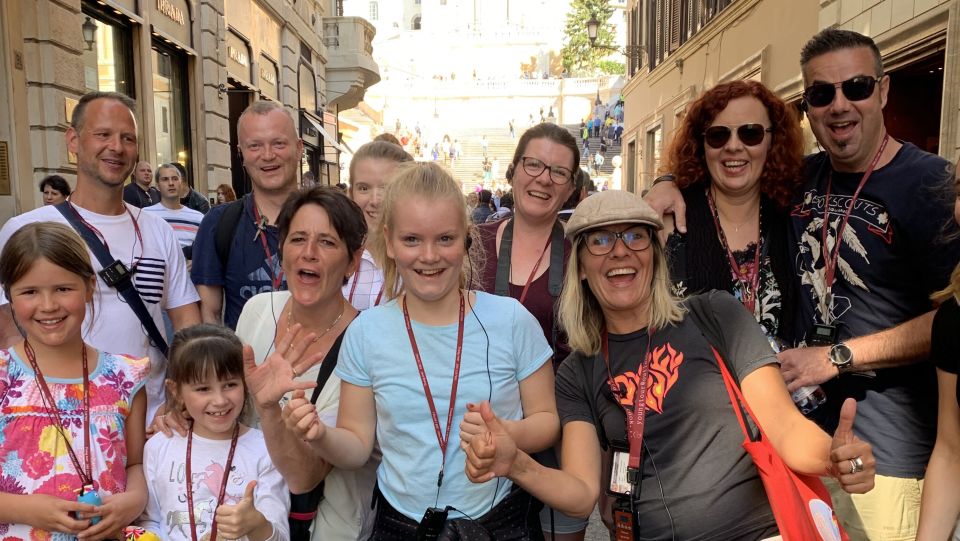
- Capitoline Hill + Marc Aurel: you start with a statue moment and then a view over the Forum Romanum and Colosseum
- Forum Boarium: an antique cattle market area explained through how Romans lived and traded
- Jewish quarter stops: you pass the Marcellus Theatre and then explore the Jewish Ghetto, including the turtle fountain
- Julius Caesar’s murder site: you visit the spot associated with the assassination near Largo Argentina
- Finish at Campo de’ Fiori: you end where it’s easy to grab food, shop, or have a drink
Meeting point and what to look for in Rome
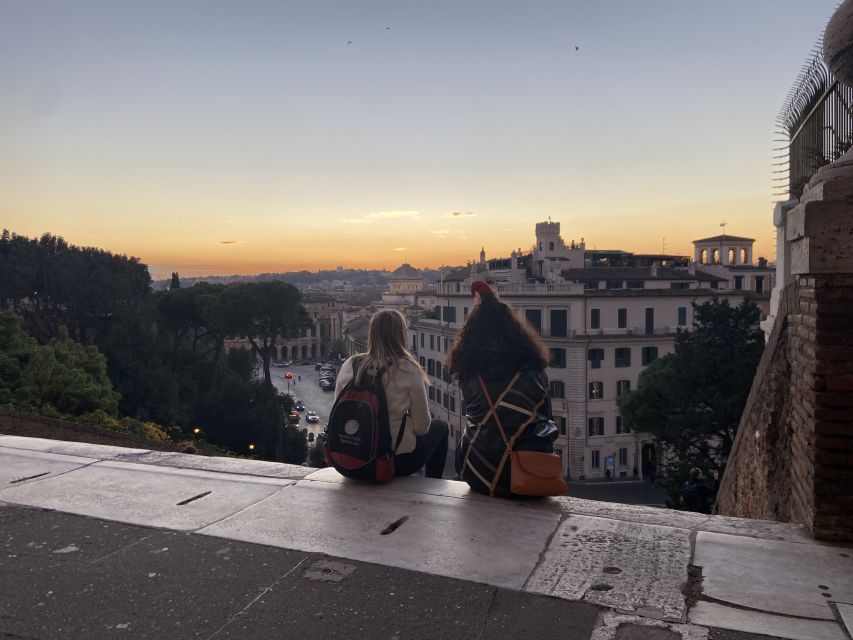
The meeting point is practical and easy to spot once you know what you’re aiming for: look for a guide holding a sign that says Deutsche Römerin, and be there about five minutes early.
At the coordinates given (41.89332580566406, 12.482934951782227), you’re in central Rome territory, meaning you can usually combine this with other plans before or after. Still, arriving early matters. In Rome, streets can look similar and crowds can hide the guide quickly—so give yourself a buffer.
Also: this is a 3-hour tour. Plan your day so you don’t have to sprint afterward. You’ll be on foot the whole time.
You can also read our reviews of more walking tours in Rome

Capitoline Hill: Marc Aurel and the Forum/Colosseum view
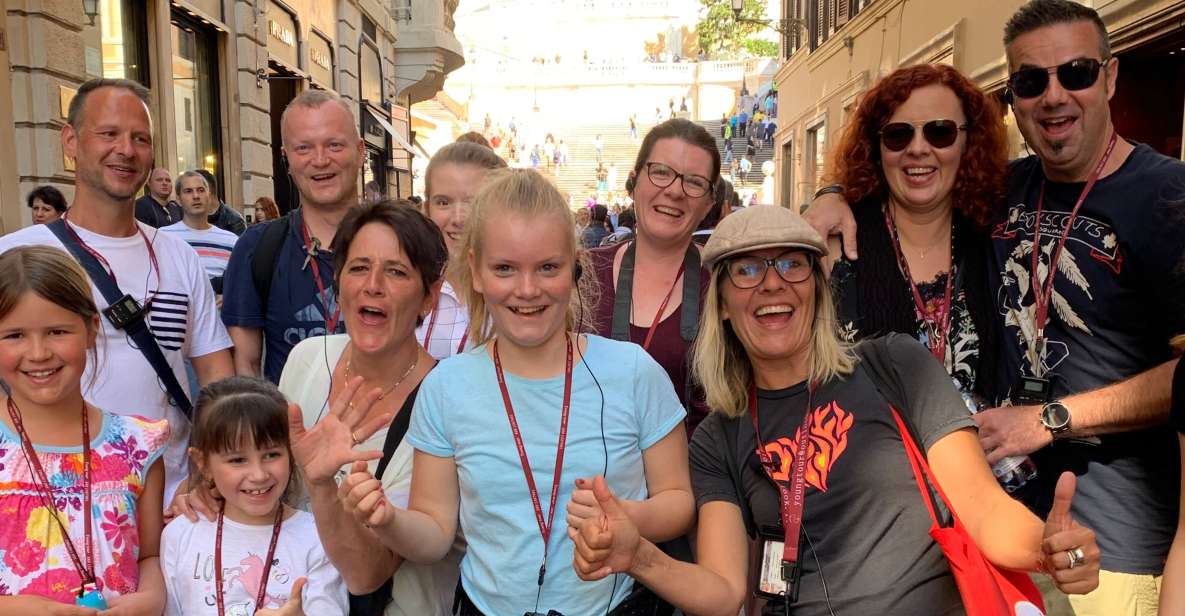
The tour kicks off on Capitoline Hill, and it’s a smart start. You begin with the Marc Aurel statue, which is a huge visual anchor for understanding why this area mattered. It’s the kind of landmark you can’t fully appreciate from photos, because the setting adds meaning.
Then you move to a scenic panorama street where the guide points out what you’re looking at—specifically the Forum Romanum and the Colosseum in the distance. This viewpoint is the moment that helps your brain connect the dots. Instead of learning history as separate trivia, you start seeing how the city’s major zones relate to each other.
The route here also helps you ease into the walk. You’re not just marching; you’re getting context first. If you’re the type who likes to understand where you are before you go deeper, this opening makes the rest of the tour easier to follow.
Forum Boarium: the antique cattle market comes alive
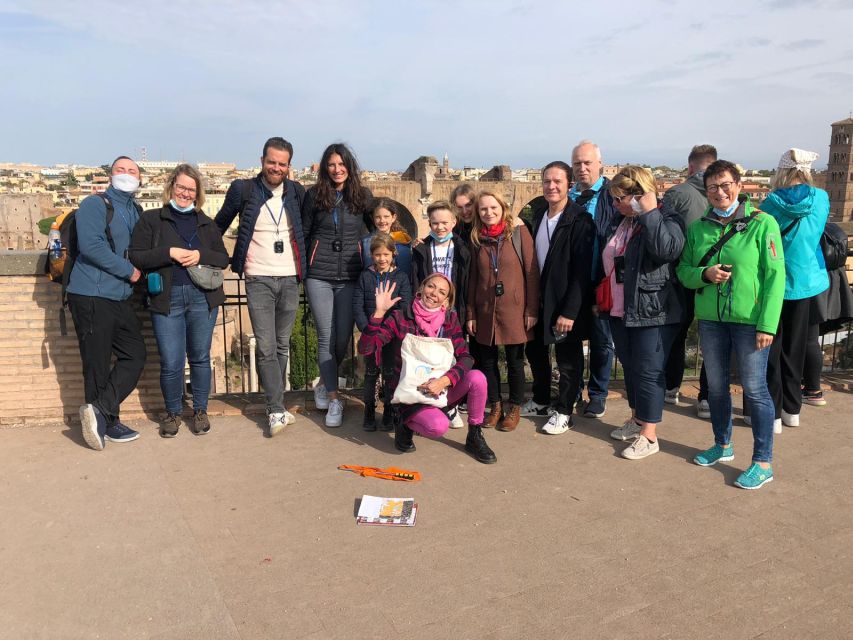
Next up is the Forum Boarium, Rome’s antique cattle market. On paper, that sounds like a single stop. In practice, it becomes a turning point for the tour because it shifts you from grand monuments to how daily life worked.
The guide brings the area to life with stories about the Roman way of life back then—especially the idea that Rome wasn’t only temples and politics. It was trade, movement, and markets that fed the city.
What I like about this stop is that it gives you a different angle on Rome. Most first-time visits focus on the obvious emperor sites. Forum Boarium nudges you toward the economic heartbeat of ancient Rome. Even if you only remember a few details later, you’ll remember the feeling: Rome as a living place.
Practical note: this is still outdoors. If you’re visiting in warm months, bring water and keep an eye on shade.
Marcellus Theatre to the Jewish Ghetto: place, people, and quiet corners
As you move forward, you pass the Marcellus Theatre and then head into the Jewish Ghetto area. This part of the tour is valuable because it shifts the story from one Rome to multiple Romes over time.
The guide points out romantic little spots along the way—one specifically mentioned is the turtle fountain. It’s the kind of detail that makes a neighborhood feel real instead of staged. You notice the texture of streets, not just the big-name sights.
Here’s the honest benefit for you: if you’ve seen Rome through only postcards, this stop helps you break that pattern. The Jewish quarter isn’t a museum room; it’s a working urban neighborhood with historical layers. You’ll get history without turning the day into a lecture.
Drawback to consider: because it’s a walking neighborhood area, the pace may feel slower at moments when you’re stopping to look. That’s normal for this style of tour—still, it can be a factor if you’re trying to fit it tightly between timed reservations.
Largo Argentina and Caesar’s murder spot: history at street level
To properly dive into history, the tour then visits the spot where Julius Caesar was infamously murdered, along with Largo Argentina and its antique temples.
This is the moment many people come for—Caesar’s assassination is one of those events everyone has heard about. The tour’s strength is how it places the event into the real geography of Rome. Instead of treating it like a headline, you see where it likely happened in the city fabric.
Why that matters: it changes the way the story lands. You’re not only memorizing what happened. You’re recognizing how Rome’s streets and structures shaped what people could do—then and now.
Also, pairing Caesar’s murder site with Largo Argentina’s antique temples helps the area feel like more than a single point on a map. You start noticing the rhythm of ancient space: clusters of older structures sitting inside a modern city.
You can also read our reviews of more historical tours in Rome


Campo de’ Fiori finish: where to eat without planning from scratch
The walk ends at Campo de’ Fiori. This is a smart finish because it’s useful. You get dropped into a lively square where it’s easy to continue your day with minimal effort.
Your guide’s last stretch gives you time to recover a bit, then you can turn the tour into a meal plan. Campo de’ Fiori is a good place to do exactly what the tour format encourages: food, shopping, or drinks after the walk.
One small strategy that helps: decide early whether you want a sit-down meal or a quick bite. Since you’ll be arriving there after ~3 hours of walking, you’ll make your day smoother if you don’t wait until you’re tired to choose.
How the German guide changes the experience (and who it’s for)
This tour is in German, with a live guide. That’s a big deal if you want history explained in full sentences rather than relying on fragments. It also helps you ask follow-up questions, especially when a stop becomes confusing or when you want clarification on why a place mattered.
The reviews highlight strong guide performance. Names that came up include Niels, praised for being prepared and very impressive, and Julia, noted for putting real effort into making the experience interesting and not repetitive. That matters because walking tours live or die on the guide’s pacing and storytelling.
Who should book:
- You want an organized route with enough stops to feel like you learned something, not just walked around
- You like history that connects to streets and neighborhoods
- You’re comfortable walking for about 3 hours without needing wheelchair access
Who should think twice:
- If you need wheelchair accessibility, this isn’t suitable
- If you prefer only the biggest, most famous sights, you might find the “more obscure side” approach slower or less familiar at first
Practical tips: shoes, water, and staying comfortable
Bring water. That’s specifically recommended, and it’s good advice in Rome where you can lose track of time while you’re looking up and around.
Also, wear comfortable shoes. This tour isn’t described as gentle sightseeing; it’s a real walking itinerary. The route includes multiple stops and some outdoor time, so shoes matter more than you’d think.
You’ll also be glad you bring your bottle. The tour information recommends bringing your bottle to fill at drink fountains. That’s a smart money-saver and a practical way to reduce plastic waste while keeping hydration steady.
Value check: why this tour is worth your time
There’s a reason people like this format: it covers several key themes in one go—panorama viewing, ancient market life, neighborhood history, and the assassination site—without turning it into a sprint between monuments.
You’re getting:
- A visual anchor at Capitoline Hill
- A daily-life angle at Forum Boarium
- A neighborhood layer at the Jewish Ghetto
- A high-profile historical event at Caesar’s murder spot near Largo Argentina
- A convenient landing spot at Campo de’ Fiori
The value isn’t just the list of places. It’s the way the route is structured so you understand why each stop matters. Even if you don’t remember every detail, you’ll remember the connections: viewpoints, locations, and stories tied to actual streets.
If you like learning with a guide and want German language support, this feels like a good match. It also tends to work well for people who want something more personal than a crowded bus tour.
Should you book this German-language Rome walk?
Yes—if you want a 3-hour guided walk that stays grounded in real places and shows Rome beyond the standard checklist. The combination of Capitoline Hill views, Forum Boarium’s everyday Roman angle, the Jewish quarter with the turtle fountain, and the Caesar/Largo Argentina stop is a strong mix.
Don’t book if you’re not able to walk comfortably for the duration or if wheelchair access is required. And if you’re the kind of visitor who only wants the single most famous postcard sites, you might prefer a more monument-heavy tour.
If you do book, show up on time at the Deutsche Römerin sign, bring water, and wear shoes you trust. That’s the difference between a fun story-walk and a day you rush through.
FAQ
How long is the Rome Historical Highlights walking tour?
It lasts 3 hours.
Is the tour in German?
Yes, the live tour guide speaks German.
Where do I meet the guide?
Meet someone with a Deutsche Römerin sign. You should be there about 5 minutes early.
What are the main stops on this tour?
You’ll visit Capitoline Hill, the Forum Boarium, the Jewish quarter area (Jewish Ghetto), the area connected to Julius Caesar’s murder near Largo Argentina, and Campo de’ Fiori.
What should I bring?
Bring water, and wear comfortable shoes. The tour also recommends bringing your bottle to fill at drink fountains.
Is the tour suitable for wheelchair users?
No, it is not suitable for wheelchair users.
Where does the tour end?
It ends in Campo de’ Fiori.
Can I bring my bottle to fill at drink fountains?
Yes, the tour recommends bringing your bottle to fill at the various drink fountains.
What’s the cancellation policy?
Free cancellation is available up to 24 hours in advance for a full refund.