REVIEW · ROME
Villa Borghese and Posh Areas Unique Photo Tour and Workshop
Book on Viator →Operated by RomePhotoFuntours Giulio D'Ercole · Bookable on Viator
Rome looks different through a camera lesson. This 4-hour photo workshop in central Rome lets you learn by doing, with Giulio (a professional photographer) coaching your framing and settings as you move through Villa Borghese, the Pincio terrace, the Spanish Steps, Via dei Condotti, and finally the Pantheon. I especially like the personalized feel of a maximum 4 travelers group, where you’re not stuck watching from the sidelines while everyone else shoots.
One thing to think about: if you don’t bring a camera, rentals are available, but the Nikon kit plus tripods costs 50 euros per kit, paid in cash. If you’re happy to plan for that (or bring your own gear), this is a great way to turn a walk through Rome into usable, better-looking photos.
In This Review
- Key highlights worth planning around
- The point of this tour: photo coaching while you actually walk Rome
- Villa Borghese: Rome’s park classroom for sculptures, gardens, and fountains
- Terrazza del Pincio: a quick practice round for skyline framing
- Spanish Steps: classic Rome steps, plus the lived-in square
- Via dei Condotti and the side alleys: street photography with a stylish edge
- Pantheon finale: your last frames in the shadow of a landmark
- Camera rental, your gear, and why it affects the experience
- Price: what $213 buys you (and when it’s worth it)
- Small-group attention: why max 4 changes everything
- Best time to go: early morning versus afternoon practice
- Who this tour is perfect for (and who might not love it)
- Should you book Villa Borghese and the posh-area photo workshop?
- FAQ
- How long is the Villa Borghese and posh areas photo tour?
- How many people are in the group?
- Can my partner or family come even if they don’t photograph?
- Do I need to bring a camera?
- Are entrance tickets included for the stops?
- What if the weather is bad?
Key highlights worth planning around
- Small group (max 4) means you get real attention, not a crowd-style tour
- Villa Borghese for 2 hours gives time for sculptures, fountains, gardens, and Rome city views
- Short, focused shooting stops (Pincio, Spanish Steps, Pantheon) help you practice under time pressure
- Condotti plus side alleys gives you a street-photo contrast: elegant fronts and quiet corners
- Early morning or afternoon options let you choose a light and atmosphere that fits your style
- Camera flexibility: bring your own, or rent Nikon gear plus tripods for a set fee
The point of this tour: photo coaching while you actually walk Rome
This isn’t a museum lecture where you nod politely and hope the next day’s photos improve. The whole session is structured so you shoot, then adjust. Giulio’s approach focuses on composition and settings that match the conditions you’re facing that moment.
I like that the coaching is practical. In real Rome light—bright patches, shaded areas, and mixed backgrounds—you need fast guidance, not vague tips. Several people have also highlighted how quickly Giulio can spot technical issues and help you fix them within the first hour or so.
You’ll also get to see Rome through different “genres,” not just one type of shot. If you’ve been mostly doing landscape-style images, the shift to street details and travel photography is where this tour starts to feel like a real creative upgrade.
You can also read our reviews of more photography tours in Rome
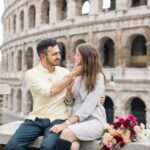
Villa Borghese: Rome’s park classroom for sculptures, gardens, and fountains
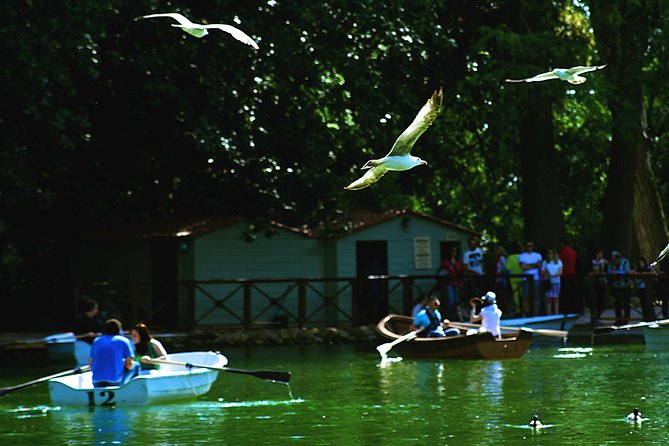
You start with 2 full hours in Villa Borghese, and that time matters. Parks can be photo-friendly in a way that ruins just can’t: you can find softer scenes, varied textures, and plenty of space to try multiple compositions.
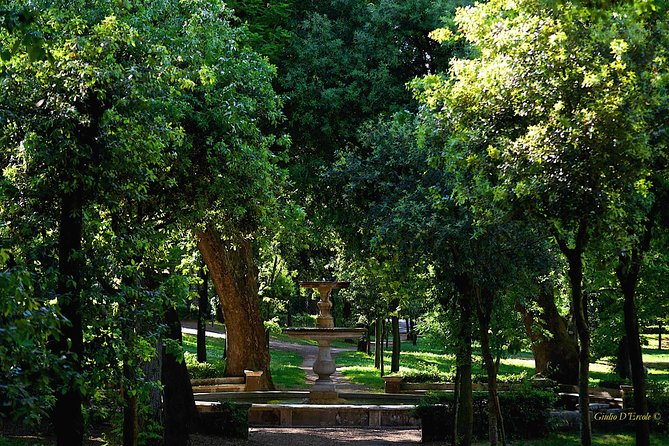
At Villa Borghese, you’ll be working across several visual themes:
- Nature scenes in the park
- Sculptures and art up close
- Gardens and fountains
- Rome city views you can frame from the park
- Street artists you might catch in the act (or at least in the atmosphere)
This is a strong start because it’s a controlled place to practice. You can test one setting, move a few steps, and compare results without the pressure of moving crowds. And because the variety is built in—green, stone, water, and people—you don’t get stuck taking the same type of photo for two hours.
A practical tip: shoot slowly for the first part of your time there. I’d rather you come out of Villa Borghese with fewer, stronger frames than a memory card full of near-duplicates. Giulio’s style of help tends to work best when you give him something specific to adjust—like a frame that’s almost right, but not quite.
Terrazza del Pincio: a quick practice round for skyline framing
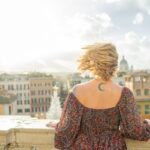
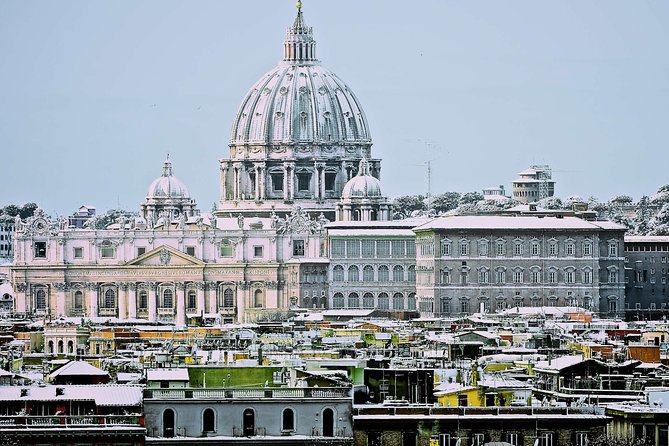
Next comes Terrazza del Pincio, a short stop designed for skyline shots. From the terrace, you’ll take several photos from above, then walk toward the Spanish Steps area to photograph tiled roofs and elegant terraces overlooking the city skyline, including baroque domes and towers.
Even with only about 15 minutes, this segment is valuable because it forces a different kind of thinking. Instead of waiting for one perfect moment, you learn how to work the frame: horizon placement, repeating shapes in rooftops, and how to keep the skyline from looking messy.
If you’re new to city photography, don’t fight the chaos. Focus on order: find one strong building line or dome and build around it. This is also where it pays to listen to Giulio’s composition guidance, since the terrace view can tempt you into shooting everything at once.
Spanish Steps: classic Rome steps, plus the lived-in square
The Spanish Steps stop lasts about 30 minutes, and the goal is to photograph the steps and the lively square around the fountain. This is one of Rome’s most photographed scenes, which means two things at once: you can learn fast, and you can also get trapped by the obvious angles.
So here’s how I’d use the time. Try one “postcard” frame first, just to set a baseline. Then switch to a tighter approach—focus on leading lines in the steps, patterns in the paving, and moments where people become part of the composition rather than blocking it.
This is also a good moment to practice what Giulio likely emphasizes: settings that match the lighting. In bright areas near the steps, small changes in exposure and contrast can make or break whether your image looks crisp or flat. You’re not just taking photos—you’re learning what to tweak for results you like.
Via dei Condotti and the side alleys: street photography with a stylish edge
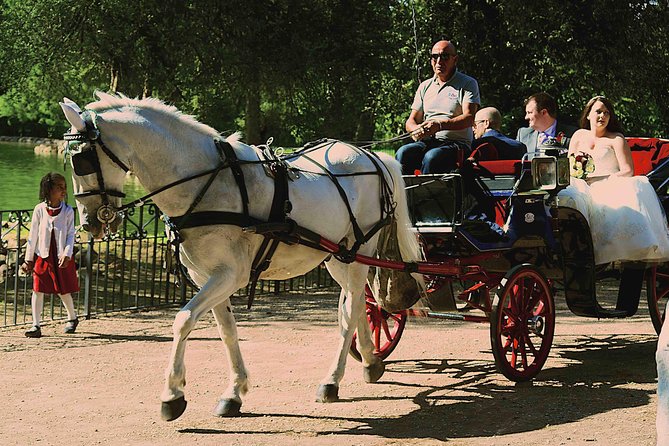
Now you walk into Via dei Condotti, described as Rome’s elegant, upscale street, and then you head into the small alleys departing from it. You’ll spend about 45 minutes looking for characteristic corners—plus classy shops and sophisticated bars, including window displays.
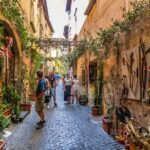
This stop is where the tour’s name makes sense: “posh areas” in Rome still offer good street-photo material, but you need to look beyond storefronts. The alleys are especially useful because they give you smaller scenes—clean lines, interesting shadows, and more chance to capture quiet corners that feel more like daily life than staged sightseeing.
I like this section because it broadens the skill set. Villa Borghese trains patience and detail. Pincio trains skyline framing. Condotti trains street awareness: how to spot geometry, reflect light on surfaces, and keep your background from stealing attention from your subject.
If you want something that will look good later when you edit, pay attention to contrast. Elegant streets can give strong highlights and darker recesses in the alleys—perfect for dramatic photos once your settings are right.
You can also read our reviews of more tours and experiences in Rome





Pantheon finale: your last frames in the shadow of a landmark
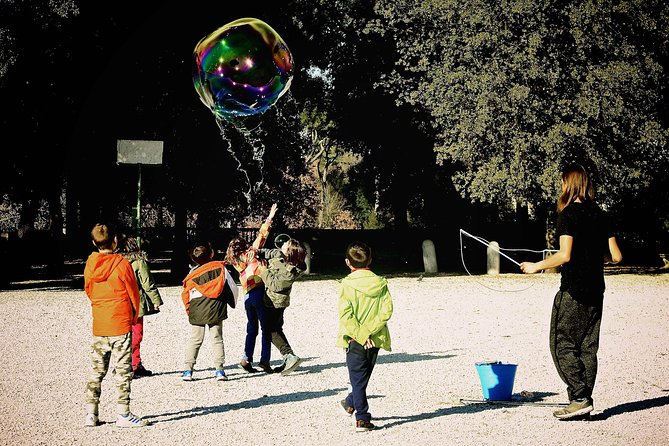
You finish near the Pantheon (the endpoint is at the Fontana del Pantheon / Piazza della Rotonda area) with about 30 minutes of final shooting. Even if you’ve seen photos of the Pantheon a hundred times, it’s still a tough place to photograph well—mostly because the light can be bright, and the building is so visually powerful that it’s easy to overthink.
Use this stop to apply what you learned earlier:
- Build cleaner compositions
- Decide what the focal point is
- Use your camera settings intentionally instead of guessing
If you’re taking portraits, detail shots, or architectural frames here, keep moving. In Rome, the best angle often changes just a few steps—especially around a site like this where the background can quickly turn into visual noise.
Camera rental, your gear, and why it affects the experience
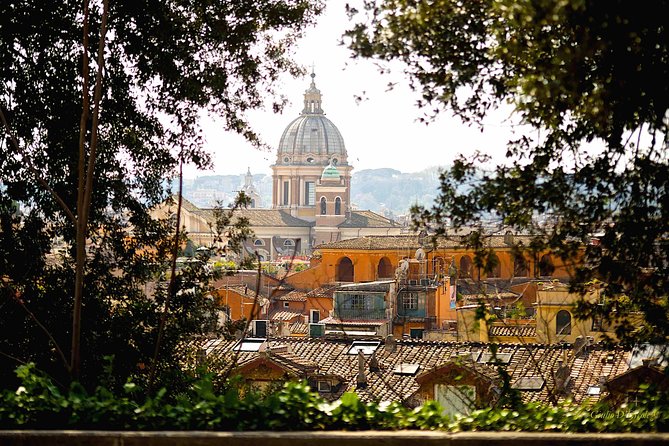
The tour works with almost any camera setup, as long as you can shoot while moving. You can bring your own camera, and if you don’t have one, Giulio offers Nikon gear plus tripods for an additional 50 euros per kit, payable in cash.
Here’s the practical takeaway: if you plan to rely on the rental kit, think about whether tripods fit your shooting style. Tripods can help with steady compositions and certain low-light setups, but they can slow you down in narrow alleys and quick terrace moments. If you’re comfortable working handheld, bringing your own camera can keep the workflow smooth.
Dress is casual, and the route is near public transportation, so you’re not signing up for a hiking expedition. Still, you’ll be walking between major stops, so bring comfortable shoes and keep your camera accessible.
Price: what $213 buys you (and when it’s worth it)
At $213.03 per person for roughly 4 hours, you’re paying for three things:
1) a professional photographer guide who teaches while you shoot
2) small-group access (max 4)
3) a concentrated route through high-photo-value Rome locations
The “value” part is how fast you can improve while you’re already sightseeing. If you’re only taking photos on autopilot, you might go home with images that look fine but don’t match the potential you saw on-site. Coaching turns the walk into a feedback loop: shoot, review, adjust, repeat.
Also, the major stops on the route list admission ticket free, so you’re not paying extra museum fees for the core experience. That matters because it makes the cost feel more predictable.
When I’d consider skipping: if you already have very strong photography skills and you don’t want feedback, you might feel like you could spend that time exploring on your own. But if you want corrections, composition help, and settings guidance in real situations, the price starts to feel more like a lesson than a souvenir tour.
Small-group attention: why max 4 changes everything
A lot of tours say they’re personalized. This one is specific: maximum 4 travelers. That number changes the entire dynamic. Giulio can watch what you’re doing, notice what’s not working, and help you fix it while the moment is still there.
The reviews also reflect this kind of attention. People credited Giulio with helping them with composition and settings quickly, and several mentioned how much better their technique felt by the end. One person even described the tour as moving them from landscape photography toward travel and street photography—exactly the shift you’d hope a workshop like this would support.
If you’re the kind of traveler who wants to ask questions and actually get answers, this size is a big deal.
Best time to go: early morning versus afternoon practice
You can choose an early morning or afternoon tour. That choice affects the mood of Rome and the kind of photos you’ll tend to create.
Here’s my practical advice: pick the session that matches how you shoot best. If you like calm streets and softer light for details, go earlier. If you prefer a more energetic city rhythm and don’t mind brighter conditions, afternoon can be a better fit.
Either way, the tour’s structure stays the same. You’ll still cover Villa Borghese, Pincio, the Spanish Steps, Via Condotti and alleys, and finish at the Pantheon. So the choice is less about “where you go” and more about “how your photos feel.”
Who this tour is perfect for (and who might not love it)
This photo workshop is a great fit if:
- you want to improve framing and technique fast
- you enjoy learning through hands-on practice
- you’re moving beyond one type of photography (like pure landscapes) into travel and street scenes
- you like compact groups where you can get direct feedback
It may be less ideal if:
- you don’t want to shoot at all and just want sightseeing with no instruction
- you hate walking between sites
- you’re traveling with no camera and don’t want to pay the rental fee in cash
There’s also an option for companions. Arrangements can be considered for non photographing spouses, partners, and children coming as guests, and children must be accompanied by an adult. If you’re bringing family, it’s worth planning the expectations in advance so everyone gets what they came for.
Should you book Villa Borghese and the posh-area photo workshop?
I’d book it if your goal is photos that look intentional, not accidental. The combination of Villa Borghese’s variety, the Pincio skyline framing practice, and the shift into Condotti plus side alleys is a smart mix for learning how to shoot different scenes in one day.
It’s also a solid choice if you want to work with a real photographer who can correct what you’re doing while you’re doing it. And if you’re traveling with someone who doesn’t want to shoot, the fact that arrangements can be considered makes it easier to bring everyone along without turning the day into a solo experience.
If you’re ready to bring your camera (or plan for the cash rental fee), comfortable shoes, and an open mind for feedback, this is one of those Rome activities that tends to pay off long after you leave the city.
FAQ
How long is the Villa Borghese and posh areas photo tour?
The tour runs for about 4 hours.
How many people are in the group?
The tour has a maximum of 4 travelers.
Can my partner or family come even if they don’t photograph?
Arrangements can be considered for non photographing spouses, partners, and children coming as guests. Children must be accompanied by an adult.
Do I need to bring a camera?
You can bring your own camera. If you have no camera, you can rent a Nikon gear kit plus tripods for 50 euros per kit, paid in cash.
Are entrance tickets included for the stops?
The tour lists admission ticket free for all stops on the route.
What if the weather is bad?
The experience requires good weather. If it’s canceled due to poor weather, you’ll be offered a different date or a full refund.