REVIEW · ROME
Private Tour – Palazzo Barberini
Book on Viator →Operated by Rome Guides · Bookable on Viator
Baroque Rome makes way more sense with a guide. In this private Palazzo Barberini experience, I love seeing works by Titian, Caravaggio, El Greco, and more, explained in clear terms. I also love the chance to ask questions at your own pace as the guide connects art to Rome’s political and religious shifts. The main drawback is the tour is only about 2 hours, so you won’t get a full museum day.
The big win here is how the museum becomes a story. You’re not just walking from room to room—you’re hearing why these artists painted the way they did, and how power, faith, and patronage shaped what ended up on the walls and canvases. If you get a guide like Viscenzo, expect lots of interactive, passionate explanations and background that makes the artworks feel alive.
One practical note before you go: you’ll have to leave bags and backpacks in the checkroom. If you’re traveling with a bulky daypack, plan to travel light so you’re not wasting time juggling gear.
In This Review
- Key Things I’d Not Skip
- Palazzo Barberini Is Small Enough to Feel Like a Conversation
- What You’ll See: Titian, Caravaggio, El Greco, and the Baroque Power Play
- The Stop That Matters: Palazzo Barberini’s Rooms as Timeline, Not Maze
- A possible drawback to know about
- How Political and Religious Change Shapes What’s on the Walls
- The Private Tour Advantage: Ask What You’re Actually Wondering
- Timing and Meeting Point: The “Show Up Ready” Plan
- Bag Check: Small Rule, Big Convenience
- Price and Value: Is $138 Worth It for a Private 2-Hour Museum Tour?
- Who This Tour Fits Best (and Who Might Skip It)
- Should You Book Palazzo Barberini Private Tour?
- FAQ
- How long is the Palazzo Barberini private tour?
- Is admission to Palazzo Barberini included?
- What language is the tour offered in?
- Is this a private tour?
- Where do I meet for the tour?
- What time does the tour start?
- Do I need to leave bags or backpacks somewhere?
- Is hotel pickup included?
- What’s included in the price?
- What if I need to cancel?
Key Things I’d Not Skip
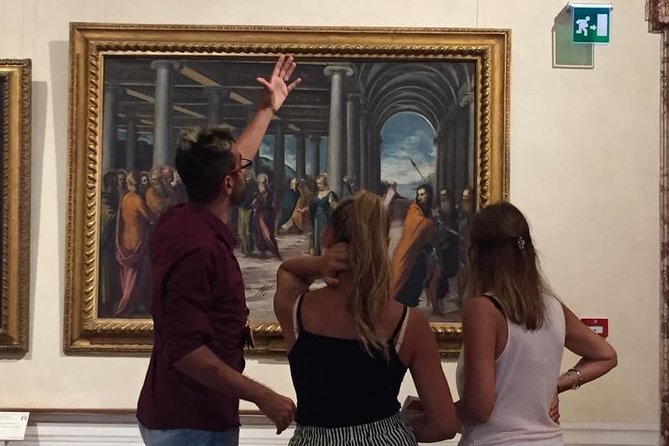
- Museum tickets are included, so you start seeing art right away
- A private, English-speaking guide means your questions don’t get squeezed
- Art spans key eras, from the Middle Ages through Renaissance and Baroque
- Political and religious context is part of the walk, not an afterthought
- Pietro da Cortona’s fresco is called out as a must-see moment
Palazzo Barberini Is Small Enough to Feel Like a Conversation
If you like your museum time to feel personal, this is a smart format. Palazzo Barberini isn’t trying to be a marathon. It’s built for careful looking, and a private guide helps you focus on what matters instead of getting lost in the rooms.
I like that the pace stays manageable. You’re given about 2 hours, which is long enough to cover major highlights and still leave room for back-and-forth questions. That question time is the secret sauce, because art gets easier when you can ask why something was painted, commissioned, or placed where it is.
You can also read our reviews of more private tours in Rome



What You’ll See: Titian, Caravaggio, El Greco, and the Baroque Power Play
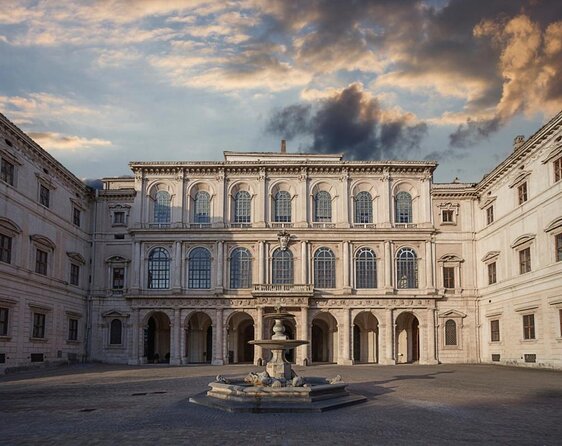
This tour centers on the collections at Palazzo Barberini, where you move through centuries of Italian art. You’ll spend time with masterpieces associated with artists like Titian, Caravaggio, El Greco, and others. The names alone are enough to get attention, but the real value is how the guide frames each artist in the world that produced them.
One moment that often lands with people is the fresco work by Pietro da Cortona. A fresco is different from a painting on a wall because it wants your whole body attention—your eyes travel, your brain reads the scene, and suddenly you feel how the artist designed the space.
And because the guide ties the art to what was happening politically and religiously, the museum becomes more than decoration. You get a sense of why certain styles took hold, why subjects were chosen, and how art served both belief and authority.
The Stop That Matters: Palazzo Barberini’s Rooms as Timeline, Not Maze
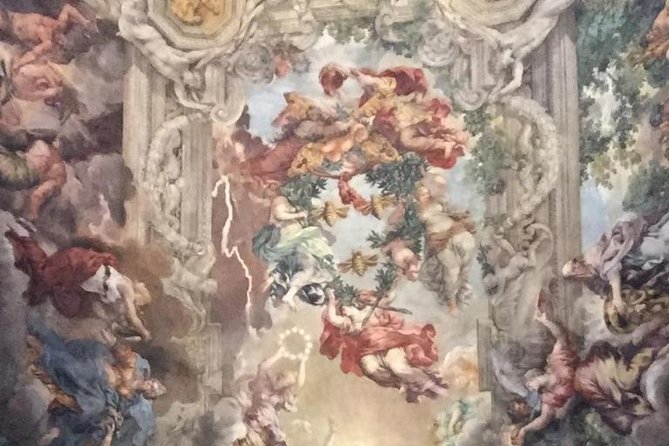
The entire experience is essentially one museum stop, but it’s organized like a timeline. You start with roots in the Middle Ages, then move toward the Renaissance and into Baroque. That structure is helpful because your brain stops treating each room like a separate attraction.
Here’s the practical benefit: if you’ve visited other Rome museums and felt like you saw a lot but remembered little, a timeline approach can fix that. You’ll come away with clearer connections—what changed over time, and what stayed consistent in subject matter and style.
A possible drawback to know about
Because the tour is private and time-boxed, you’ll cover highlights rather than every corner. If you’re the type who wants to spend 20 minutes on one tiny detail, you might wish the tour were longer. The good news is that you can ask your guide to linger briefly on what you care about most within the time you have.
How Political and Religious Change Shapes What’s on the Walls
This is the part that makes the visit feel intellectually satisfying without turning into a lecture. The guide explains how political and religious shifts influenced art history—so you’re not just memorizing names. You’re learning the “why” behind the visual choices.
In Rome, that connection matters. The city was a stage for power, and art was one of the languages used to communicate it. When you understand that, a Baroque scene stops feeling like drama for drama’s sake. It becomes a message, built with light, movement, and emotion to land on the viewer.
Expect this to show up in conversation as you move through the museum: why certain themes were popular, why styles grew bolder, and why the Baroque period can feel so theatrical compared with earlier art.






The Private Tour Advantage: Ask What You’re Actually Wondering
I like private tours for one simple reason: you don’t have to perform your questions quickly. In a group, you often end up waiting your turn. Here, you can ask follow-ups while the guide is still on that topic.
This format also helps if you’re traveling with someone who learns differently. One person might want art-story context. Another might want technique basics like how composition guides your eye. A private guide can usually handle that shift smoothly within the same route.
And based on what’s emphasized by repeat visitors, the guide style can be highly engaging. One guide name that comes up is Viscenzo, praised for being interactive and enthusiastic, with background stories that make the artworks click.
Timing and Meeting Point: The “Show Up Ready” Plan
This tour starts at 3:30 pm. You meet at Gallerie Nazionali di Arte Antica – Palazzo Barberini, Via delle Quattro Fontane 13, 00184 Rome. The tour ends back at the meeting point, which is convenient for planning the rest of your evening.
Public transportation is nearby, so you’re not forced into a long walk from the main streets. Still, Rome is Rome: leave a few minutes buffer so you’re not stressed when you arrive.
Bag Check: Small Rule, Big Convenience
It’s mandatory to leave bags and backpacks in the checkroom. That’s normal for many museums, but it matters for your comfort.
If you’re coming straight from another stop, take a second to think about what you’re bringing. A small crossbody is easy. A full backpack can slow you down. If you hate waiting around, travel light for this one.
Price and Value: Is $138 Worth It for a Private 2-Hour Museum Tour?
At $138.03 per person for about 2 hours, the value depends on how you like to travel.
If you’re one of those people who wants a guide to shape the visit—explaining themes, context, and connections—then this price starts to make sense fast. Admission tickets are included, and you’re also getting a local/professional guide plus the private format. That bundle is what you’re paying for: the ability to turn the museum into a guided narrative.
It’s also listed as having group discounts, which can reduce the per-person cost if you’re traveling with others who want the same itinerary. If you’re a couple or a small group, it’s often the sweet spot for getting a private guide without the feeling you’re overpaying.
On the other hand, if you’re the type who loves wandering silently and reading placards at your own speed, the cost may feel steep for a short visit. In that case, you might prefer a self-guided museum ticket. But if you want the museum to make sense quickly—and want questions answered—this tour is built for that job.
Who This Tour Fits Best (and Who Might Skip It)
This experience is a great match if you:
- Want English guidance in a major Rome museum
- Care about how art connects to politics and religion
- Like a focused museum visit rather than an all-day plan
- Prefer private pacing so your questions don’t get swallowed by a group
You might consider skipping if you:
- Want to spend unlimited time in one room or on one single artwork
- Prefer self-guided wandering and don’t want context
- Travel with lots of bulky carry-ons and don’t want to deal with the checkroom rule
Should You Book Palazzo Barberini Private Tour?
If you like museums where the guide helps you understand what you’re seeing, I think this one is worth booking. The biggest strengths are the included admission, the private English guide format, and the way the tour connects artworks to Rome’s political and religious changes. That combination is what turns Palazzo Barberini from a set of impressive rooms into a coherent story.
Book it if your goal is to see major works by major artists in a tight, well-explained route—and if you enjoy asking questions mid-visit. Skip it only if you’re determined to do the museum purely on your own schedule and don’t want that guided context.
FAQ
How long is the Palazzo Barberini private tour?
It lasts about 2 hours.
Is admission to Palazzo Barberini included?
Yes. Museum admission tickets are included.
What language is the tour offered in?
The tour is offered in English.
Is this a private tour?
Yes. Only your group participates.
Where do I meet for the tour?
Meet at Gallerie Nazionali di Arte Antica – Palazzo Barberini, Via delle Quattro Fontane 13, 00184 Rome, Italy.
What time does the tour start?
The start time is 3:30 pm.
Do I need to leave bags or backpacks somewhere?
Yes. It’s mandatory to leave bags and backpacks in the checkroom.
Is hotel pickup included?
No. Hotel pickup and drop-off are not included.
What’s included in the price?
Included: tickets, a local guide, a private tour, and a professional guide.
What if I need to cancel?
You can cancel for free up to 24 hours before the experience’s start time for a full refund. If you cancel less than 24 hours before, the amount paid is not refunded.