REVIEW · ROME
Much More Than Just a Cooking Class in Rome
Book on Viator →Operated by cook with mamma · Bookable on Viator
A Roman kitchen is a shortcut to local life. This small-group class has you cooking in a home setting, not in a generic studio, with real family stories mixed in with the recipes. It is scheduled for either lunch or dinner, so you can fit it around the rest of your day.
I like that the menu is focused on classic Roman staples you can actually learn and repeat: tiramisu first, then fresh pasta made from eggs and water. I also love the pacing and payoff, because you do the work, you drink complimentary wine with the meal (for age 18+), and you sit down to eat what you made.
One thing to consider: this experience is limited to 12 people and kids under 12 are not allowed, so it is not built for every family schedule or group size.
In This Review
- Key things to know before you go
- Entering a Roman home kitchen, not a classroom
- Choose your time slot: 10am lunch or 6pm dinner
- The menu you will make: bruschette, fresh pasta, and tiramisù
- Starter: bruschette to start the conversation
- Main: two kinds of pasta, two different sauces
- Dessert: tiramisù using the grandma’s recipe
- Alcohol, but keep it adult: what is included
- Small-group dynamics that actually help you learn
- What you will actually experience during the 3.5 hours
- Price and value: what $108.02 buys you
- Who should book this class (and who should skip it)
- Logistics that won’t slow you down
- Should you book cook with mamma’s Roman home cooking class?
- FAQ
- What time does the cooking class run?
- Where do I meet for the experience?
- What food will I cook and eat?
- Is wine included?
- Is this suitable for children?
- Can the class accommodate vegetarian or gluten-free needs?
Key things to know before you go
- Small group (max 12): more hands-on help and a warmer, chatty room.
- Two time slots: you choose the 10am or 6pm experience for lunch or dinner timing.
- Family-home setting: you knock at their door and cook in their actual house kitchen.
- Hands-on Roman classics: bruschette, tiramisù, two pastas (cavatelli + tagliatelle), and sauces.
- Optional dietary needs: vegetarian and gluten-free options are available.
- Wine included (18+): alcohol is part of the welcome and the meal, for adults only.
Entering a Roman home kitchen, not a classroom
The biggest difference here is simple: you are meeting the Roman family at their home address in Rome (Piazzale Aurelio, 00152), and the class starts with a proper welcome. You will be greeted with wine and an appetizer right away, plus stories and laughs. That matters because cooking classes can feel staged—this one feels like joining the rhythm of a real household.
The atmosphere also sets you up to learn faster. When the first minutes are relaxed, you ask questions without feeling rushed. You notice the little tools and textures because you are watching hands move in a real kitchen, not across a polished demo counter. The limited size helps too: you are not competing with a big crowd for attention.
Practical note: the activity ends back at the meeting point, and it runs about 3 hours 30 minutes. If you are planning the rest of your day, build in a little buffer before your next ticket or long walk.
You can also read our reviews of more cooking classes in Rome

Choose your time slot: 10am lunch or 6pm dinner
This class is offered at 10am and 6pm, and you pick based on whether you want lunch or dinner. That is a genuinely useful choice in Rome, where your best eating moments often depend on whether you are roaming in the heat, doing museums mid-day, or winding down in the evening.
If you go at 10am, you get a hearty meal early. If you go at 6pm, you can treat it like your anchor dinner after sightseeing. Either way, the structure is built around cooking, then eating the results with complimentary wine for those 18 and older.
One more upside: the schedule choice means you can plan around your energy. Some people do not want their evening meals to be late; others hate early starts. This gives you a clear decision instead of hoping the class lines up with your plans.
The menu you will make: bruschette, fresh pasta, and tiramisù
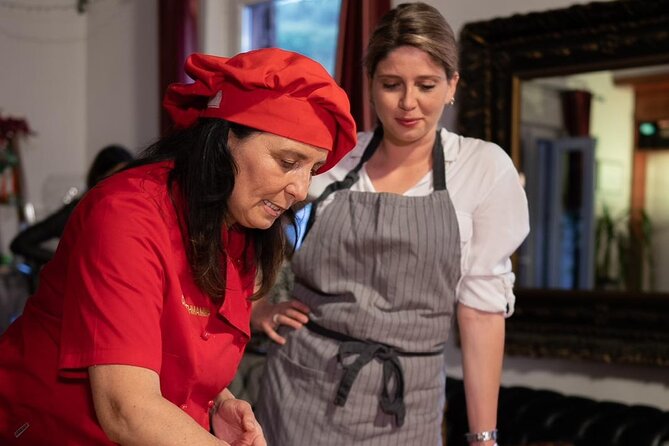
This is not a sketchy “taste and watch” experience. You will actively prepare a full Roman flow: starter, two pasta courses, and dessert.
Starter: bruschette to start the conversation
You begin with bruschette. It is a smart opener for a cooking class because it is hands-on but not overwhelming, and it gets you into the kitchen rhythm right away. You will be welcomed with typical bruschette, which also means you can start eating while the cooking part ramps up.
Main: two kinds of pasta, two different sauces
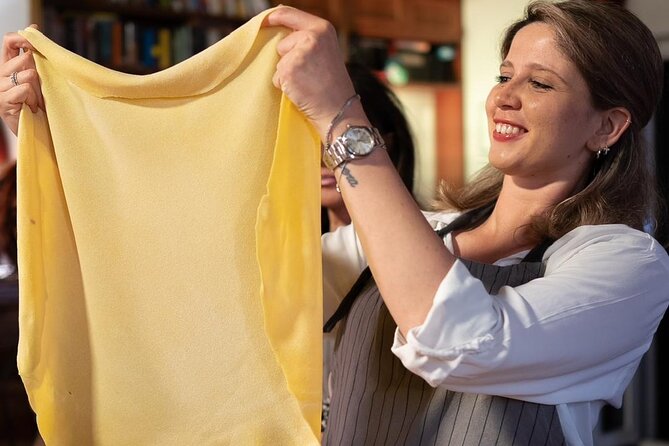
The heart of the class is the pasta. You will make pasta from scratch using eggs and water, then prepare two pasta types with their sauces:
- Cavatelli with a four-cheese sauce
- Tagliatelle with amatriciana sauce
What I like about this pairing is that it teaches you how two different flavor styles work in Rome. One side leans toward a richer cheese sauce; the other brings the classic amatriciana personality. You will learn the technique and the logic behind it, not just how to copy a plate.
The class also includes making two different sauces, which fits perfectly with the pasta plan. This gives you a better understanding of how sauces bring everything together—thickness, seasoning, and how they cling to the pasta.
Dietary options matter here: vegetarian and gluten-free options are available. If you need either, it is worth choosing this class because not all Rome food experiences handle those needs gracefully.
You can also read our reviews of more tours and experiences in Rome



Dessert: tiramisù using the grandma’s recipe
You end with tiramisu, and the class follows a very specific path: you will start with it in the order of the lesson, then later you get to eat what you made. That sequence is useful because tiramisù benefits from a little time setting up, and you get to see how that works instead of rushing dessert like it is an afterthought.
The tiramisù is also one of the most memorable parts for people. The whole point is that it is made using a traditional approach, with a recipe framed as a family, grandma-style method—simple steps, strong results.
Alcohol, but keep it adult: what is included
Wine is not an optional add-on here. You get wine at the welcome stage, and you also have complimentary wine while you eat the food you cooked. The key condition is clear: alcoholic beverages are included only for 18 years old and older.
If you are under 18, this setup may not fit your situation because the class explicitly includes alcohol for adults. If you are traveling with adults who want that extra Roman touch—casual wine with dinner—this is a big value point.
Also, because you are eating what you cooked, the drink feels less like a separate bar stop and more like part of the meal flow.
Small-group dynamics that actually help you learn
With a maximum of 12 people, this class avoids the biggest cooking-class problem: crowding. You are not standing in a line waiting your turn or listening to instructions over other conversations. In a small kitchen, everyone’s hands get involved, and questions land faster.
The vibe is described as funny, unique, and very family-like. That is not marketing fluff. When the hosts are using humor and stories, you remember details like why a sauce is built a certain way or how a texture changes as you work. People also talk about the energy in the room, which is what helps a cooking class feel worth the money.
There is also a practical domestic detail: they have a small dog. That sounds trivial until you realize it keeps the setting feeling real. You are in a home kitchen, not a sterile workplace.
What you will actually experience during the 3.5 hours
Here is how the time usually feels when the structure is cooking-to-table:
- Welcome moment: wine and appetizer, quick stories, and introductions.
- First cooking block: tiramisù preparation.
- Pasta block: making pasta from scratch with eggs and water.
- Sauce work: you prepare sauces to go with the pasta you make.
- Eat what you made: the meal includes what you prepared, with complimentary wine for adults.
This kind of pacing matters when you are planning your day in Rome. It is active enough that you will feel satisfied, not bored. At the same time, it is relaxed enough that you do not feel like you are trapped in a strict kitchen boot camp.
You will also leave with a stronger sense of Italian home cooking as a system: starter to set the mood, pasta to build the main flavor, then dessert that feels special but still approachable.
Price and value: what $108.02 buys you
At $108.02 per person, this is not the cheapest cooking class in Rome. But it is also not an overpriced “pay for the photo” activity. The value comes from several concrete items:
- You are in a home kitchen, with a maximum of 12 people
- You make a full meal: bruschette, two pasta preparations, sauces, and tiramisù
- Alcoholic beverages are included for adults (18+)
- You get to eat right after cooking, using what you produced
If you have ever taken cooking classes where you do one small prep task and then watch, you know how that feels. Here, the structure pushes you into the key steps—especially pasta. Fresh pasta technique is the kind of skill that pays off at home, because it is not just about seasoning; it is about the dough and the feel.
So the pricing makes sense if you want a real meal and real participation, not just a tasting.
Who should book this class (and who should skip it)
This experience is a great fit if you want authentic Roman food in a place that feels like someone’s home. It is also a strong option for team building and private groups, which matters if you are traveling with people and want an activity that creates shared energy.
You should especially consider it if you:
- want to learn classic dishes you can actually cook again
- enjoy small-group settings where you can ask questions
- appreciate a host who mixes cooking with stories and humor
Two groups may want to look elsewhere:
- Families with kids under 12, because children under 12 are not allowed here (they offer a family cooking class if you contact them separately)
- anyone who cannot be around alcohol-inclusive meals, since wine is part of the experience for adults
Logistics that won’t slow you down
The class is near public transportation, and you will receive confirmation at booking. You also get a mobile ticket, and the experience ends back at the meeting point.
You are not responsible for private transportation because it is not included. That is fine, but it means you should plan to reach Piazzale Aurelio by transit or on foot depending on where you are staying. If your hotel is on the far edges of the city, give yourself extra time so you do not arrive frazzled.
Should you book cook with mamma’s Roman home cooking class?
I think you should book this class if you want more than a checklist of dishes. The real draw is the combination of home setting, hands-on cooking, and a full meal built around Roman favorites—tiramisu, pasta from scratch, and two distinct sauces—served with wine for adults.
You should probably pass if you are looking for a big, tourist-style show with lots of scale. This is deliberately small and personal. It is also not set up for children under 12.
If your schedule allows either the 10am or 6pm slot, pick the time that matches your appetite for sightseeing and your comfort with a wine-inclusive adult meal.
FAQ
What time does the cooking class run?
It is offered at 10am and at 6pm. The time you book determines whether you have lunch or dinner.
Where do I meet for the experience?
You meet at Piazzale Aurelio, 6, 00152 Roma RM, Italy, and the activity ends back at the meeting point.
What food will I cook and eat?
You will prepare bruschette as a starter, make two kinds of pasta (cavatelli with a four-cheese sauce and tagliatelle with amatriciana sauce), and prepare tiramisù.
Is wine included?
Yes. Alcoholic beverages are included, but only for participants aged 18 and older.
Is this suitable for children?
Children under 12 are not allowed. There is a separate cooking class for families if you contact them.
Can the class accommodate vegetarian or gluten-free needs?
Vegetarian and gluten-free options are available.