REVIEW · ROME
Make Italian Pizza and Tiramisu Dessert
Book on Viator →Operated by Master Pasta Makers · Bookable on Viator
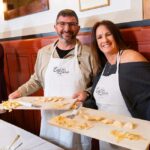
Pizza learns best with your hands. This Rome class near Piazza Navona turns you into a dough maker and a tiramisu mixer, with clear chef guidance from people like Furio and Carlotta, plus a downloadable recipe you can actually use at home. I also love that you eat what you make with a drink and a sweet finish. One consideration: in just 2 hours 30 minutes, you’ll focus on technique and timing, not on becoming a pizza-school pro.
You’ll meet at Via Giuseppe Zanardelli, 14, join a small group (max 12), and get an English-led experience with a mobile ticket. If you’re under 18, alcoholic drinks are not included, so you can still enjoy the class without guessing what your beverage plan is.
In This Review
- Key takeaways before you go
- Finding the class near Piazza Navona (and why that matters)
- Pizza dough from scratch: what you’re really learning
- Toppings and Italian method: choosing your pie without guessing
- Tiramisu in Rome: mascarpone, espresso, and savoiardi
- What happens after cooking: wine, limoncello, and your tasting
- Price and value: is $71.35 worth it in Rome?
- Practical details that can affect your experience
- Who this class fits best (and who might skip it)
- Should you book? A practical decision guide
- FAQ
- How long is the pizza and tiramisu class?
- Where is the meeting point in Rome?
- Is the class offered in English?
- What will I make during the class?
- What’s included in the price?
- Is alcohol included for everyone?
- What is the group size?
- Do I get a recipe to take home?
- What is the cancellation policy?
Key takeaways before you go
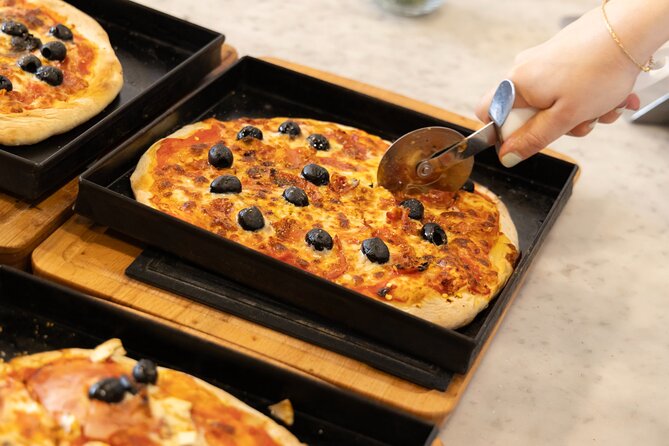
- Hands-on pizza dough: you make the dough from scratch, then top it your way
- Chef feedback in a small group: max 12, so you’re not lost in a crowd
- Tiramisu built with the classics: mascarpone, espresso, and savoiardi biscuits
- You get take-home instructions: a downloadable recipe helps you recreate your results
- Food plus drinks at the end: wine or a soft drink, water, and coffee or limoncello
Finding the class near Piazza Navona (and why that matters)
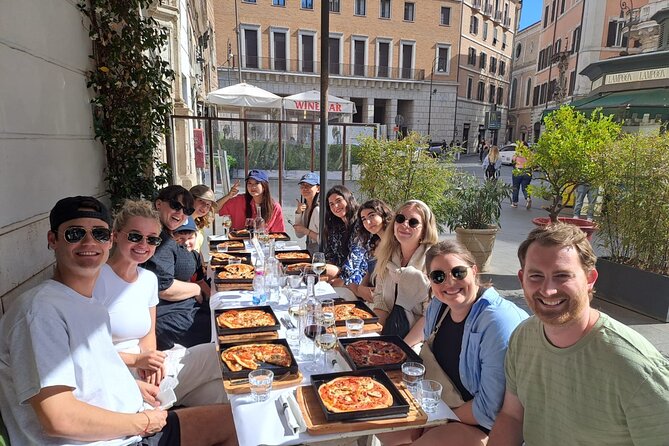
This is a practical Rome experience: you’re doing real cooking, but you’re also close to the city’s most walkable sights. The class is described as a short walk from Piazza Navona, which is a big deal if you want something memorable that doesn’t eat your whole day.
You’ll start at Via Giuseppe Zanardelli, 14, and the activity ends back at the meeting point. That round-trip convenience helps if you’re pairing this with museum time or a dinner plan nearby.
The class runs about 2 hours 30 minutes. That’s long enough to make two proper dishes (pizza and tiramisu), but short enough that you can still keep your Rome itinerary flexible. It’s also offered in English, and you’ll receive confirmation at booking time. You’ll have a mobile ticket, which is the kind of detail that saves time when you’re juggling transit and crowds.
One more practical point: this is a max-12 class. In cooking, that number changes everything. You’re more likely to get direct help when something’s too sticky, too dry, or just needs an extra minute of attention.
You can also read our reviews of more cooking classes in Rome

Pizza dough from scratch: what you’re really learning
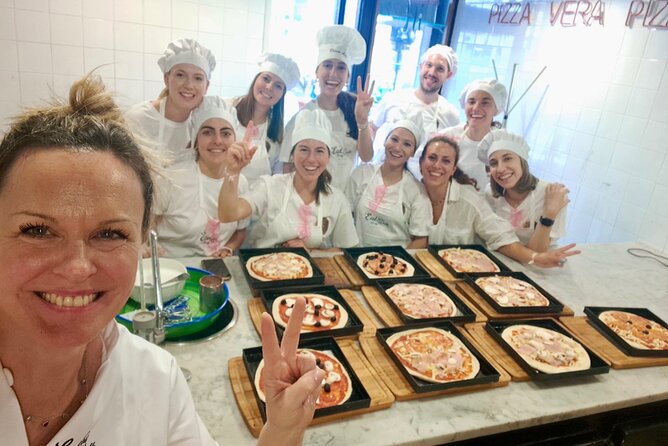
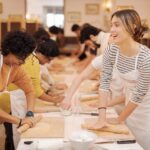
The headline here is pizza from scratch, and that’s exactly what most people don’t get to do on vacation. You’ll create your own pizza dough, then you’ll top it with ingredients of your choice. Even if you think you’re already good at cooking, you’ll probably pick up at least a few technique cues that you can reuse later.
The strongest praise connected to the pizza side is about the teaching style. Chefs like Furio are specifically noted for explaining what to do and what not to do when making pizza at home. That’s the difference between a fun cooking demo and a class that makes you better.
Here’s why that matters for you as a visitor: pizza can be deceptively tricky. Small changes—how the dough feels, how you handle it, how you plan your timing—have a big effect on the outcome. A good chef can help you spot issues early, before you end up with a pizza that looks fine but doesn’t taste right.
You’ll also get a downloadable recipe after the class. That’s not just a nice souvenir. It’s the easiest way to keep your notes straight once you’re back home, when you’re tempted to remember everything incorrectly.
Toppings and Italian method: choosing your pie without guessing
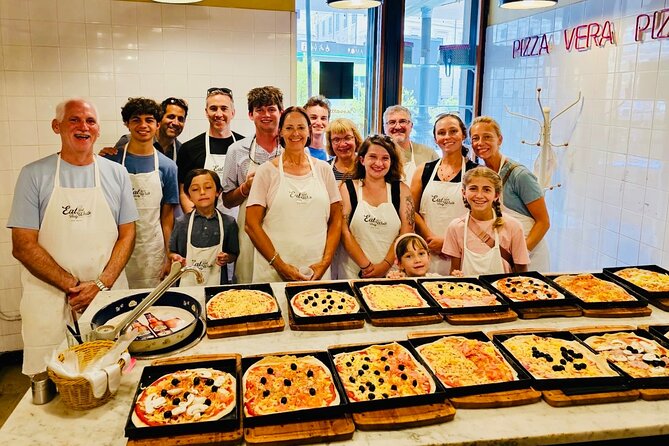
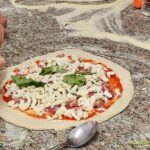
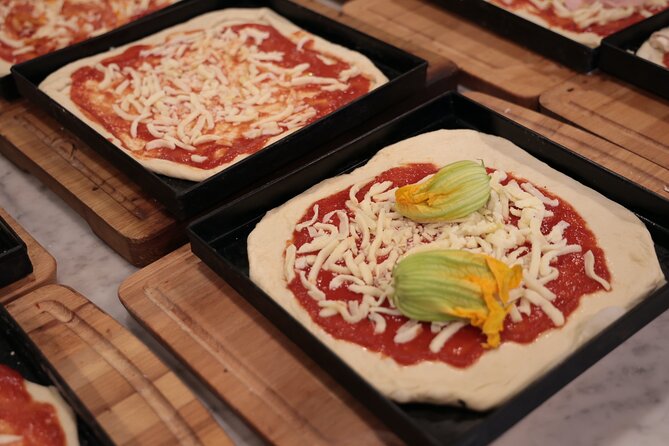
After the dough, you move into topping your pizza with ingredients of your choice. The class is clear that you’ll use fresh ingredients, and you’ll be guided through the process rather than being left to figure things out alone.
Because the menu isn’t a fixed one-size-fits-all pizza, this is a good format for different tastes. Some people want something simple. Others like to go bolder with toppings. Either way, the chef guidance helps you avoid the common vacation mistake: piling on too much and making the pizza harder to manage.
You’ll eat the pizza you make later as part of the class experience, so you’re not stuck cooking something you never taste. That small payoff loop keeps the energy up and makes the whole session feel like you’re actually participating, not just watching a performance.
If you’re coming with family or kids, this kind of guided, hands-on structure is usually a win. One review specifically notes that children were included well by a chef named Maria, and the kids had a lot of fun. That’s often what you want from a cooking class: the food is the star, but everyone still gets a role.
Tiramisu in Rome: mascarpone, espresso, and savoiardi
Then you shift gears to dessert, and the focus stays classic. You’ll make a traditional tiramisu using authentic ingredients: mascarpone, espresso, and savoiardi biscuits.
This part is valuable because tiramisu is one of those desserts people think they already know. But the texture and balance depend on method—how you combine the ingredients, how you handle the espresso-soaked biscuits, and how you build the layers.
A chef-led approach helps you learn the rhythm, not just the ingredients. And since you’re working in a group setting with guided steps, you’ll have a better chance of getting it right the first time compared to trying to follow a recipe at home while distracted by jet lag.
Also, tiramisu is a good way to end a cooking class in Rome because it’s forgiving in the sense that it’s meant to be served after it sets. Even if your layers aren’t picture-perfect, they’re still likely to taste like tiramisu—especially with chef instructions keeping you on track.
What happens after cooking: wine, limoncello, and your tasting
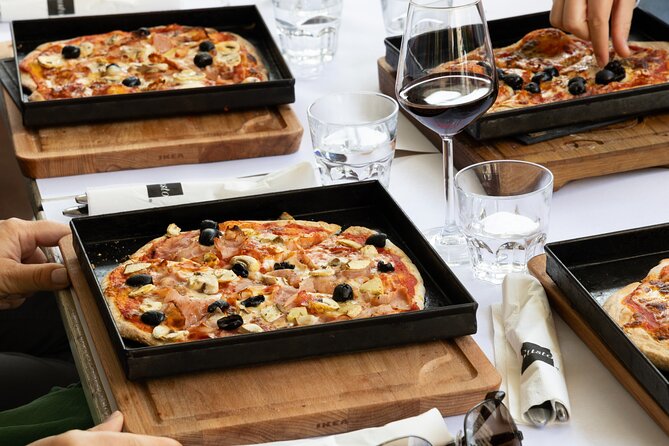
After pizza and tiramisu prep, you sit down and enjoy your creations in a friendly, relaxed setting. Included drinks make the meal feel like a finish line rather than a rushed handoff.
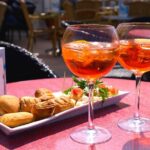
You’ll get a glass of wine or a soft drink with your meal. Water is included too. The experience also includes a coffee or limoncello as a final sip, depending on what’s served that day.
If you’re planning around age rules, note this clearly: alcoholic beverages aren’t included for participants under 18. The class still includes non-alcoholic options, so younger guests aren’t stuck without something to drink during the tasting.
This is where the small-group setup helps again. You’re more likely to chat with the chef and other participants, and the shared food moment makes it easier to remember what each step was supposed to accomplish.
You can also read our reviews of more tours and experiences in Rome




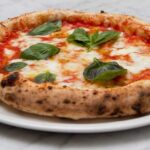

Price and value: is $71.35 worth it in Rome?
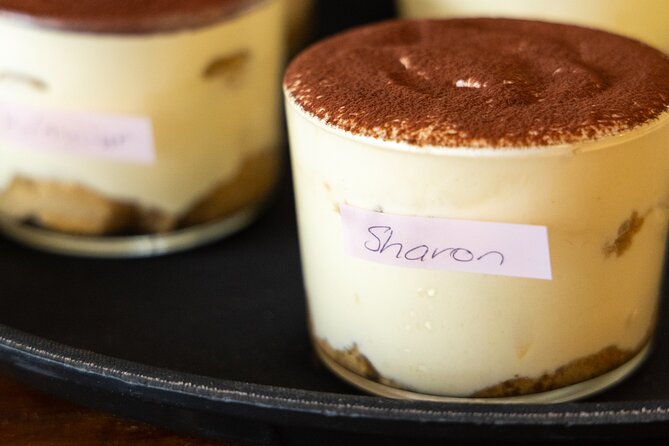
At $71.35 per person for about 2 hours 30 minutes, this class sits in the mid-range for Rome food experiences—but it’s not just paying for someone to talk about cooking.
You’re paying for:
- Two dishes made by you: pizza with toppings and a full tiramisù
- Included beverages: wine or soft drink, plus water
- A sweet finish: coffee or limoncello
- A take-home recipe: downloadable instructions, which help you recreate the class results
That “take-home recipe” detail is a standout value add. One review specifically calls out that the downloadable recipe arrives by email so you don’t have to worry about writing everything down. In practical terms, that reduces the pressure during class and increases your chance of getting good results once you’re home.
Also, cooking classes tend to scale badly if the group is huge. Here, max 12 travelers helps keep your time productive. When you’re learning dough handling and dessert layering, small-group attention matters.
One more signal: it’s commonly booked about 25 days in advance on average. That suggests it’s popular enough that you shouldn’t wait until the last minute if your schedule is tight.
Practical details that can affect your experience
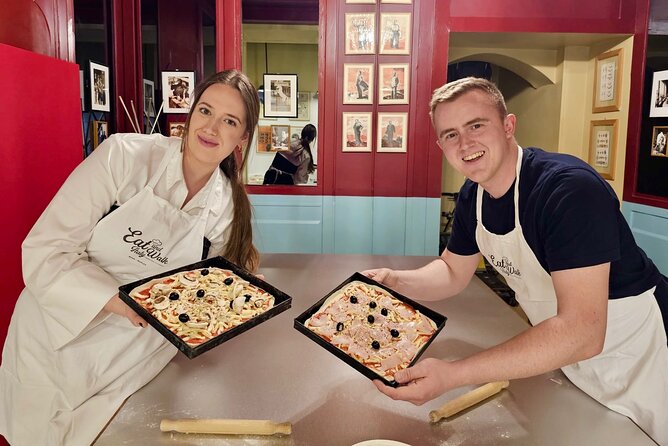
A few small points can help you plan smarter.
Time of day: the class is 2 hours 30 minutes. If you book it right before a long walk or a museum you care about, you might feel rushed afterward. If you can, leave room to digest and reset.
What to wear: you’ll be making dough and assembling food. If you’re thinking about what you’ll do afterward in Rome, choose comfortable clothes you don’t mind getting a little flour dust—especially on your hands.
English instruction: the class is offered in English, so it’s friendly for visitors who want to understand the “why” behind the technique, not just memorize steps.
Alcohol expectations: wine and limoncello are included for those who can have them. If you prefer no alcohol, you’ll still have the soft drink option. It’s not an all-or-nothing situation.
Who this class fits best (and who might skip it)
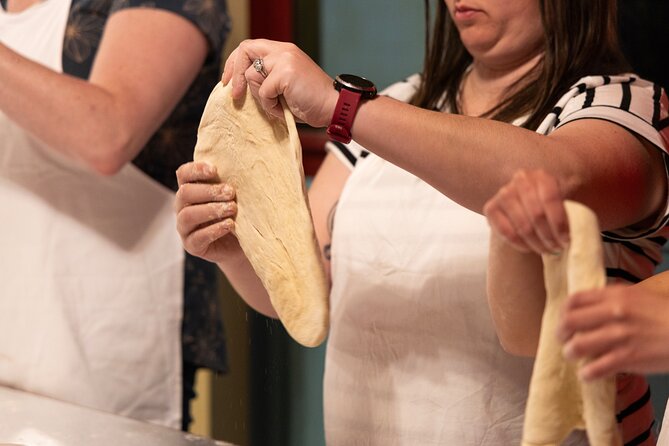
This cooking class is a great fit if you:
- love Italian food and want to learn the basics in a way you can repeat later
- want a hands-on Rome experience rather than another walking tour
- travel with family and need a structured activity where kids can join in (Maria’s inclusion in one review is a real hint)
- care about technique, especially for pizza at home (Furio’s explanation style is specifically praised)
You might consider something else if:
- you’re looking for a sightseeing-heavy day with minimal food work
- you want a completely hands-off experience where you mostly observe
Should you book? A practical decision guide
Book this class if your goal is to leave Rome with something you can repeat—pizza dough technique and a real tiramisu method, not just a story. The combination of making two dishes, eating them right after, and receiving a downloadable recipe is exactly what turns a vacation meal into a skill.
Skip it if your schedule can’t spare 2 hours 30 minutes or if you’re expecting a long, slow, relaxed cooking afternoon. This is hands-on and timed. It’s built for action and learning.
If you do book, pick a slot when you can actually enjoy the result. After all, the best part isn’t only the cooking. It’s sitting down, tasting your pizza and tiramisu, and ending with the included coffee or limoncello.
FAQ
How long is the pizza and tiramisu class?
It runs for about 2 hours 30 minutes.
Where is the meeting point in Rome?
The start point is Via Giuseppe Zanardelli, 14, 00186 Roma RM, Italy. The activity ends back at the meeting point.
Is the class offered in English?
Yes, it’s offered in English.
What will I make during the class?
You’ll make fresh pizza dough, top your pizza, and then make a classic tiramisu (with mascarpone, espresso, and savoiardi biscuits).
What’s included in the price?
Your pizza with toppings of your choice, your own tiramisù, a glass of wine or non-alcoholic beverage, coffee or limoncello, and water.
Is alcohol included for everyone?
No. Alcoholic beverages aren’t included for participants under 18, and non-alcoholic options are available.
What is the group size?
The class has a maximum of 12 travelers.
Do I get a recipe to take home?
Yes. A downloadable recipe is sent to your email so you don’t have to rely on notes.
What is the cancellation policy?
Free cancellation is available. You can cancel up to 24 hours in advance for a full refund. Cancellation within 24 hours of the start time isn’t refunded.