REVIEW · ROME
Best of Rome Walking Tour and Master of Pizza Class
Book on Viator →Operated by J&H Enterprises, LLC · Bookable on Viator
Pizza and history in one tight plan. This Rome walking tour mixes famous landmarks like the Pantheon and Trevi Fountain with a hands-on pizza-making class that turns sightseeing hunger into an edible win. You get a guided route you’d likely miss on your own, then you cap it off at a restaurant with a professional pizzaiolo showing you how Roman-style pizza is built, dough to oven.
What I love is the way the history stays practical. You’ll get the stories behind big sights you’re already seeing, plus quick direction on how to read the city as you walk—so the monuments actually stick in your head instead of just being photos on your phone. I also like that the cooking portion is interactive and for real: you’ll make dough from scratch, stretch it thin, top it, and bake it in a traditional pizza oven.
One thing to consider: this is a 4-hour day with a moderate walking pace, and the stops are brief. If you like long hangs at Trevi or the Spanish Steps, you may feel a bit rushed. Also, a few real-life hiccups show up sometimes—like the cooking plan being adjusted or shifted—so build in flexibility and arrive with good phone service.
In This Review
- Key Highlights You’ll Care About
- A Smart First-Day Rome Plan: Spanish Steps to the Big Sights
- The Walking Tour: How You’ll Get Meaning From the Map
- What to expect with the pace
- Where the guide helps most
- Pizza Class 101: From Dough to Oven-Baked Roman Pizza
- Dough work: the part that changes your pizza game
- Toppings and baking: where it goes from homework to dinner
- Chef language barrier: usually not a problem
- When Things Don’t Run Exactly Like the Plan
- My practical tip
- How Much Time This Takes (And Why That’s a Good Thing)
- Who This Tour Fits Best
- Value: Is $104.38 Worth It for a Half-Day?
- Practical Tips Before You Go
- Should You Book This Rome Walking Tour and Pizza Class?
- FAQ
- Where does this tour start?
- How long is the experience?
- Is the tour offered in English?
- How big is the group?
- Does the class accommodate dietary requirements?
- Can I get a refund if I cancel?
Key Highlights You’ll Care About
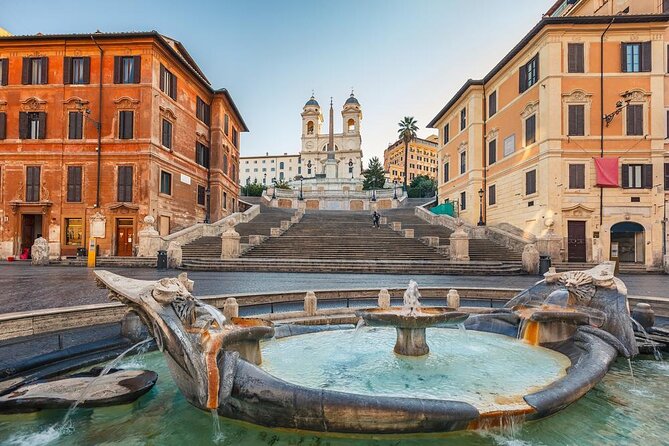
- Spanish Steps meeting point makes this easy to start if you’re staying in central Rome
- Pantheon to Trevi route covers the big hitters without you guessing where to go next
- Dough from scratch plus stretching it thin is the real Roman-pizza skill set
- Traditional oven baking means you get that hot, baked finish (not just a demonstration)
- Small group size (up to 20) keeps the pace friendly and questions manageable
- Chef-to-guide translation helps even if the pizzaiolo speaks limited English
A Smart First-Day Rome Plan: Spanish Steps to the Big Sights

If you’re short on time, this format makes sense. Starting at Piazza di Spagna keeps you in the center of things, and it anchors your day right where many first-time routes naturally begin. From there, you’re not left wandering with a map and a “good luck” prayer. You’re walking with someone who knows the flow of the area and can point out what matters as you go.
You’re also buying more than a snack-and-a-stroll. The tour aims to give you the context behind major monuments—so when you see the Pantheon later on your own, it feels less like a random huge building and more like a place with a story you already understand. That’s the value of having a guide for at least part of your trip: it helps you fast-track Rome’s meaning.
And then there’s the second half, which is the secret sauce. Rome is great, but it can also make you hungry fast. Turning that hunger into a hands-on Roman pizza class is a clever way to break up the day and keep kids and adults interested at the same time.
You can also read our reviews of more walking tours in Rome


The Walking Tour: How You’ll Get Meaning From the Map
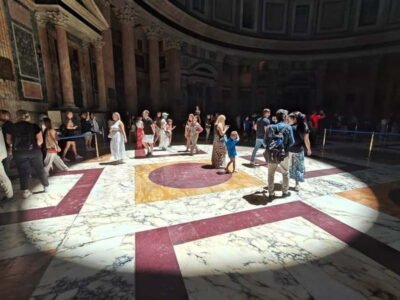
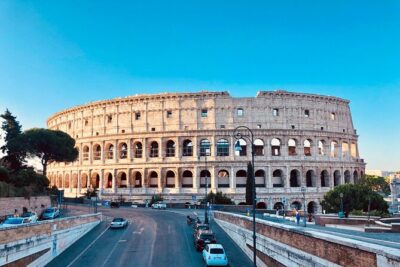
This isn’t a slow, ceremonial march. It’s a guided walk past some of Rome’s best-known sights, with enough time at key moments to take photos and absorb the basics. You’ll pass by the Pantheon and make your way toward Trevi Fountain. Along the way, you’ll hear the stories that people repeat because they’re good—and because they’re true to Rome’s way of mixing legend with stone.
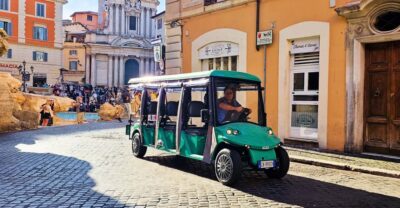
A quick example: Trevi Fountain comes with the classic coin tradition. It’s the kind of detail that’s easy to skim past on your own, but with a guide, it becomes part of the broader city narrative instead of trivia.
What to expect with the pace
Several people liked that the walking portion doesn’t drag. If you’re jet-lagged or you’ve got a mixed-age group, this can feel like a win because you’re not committing to a 3-hour march. On the other hand, if you love lingering in one spot—like staying at Trevi for ages—this tour may feel like you’re stopping, snapping, and moving again.
Where the guide helps most
You’ll likely notice two kinds of help:
- figuring out what you’re looking at (and what to ignore)
- learning small local perspective so the city feels less foreign
That’s also why “first time in Rome” is a perfect match here. You’ll leave with a mental grid—so later walks feel easier, and you’re not starting from zero.
Pizza Class 101: From Dough to Oven-Baked Roman Pizza
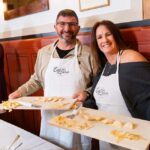
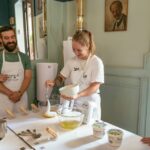
Now for the part most people talk about. You head to a restaurant workshop with a professional pizzaiolo. The goal is simple: you don’t just watch pizza being made—you make it.
You can also read our reviews of more tours and experiences in Rome




Dough work: the part that changes your pizza game
Your class starts with soft, flexible dough made from scratch. Then you’ll stretch it to be thin—described as thin enough to feel almost like paper. That’s not just technique for show. Thin Roman-style dough bakes differently, and once you’ve felt how the dough responds, you understand why pizza dough isn’t one-size-fits-all.
You also prepare a sauce and then build the toppings your way. One strong point here is that people felt the class was hands-on without being overly complicated. You’re learning by doing.
Toppings and baking: where it goes from homework to dinner
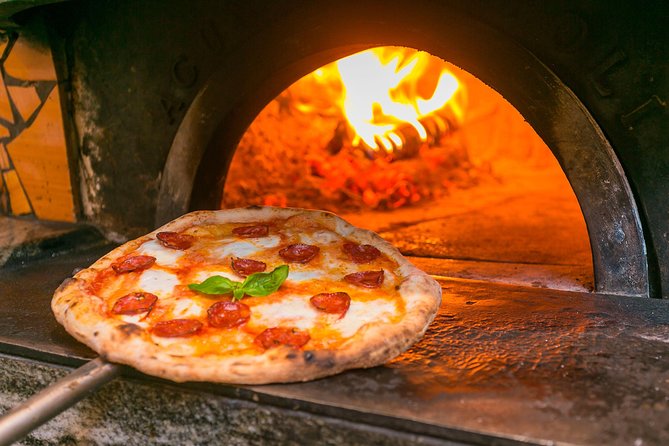
After stretching and topping, your pizza goes into a traditional pizza oven to bake. That oven moment matters. It’s the difference between a pizza that tastes like bread plus cheese and a pizza that tastes like Rome—hot, blistered, and properly baked.
Depending on the night and the setup, you may also get dessert at the end. One guest specifically called out tiramisu as a standout. If dessert is offered, it’s a nice finishing touch to cap the day’s work with something sweet.
Chef language barrier: usually not a problem
Some pizzaiolos don’t speak much English, and that can sound intimidating on paper. In practice, the guide translates and keeps the class running smoothly. Even if the chef’s instructions are in Italian, the guide helps you understand what to do next.
When Things Don’t Run Exactly Like the Plan
Rome is famous for beauty. It’s also famous for life happening. A couple of guests reported real changes to the cooking portion due to emergencies or illness. In one case, pizza making was replaced with pasta making. In another case, the class moved to a different pizzeria.
I’m not telling you this to scare you off. I’m telling you because it’s a real-world travel truth: plans can shift. The best approach is to stay flexible and focus on what stays consistent:
- you’ll still get a guided walk through major sights
- you’ll still do a hands-on cooking workshop at the end
- your guide will help you manage the timing and instructions
My practical tip
Arrive early and confirm you’re in the right place before the start. The start point is very specific: Piazza di Spagna, 18. If your phone signal is spotty, consider using Wi‑Fi nearby ahead of time so you can receive any updates.
How Much Time This Takes (And Why That’s a Good Thing)
The experience runs about 4 hours total. That’s a sweet spot for visitors who don’t want to lose a whole day to one activity.
The walking portion often feels like roughly an hour and a half, then you settle into the restaurant portion for dough, toppings, and baking. It’s long enough to feel like you actually did something meaningful, but short enough that you can still enjoy the rest of Rome afterward—especially if this is your first day and you’re still building your rhythm.
Also, the group size is capped at 20 travelers. Smaller groups generally mean your questions don’t get lost and the pacing stays more human. One guest even said their family ended up with a private guide, which can happen when schedules line up and demand is low.
Who This Tour Fits Best
This is a great match if you’re:
- visiting Rome for the first time and want a structured way to see the big sights
- traveling with kids or teens who need an activity that isn’t just looking
- the type of person who loves food experiences that teach real technique
- short on time and want a single “start here” plan that you can build on later
It can be less ideal if you:
- want a slow, linger-and-stare style visit
- hate surprises and need every detail to run perfectly on the clock
- have very specific dietary needs (you can ask ahead, but you’ll need to state requirements at booking)
Value: Is $104.38 Worth It for a Half-Day?
Let’s talk value without the hype.
At $104.38 per person for about 4 hours, you’re paying for three things at once:
- A guided walk that gets you from the Spanish Steps area to major sights with context
- A hands-on pizza-making class led by a professional pizzaiolo
- The equipment and oven time that makes the pizza real and not just theoretical
If you were to price these separately—private guide plus a cooking class elsewhere—you’d likely end up paying more for the guide component alone. Here, the combo gives you two kinds of payoff: you learn what you’re seeing, then you eat what you made.
The only value-risk is if you’re unlucky with an adjustment to the cooking plan. Still, since the overall experience remains the same structure—walk plus a workshop—it tends to land well for most people, especially if you’re open to minor changes.
Practical Tips Before You Go
- Wear comfortable shoes. This is a walking tour, and Rome’s stones don’t care about your fashion choices.
- Go hungry for the pizza. Several people suggest not eating too much before the class so you can enjoy the meal you make.
- Plan for a lively pace. Stops are brief enough to keep things moving, so treat it like a guided highlight reel.
- Say dietary needs at booking. The tour asks you to advise dietary requirements ahead of time.
- Double-check your meeting spot. It’s Piazza di Spagna, 18, and the tour ends back at the meeting point.
Should You Book This Rome Walking Tour and Pizza Class?
Yes, I’d book it if you want an efficient first taste of Rome—sights plus food—and you’re excited by hands-on cooking. The best reason is simple: it connects the city’s stories with an activity you control. You’re not just seeing landmarks; you’re learning the why behind them, then making dinner like a local would.
I’d hesitate only if you strongly prefer slow sightseeing, or if you know you’re the type to spiral about timing changes. A few people did report issues around guide contact or cooking adjustments. If that sounds like you, buffer your day with flexibility and make sure your phone can receive updates.
If you’re flexible and hungry for both history and pizza technique, this is a smart way to start Rome.
FAQ
Where does this tour start?
The meeting point is Piazza di Spagna, 18, 00187 Roma RM, Italy. The activity ends back at the meeting point.
How long is the experience?
It runs for about 4 hours.
Is the tour offered in English?
Yes. It is offered in English.
How big is the group?
The tour has a maximum of 20 travelers.
Does the class accommodate dietary requirements?
You should advise any specific dietary requirements at the time of booking.
Can I get a refund if I cancel?
No. This experience is non-refundable and cannot be changed for any reason.