REVIEW · ROME
Vatican Museums and Sistine Chapel Tour
Book on Viator →Operated by Republic Experiences · Bookable on Viator
Your Vatican day starts fast, not stressful. This express entry tour pairs a live guide with Sistine Chapel time, plus headsets so you can keep up inside the crowds.
I really like the small group size, which makes it easier to hear your guide and stay together. I also like the headsets inside the busy galleries, so you don’t have to guess what you’re looking at.
One thing to consider: in the Sistine Chapel there’s no photos, and your time there is tight at about 30 minutes.
In This Review
- Key highlights to know before you go
- Fast-track entry that actually protects your sightseeing time
- Where you meet and how the 2.5-hour pace feels in real life
- Vatican Museums: the route that hits the art you’ll remember
- What you’re likely to notice in the Gallery of the Maps
- What you’re likely to notice in the Gallery of Tapestries
- Headsets and timing: why this setup helps you avoid the museum maze
- Sistine Chapel: short time, big impact (and strict rules)
- What to do in your 30 minutes
- Photo and noise rules you must respect
- How the day finishes at St Peter’s Basilica
- Price and value: is $81.82 a smart buy?
- Who this tour fits best (and who might want a different approach)
- Should you book this Vatican Museums and Sistine Chapel tour?
- FAQ
- How long is the Vatican Museums and Sistine Chapel tour?
- What does the tour include for entry?
- Is this tour a small group?
- What are the rules in the Sistine Chapel?
- Do I get a ticket on my phone?
- Where do I meet the tour?
- Does the tour end at St Peter’s Basilica?
Key highlights to know before you go
- Express tickets help you avoid long waits entering the Vatican Museums and Sistine Chapel.
- A guided route targets the big artworks so you don’t waste time wandering.
- Headsets make it practical to follow the commentary in crowded halls.
- Gallery of Maps + Gallery of Tapestries get included, not left to chance.
- Sistine Chapel rules include no talking once you’re inside, so the guide sets context first.
- Escorted finish at St Peter’s Basilica, so you know where your day ends.
Fast-track entry that actually protects your sightseeing time
The Vatican Museums can be a full-day stress test. The building is huge, the art is dense, and lines can chew up the hours you planned for Rome. This tour is built to fix that basic problem: it uses express-style entry so you can get into the main sights faster and spend your energy on art, not queues.
The best part is that the plan doesn’t just speed things up. It also gives the route structure that the Vatican Museum layout really demands. Instead of trying to figure out your own path through hundreds of rooms, you follow a guide to major stops and keep moving in a way that makes sense for time and attention.
You can also read our reviews of more museum experiences in Rome



Where you meet and how the 2.5-hour pace feels in real life
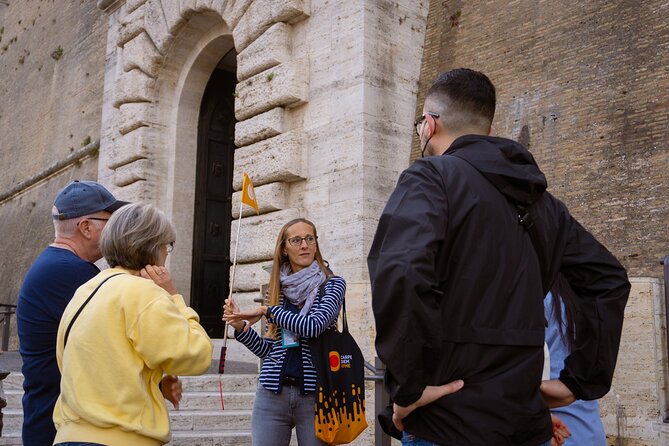
You start at Viale Vaticano, 100, 00192 Roma RM. The finish is at St Peter’s Basilica near Piazza San Pietro (you’re escorted there after the museum and chapel stops).
The total time is about 2 hours 30 minutes, with roughly 2 hours in the Vatican Museums and about 30 minutes in the Sistine Chapel. That pace can feel quick, but it’s also honest: the Vatican is too big to “see everything” in one visit. This tour aims for the highlights plus enough guidance that the visit feels coherent.
With a maximum group size of 13 travelers, you get a better shot at hearing your guide. Smaller groups also tend to move more smoothly through bottlenecks, which matters in places where people stop suddenly just to take photos.
Practical heads-up: during the Jubilee, some monuments may be under restoration. The tour provider may send messages about possible changes, so check your email the closer you get.
Vatican Museums: the route that hits the art you’ll remember
The Vatican Museums cover more than 1,000 rooms and miles of gallery space, so the biggest challenge is choice. This tour handles that by focusing on key galleries and famous works connected to major artists.
You’ll explore major museum highlights, including the Gallery of the Maps and the Gallery of Tapestries. Those two stops are worth it because they’re not just “pretty rooms.” They’re part of how the Vatican communicates power through art—using scale, detail, and storytelling to make ideas feel permanent.
What you’re likely to notice in the Gallery of the Maps
The Gallery of the Maps is a favorite because it’s a change of pace. You’re not staring at a single painting. You’re looking at a wall-scale view of the world and thinking about how geography, politics, and religion got mixed into one visual message.
A good guide helps you read it instead of just staring. You’ll get context for what you’re seeing, why it was made, and how it fits into the Vatican’s broader collection and historical role.
What you’re likely to notice in the Gallery of Tapestries
The Gallery of Tapestries gives you a different kind of artistic “wow.” Instead of one masterpiece at a time, you get a sense of craft, design, and narrative. If you’re the kind of person who likes art that feels architectural or theatrical, this is a great pairing with the Maps gallery.
You’ll also hear connections to major names tied to what you see during your walk through the museums, including Raphael, Leonardo da Vinci, Caravaggio, and Michelangelo. The point isn’t to list artists like a trivia sheet. The point is to help you recognize styles and themes while you’re moving.




Headsets and timing: why this setup helps you avoid the museum maze
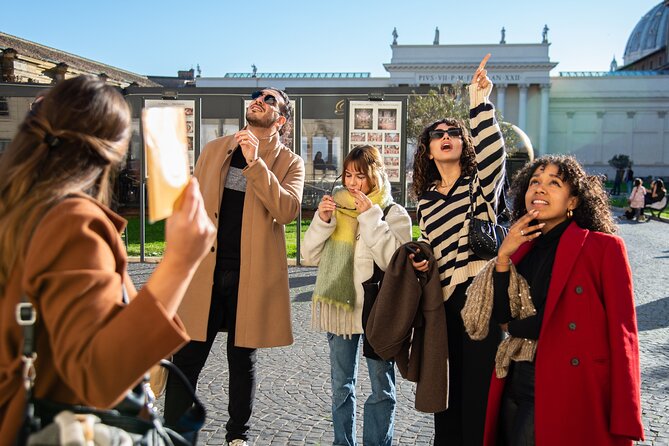
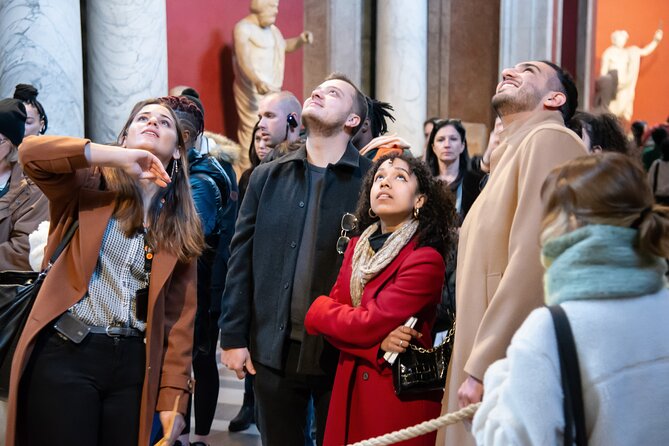
Inside the Vatican Museums, sound and crowd flow can be your enemies. Everyone is looking up, stopping often, and turning at random angles. With large groups, that can mean you get lost not only in space, but also in the story the guide is telling.
This tour uses headsets, which makes a real difference. You can listen to commentary even when you’re not standing in the exact best spot. That matters if you want to understand why certain works were collected or what makes the Vatican’s presentation different from other museum collections in Europe.
The guided approach also keeps you from getting overwhelmed. When you step into the Vatican, your brain can say yes to too much at once. A guide helps you prioritize—so you actually remember what you saw later, instead of only remembering that it was very big.
You’ll likely hear sharper, more human context too. Several guides have been highlighted by name in customer feedback—like Andy, Janette, Caterina, Christina, Fe, Suzanne, and Barbara—and the common thread is that they tell the story in a way that keeps people engaged. One guide is described as holding a PhD, which fits the “explain it clearly and keep it interesting” vibe you want when you’re looking at complicated religious art and Vatican politics.
Sistine Chapel: short time, big impact (and strict rules)
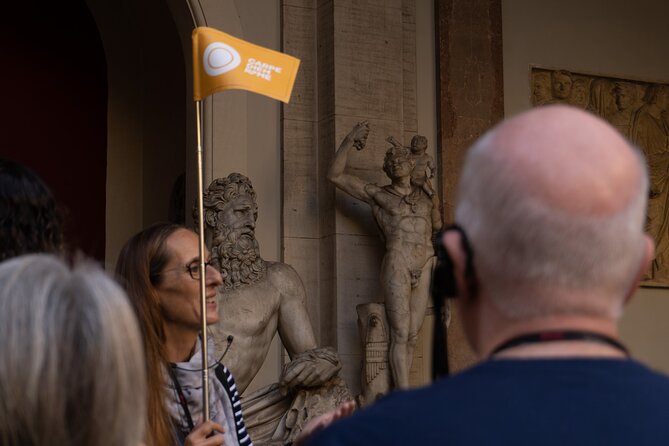
Once you reach the Sistine Chapel, you get a very specific experience: intense art, strict etiquette, and no room for wandering.
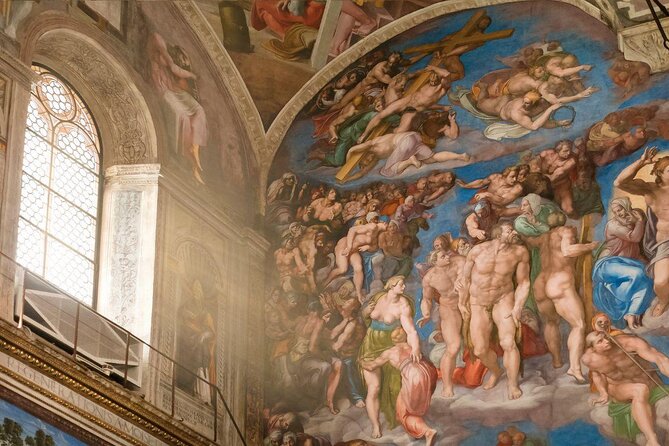
First, there’s a practical reason the guide matters. Inside the chapel there’s no talking, so your guide explains background before you enter. That means you don’t just see Michelangelo’s Creation of Adam and The Last Judgement as famous images on posters. You should understand what you’re looking at and why it was created.
What to do in your 30 minutes
This stop is about 30 minutes. Your job is to stay present and choose your moments.
If you’re tempted to scan everything quickly, you’ll miss the emotional pull of specific scenes. Instead, plan to spend a little longer looking upward at the ceiling work and then shift attention to major fresco sections connected to the Last Judgement. Your guide’s context should make those moments click.
Photo and noise rules you must respect
No photos are allowed in the chapel, and once inside, the silence rule is real. That means the experience is more about watching, absorbing, and listening to what you were set up to notice before entering.
Bring your patience for the “everyone is respectful but everyone is also trying to look.” The chapel is where calm matters, and this tour’s format helps keep that calm.
How the day finishes at St Peter’s Basilica
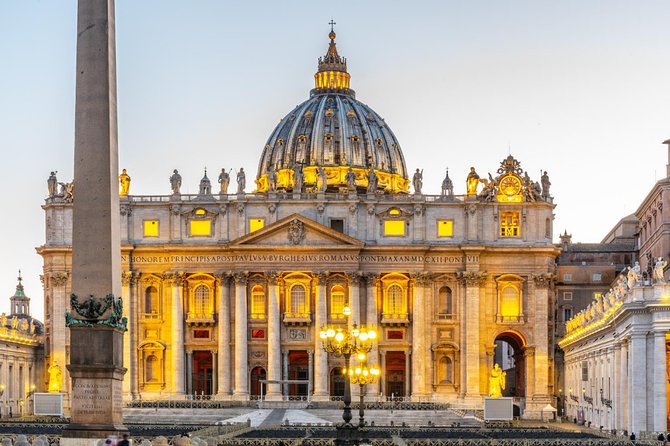
After the Sistine Chapel, the tour concludes with an escort to St Peter’s Basilica near Piazza San Pietro.
That handoff is useful. You’re already in the Vatican City area, and St Peter’s is one more major stop that can be hard to navigate when your brain is already full of art. This structure gives you a clear path to your next move instead of sending you out on your own mid-day.
If you have energy after the chapel, use it right away in the basilica. If you don’t, it’s still smart to at least step inside and take in the scale. The basilica tends to land differently after seeing Michelangelo’s work—your sense of what the Vatican tries to communicate becomes more obvious.
Price and value: is $81.82 a smart buy?
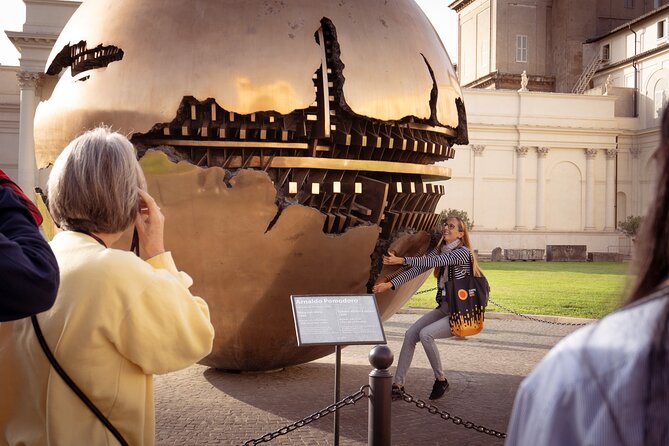
At $81.82 per person, this tour isn’t the cheapest way to see the Vatican. It is, however, a “pay for time and clarity” choice.
Here’s why it can be good value for many people:
- Admission is included for both the museums and the Sistine Chapel.
- Express tickets reduce the biggest time-killer: waiting.
- You get a guide plus headsets, which helps you actually understand and enjoy what you’re seeing.
- The total duration is tight and manageable. You’re not spending a whole day stuck in the Vatican machine.
If you’re traveling with limited time in Rome, this is the key argument. Paying more can be worth it when your alternative is losing hours and walking out feeling like you saw a lot of rooms but not the meaning behind them.
Who this tour fits best (and who might want a different approach)
This tour fits best if you:
- Want a high-impact highlights visit without getting lost in the museum maze.
- Care about having a guide connect art to context.
- Prefer a small group experience.
- Don’t want to wrestle with entry lines and timing on your own.
You might consider something else if you:
- Want to linger for a very long time in every major gallery. This isn’t a “slow museum day.”
- Plan to take lots of photos in the Sistine Chapel. The chapel has no photos.
Also, if you’re sensitive to strict rules and silence, remember that the chapel is silent once you’re inside. That’s normal here, and it’s part of how the space works.
Service animals are allowed, and the meeting location is near public transportation, so it’s relatively easy to reach.
Should you book this Vatican Museums and Sistine Chapel tour?
Yes, if you want the Vatican’s greatest hits with less friction. The express entry is the big selling point, and the guide structure plus headsets is what turns a rushed visit into something that feels understandable.
I’d book it if your Rome schedule is tight and you’d rather trade extra free time in a café for fewer hours standing in lines. And I’d especially book it if you want the Sistine Chapel moment to feel meaningful, not just famous.
If your dream Vatican day is slow wandering and personal discovery, then a self-guided approach might suit you better. But for most first-timers, this tour is the practical way to get the most art impact per hour.
FAQ
How long is the Vatican Museums and Sistine Chapel tour?
It lasts about 2 hours 30 minutes total. You spend around 2 hours in the Vatican Museums and about 30 minutes in the Sistine Chapel.
What does the tour include for entry?
Admission tickets are included for both the Vatican Museums and the Sistine Chapel.
Is this tour a small group?
Yes. The tour has a maximum of 13 travelers.
What are the rules in the Sistine Chapel?
There is no talking inside the chapel. Also, no photos are allowed.
Do I get a ticket on my phone?
Yes. The tour uses a mobile ticket.
Where do I meet the tour?
You meet at Viale Vaticano, 100, 00192 Roma RM, Italy.
Does the tour end at St Peter’s Basilica?
Yes. After the Vatican Museums and Sistine Chapel, you’re escorted to St Peter’s Basilica near Piazza San Pietro, 00120 Città del Vaticano, Vatican City.