REVIEW · ROME
Rome: Colosseum Arena Access and Ancient Rome Guided Tour
Book on GetYourGuide →Operated by Roman Vacations · Bookable on GetYourGuide
You get on the Colosseum arena floor. That one access upgrade turns a famous ruin into a real performance space. I like the arena floor access and I also like how the tour keeps going into the Roman Forum and up Palatine Hill for the emperors’ palace area.
You’ll cover three “big-ticket” stops in about 3 to 3.5 hours, with a guide steering you through what matters and why it mattered. The main drawback is simple: Palatine Hill has real steps and the tour moves on schedule, so you’ll want comfortable shoes and a calm pace.
In This Review
- Key things that make this tour worth your time
- Stepping onto the Colosseum Arena Floor (Not Just Looking at It)
- Roman Forum: The Power Center You Can Walk Through
- Palatine Hill and the Imperial Palaces: Where Emperors Lived
- How the Guides Make or Break This Day
- Walking Route, Timing, and Where to Stand for Better Photos
- Price: What You’re Really Paying for at $94
- What to Bring (And What to Leave at Home)
- Who Should Book This Colosseum Arena Floor Tour
- Should You Book It?
Key things that make this tour worth your time
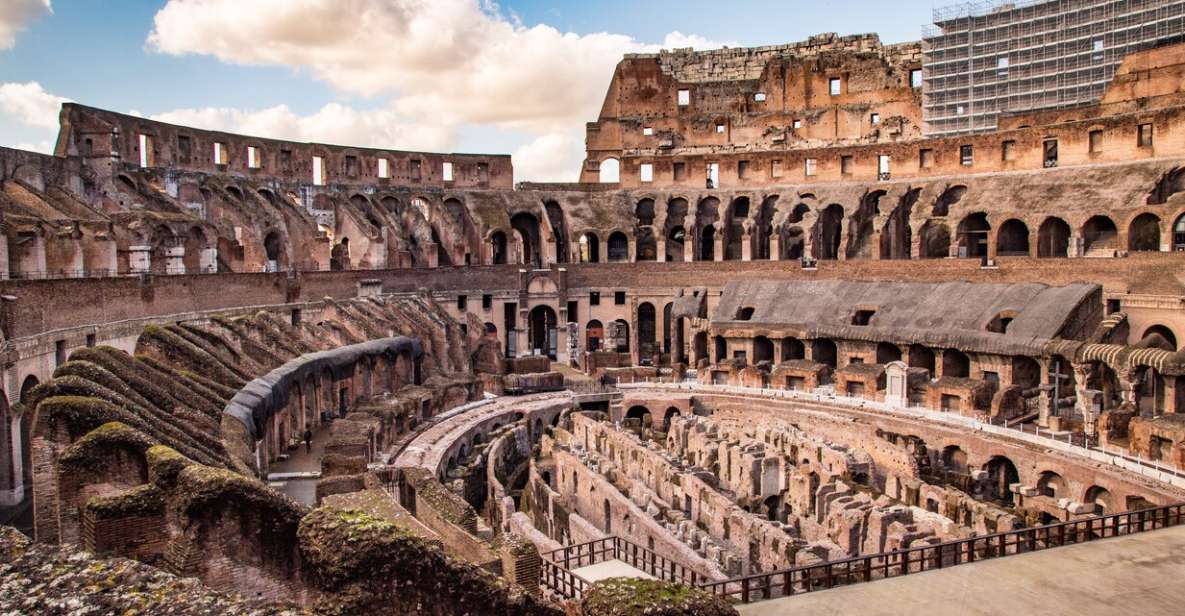
- Arena-floor, gladiator-gate access: You reach a restricted viewing area and stand on the reconstructed arena floor.
- A guided storyline across sites: The Roman Forum and Palatine Hill are explained as the daily heart of power, not just random ruins.
- Small groups help you move: Private or small groups are available, and some departures run around a dozen people, which makes walking smoother.
- Photo stops are part of the plan: Your guide points out where to stand for better angles from spectator areas and viewpoints around the Forum.
- Headsets when needed: You don’t have to strain to hear the guide in noisy sections.
- Weather-tough tour: It runs in all weather unless authorities close the site.
Stepping onto the Colosseum Arena Floor (Not Just Looking at It)
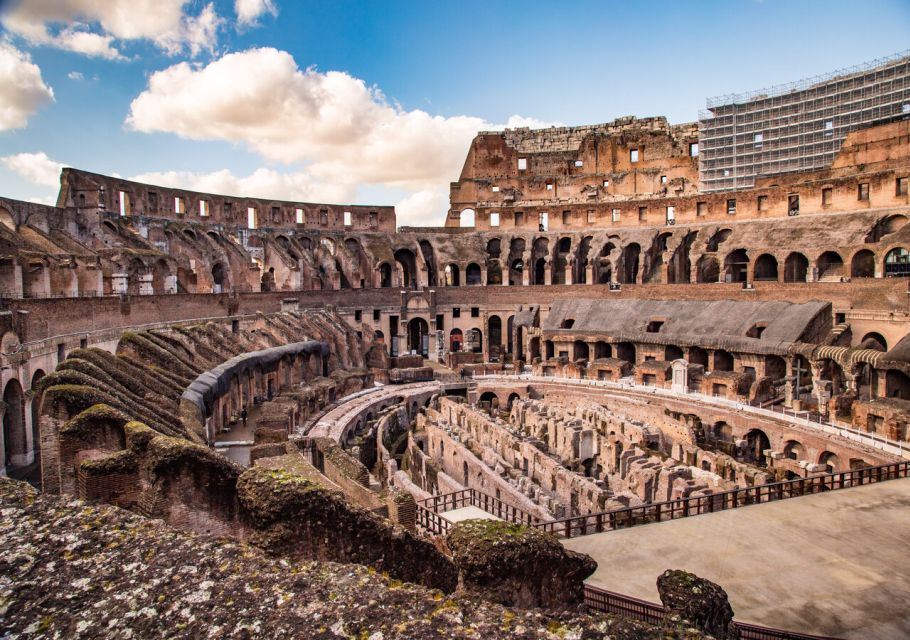
The Colosseum hits you best when you understand the shape of the show. This tour doesn’t stop at the outer viewpoints. You follow your guide into the ancient stadium area with special access that takes you into a restricted zone tied to the action.
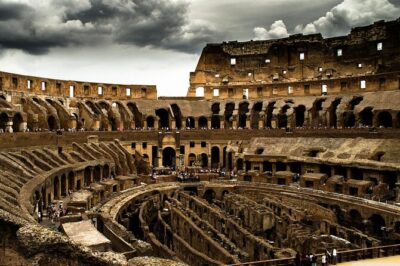
The payoff is standing on the reconstructed arena floor. Even if you know the Colosseum is massive, being down at arena level changes the scale. You see how close the space is between performers and spectators, and it helps everything click when your guide talks through the famous games and battles.
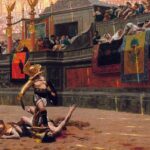
You’ll also walk through the idea of the show via the gladiator gates experience. That “walk-through” moment matters because the Colosseum isn’t just a stone bowl—it was a machine for spectacle. Standing where the entertainment happened makes the stories feel less like facts from a textbook and more like a scene you can picture.
One extra thing I like: you don’t just get history talk. You get direction on where the spectators sat and cheered, which turns the arena into a layout you can mentally navigate. If you’re bringing family or teens, this part is the easiest sell because it’s visual and immediate.
You can also read our reviews of more guided tours in Rome



Roman Forum: The Power Center You Can Walk Through
After the Colosseum, the tour shifts from spectacle to governance. The Roman Forum is where the city’s decisions, rituals, and public life collided. Here you’re not just seeing famous names—you’re walking a route that ties sites together in a way that makes sense.
You’ll head into the Forum with your guide and pass major landmarks tied to Roman daily life. The stops include:
- the Temple of Romulus
- the Temple and House of the Vestals
- Julius Caesar’s Temple
- the Senate House
What makes this section valuable is how it’s taught as a functioning space. The Forum wasn’t only for speeches and monuments—it was a place people moved through, worked through, and argued through. When your guide points out what each building did, you start reading the area like a map instead of a list.
Also, descending into the Forum helps. You go from the open stadium feeling into a more enclosed, urban canyon. The change of pace keeps the tour from becoming one long “same-stone” experience.
Practical note: the Forum areas can still feel crowded, and you’ll be walking through uneven ground. Your headset helps if you’re in a denser cluster.
Palatine Hill and the Imperial Palaces: Where Emperors Lived
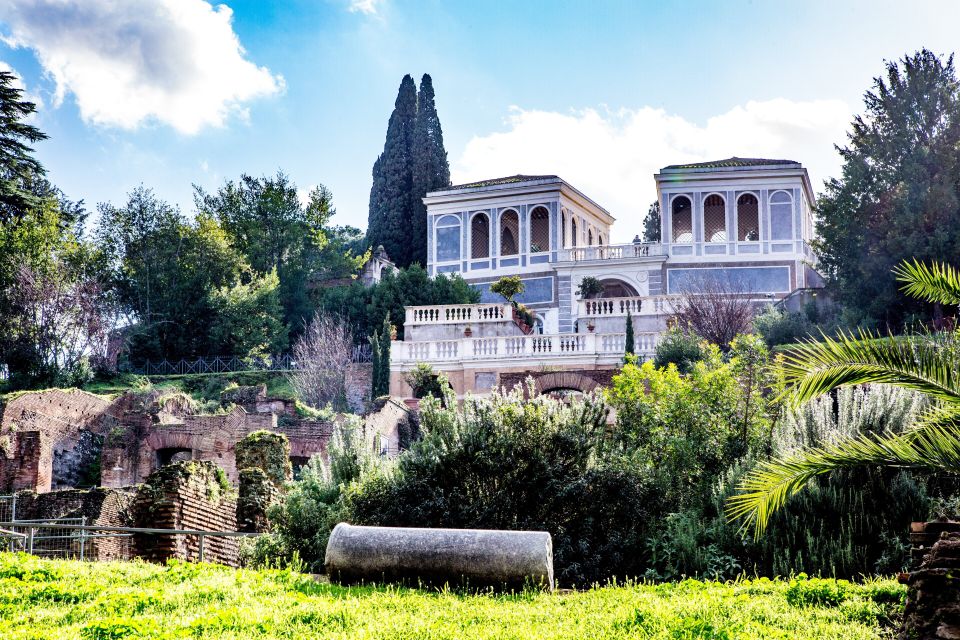
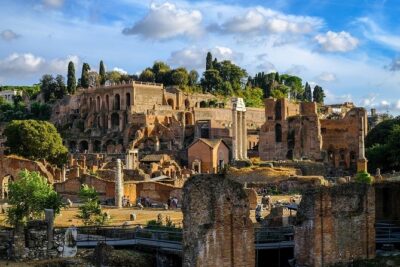
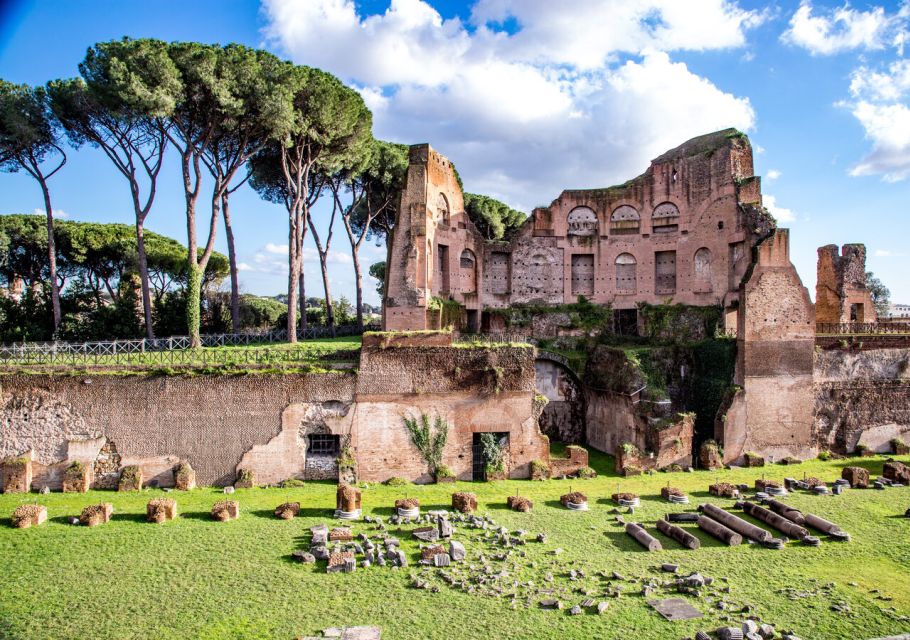
Palatine Hill is the dramatic “from-the-top” section. The tour takes you up into the ruins of the palaces and the emperor’s residential zone, often described as the Imperial Palaces on Palatine Hill.
This stop is special because it shifts your attention from public Rome (Forum) to private Rome (power at home). From this higher vantage you also get broader sightlines that make it easier to understand how rulers could control the city without being seen as ordinary people.
Then you get multiple skyline-and-stone viewpoints, including views toward Circus Maximus and the Stadium of Domitian. Even if you’ve seen photos, it’s different seeing these from the hill. Your guide connects them back to how Romans entertained crowds.
Finally, you’ll visit the Farnese Aviaries area, where you can see the Forum laid out below. This is a helpful “reset” moment. You can look down and make sense of where you’ve been, which makes the whole day feel more coherent.
The main consideration here is physical. Palatine Hill has stairs early on, and it can feel steep at the start even if the pace later works out as more downhill walking. Bring that comfy-shoe mindset.
How the Guides Make or Break This Day
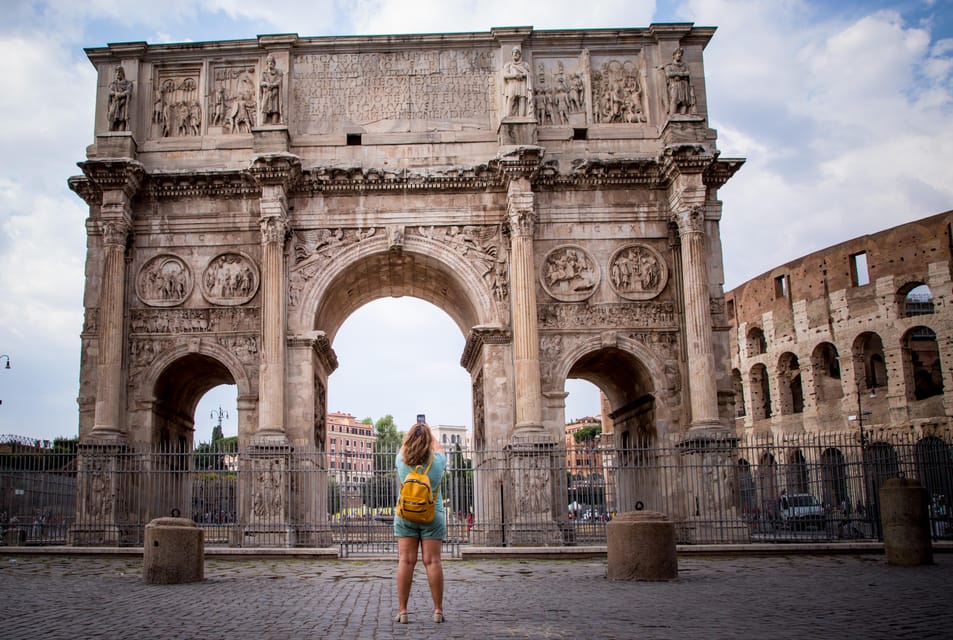
If you care about getting more than surface-level facts, the guide is the whole game on this tour. The strongest common thread across recent guides is that they treat the tour like a story—with humor, pacing, and practical crowd sense.
I noticed the names Angela and Marcello showing up as standout guides. Angela is described as engaging with kids, moving the group so people don’t bake in the sun, and even offering restaurant ideas afterward that aren’t the usual tourist traps. Marcello is described as steering a smart route in the Forum and Palatine Hill, finding photo opportunities, and using smoother paths to cut through waiting.
There’s also a very practical theme: heat management. One guide plan included restroom stops, water stops at fountains so you could refill bottles, and keeping people out of the worst sun when possible. If you’re visiting in hot months, that matters more than any single monument fact.
If you’re choosing a time slot, think about your own heat tolerance. The tour runs promptly and keeps moving, so the “good guide” part helps you stay comfortable, but you still have to be ready to walk.
Walking Route, Timing, and Where to Stand for Better Photos
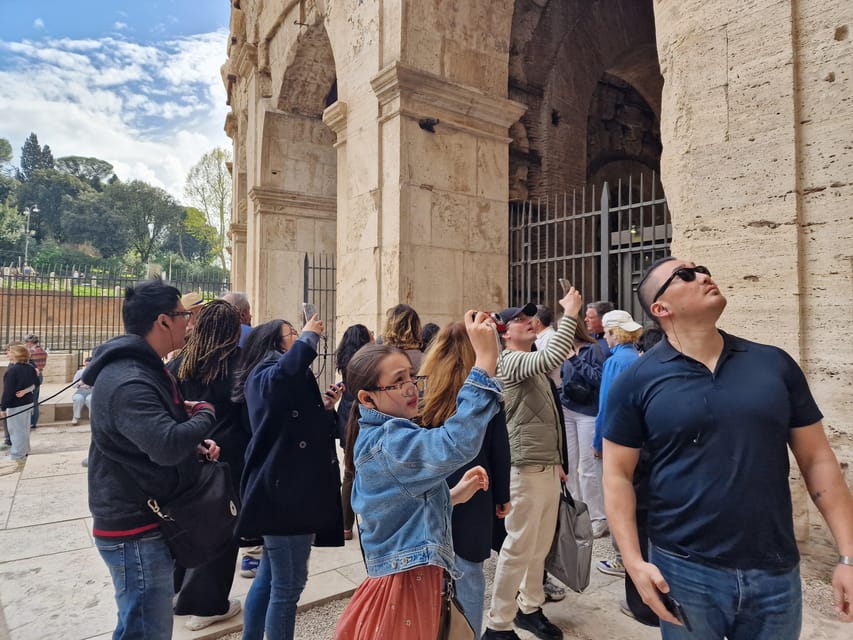
This tour is built as a tight loop across the Colosseum, Forum, and Palatine Hill, and the order can vary. Depending on your start time, the route may begin at the Forum/Palatine Hill and end with the Colosseum, instead of always going Colosseum first.
That flexibility can actually help you. If you’re aiming for the best light angles or want to prioritize the arena access, plan around your tour’s order and move with your guide’s cues.
Photo-wise, the standout moments are tied to viewpoint thinking:
- the arena floor itself (where you can frame the space like a show staging area)
- the vantage points tied to where spectators would have sat
- the Farnese Aviaries look-down angle into the Forum
Also, headsets make it easier to listen while you pause for photos. You don’t lose the thread of the story every time you stop.
Group size also affects photos and movement. Small groups help you avoid the slow, stop-and-go crowd bottleneck. In some bookings, the group size was small enough that people could enter and move through easier than larger groups.





Price: What You’re Really Paying for at $94
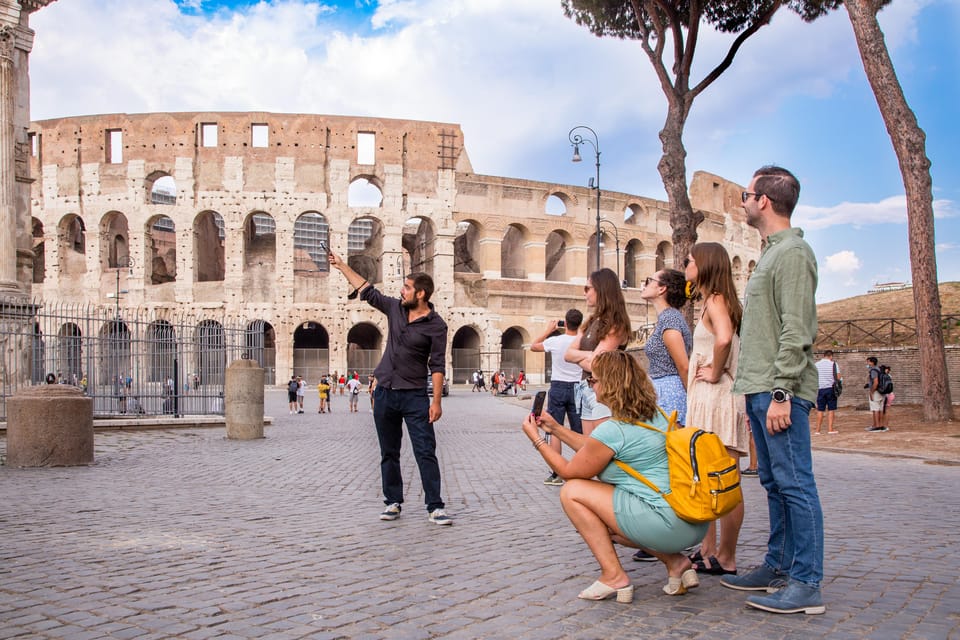
At $94 per person, this isn’t a budget “see it fast” ticket. But it’s also not just paying for entry gates.
Here’s what your price covers:
- skip-the-ticket-line access
- a live English guide
- entry to the Colosseum, Roman Forum, and Palatine Hill (listed as €24)
- headsets when needed
- and the key value add: arena floor access with restricted viewing area time and gladiator-gate experience
The math is simple: basic entries get you inside. This kind of guided tour tries to get you inside with context—and in this case, inside with a view that most visitors never reach.
If your main goal is photos only, you could go cheaper on your own. But if your goal is understanding what you’re looking at—why gladiators fought, how the Forum worked, how power looked from the hill—this price starts to feel fair.
Duration helps too: 3 to 3.5 hours means you’re not spending your whole day stuck in long lines with no interpretation. You’re getting a concentrated, high-impact route.
What to Bring (And What to Leave at Home)
Rome can be chaotic. This tour has practical rules, and you’ll thank yourself for following them.
Bring:
- passport or ID card (your name must match what you entered at checkout)
- comfortable shoes
- sun hat and sunscreen
- umbrella and rain gear (it runs in all weather unless authorities close)
- comfortable clothes for changing conditions
- reusable water bottle
Don’t bring:
- pets
- weapons or sharp objects
- luggage or large bags
- alcohol or drugs
- glass objects
And plan for a security check at the Colosseum. Items that fall into restricted categories can be confiscated—so keep your kit clean and simple.
Who Should Book This Colosseum Arena Floor Tour
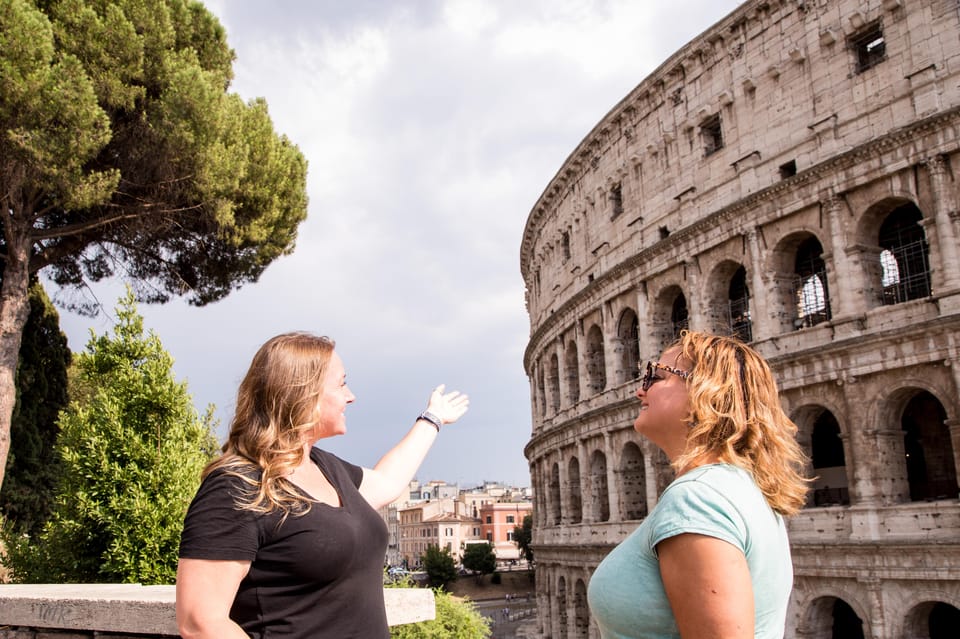
This tour is a great fit if:
- you want the arena floor experience rather than just standing behind barriers
- you like learning as you walk, with the guide translating what you see
- you’re visiting for the first time and want the Forum and Palatine Hill stitched into one clear day
- your group is small enough (or you’re comfortable in one) to move efficiently through the sites
It might be less ideal if:
- you hate stairs and uneven walking and don’t have the stamina for Palatine Hill early on
- you’re hoping for a slow, unstructured visit where you can linger for hours
For most people, though, this is one of the strongest ways to “do” ancient Rome without turning it into a blur of ruins.
Should You Book It?
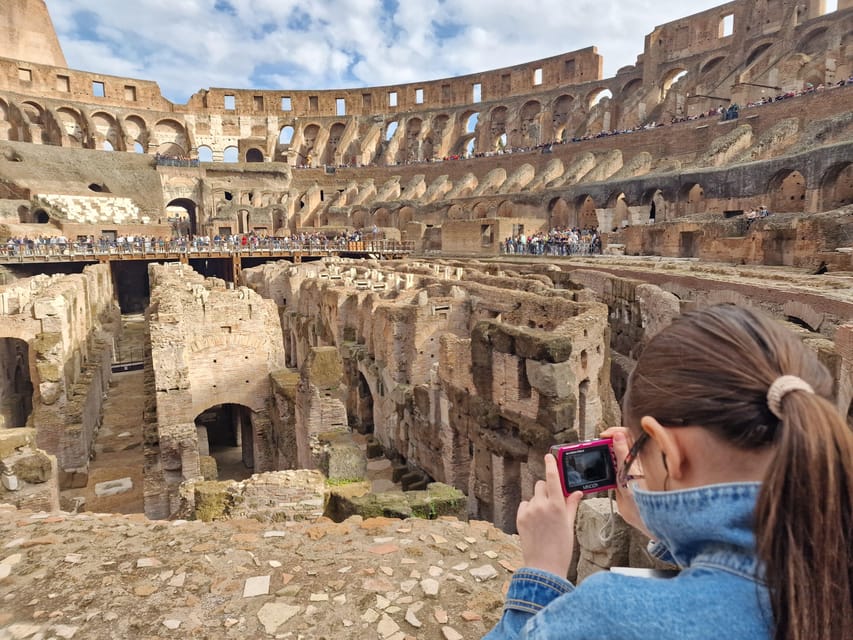
I’d book it if you care about the why behind what you’re seeing and you’re excited by the idea of standing where the games happened. The arena-floor access plus the guided sequence through the Roman Forum and Palatine Hill is the core value, and the guides’ track record for pacing, heat handling, and smart routes makes the experience feel smooth.
If you’re on a tight budget or you want a slow day with lots of free time, you might choose a self-guided plan. But if you want a focused, high-impact slice of Rome in a few hours, this one makes a strong case.