REVIEW · ROME
Rome: Temples, Squares & Markets Guided Walking Tour
Book on GetYourGuide →Operated by LocalCoolTour · Bookable on GetYourGuide
Rome rewards smart walking. This 3-hour private route stitches together famous landmarks and lesser-seen ruins, with time for food along the way. I love the Pantheon-focused storytelling and the way the guide connects sites like the Mouth of Truth and the talking statues to everyday Roman life. I also like that the tour includes traditional street food and lets you tweak the plan with your local host (Juan and Daniele both get called out for warm, attentive guiding). One watch-out: attraction tickets are not included, so plan for whatever you want to enter versus just view from outside.
You’ll start at the Church of Sant’Ignazio di Loyola and work your way through squares and archaeological stops without feeling rushed. Since it’s fully private, you’re not stuck listening to a group herd—you can ask questions and adjust the pacing.
The route is concentrated and mostly on foot, so wear comfy shoes. If you’re the type who hates walking, this might feel like too much in 3 hours rather than a leisurely stroll.
In This Review
- Key things I’d highlight before you go
- From Sant’Ignazio to the Pantheon: the walk that gets you oriented fast
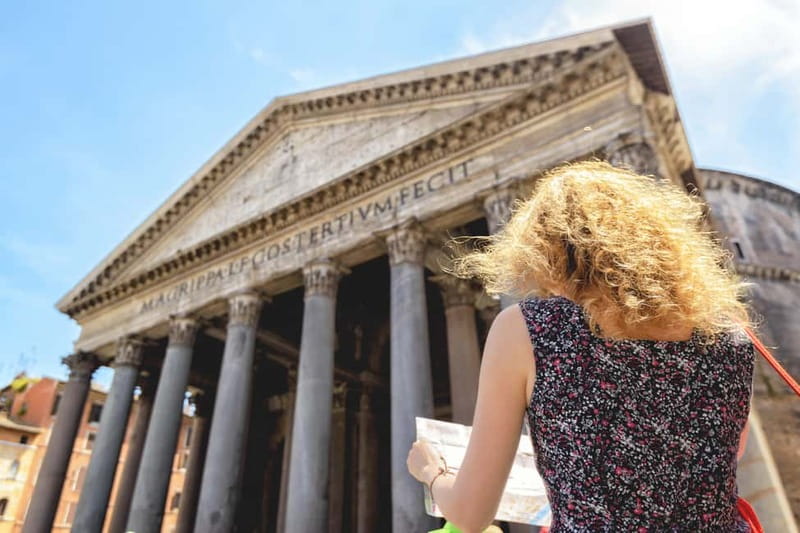
- Pantheon time: obelisks, ancient reuse, and why Rome feels layered
- Piazza Navona and Campo de’ Fiori: squares you can read like a local
- The street food tasting: Supplì and product talk (not just a snack)
- Largo di Torre Argentina, Portico d’Ottavia, and the Temple of Portunus
- Mouth of Truth and the talking-statues mindset: Roman myth meets pop culture
- The Jewish Ghetto: small streets, strong authenticity
- “Fake Colosseum” vibes: ruins that look like an echo of the original
- Circus Maximus to Palatine Hill to Tiber Island: empire scale in the open air
- Price and value: what you pay for (and what you still need to cover)
- Should you book this tour or DIY it?
- If you book: how to make the day feel smoother
- Should I book Rome: Temples, Squares & Markets Guided Walking Tour?
- FAQ
- How long is the Rome: Temples, Squares & Markets Guided Walking Tour?
- Is this tour private?
- Where does the tour start?
- What’s included in the price besides the guided tour?
- Are tickets to attractions included?
- Which major sights does the route include?
- What languages are available for the live guide?
- Is the tour wheelchair accessible?
- Can I cancel and get a full refund?
- Is there a reserve-and-pay-later option?
Key things I’d highlight before you go
- Start at Sant’Ignazio di Loyola: Baroque atmosphere and frescoed ceiling set the tone right away.
- Pantheon + Egypt obelisks: You’ll hear why so many “ancient” sights in Rome trace back to Egypt.
- Piazza Navona and Campo de’ Fiori: Perfect squares for photos, people-watching, and eating.
- Street food tasting with Roman flavor: Supplì is on the menu, along with product talk so you know what you’re tasting.
- Temple of Portunus + Mouth of Truth: Real ancient textures, plus a pop-culture moment tied to Roman Holidays.
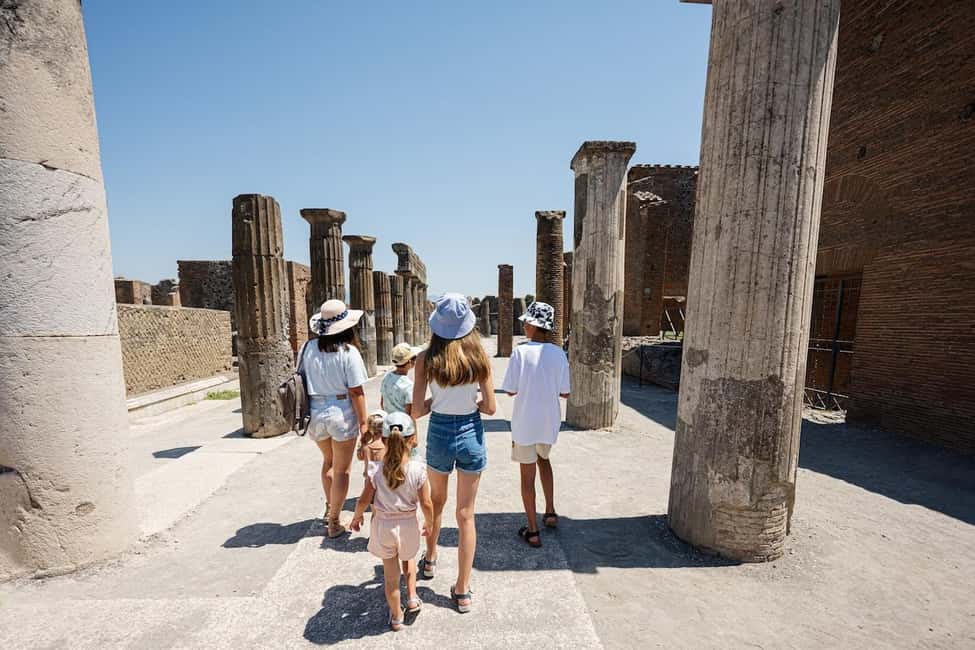
- Circus Maximus to Palatine Hill to Tiber Island: Big-scale views of empire Rome, finished with river scenery.
From Sant’Ignazio to the Pantheon: the walk that gets you oriented fast

The tour begins at the entrance of Chiesa di Sant’Ignazio di Loyola, and that’s a smart opening move. Before you hit the heavy hitters, you get to feel Rome’s baroque side—starting with a church known for a frescoed ceiling and a dramatic, theatrical vibe.
Then you head toward the Pantheon, and the guide doesn’t treat it like a simple photo stop. You’ll get explanations that help the building make sense, especially around Rome’s use of older materials and symbols carried across centuries. Even if you’ve seen pictures, it lands differently when someone points out what to notice.
The pacing is built for momentum: short guided stops add up to a coherent route. Expect a handful of focused moments rather than long lectures, with plenty of time to absorb the street life around each monument.
You can also read our reviews of more walking tours in Rome

Pantheon time: obelisks, ancient reuse, and why Rome feels layered

Rome has a talent for repetition—ruins stacked under streets, empire ideas reused by later empires. The tour leans into that feeling, and you’ll hear it most clearly when discussing the obelisks.
You’ll learn that some of Rome’s obelisks are thousands of years old and were brought from Egypt. That detail matters because it changes your mental map: Rome isn’t only a “new city with old buildings.” It’s also a collector, moving objects, stories, and meaning into a new setting.
This section is also a great first-timer reset. If the city feels like a blur when you arrive, the Pantheon stop plus the obelisk context helps you understand how Rome connects power and aesthetics across time.
Piazza Navona and Campo de’ Fiori: squares you can read like a local
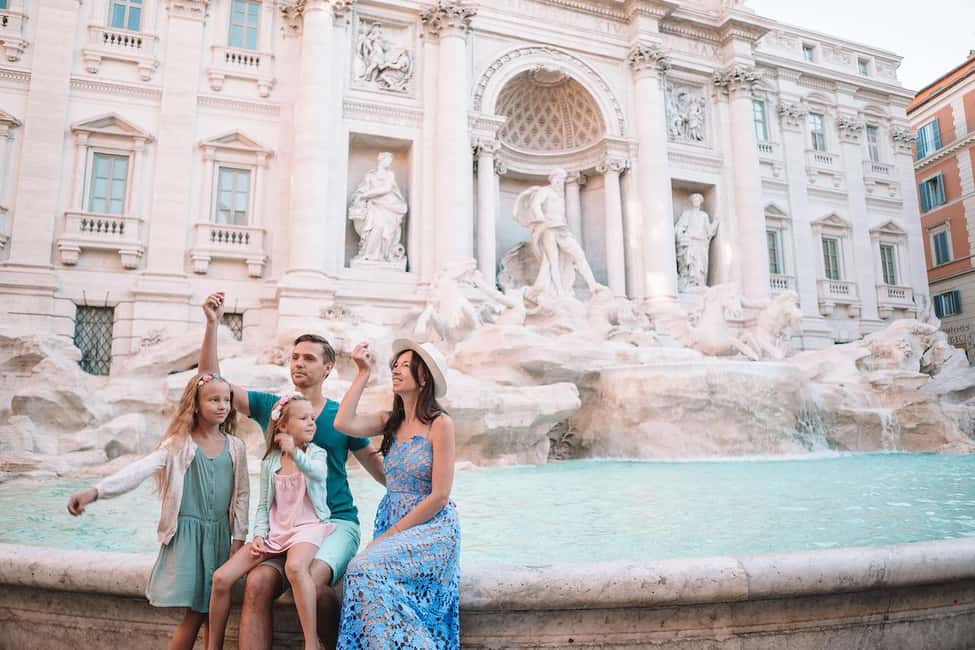
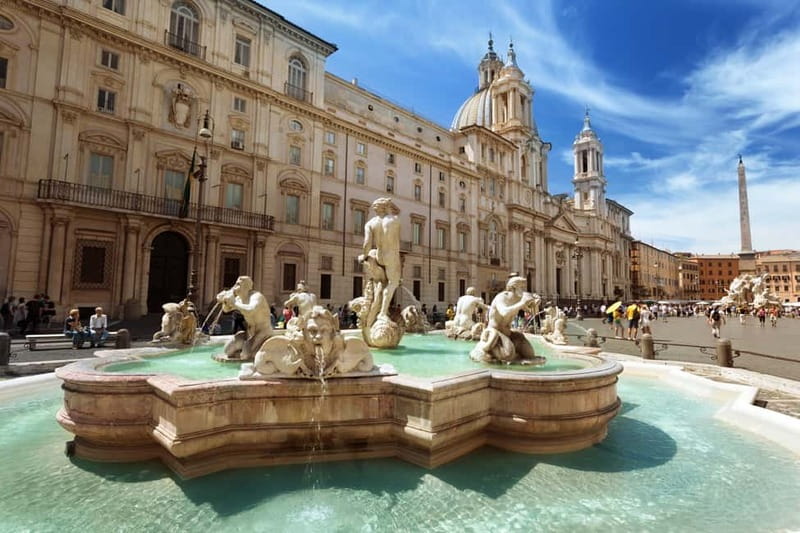
Next comes the part of the day that makes Rome feel like Rome: squares where people actually hang out. Piazza Navona is one of those. You’ll get the context behind the space, and you’ll also hear about the talking statues—a quirky feature people associate with Rome.
Campo de’ Fiori is where the tour shifts from sight to flavor. The guide brings you into the food-market vibe and helps you understand what you’re looking at, not just what you’re eating. This is the moment where the tour stops being “temples and stones” and becomes “how Romans live.”
A fun theme that the guide brings up is Rome compared to lasagna—layer upon layer, historical and cultural. It’s not just a joke. It’s the tour’s framework. You’ll feel it at each stop: baroque church, classical ruin, market square, then ancient Rome again.
The street food tasting: Supplì and product talk (not just a snack)
The tour includes one street food tasting, and the big standout here is Supplì. That’s the Roman-style street snack you’ll hear about when the guide explains the food choices in the area.
What makes this value-driven instead of random is the way it’s described. You’ll hear about authentic Italian food products and what makes Roman street food different from generic “Italian food you can get anywhere.” In other words, you’re not just eating; you’re building a little cheat sheet for what to look for later.
If you’re already a foodie, this tasting is a good primer. If you’re not, it’s still a satisfying introduction because Supplì is a very Rome-specific pick.
One more benefit: after eating, you’re moving. That keeps the tour from feeling like two separate things stitched together.
Largo di Torre Argentina, Portico d’Ottavia, and the Temple of Portunus
Now you shift into archaeology mode. Near Largo di Torre Argentina, you’ll learn about the place where the Ides of March connection comes up—tied to Julius Caesar’s fate. This is the kind of historical link that turns ruins from “old rocks” into a story you can repeat later.
You’ll also pass the Portico d’Ottavia, a classic stop for Roman texture: columns, scale, and the sense that this city kept building in the same spaces for centuries. Even if you’re not an architecture obsessive, the guide’s framing makes the shapes and layout easier to follow.
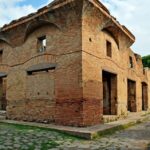
Then comes the Temple of Portunus, a stop built around ancient presence. You’ll get a clear sense of what you’re seeing and why it’s worth your attention. Temples can be surprisingly hard to appreciate on your own because you don’t know what to look for. With a guide, you know what’s important and why.
You can also read our reviews of more guided tours in Rome






Mouth of Truth and the talking-statues mindset: Roman myth meets pop culture
The Mouth of Truth is one of those stops where Rome and pop culture shake hands. You’ll see the spot forever tied to Audrey Hepburn in Roman Holidays, and the guide helps explain what that association does for the site’s fame.
More importantly, this tour treats these legends as part of Rome’s real-life personality. The talking statues earlier and the Mouth of Truth here reinforce a theme: Rome loves myth, and it parks that myth right inside daily strolling routes.
If you want a city that feels playful without turning silly, this section is a good match. You’ll get story, context, and a photo moment that doesn’t feel like a random tourist trap.
The Jewish Ghetto: small streets, strong authenticity
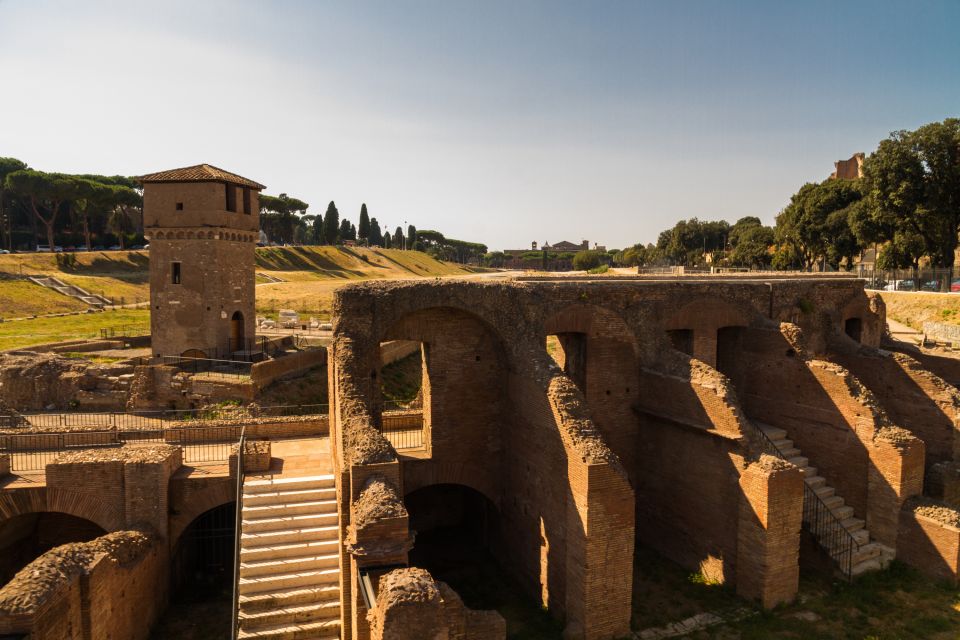
A major highlight is the time in the Jewish Ghetto, described as a neighborhood that seems to have frozen in time while keeping its authenticity. That’s the right way to think about it: you’re not just ticking off another historic district.
The guide also talks through the surrounding alleys and even the peculiar street names you’ll notice around the area. That detail helps because street names in Rome often carry clues about trades, people, and history.
You’ll walk through this part of the route with the right mindset: slower pace, more attention to what’s directly around you. It’s a section that makes the rest of the day feel even more grounded, since you’ll contrast lived-in neighborhoods with monumental ancient sites.
“Fake Colosseum” vibes: ruins that look like an echo of the original
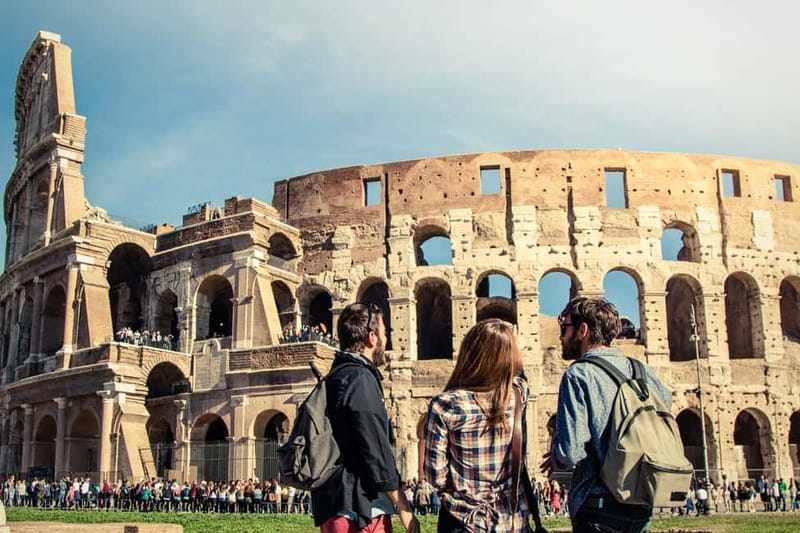
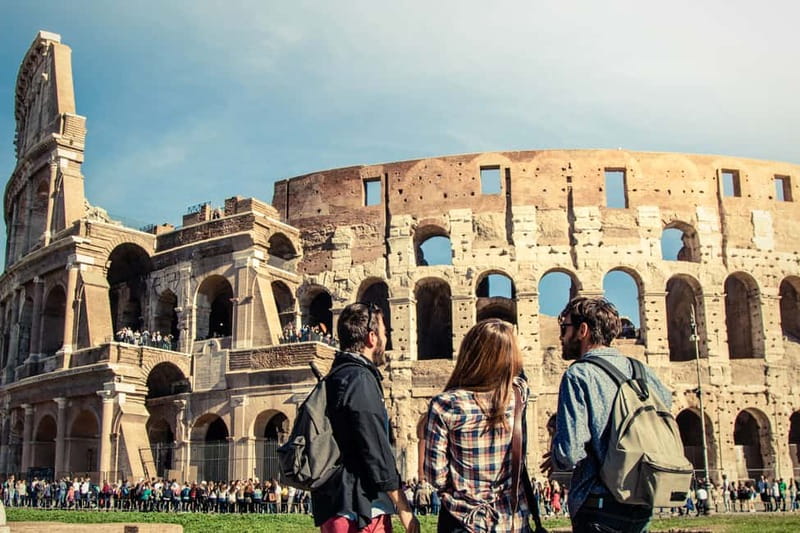
The tour includes a stop often described as the fake Colosseum, a ruin that resembles the real deal. Even without going deep into scholarship, the practical value is obvious: it gives your brain an anchor for what you’re seeing.
When you later look at other empire-scale areas like the Circus Maximus and Palatine Hill, your understanding clicks faster. The city stops feeling like a list and starts feeling like a connected set of echoes.
This is also where the guide’s routing choices matter. You’re walking from point to point in a way that makes the city’s visual language easier to read.
Circus Maximus to Palatine Hill to Tiber Island: empire scale in the open air
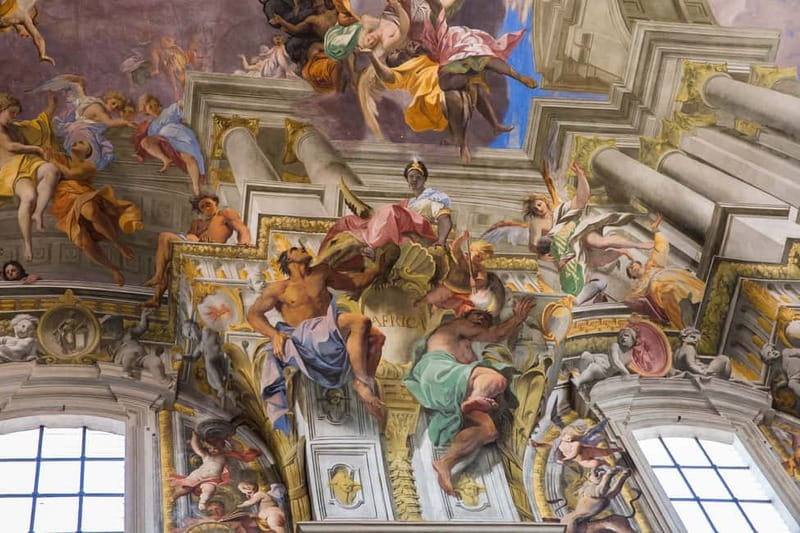
The final stretch gives you Rome at its biggest. You’ll view the Circus Maximus and then head toward Palatine Hill, the place Roman rulers called home when empire power was at its height.
You’ll see the remains of the Imperial Palace area and get a sense of how the setting worked. Even if you don’t step inside any museum space, this tour makes the landscape understandable—what’s where, and why it mattered.
Then there’s Tiber Island, which you cross over toward for the tour’s ending view. Finishing at the river is a nice move because it shifts your mood from monuments to atmosphere. You get a breather before you head to dinner, and you’ll have a clearer sense of where you are in the city.
Price and value: what you pay for (and what you still need to cover)
At $79.30 per person for about 3 hours, this is priced like a focused guided experience, not a long museum day. For that money, you get a local guide and 1 street food tasting—plus a fully private group feel and the ability to customize your route.
That private attention is the real value lever. In Rome, it’s easy to waste time. A guide helps you avoid aimless wandering and gives you a logical order to follow. The stops are chosen for visual impact and for story continuity, so you leave with more than photos.
The big note: tickets are not included. That means you’ll likely be viewing some sites from the outside, and if you want specific interiors, you’ll need to add tickets on your own. If you’re the type who loves entering major attractions, factor that in when you plan your day.
Should you book this tour or DIY it?
If it’s your first Rome visit, or you want a “starter day” that covers temples, squares, food, and ancient ruins, this is a strong choice. I especially like it if you want quick clarity: where you are, what you’re looking at, and why it matters, all in one compact walk.
You might skip it if your ideal day is mostly sitting in cafés or if you don’t want any walking. Also, if your top priority is inside-the-building ticket time, you’ll need a plan to add those tickets yourself.
If you book: how to make the day feel smoother
Come ready for a concentrated stroll. Bring good walking shoes and stay hydrated, because you’ll be out moving through multiple neighborhoods.
If you care about a specific interest—food, archaeology, or architecture—say so at the start. The tour is built to customize, and you’ll get more satisfaction when the route matches your curiosity.
And when you get recommendations at the end, treat them as a shortlist, not a mandate. Use them to guide your dinner and shopping so the rest of your trip feels more local.
Should I book Rome: Temples, Squares & Markets Guided Walking Tour?
I’d book it if you want a smart, story-led walk that mixes classic sights with Roman street food and lived-in neighborhood texture. The private format and strong guide praise (including Juan and Daniele) point to a day that feels attentive, not mass-produced.
I wouldn’t book it as your only Rome experience. It’s a great connector day, not a replacement for slower museum time or ticket-heavy days. If you pair it with one or two longer stops later, you’ll get both the big hits and the deeper dives.
FAQ
How long is the Rome: Temples, Squares & Markets Guided Walking Tour?
The tour lasts about 3 hours.
Is this tour private?
Yes, it’s listed as a private group with undivided attention from the local host.
Where does the tour start?
You start at the entrance of the Church of Sant’Ignatius of Loyola (Chiesa di Sant’Ignazio di Loyola).
What’s included in the price besides the guided tour?
The tour includes 1 street food tasting.
Are tickets to attractions included?
No, tickets to attractions are not included.
Which major sights does the route include?
The tour includes stops for the Pantheon, Piazza Navona, Campo de’ Fiori, Largo di Torre Argentina, Portico d’Ottavia, Temple of Portunus, Mouth of Truth, Circus Maximus, Palatine Hill, and Tiber Island. It also covers the Jewish Ghetto area.
What languages are available for the live guide?
The tour is offered with live guides in Spanish, Italian, and English.
Is the tour wheelchair accessible?
Yes, it’s listed as wheelchair accessible.
Can I cancel and get a full refund?
Yes. Free cancellation is available up to 24 hours in advance for a full refund.
Is there a reserve-and-pay-later option?
Yes. The tour offers reserve now & pay later, so you can book without paying immediately.