REVIEW · ROME
Ostia Antica – Commercial Port of Ancient Rome Tour
Book on Viator →Operated by RomAbout Tours · Bookable on Viator
Ostia Antica turns Roman history into real streets. I love the small-group pace and how the guide helps you read a huge archaeological site without getting lost. You’ll spend a focused morning at Parco Archeologico di Ostia Antica, then head back to Rome with the day still feeling your own.
I also like the exact highlights you cover in a short window: the grand outdoor theatre, the Square of Guilds, the Baths of Neptune, and the House of Diana. One possible drawback: you’ll need to plan for no lunch or drinks on the tour, and the site involves moderate walking.
In This Review
- Key Highlights I Think You’ll Care About
- Rome to Ostia Antica: The Morning Route Makes the Trip Easier
- What You’re Really Visiting: Rome’s Ancient “Port City” Logic
- Parco Archeologico di Ostia Antica: Theatre, Baths, Guild Square, and the House of Diana
- Grand Outdoor Theatre: Seeing Public Life in Scale
- Square of Guilds: A Closer Look at Organized City Life
- Baths of Neptune: Why Roman Leisure Was a Big Deal
- House of Diana: Domestic Space With Meaning
- A Note on Pace
- Meeting Your Guide: Small-Group Control Is the Real Luxury
- Included Tickets and Metro: The Value Math Actually Works
- What’s Not Included: Plan Food Like an Adult
- Price and Logistics: When $120.36 Feels Like a Good Deal
- Who This Tour Suits Best (and Who Might Prefer Another Plan)
- Should You Book the Ostia Antica Port Tour?
- FAQ
- Where does the tour start?
- How long is the tour?
- What’s included in the price?
- Is lunch provided?
- How big is the group?
- What’s the cancellation policy if weather is bad?
Key Highlights I Think You’ll Care About
- Small group (max 12) means more time to ask questions and get unstuck at key spots
- English-guided visit with entrance ticket included for Parco Archeologico di Ostia Antica
- Four core sights packed into about four hours at the archaeological park
- Early 8:30am departure helps you beat the busiest daytime energy in Rome
- Trains + metro tickets included so you don’t spend your morning figuring routes out
Rome to Ostia Antica: The Morning Route Makes the Trip Easier
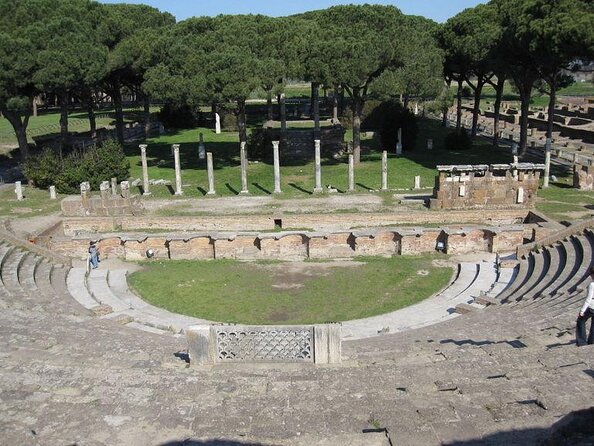
This tour starts at P.za Ostiense, 9 in Rome, with an 8:30am meeting time. The idea is simple: you get help navigating the train to Ostia Antica, rather than showing up with a vague plan and hoping for the best. It’s also practical that the meeting point is near public transportation, so you can reach it without a whole day’s worth of transit hassle.
The total duration is about 4 hours 30 minutes, and most of that time is spent once you’re inside the archaeological park. You’re not stuck on buses or weaving through long lines of slow logistics—this feels like a compact outing with a real destination.
If you like structure, this is your kind of day. If you hate early starts, just know you’re starting in the morning, and you’ll want to be awake enough to enjoy it—not just survive it.
You can also read our reviews of more tours and experiences in Rome.


What You’re Really Visiting: Rome’s Ancient “Port City” Logic
Ostia Antica is where you start to understand how Rome worked beyond monuments. As a commercial port, it was tied to movement—goods, people, daily routines. That means the ruins aren’t only about grand gestures; they’re also about practical spaces where life happened.
That’s one reason the guided approach matters. Without a framework, a big archaeological site can blur into “columns and walls.” With a guide, you start connecting the dots: where you’d gather, where people would work, and how public buildings shaped everyday rhythms.
I also like that the tour keeps expectations grounded. You’re covering major stops in a few hours, not trying to conquer the entire park. That balance is what makes the experience feel rewarding instead of rushed.
Parco Archeologico di Ostia Antica: Theatre, Baths, Guild Square, and the House of Diana

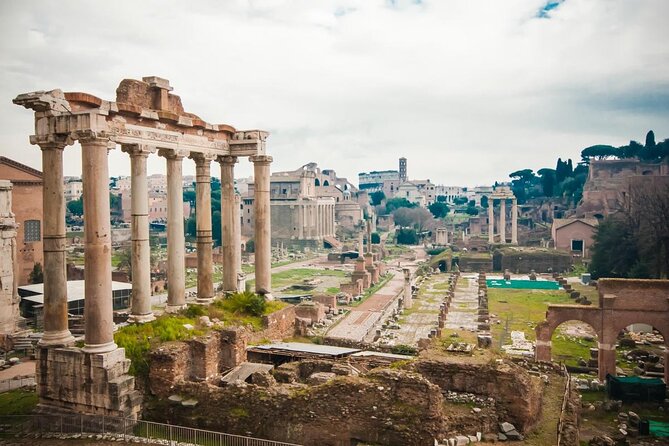
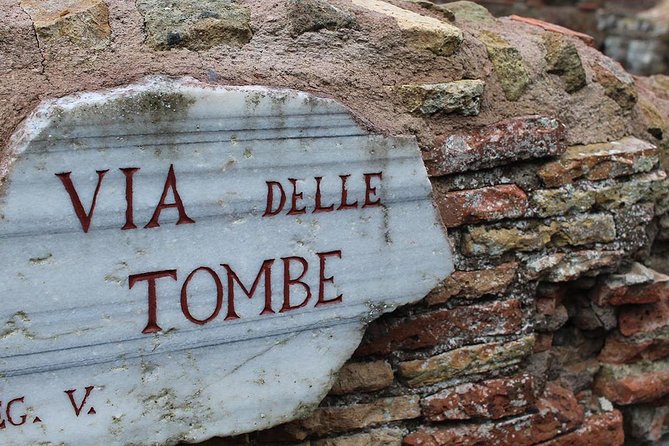
The heart of the tour is the Parco Archeologico di Ostia Antica. Expect about 4 hours on site, focused on a set of standout areas that give you a strong overview.
Grand Outdoor Theatre: Seeing Public Life in Scale
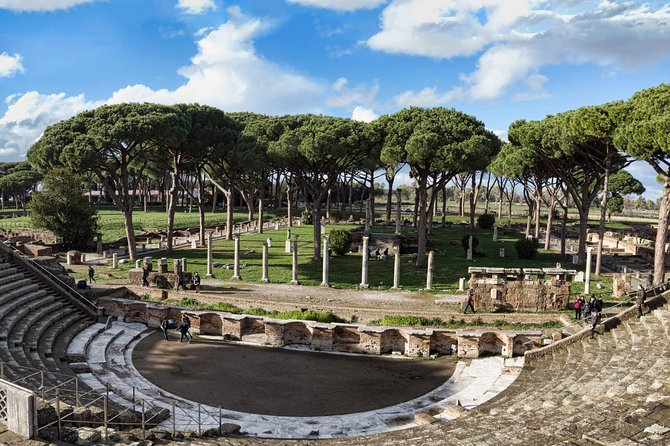
First up is the grand outdoor theatre, one of the easiest places to grasp the site’s “lived-in” feeling. Even when you’re just walking around the edges, you can sense how gatherings worked and how performances or public events would have drawn crowds.
This stop is also a good warm-up. The theatre helps you orient yourself quickly, so the next buildings make more sense instead of feeling random.
Square of Guilds: A Closer Look at Organized City Life
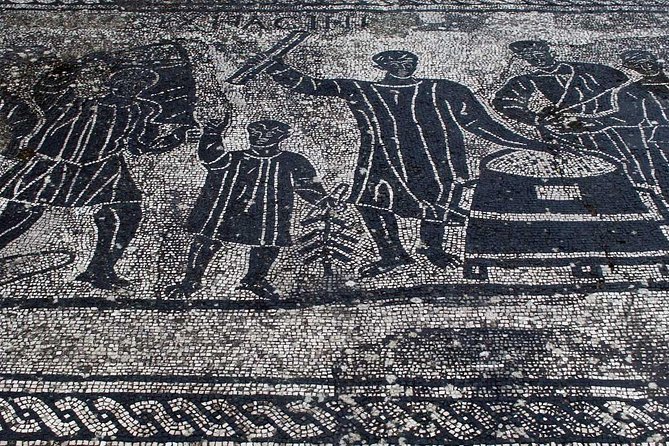
Next is the Square of Guilds. The name hints at what matters here: the city wasn’t only temples and emperors. It also had systems—work, identity, and community—tied to groups and trades.
What I like about this kind of stop is that it pushes you to think beyond the most famous Roman stories. You end up with a clearer sense of how a port city functioned day to day, not just how it looked from a distance.





Baths of Neptune: Why Roman Leisure Was a Big Deal
Then you’ll move to the Baths of Neptune. Roman baths weren’t a quick wash-and-go. They were a social hub—part routine, part meeting place, part public infrastructure.
Even if you don’t go in with bathroom-specific imagination (and you don’t have to), you’ll still get the point: these spaces show how public life and comfort were built into the city’s design.
House of Diana: Domestic Space With Meaning
Finally, you reach the House of Diana, which shifts the focus from public crowds to private life. This is where you start noticing how homes reflect values—space planning, decoration, and how families likely moved through their daily routine.
It’s a nice counterweight to the bigger civic areas. You end the main visit with a feeling for both sides of city life: the public machinery and the home scale.
A Note on Pace
The sites are extensive, and the tour is designed as a guided highlights walk rather than a marathon. Many visitors leave feeling they saw enough to make Ostia Antica click, without burning out before the best details.
You should still plan for moderate walking. If your mobility is limited, you’ll want to pace yourself and ask your guide for the most direct routes between the key stops.
Meeting Your Guide: Small-Group Control Is the Real Luxury
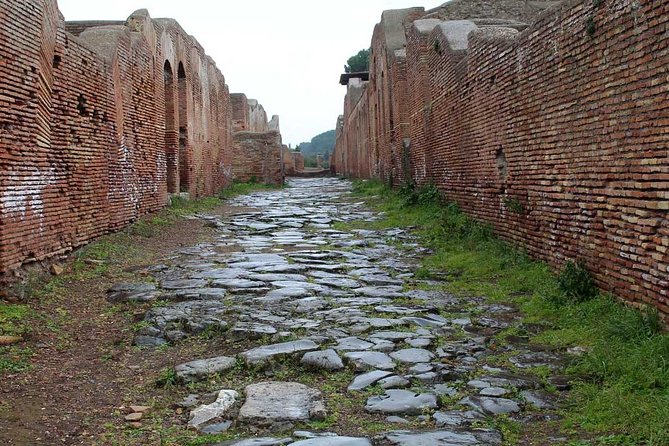
This is maximum 12 travelers, and that size shows. You’re not fighting for space at every turn or stuck waiting for a guide to wrangle a big group across uneven ground. Instead, you can slow down when something catches your eye and still keep momentum.
The tour is offered in English, and the guides are clearly a big part of why people rate this so highly. In the names that come up most often, I’ve seen Rebecca, Sonia, Sarah, Celia, Claudia, and Julio mentioned for making the ruins feel understandable and for explaining what you’re seeing without talking over your head.
Here’s what you can do to get the most from that: ask questions early. If you want more context on how port life linked to what’s around you, say so right at the start of the theatre area. A good guide will steer you toward answers that help you see the next stop better.
There’s also one practical consideration. A small number of people noted that the start of the tour could use a clearer “here’s how today works” briefing. If you’re the type who likes a tight plan, it’s smart to ask right away how the day will flow—where you’re walking next and how long you’ll have at each highlight.
Included Tickets and Metro: The Value Math Actually Works
The price is $120.36 per person, and the value is easier to justify than it first looks—because key items are already covered. You get an entrance ticket to the archaeological park and metro tickets as part of the tour.
That matters because Ostia Antica isn’t just “walk around outside.” The experience depends on entry and on getting to the site efficiently. By including metro tickets, the tour removes a common friction point: you don’t have to juggle route planning while you’re half awake before an early departure.
What’s Not Included: Plan Food Like an Adult
This tour does not include lunch or drinks. The duration isn’t long enough that you’ll likely be ravenous every minute, but you will want something to keep you comfortable—especially if you’re heat-sensitive or you tend to get hungry while walking.
My advice is straightforward: eat before the tour if you can. Then carry what you need for the park time. Even if you prefer to buy food later, you’ll have a better morning if you’re not suddenly hunting for something while everyone is focused on the sights.
Price and Logistics: When $120.36 Feels Like a Good Deal
At $120.36, you’re paying for three things: guidance, tight pacing, and included entry/transport. If you were to do Ostia Antica on your own, you’d still spend money on tickets and transport. The difference is that you’d be trading a guided structure for that extra time and flexibility.
This is where the small group helps. A group of 12 (max) is the sweet spot where the guide can keep attention on key sites without constantly starting and stopping. When the visit is well-paced, you come away feeling you understood what you saw rather than just “being there.”
Also, this tour is typically booked about 60 days in advance on average. If Ostia Antica is high on your Rome list, don’t wait until the last week and hope.
Who This Tour Suits Best (and Who Might Prefer Another Plan)
This experience is a good match if you want a guided overview of a major archaeological site without spending a whole day managing logistics. The moderate physical fitness note means it’s doable for many visitors, but it’s not a sit-and-watch option.
You’ll probably enjoy it most if:
- You like Roman life that goes beyond the Colosseum-and-Forum highlight reel
- You want an organized route through big ruins in a short time
- You appreciate explanation tied directly to what you’re seeing
If you’re traveling with very young kids or you’re working with significant mobility limits, the “highlights in a few hours” format may feel like more walking than you want. In that case, you might prefer a slower approach at the site on your own schedule—just be aware you’d lose the guided framing.
Should You Book the Ostia Antica Port Tour?
Book it if you want a calm, organized way to see Rome’s ancient port life in a single morning. The combination of small-group size, included entry, and a set of clearly chosen highlights makes the $120.36 price feel fair for what you actually get: a guided visit that helps you understand what you’re looking at.
Skip it (or consider a different plan) if you strongly dislike morning starts or you need food and drinks to be handled for you. Also keep in mind you’ll walk moderately through the park, and you’ll want to be prepared.
If you’re building a Rome itinerary that includes the headline sites plus one less-crowded, more human-scale destination, Ostia Antica is a smart add—and this tour makes that easy.
FAQ
Where does the tour start?
The tour meets at P.za Ostiense, 9, 00154 Roma RM, Italy and ends back at the same meeting point.
How long is the tour?
The tour is approximately 4 hours 30 minutes, with about 4 hours spent at the archaeological park.
What’s included in the price?
The tour includes an entrance ticket to the archeological park and metro tickets.
Is lunch provided?
No. The tour does not include any food or drinks.
How big is the group?
This is a small-group experience with a maximum of 12 travelers.
What’s the cancellation policy if weather is bad?
Free cancellation is available. You can cancel up to 24 hours in advance for a full refund, and if the experience is canceled due to poor weather, you’ll be offered a different date or a full refund.