REVIEW · ROME
Rome: Castel Sant’Angelo Skip-the-Line Ticket & Audio Guide
Book on GetYourGuide →Operated by Doooing · Bookable on GetYourGuide
History wraps around the Tiber here. This Castel Sant’Angelo skip-the-line ticket brings reserved skip-the-line entry plus an optional audioguide app, so you can tour Hadrian’s tomb and the fortress interiors without spending your trip in a queue.
I especially like that the audio turns the visit into a choose-your-own-pace experience, and you get the kind of sights that make Rome feel both ancient and cinematic at once.
The one real drawback is practical: you’ll face a lot of stairs, and headphones aren’t included—plan ahead.
In This Review
- Key things I’d focus on first
- Castel Sant’Angelo: what this skip-the-line ticket actually buys you
- Getting in smoothly with your emailed tickets and timed entry
- Using the smartphone audio guide (and why headphones matter)
- Hadrian’s tomb: walking the Roman core of the fortress
- Papal corridors and the legend of the plague of 590
- Terrace views: Ponte Sant’Angelo photos and sweeping Rome angles
- How long to plan: pacing a 1-day ticket without feeling rushed
- Price and value: paying for reserved entry and audio, not just a ticket
- Practical tips for a smoother visit (stairs, rules, and what to bring)
- Should you book this Castel Sant’Angelo skip-the-line ticket?
- FAQ
- How do I receive my tickets?
- Is there an audio guide, and what languages are available?
- Do I need to bring headphones?
- What phone types work for the audio guide?
- What time constraints should I know about?
- Is this visit suitable for wheelchairs or mobility impairments?
Key things I’d focus on first
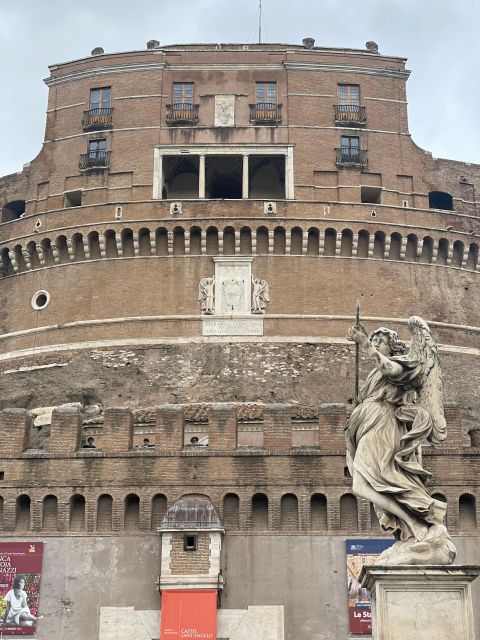
- Skip-the-line is the whole point here: you sidestep long lines at popular hours and go straight to the entrance with your reserved time.
- Hadrian’s mausoleum isn’t just a building: it’s a story in stone, starting with the Tomb of Hadrian and continuing through the fortress layout.
- The Papal corridors add a second layer: you’re not only seeing Roman power, you’re seeing later Rome use this space in its own way.
- The Archangel Michael legend is central to the castle’s identity: it’s tied to the plague of 590 and the angel sheathing his sword on the roof.
- The terrace rewards slow walking: you’ll climb up for sweeping views and great photo angles toward Ponte Sant’Angelo.
- Smartphone audio means you can linger: no waiting for a headset pick-up line, and no rushing to keep up with a group rhythm.
Castel Sant’Angelo: what this skip-the-line ticket actually buys you
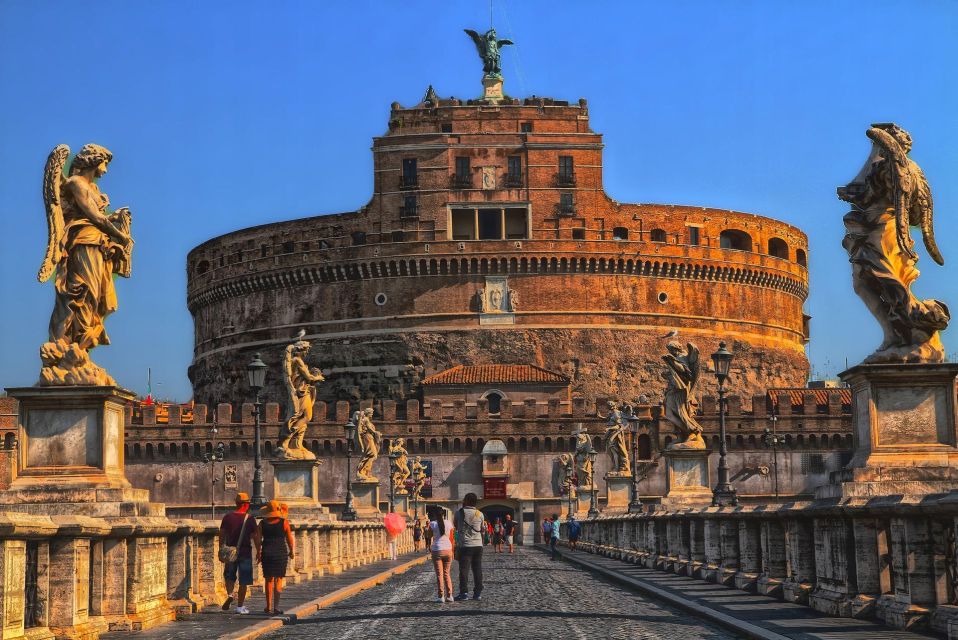
Castel Sant’Angelo is one of Rome’s big “you’ve seen the silhouette on postcards” sights. What makes this ticket worth your attention is that it’s designed for flow. You get a reserved skip-the-line entry ticket, and that matters because Castel Sant’Angelo can have real lines—especially around late morning and early afternoon. When queues are snaking around, skipping the line isn’t a luxury. It’s free time back in your day.
Then there’s the optional smartphone audio guide. Even if you’re not the type to read every sign, audio helps you understand what you’re looking at. This is especially handy in a fortress like this, where corridors, levels, and reused spaces can feel like a maze if you don’t know what you’re seeing.
Also, the castle is close to Vatican area sights, but it still feels distinct. It sits on the right bank of the Tiber, and the views from the top make it feel like a command post. You’re looking out over the city and the river, not just at walls.
You can also read our reviews of more tours and experiences in Rome

Getting in smoothly with your emailed tickets and timed entry
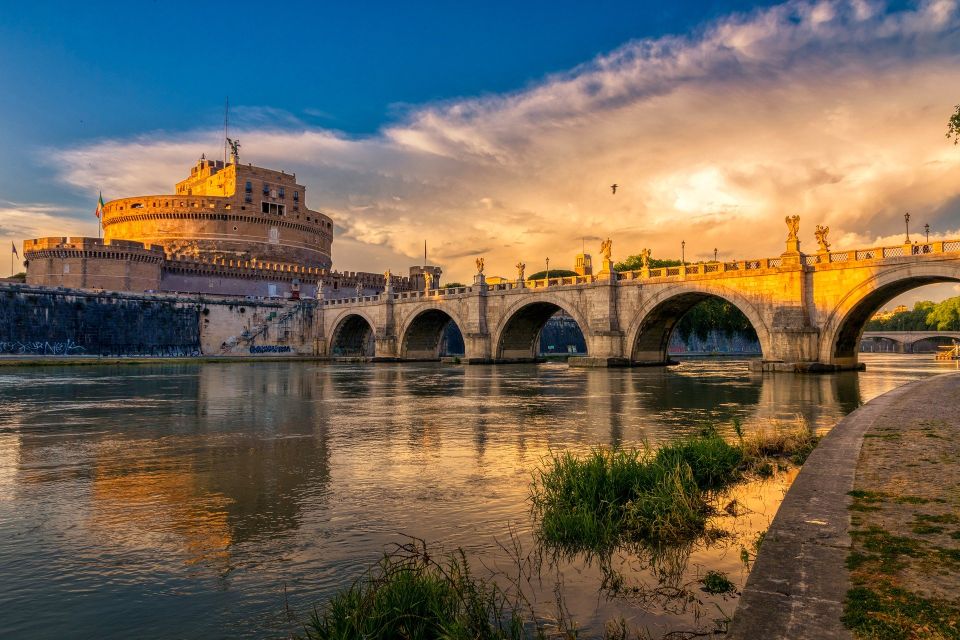
Your tickets arrive digitally. There’s no meet-up. You’ll receive the entry details by email or WhatsApp in the late afternoon of the day before your visit (and the guidance also notes tickets are sent 24 hours before). That means you should plan for one key task: check your phone messages the day before.
Timing is strict. Entry is allowed only at the scheduled time, and late arrival can mean denied access without a refund. That’s not meant to be scary; it’s just the reality of how timed, reserved tickets work in Rome. I’d treat this like a train: arrive early enough that you’re not sprinting.
One more practical note: last entry is at 6:30 PM. If you’re touring later in the day, keep that cutoff in mind so you don’t end up doing the sad version of Rome where you stare at a closed door.
Using the smartphone audio guide (and why headphones matter)

If you select the audio option, you’ll download an app before you start. The instructions are sent after booking, and it’s compatible with Android (version 5.0+) and iOS smartphones. It’s not compatible with older iPhone models (including iPhone 5/5C or older), some iPod/iPad versions, and Windows Phones. The download needs 100–150 MB of free space, so don’t count on saving that for the last minute.
Headphones are where the practical details bite. The ticket may include the audio guide, but headphones are not included. The activity list also tells you to bring headphones, which is your hint that you should plan to use your own wired earbuds or a personal set of headphones.
Why this setup is such a win: audio guides on your phone let you stop, read, listen, and move at your own speed. You’re not stuck waiting for the next voice cue, and you don’t have to keep pace with someone else’s walking speed.
And because the visit is largely self-guided with audio support, you can spend more time where your attention goes. That’s the key theme from the experience reviews: people love the freedom to wander without losing context.
Hadrian’s tomb: walking the Roman core of the fortress
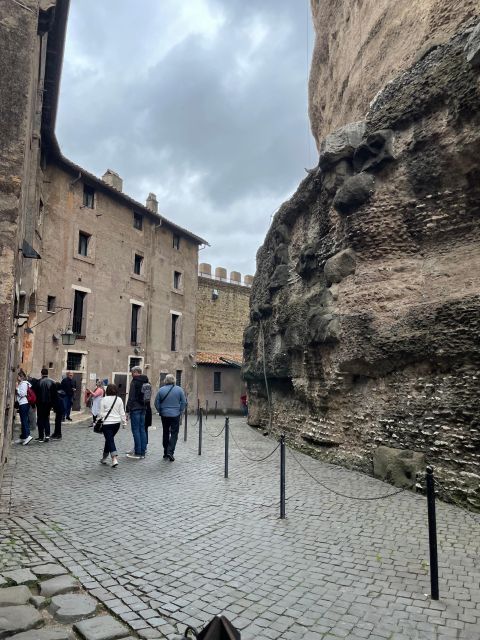
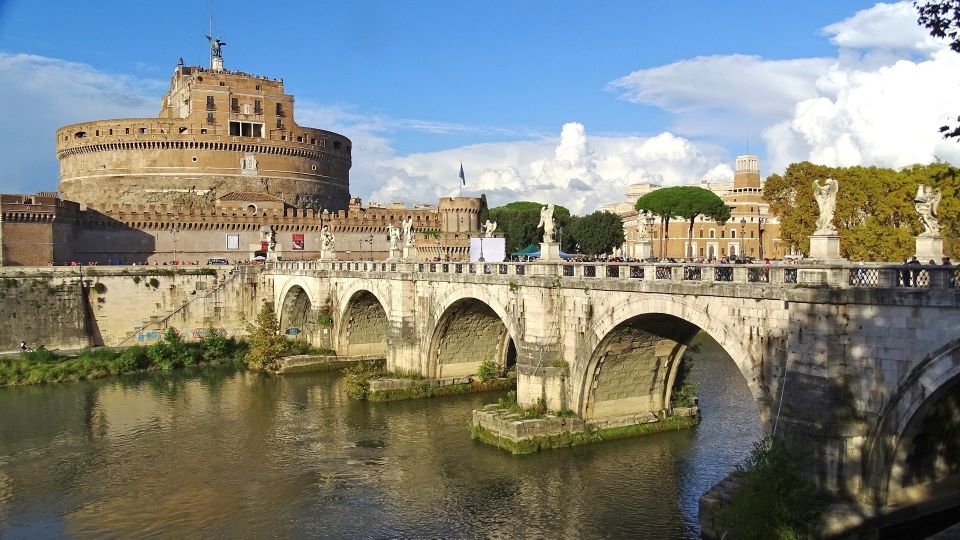
Castel Sant’Angelo is usually described as the Mausoleum of Hadrian, and that’s not just a name. Your visit begins with the feeling of stepping into an imperial monument that has been used and reused over time.
Here’s what you should expect in the “Hadrian’s tomb” portion: you’re moving through the ancient structure and the fortress layers that follow. Even if you’re not a Roman-history superfan, the building itself communicates power—thick walls, stacked levels, and passages that funnel you from one view point to the next.
This part of the experience tends to click for people who enjoy visual storytelling. You see how the site shifts from a burial monument to a working fortress. It’s one reason this attraction is so popular: it’s not a single moment. It’s a sequence of spaces that gradually changes your perspective.
One thing I’d do: slow down at the points where the layout seems to “open.” Those are usually where the audio descriptions and the physical views align. It helps you connect the name on the sign to the actual space in front of you.
Papal corridors and the legend of the plague of 590
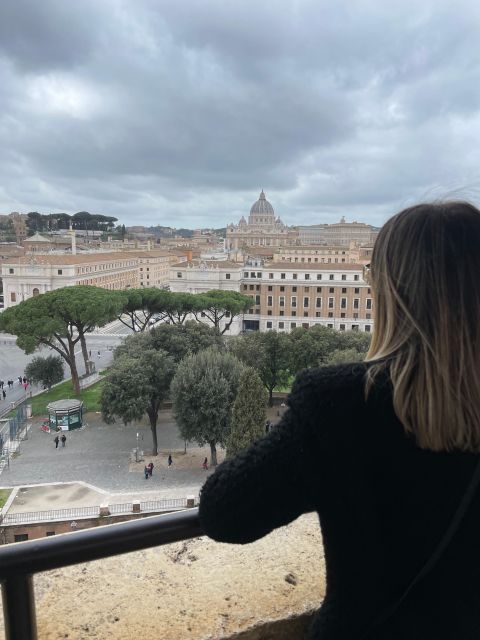
Castel Sant’Angelo earned its strong identity after the Roman period too. One of the highlights here is the chance to see Papal corridors—the in-between spaces where the castle becomes more than an ancient mausoleum. It starts to feel like a secret route in plain sight, a place used by later rulers and institutions.
Then comes the story that gives the castle its present-day name: the legend of Archangel Michael. The tale connects to the plague of 590, when the angel is said to appear atop the mausoleum, sheathe his sword, and signal the end of the suffering. Whether you treat it as legend, history-mixed-with-faith, or both, it’s a powerful narrative thread that helps the castle feel more than stone and dates.
In a fortress, corridors matter. They shape your movement and your mood. With the audio guide, those passages can turn from “I’m walking through hallways” into “I see why this route matters.” Even if you skip the audio at times, keep an eye out for the story cues—signs and sections that tie the architecture to the legend.
If you’re the type who likes to understand what you’re seeing, this is the section where that payoff tends to happen. A couple of reviews also mention how specific guide insights can make architecture feel more readable, especially when someone frames what you’re looking at in terms of design and purpose. Even with audio-only, you can replicate that approach: look for how rooms connect, and ask yourself what each space would be used for.
You can also read our reviews of more guided tours in Rome






Terrace views: Ponte Sant’Angelo photos and sweeping Rome angles
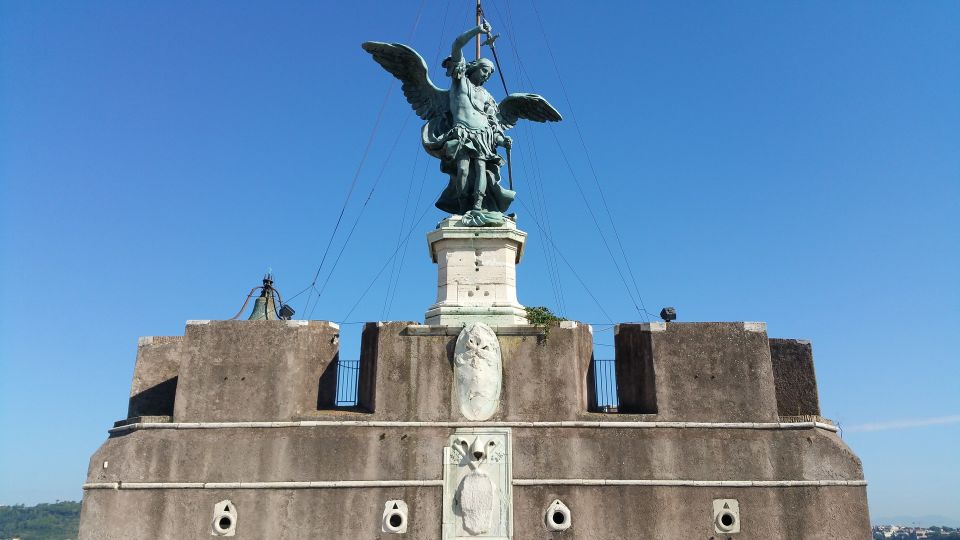
The top terrace is the moment most people picture when they think of Castel Sant’Angelo. And yes, it’s worth it. You climb up for panoramic views over Rome and the River Tiber, with classic photo angles toward Ponte Sant’Angelo, also called the Bridge of Angels.
Plan your time so you’re not rushing through this part. If you treat the terrace like a quick photo stop, you’ll miss why people love it: the views come with context. You can trace the river, orient yourself to major areas, and see how the castle sits like a marker at the edge of the city center.
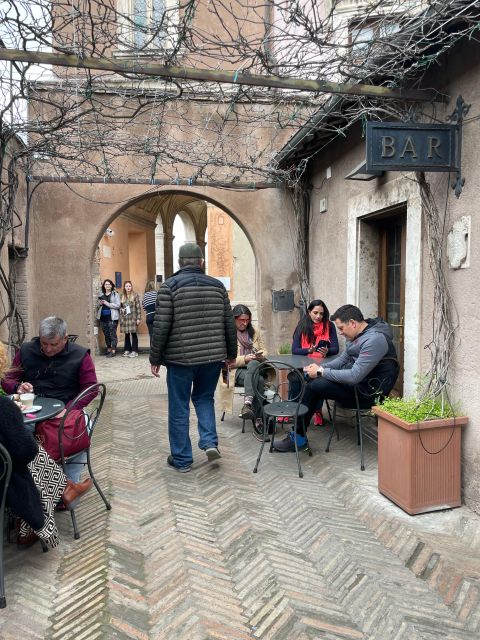
Also, there’s a practical perk noted in reviews: there’s a cafe half way up (and food options can include views that point toward Vatican area landmarks). That’s useful if you’re making a day out of it instead of just ticking off one site. Take a break if your legs are telling you the climb was real.
Just remember: you need to climb stairs to reach the panoramic terrace. This isn’t a “mostly flat” experience. If your mobility is limited, the experience is labeled as not suitable for wheelchair users and not suitable for people with mobility impairments.
How long to plan: pacing a 1-day ticket without feeling rushed
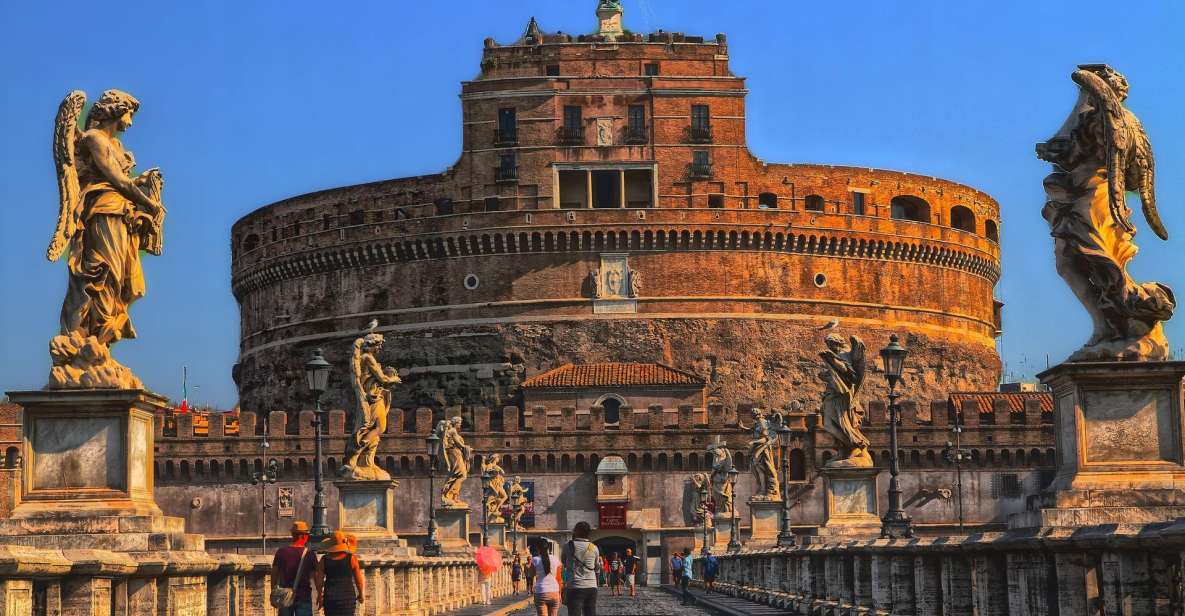
Your ticket is valid for 1 day, and you’ll choose a scheduled entry time. The site itself can take a few hours depending on how you tour. One review notes about three hours with an audio guide option, and many people describe spending several hours because there’s so much to notice—artwork, architecture, and multiple levels to explore.
So I’d plan like this:
- Build in time for the route you take inside, not a straight line.
- Expect the terrace and viewpoints to slow you down in a good way.
- If you choose audio, factor in time spent listening at each section. Audio makes it easier to pause instead of sprinting.
The overall vibe is self-paced. That’s why the skip-the-line ticket matters: it gives you room to choose your pace. Without it, you’d lose that freedom to waiting.
Price and value: paying for reserved entry and audio, not just a ticket
The summary price is $20 per person, and the official ticket price is listed as 16 €. That difference is where the value conversation starts.
Here’s the simple math logic: you’re paying extra for a reserved skip-the-line entry and the option of a smartphone audio guide. If you’re visiting during a time when queues are likely, skip-the-line can pay for itself in time and stress avoided. A review even calls out how the queue for tickets can snake around, and how reserved entry means you go right in.
If you arrive during a quieter period, you may wonder if you needed skip-the-line. That happens with many Rome attractions. But even then, timed access reduces uncertainty. The practical benefit is predictable entry rather than gambling with lines and your schedule.
Audio is optional, but if you like understanding what you’re seeing, it adds value. People specifically mention that the audio helps them take their time and enjoy the castle without needing to collect extra equipment like headsets.
Practical tips for a smoother visit (stairs, rules, and what to bring)
Castel Sant’Angelo runs on practical rules, so read them like a checklist.
Bring
- Passport or ID card
- Comfortable shoes
- Headphones (not included)
- A charged smartphone
Don’t bring
- Pets
- Weapons or sharp objects
- Luggage or large bags
Be ready for
- A lot of stairs, especially if you want the terrace views.
One more Rome-real-life detail: due to the Jubilee, some monuments may be under restoration and access routes may change. Check your messages for updates before you go. That’s not just a suggestion. It’s how you avoid wrong turns on a day when Rome is actively reshaping footpaths.
And yes, punctuality matters. Entry only happens at your scheduled time. Late arrivals can mean denied access without a refund. If your plan includes multiple sights that day, build in buffer time so Castel Sant’Angelo isn’t the one thing that forces you to rush.
Should you book this Castel Sant’Angelo skip-the-line ticket?
I’d book it if you want three things: predictable entry, time to explore, and an easy way to understand what you’re seeing.
This ticket makes the most sense when:
- You’re visiting at a popular time and don’t want to trade hours for a queue.
- You like self-guided sightseeing with support you control (audio on your phone).
- You care about the big story points: Hadrian’s tomb, Papal corridors, and the Archangel Michael legend tied to 590.
I’d think twice if:
- You hate stairs or you need step-free access (it’s labeled not suitable for wheelchair users).
- You don’t want the hassle of downloading an app and managing audio on your phone.
If you’re coming to Rome for the classics, Castel Sant’Angelo is a strong pick. With reserved entry, you spend your energy on viewpoints and interiors—not waiting for permission to start walking.
FAQ
How do I receive my tickets?
You don’t meet anyone. Your reserved entry ticket details are sent by email or WhatsApp in the late afternoon of the day before your visit, and guidance notes the tickets are sent 24 hours before the activity.
Is there an audio guide, and what languages are available?
Yes, there’s an optional smartphone audio guide. It’s available in English, Italian, French, Spanish, German, and Chinese.
Do I need to bring headphones?
Yes. Headphones are not included, and you should bring your own.
What phone types work for the audio guide?
It works with Android (version 5.0+) and iOS smartphones, with limitations noted for older iPhone models and certain iPad/iPod versions. The download needs about 100–150 MB of free space.
What time constraints should I know about?
Entry is only allowed at your scheduled time, and late arrivals may be denied access. Last entry to Castel Sant’Angelo is at 6:30 PM.
Is this visit suitable for wheelchairs or mobility impairments?
No. The activity is labeled not suitable for people with mobility impairments and not suitable for wheelchair users.