REVIEW · ROME
Da Vinci Museum: Discover a World of Genius in the Heart of Rome
Book on Viator →Operated by Museo Leonardo da Vinci · Bookable on Viator
Leonardo’s ideas still feel futuristic. This museum uses life-size machine recreations and easy-to-follow storytelling to show how one person could connect art, engineering, and the human body. What I really liked most was the chance to understand his inventions through hands-on models and clear explanations, plus the time-saving pre-booked admission so you can start right away.
One thing to keep in mind: it’s a smaller museum than some big-name sites, so a short visit fits best if you’re expecting a huge, multi-building Leonardo complex.
In This Review
- Museo Leonardo da Vinci inside Basilica Santa Maria del Popolo: the setting you’ll love
- Key highlights you should plan around
- Entering the museum: how the experience feels on arrival
- Your 1–2 hour walkthrough: what happens after you step inside
- Leonardo’s machines from his codices: the part you’ll keep talking about
- Art studies and famous works: the museum ties the themes together
- Anatomy, sketches, and what makes Leonardo different
- The audio guide question: worth it, or optional?
- Interactive stations and the VR add-on: fun, with tradeoffs
- Pair it with Piazza del Popolo: how to build a smooth Rome day
- What to know before you go: size, crowds, and comfort
- Price and value: is $14.38 a good deal?
- Who should book this Leonardo museum?
- Should you book Museo Leonardo da Vinci in Rome?
- FAQ
- How long does the Da Vinci Museum visit take?
- Is the tour offered in English?
- What is included in the price?
- Do I need to buy an audio guide?
- Where is the museum located?
- Are there restrooms at the museum?
- What is the cancellation policy?
Museo Leonardo da Vinci inside Basilica Santa Maria del Popolo: the setting you’ll love
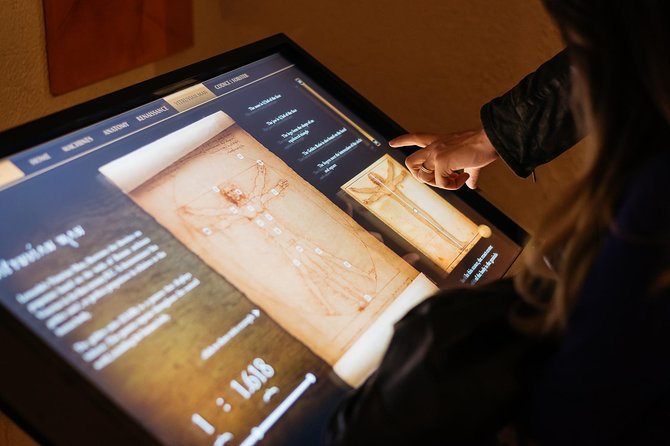
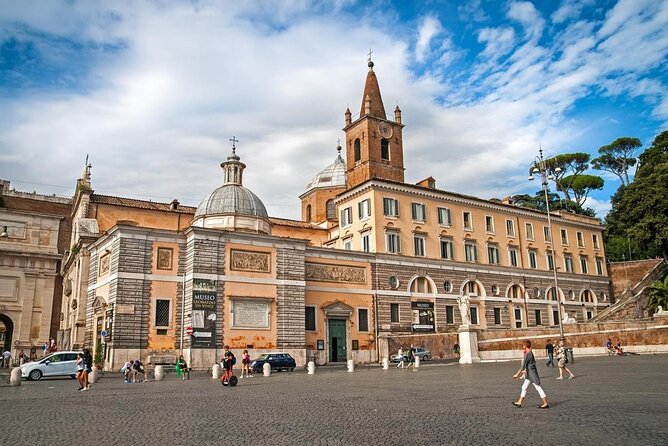
The museum is located inside Basilica Santa Maria del Popolo, right in the Piazza del Popolo area. That matters more than it sounds. You’re not stuck in a standalone building far from everything; you can knock out Leonardo’s story, then keep wandering the neighborhood for gelato, churches, and photo stops.
Timing also works well. Most visits are about 1 to 2 hours, and many people treat it like a calm breather in the middle of a busier Rome day. I also like that it’s offered in English, so you don’t have to gamble on a last-minute translation plan.
Key highlights you should plan around
- Pre-booked admission helps you save time and start the visit without stress.
- Working, life-size machines are made by Italian artisans based on Leonardo’s codices and studies.
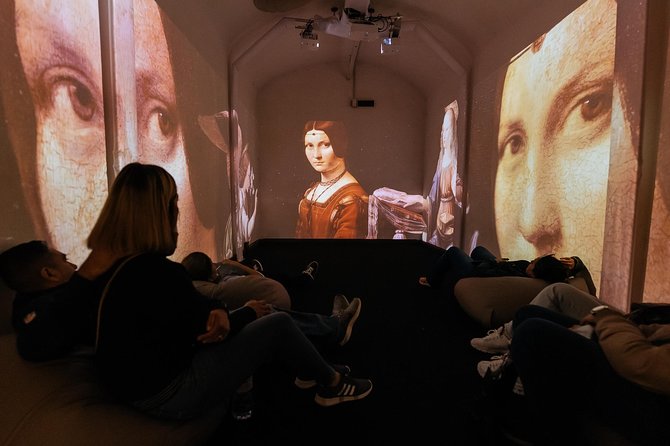
- Art + science connections come together around famous works like the Last Supper and Vitruvian Man.
- The museum is in a basilica setting near Piazza del Popolo, making it easy to pair with nearby sights.
- Short visit length (about 1 to 2 hours) makes it a smart fit for tight itineraries.
You can also read our reviews of more museum experiences in Rome



Entering the museum: how the experience feels on arrival
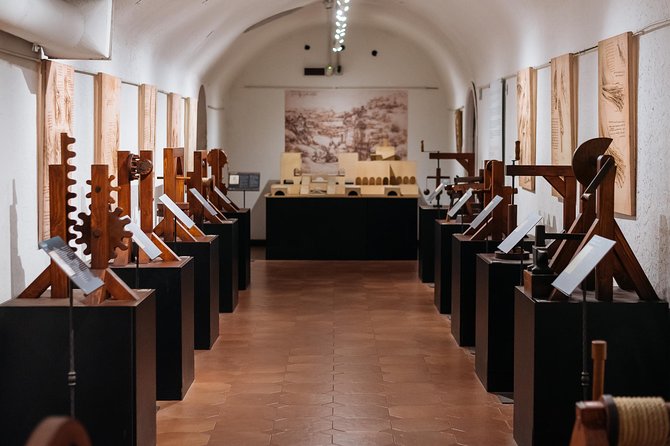
You enter Museo Leonardo da Vinci within the Basilica Santa Maria del Popolo area, which gives the whole visit a different vibe than a typical museum box. The space can feel warm and compact, and that’s a plus if you’re tired of huge, spread-out sites. Reviews also point out that it’s often not packed, so you can take your time without feeling herded.
If you hate wasting time, this is the ticket type to pick. With admission included and pre-booking available, you’ll spend less of your limited Rome hours figuring out lines and entrances.
Also, plan for a self-paced visit. The museum experience is designed so you can move through rooms and stations at your own speed, and several exhibits use screens, multimedia, and hands-on components.
Your 1–2 hour walkthrough: what happens after you step inside
Think of the museum as a story built in sections. It starts with Leonardo as a whole person, not just an artist with a famous painting or two. Then the exhibits branch into the themes that made his work so unusual for the Renaissance era.
As you move through, you’ll see:
- Recreations of machines based on Leonardo’s studies
- Models and explanations that show the ideas behind his inventions
- Art references and study material linked to major works
- Anatomy concepts that connect his curiosity about the body with his drawing skill
In other words, you’re not just looking at objects. You’re learning the thinking style behind them—how Leonardo observed, sketched, tested concepts, and then translated those notes into visuals.
The upside of this setup is clarity. The downside is that it won’t feel like a massive museum day. Several people describe it as a short visit, and I’d agree with that expectation.
Leonardo’s machines from his codices: the part you’ll keep talking about
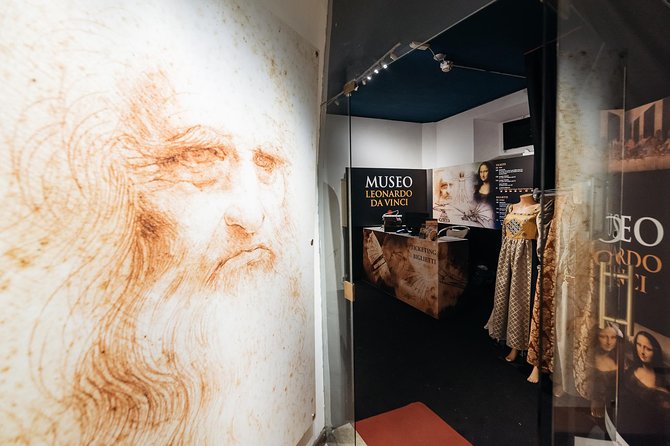
One of the most praised parts is the display of machines crafted from Leonardo’s codices and related studies. In practical terms, this means you’re not only seeing drawings—you’re getting a physical sense of what the drawings were trying to build.
Expect:
- Life-size and working-style recreations made by Italian artisans
- Exhibits that help you understand the concept, not just the appearance
- Details that show how the mechanics match the artistic precision of his sketching
This is where the museum earns its place on a Rome itinerary. Leonardo can sometimes feel like a name you know, but not a mind you understand. Here, the exhibits bridge that gap. You start to see why his ideas could be both artistic and engineered at the same time.
If you enjoy hands-on learning, prioritize this section early. Once you’ve got the mental model of how the machines are meant to work, the rest of the museum lands better.
Art studies and famous works: the museum ties the themes together
The museum doesn’t treat Leonardo’s art as a separate hobby. It links his art to the same attention to structure you see in his inventions. That’s one reason people come away feeling inspired rather than just entertained.
You’ll run into study content and references tied to:
- The Last Supper
- The Vitruvian Man
- The Sforza equestrian sculpture
You’ll also see multimedia animations and explanations that bring stories behind these pieces to the surface—showing how Leonardo used drawing as a tool for understanding.
From the reviews, I also picked up a useful expectation: there are replicas rather than original artwork in this museum. One review specifically points this out. So if your plan is to hunt for museum-grade originals, you may feel slightly let down. If your plan is to learn how Leonardo’s mind worked and see believable models and study-based recreations, it’s a strong match.




Anatomy, sketches, and what makes Leonardo different

Leonardo’s curiosity about the human body is one of the most compelling threads in his work, and this museum leans into it. You can expect anatomical sketches, plus exhibits that explain his research through both observation and drawing.
This matters for you because it gives the visit emotional balance. It’s not just metal parts and mechanics. The museum makes a strong case that Leonardo’s engineering thinking came from the same place as his fascination with how humans function.
If you’re traveling with kids, anatomy is usually a hit because it’s instantly understandable and visually interesting. Adults often like it for the same reason: it shows that his creativity wasn’t random. It was systematic.
The audio guide question: worth it, or optional?
The admission ticket includes entry, but an audio guide is not included. It’s available to purchase for about €3 per person.
So should you buy it? Here’s the practical way I’d decide:
- If you prefer commentary-style context while you walk, the audio guide likely helps a lot. Many reviews say it makes the information richer.
- If you’re happy reading labels and watching screens, you might skip it and still have a good experience.
There’s a caution based on reviews: the audio system may not line up perfectly with some exhibits, and some people found the handheld handset annoying. One person also said the exhibits felt not perfectly organized in order. That doesn’t ruin the visit, but it does suggest going in with realistic expectations: this is a learning experience, not a flawless museum audio tour.
If you hate handheld devices, you might want to rely more on the signage and the interactive parts instead.
Interactive stations and the VR add-on: fun, with tradeoffs
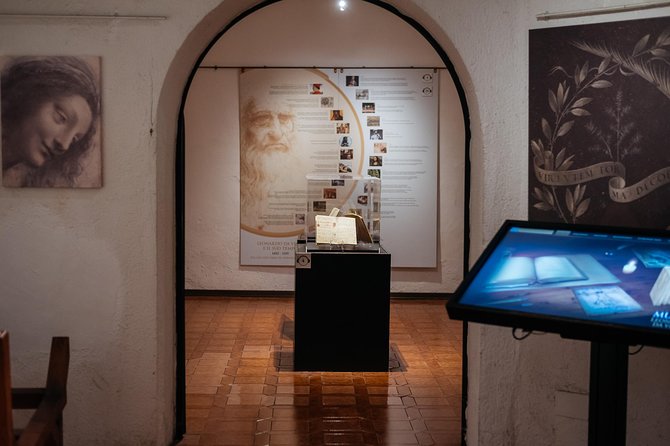
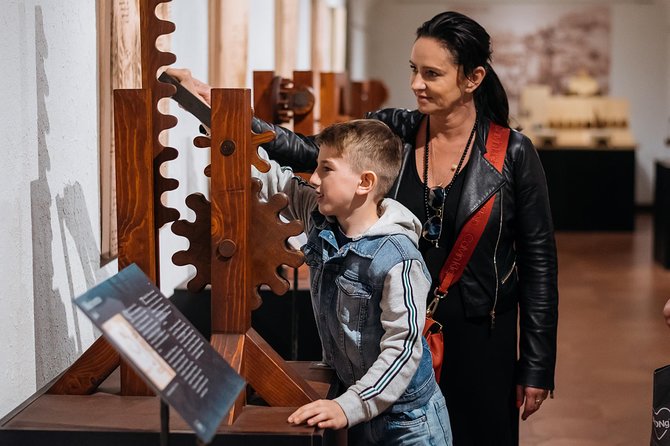
The museum is often described as interactive, and you’ll find hands-on models where you can manipulate elements related to Leonardo’s inventions. That’s a real advantage for families and for anyone who gets restless in traditional galleries.
Some reviews mention the museum includes films and interactive screen sections where you can click through information about paintings, drawings, and inventions before you reach the physical displays. That’s a smart design for two reasons:
- It primes your understanding.
- It helps you notice details you might otherwise miss.
Then there’s a virtual reality flight experience mentioned in reviews. One review says it felt overpriced and that there’s only one VR option, leading to a line. My practical take: if VR is a must for you, ask about timing once you arrive. If you’re not a VR person, you won’t feel like you’re missing the core experience.
Pair it with Piazza del Popolo: how to build a smooth Rome day
Because the museum sits inside the Basilica Santa Maria del Popolo area, you can easily stack it with nearby sights. Reviews mention the Spanish Steps and Villa Borghese as nearby landmarks, and the museum is described as about a five-minute walk from the Spanish Steps and Villa Borghese area.
That proximity makes planning easier. After your Leonardo visit, you can:
- Walk through Piazza del Popolo for photos and people-watching
- Pop into nearby shops and cafés
- Keep moving through the neighborhood instead of commuting back across town
If you want a calmer rhythm, consider timing it when the area is less crowded. One review even suggests the museum can feel quieter at night, and that can make the whole experience more comfortable.
What to know before you go: size, crowds, and comfort
Here are the practical considerations I’d build into your plan:
- It’s small. Multiple reviews describe it as a short stop (often around 1–2 hours).
- It’s a good rainy-day activity. Indoor time in Rome is always valuable when weather turns.
- No restroom facilities in or around the museum is specifically mentioned in a review. That’s a big one. Plan a quick stop before you enter.
- The basilica above may be under renovation at times, and one review mentions the church was covered up. It likely won’t block the museum itself, but it can affect your expectations if you want a perfect view of the whole religious space.
Also, staff support gets good marks. Reviews say the team is friendly and helpful, and several people mention there were no lines when redeeming vouchers.
Price and value: is $14.38 a good deal?
At $14.38 per person, this is priced like a smart add-on rather than a major spend. For the value, focus on what’s included:
- Admission ticket to the museum
The core experience includes the machine recreations, Leonardo-linked art studies, anatomy content, and multimedia. If you like inventions, drawing, or how science and art connect, the ticket price starts to look very reasonable—especially because it’s quick enough to fit into multiple-day trips without stretching your schedule.
If you dislike paying extra, remember the audio guide is additional (about €3). If you’re someone who benefits from guided commentary, that small add-on can be worth it for you. If you don’t, save the money and use the signage plus the interactive exhibits.
Either way, I’d treat it as a high-impact, low-time commitment museum stop.
Who should book this Leonardo museum?
This works best if you:
- Want a focused Leonardo experience that won’t swallow half your day
- Prefer interactive exhibits and working-style reconstructions
- Like art and science connections, especially anatomy and engineering ideas
- Need something easy to pair with Piazza del Popolo and nearby walking routes
It might feel less satisfying if you’re:
- Expecting a large museum with lots of original Renaissance masterworks
- Short on time and already know you only want the biggest, most famous sights
Still, even then, it can be a nice change of pace because it’s not crowded in the way some headline museums are.
Should you book Museo Leonardo da Vinci in Rome?
If you’re curious about how Leonardo thought—how he connected sketches, mechanics, anatomy, and famous works—yes, I’d book it. The life-size machine recreations, the link to major artworks, and the short visit length make it a practical choice that fits real travel days, not just perfect itineraries.
I’d book it even more confidently if you’re traveling with kids or anyone who learns better by doing, not only by reading. Just go in knowing it’s smaller than the big Rome museums and that you should plan for no restroom right at the museum.
If you want a calm, clever stop in the middle of the Piazza del Popolo area, this is an easy yes.
FAQ
How long does the Da Vinci Museum visit take?
The visit runs about 1 to 2 hours.
Is the tour offered in English?
Yes, it is offered in English.
What is included in the price?
The admission ticket to Museo Leonardo da Vinci is included.
Do I need to buy an audio guide?
The audio guide is not included. It can be purchased for about €3 per person.
Where is the museum located?
The museum is located inside Basilica Santa Maria del Popolo in Rome, near Piazza del Popolo.
Are there restrooms at the museum?
One review notes that there are no restroom facilities in or around the museum, so plan ahead.
What is the cancellation policy?
You can cancel for a full refund if you cancel up to 24 hours in advance. If you cancel less than 24 hours before the start time, the amount paid will not be refunded.