REVIEW · ROME
Rome: Pasta Making with Wine Tasting and Dinner in Frascati
Book on GetYourGuide →Operated by From Scratch Experiences · Bookable on GetYourGuide
Pasta plus wine outside Rome feels special. This experience sends you from the city to Frascati, where a local family shows you their old wine cave, pours two wines, and puts you to work making Roman-style pasta.
What I like most is how hands-on it is. You learn fresh pasta technique from scratch and leave with sauces that actually define Rome, like Carbonara, Cacio e Pepe, and Amatriciana. I also love the wine setting: tastings happen in a family 15th-century cellar, paired with snacks and local meats and cheese.
One consideration: you’ll climb 100 steps and there’s no elevator. If you’re not comfortable with stairs, plan around it before you book.
In This Review
- Key Things You’ll Remember
- Why Frascati Pasta Beats a Rome Kitchen Room
- Getting There: Train to Frascati, Then Pickup at the Station
- First Stop: A Short Frascati Walk (And the Town’s Best Feature)
- Inside the Family Wine Cave: Where the Story Starts
- Wine Tasting Like a Local: Two Pours and Pairing Snacks
- Hands-On Pasta Making: Dough, Kneading, and Roman Sauce Logic
- What You’ll Eat at the End: Lunch or Dinner in the Cellar
- Price and Value: What $35 Buys (and What It Doesn’t)
- Who This Tour Fits Best (And Who Should Skip It)
- Practical Tips That Make the Class Smoother
- Should You Book This Pasta and Wine Experience?
- FAQ
- FAQ
- How long is the Rome: Pasta Making with Wine Tasting and Dinner in Frascati experience?
- What does the tour include?
- Is the experience in English?
- Where do I meet the group in Frascati?
- Do I need to bring my own food or drinks?
- Is the tour accessible for people who can’t do stairs?
Key Things You’ll Remember
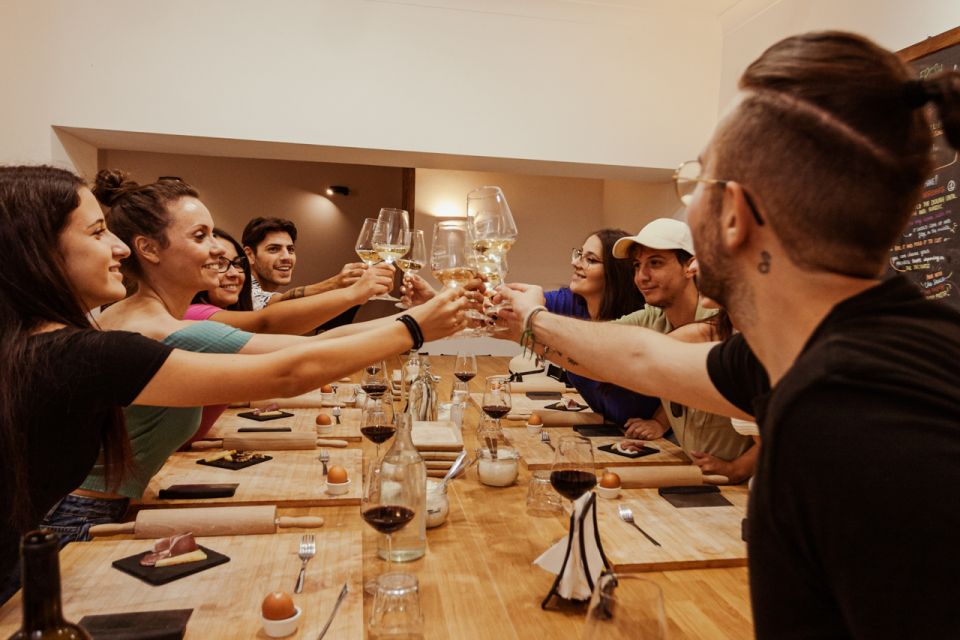
- A family-run wine cellar visit in a real Frascati setting, not a showroom in Rome
- Two wine tastings paired with local snacks, meats, and cheese
- Handmade pasta from scratch with instruction on classic Roman sauces
- An old wine cave tour where the family’s wine story began
- A short walking tour of Frascati so you see the town, not just the dinner table
Why Frascati Pasta Beats a Rome Kitchen Room
Rome is loud. Frascati is slower. That switch is the point here. You’re trading a crowded city experience for a day that feels like a local family’s routine, with wine and food built around the place itself.
I like that it’s not just a pasta lesson. You get the context of where Frascati’s wine culture comes from: the old cellar, the wine cave, and the way the family’s products shape what ends up on your plate. The result is a meal that feels earned, not assembled.
Also, you’re making Roman pasta classics, not a vague “Italian dinner” template. Carbonara and Cacio e Pepe are simple on paper, but tricky to get right. Learning the method with a local teaching you how to think about it makes a huge difference.
You can also read our reviews of more food & drink experiences in Rome

Getting There: Train to Frascati, Then Pickup at the Station
Your day starts with the easiest kind of escape: hop the train from Roma Termini to Frascati. The ride is about 30 minutes, and you should arrive at least 20 minutes early so you can find the right platform without stress.
After you get there, you’ll meet the team for pickup at Frascati Railway Station. The instructions are clear: go out through the main exit, look for the FRASCATI SIGN on your right, and wait there since other tours also operate in town.
If you somehow miss the pickup moment, there’s a backup meeting point near the restaurant: Corso San Giuseppe Calasanzio 21, about 20 minutes after the scheduled start time. That safety net matters, especially if your train arrival is slightly off.
First Stop: A Short Frascati Walk (And the Town’s Best Feature)
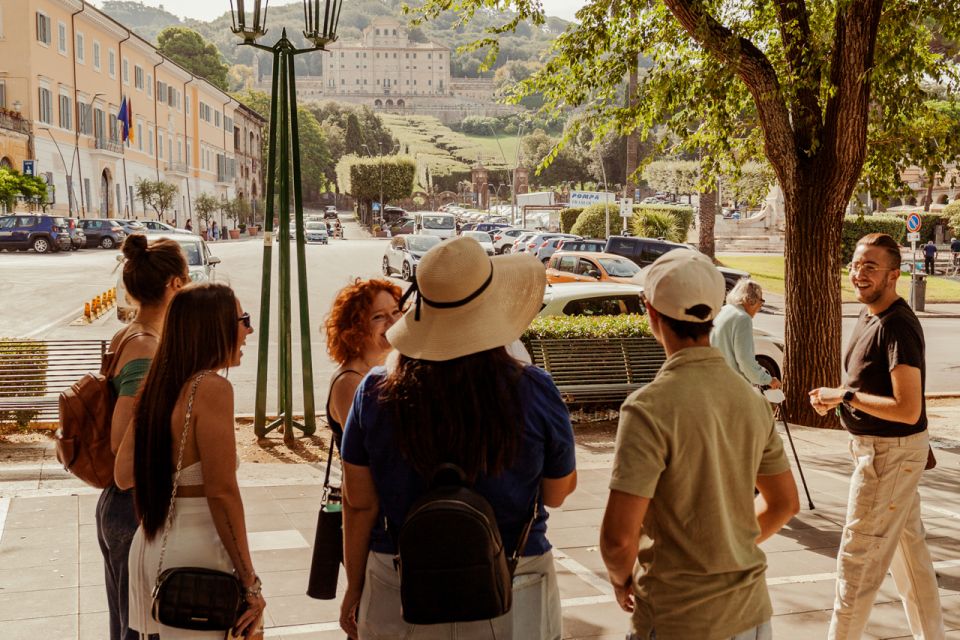
Before you head underground, you get a short walking tour of Frascati. Expect enough time to orient yourself, see the town’s character, and get a feel for why locals still love being here instead of heading back to Rome.
Frascati’s layout includes a fair amount of climbing. You should know this up front: you’ll climb 100 steps to reach the top of town, and there’s no elevator. For some people, that’s an easy warm-up. For others, it’s the difference between enjoying the day and rushing through it.
If you want photos, bring good shoes. The walking portion may sound minor, but the town’s viewpoints are part of the reward.
Inside the Family Wine Cave: Where the Story Starts
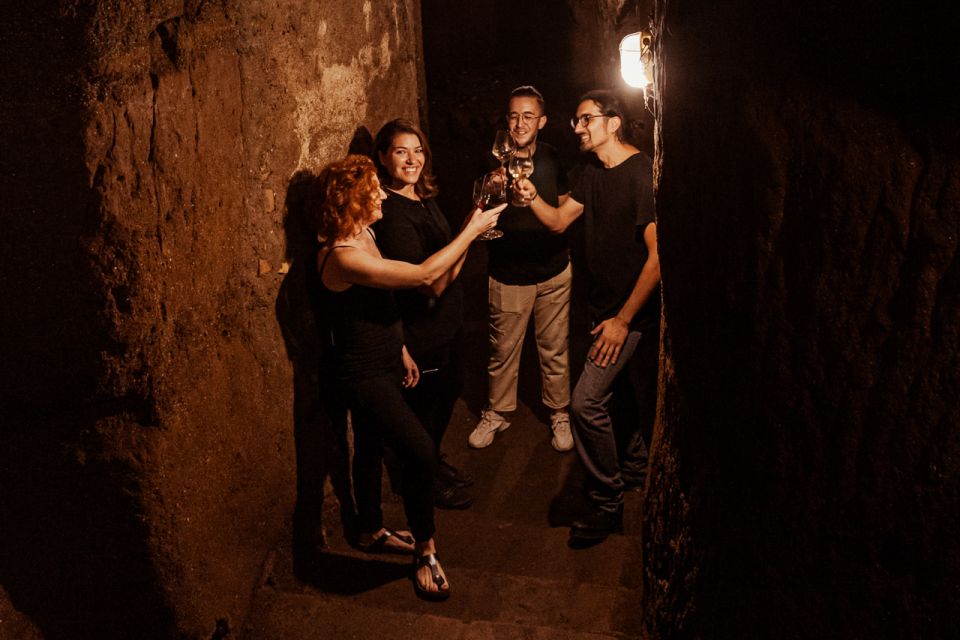
Then comes the part that makes this experience feel authentic: the visit to the old wine cave where the family began producing wine in Frascati. This isn’t just a quick look at barrels. You tour the spaces and hear how production started, which gives the wine tasting real meaning.
One review detail that stuck with me is that the cellar spaces have been used as a shelter in WWII. Even if you don’t know much history, that kind of layer turns a food stop into a human story. You’re standing in a working place that has survived for generations.
It also explains why the tasting portion lands the way it does. When you’ve seen where the wine life began, you taste with more focus. You’re not just drinking something pleasant; you’re tasting something tied to a family’s place and time.
Wine Tasting Like a Local: Two Pours and Pairing Snacks
Next you’ll sip two types of the family’s wine, with snacks paired with the wine. The pairing is built around local foods such as meats and cheese (salami and mortadella show up in examples from past groups), so the tasting isn’t one-note.
This matters because Frascati isn’t only about flavor. It’s about how wine works with food. Pairing helps you notice acidity, body, and how the wine handles salt and fat from cured meats and cheese.
You’ll be served in the cellar setting, which helps you slow down. The cool air and old stone do something to your sense of time. It feels like you’re stepping out of the tourist day rhythm, and into a longer evening where food comes in steps.
You can also read our reviews of more cooking classes in Rome




Hands-On Pasta Making: Dough, Kneading, and Roman Sauce Logic
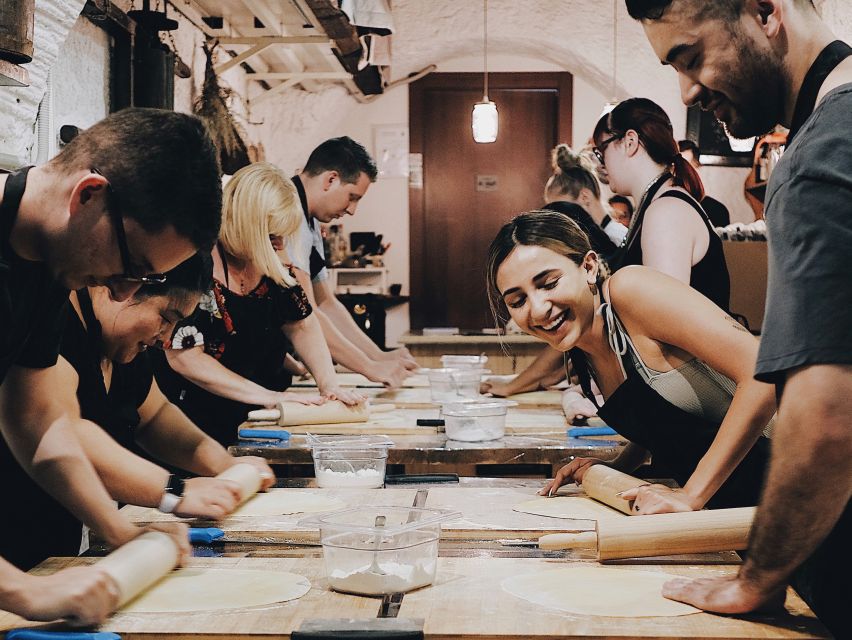
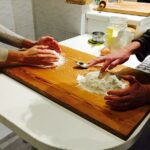
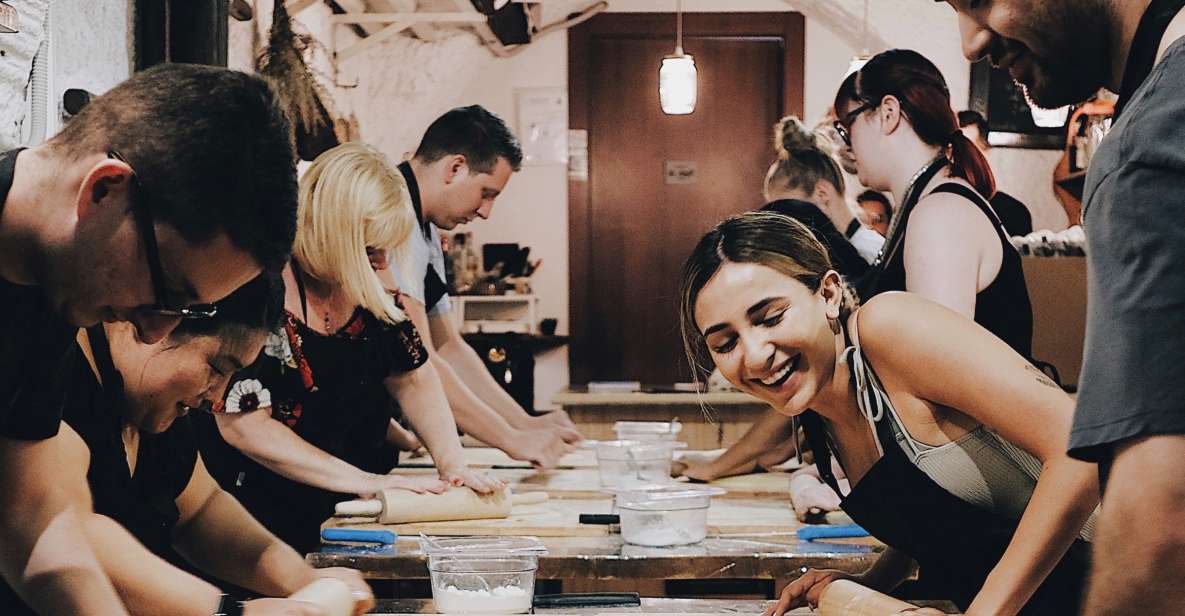
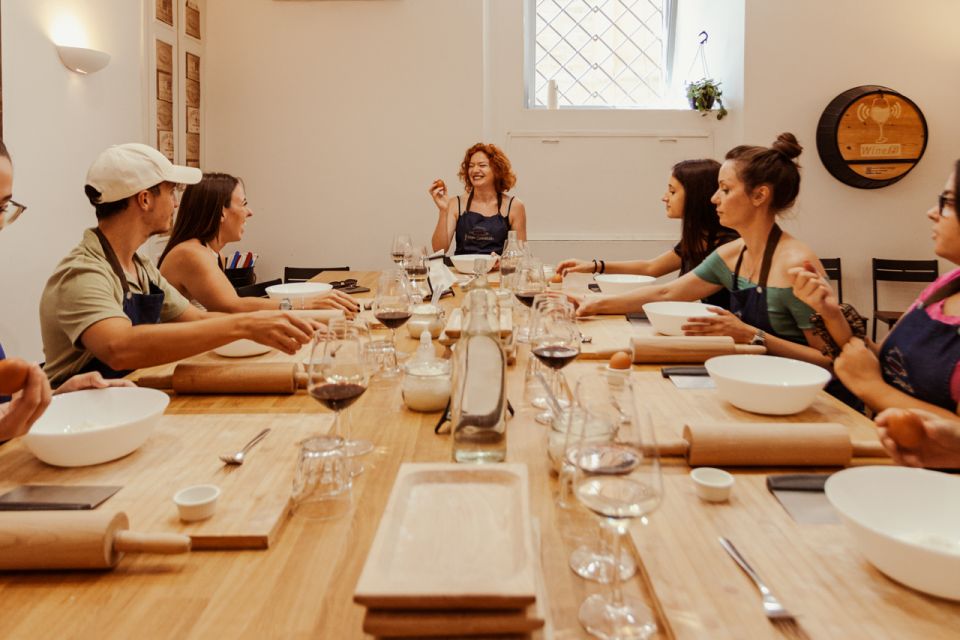
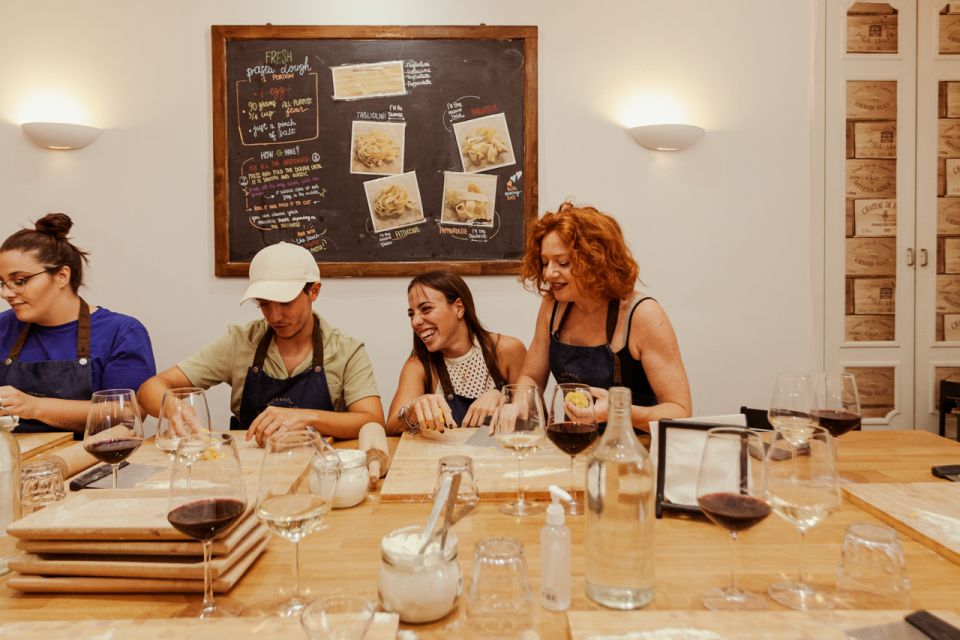
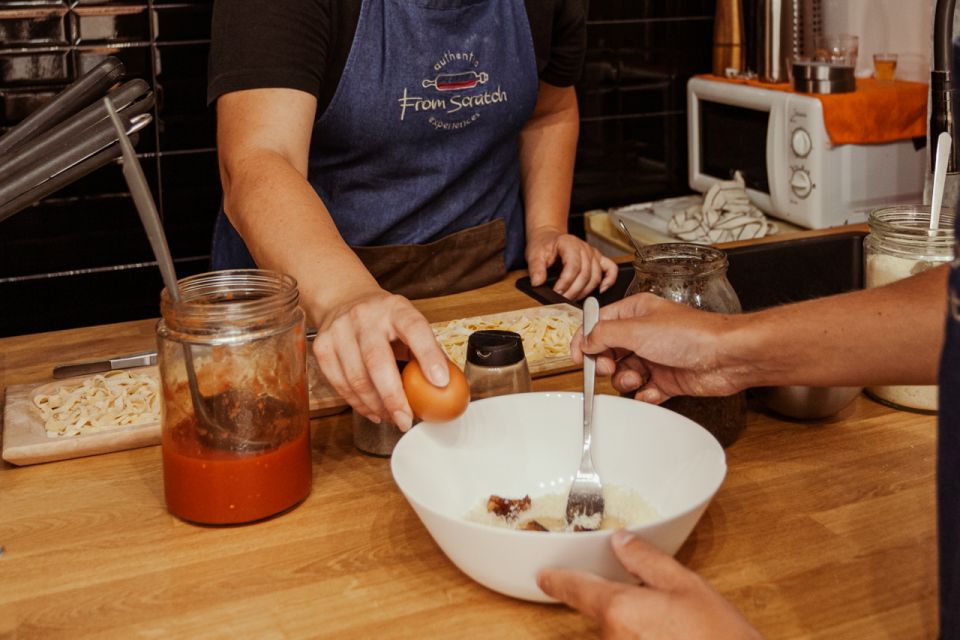
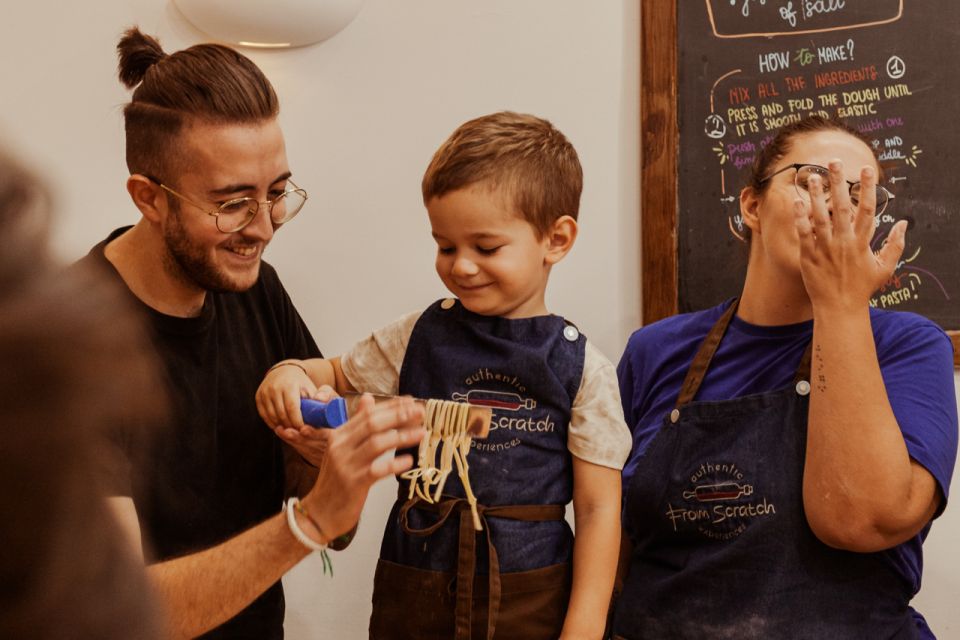
Now the fun part: you make fresh pasta from scratch. You’ll get what you need, put on an apron, and get your hands in the dough while you’re drinking wine. That combination sounds risky for a kitchen class, but the setup is designed so you learn the technique, not just the final dish.
The key takeaway I want you to keep in mind is this: you’re not memorizing recipes. You’re learning the process. Dough consistency, kneading feel, and how to shape and handle the pasta make the sauces taste correct instead of just convenient.
For Roman sauce direction, you’ll cover classics such as:
- Carbonara
- Cacio e Pepe
- Amatriciana
Those sauces each demand a different balance. Carbonara is about creamy texture and timing. Cacio e Pepe is about getting cheese and pepper to cling properly. Amatriciana leans on savor and thickness. When you learn them through a cooking class, you start understanding why ingredients behave the way they do.
At the end, your pasta is cooked with your chosen Roman sauce. Then you get to sit and eat what you made while you’re still in the cellar mood.
One practical note: past groups talk about the portion being big. You might come hungry. You’ll also likely want to pace yourself so you enjoy the wine and still taste the sauce clearly.
What You’ll Eat at the End: Lunch or Dinner in the Cellar
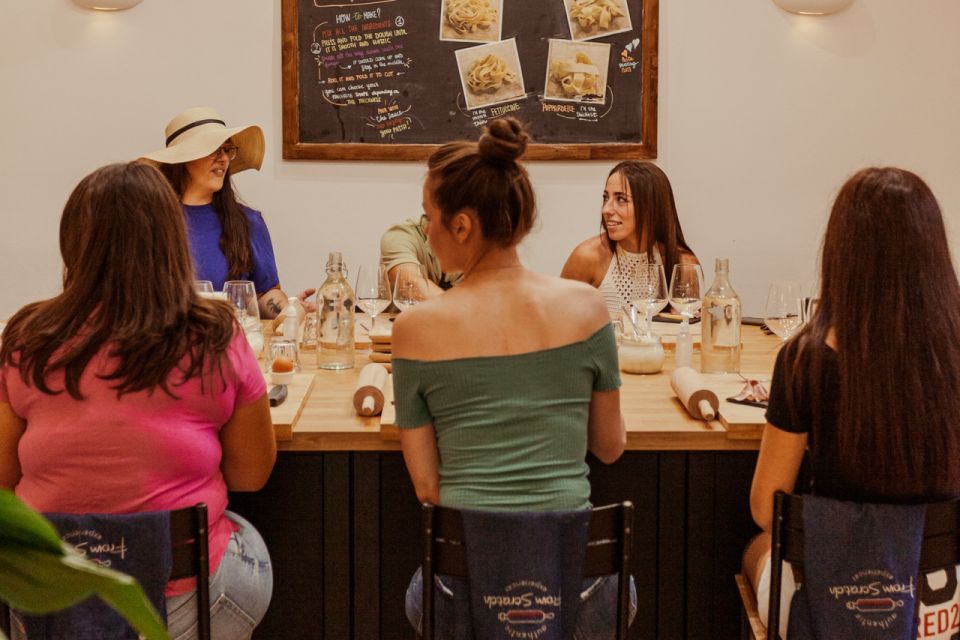
The meal is included, and it depends on the timeslot: it’s lunch or dinner. Either way, plan for a proper seated eating window, not a quick bite between activities.
The structure is satisfying. You tour, you taste, you cook, and then you eat. That flow is the secret behind why classes like this work better than a “show-and-serve” dinner. Your brain knows what it did, so it notices what it learned.
Even the coffee and water being included is part of the pacing. You’re not scrambling for basic drinks while you’re trying to remember how the dough felt when it was right.
Price and Value: What $35 Buys (and What It Doesn’t)
At $35 per person, you’re buying more than a meal. You’re paying for:
- pickup from Frascati station
- a short town walk
- pasta-making equipment and instruction
- wine tasting (two types) with paired snacks
- access to the old wine cave tour
- coffee and water
- lunch or dinner depending on slot
The value gets strong because the experience is multi-part and hands-on. You’re not only tasting wine in a pretty place. You’re also leaving with a skill you can repeat at home: making Roman-style pasta and understanding how to pair it with the sauces you learned.
What isn’t included: extra wine. You can buy it at the place if you want more, and that’s a good thing. It keeps the included tasting from feeling like a forced upcharge, while still letting wine lovers continue if they want to.
Also, you’re handling the train to Frascati yourself. The day is built for you to ride the rail, then meet the family for the rest.
Who This Tour Fits Best (And Who Should Skip It)
This is a great match if you want an authentic food experience without staying in a cramped Rome neighborhood. It suits:
- couples who want a memorable evening tied to real local life
- solo travelers who want a welcoming setup and an activity with a natural rhythm
- families looking for a hands-on option that isn’t just another museum stop
- food lovers who want to bring home real pasta technique, not just photos
Skip it (or at least think carefully) if stairs are a problem. You’re told there’s no elevator and you’ll climb 100 steps. That alone can decide the trip for mobility needs.
If you prefer staying fully in Rome, you’ll still enjoy it, but you’ll need to accept the time spent on the train as part of the value. The trip works because it moves you away from the city’s pace.
Practical Tips That Make the Class Smoother
Come ready to eat. Pasta making works up an appetite, and the meal afterward is included. If you can, schedule this when you’re not also doing a long day of walking in Rome.
Wear shoes that handle uneven surfaces, especially once you’re in old-town Frascati. The walking is short, but the climb adds up.
If you’re wine-averse, you can still enjoy the day because the food and cooking are the center. You’ll taste wine as part of the program, but the class focuses on pasta and sauces too.
And if you get off the train wrong or you’re running late, don’t panic. The day is designed with a clear station meeting point and a backup location near the restaurant.
Should You Book This Pasta and Wine Experience?
If you want one standout “Rome food moment” that also teaches you something you can actually repeat at home, I’d book it. You get the Frascati setting, a family wine cellar experience, classic Roman sauces, and the hands-on pasta work in a format that’s fun and social without feeling chaotic.
If stairs are hard for you, hold off. The 100 steps with no elevator is a real factor, not a footnote.
For most people, this is a smart value choice: $35 covers the wine tasting, the cave tour, the cooking class, and your included meal. It’s one of those trips where you leave with both full taste buds and a skill that sticks.
FAQ
FAQ
How long is the Rome: Pasta Making with Wine Tasting and Dinner in Frascati experience?
It lasts 2.5 hours.
What does the tour include?
You get Frascati station pickup, a short walking tour of Frascati, all equipment for fresh pasta, wine tasting of two types of family wine with snacks, a visit to the old wine cave, and coffee and water. Lunch or dinner is included depending on the timeslot.
Is the experience in English?
Yes, the instructor is listed as English.
Where do I meet the group in Frascati?
Meet at Frascati Railway Station. Go out through the main exit and wait near the FRASCATI SIGN. If reaching the restaurant directly, the meeting address is Corso San Giuseppe Calasanzio 21, Frascati, about 20 minutes after the scheduled time.
Do I need to bring my own food or drinks?
No. Food and wine for the tasting are included, plus coffee and water. Extra wine is not included, but you can buy it at the place.
Is the tour accessible for people who can’t do stairs?
You will climb 100 steps and there is no elevator, so it may not work well if stairs are a challenge.