REVIEW · ROME
Rome: Ostiense Graffiti and Modern Street Art Walking Tour
Book on GetYourGuide →Operated by Rome - Tour · Bookable on GetYourGuide
Graffiti has a place on Rome’s official skyline. This Ostiense walking tour mixes ancient landmarks with wall-to-wall street art, set in a former industrial district where the buildings still feel like they have stories to tell. I especially like how the route orients you fast, then keeps pulling modern art into the same frame as Roman monuments.
One big plus is the small-group feel (limited to 10), which makes it easier to actually look closely instead of just shuffling by. A possible drawback: the format is time-tight, and if you want lots of slow photo stops, you may feel a bit rushed.
If you’re the type who notices materials and details—stickers, wheatpaste posters, layers of paint—this is a fun way to read Ostiense like an open-air gallery. Just be realistic about pace and come with comfortable shoes, since you’ll be walking the whole time.
In This Review
- Key things to know before you go
- Ostiense, from gasworks to graffiti walls
- Starting at Piramide: The Pyramid of Cestius
- Walking Via Ostiense: ancient road to street-art corridor
- The 1930s gasometer and Ostiense’s industrial bones
- How the guide turns walls into a story (and why it matters)
- Pace, photo time, and the real meaning of 2 hours
- Cost and value: is $94 worth it?
- Who this tour is best for
- Should you book this Ostiense graffiti tour?
- FAQ
- Where does the tour start?
- How long is the Rome Ostiense graffiti and modern street art walking tour?
- Is it a small group?
- What’s included in the price?
- Is hotel pickup and drop-off included?
- Do I need to bring anything?
- Are there restrictions on luggage?
- Is the tour available in English?
- Is it refundable if my plans change?
- Is it suitable for wheelchair users or mobility impairments?
Key things to know before you go
- Start at Piramide and use the Pyramid of Cestius as your visual anchor for the whole area
- Industrial Rome is the backdrop, especially the 1930s cylindrical gasometer and repurposed factories
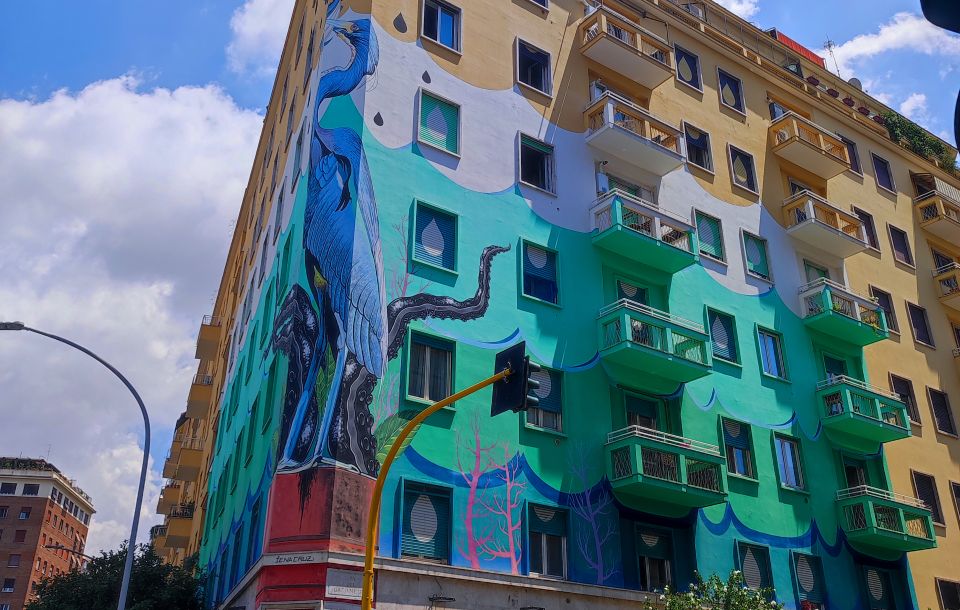
- Modern street art is the main focus, including graffiti and sticker-and-poster layers
- Semi-private group size helps you get closer to the art and hear the guide clearly
- English live guide with headsets included if the group grows beyond 10
- 2 hours is short, so bring a phone ready for quick picture moments
Ostiense, from gasworks to graffiti walls
Ostiense is one of those Rome neighborhoods where the past and present share the same wall. You get the working-class, industrial feel right away, and then the street art starts making sense as something local, not just decoration.
I like this setting because it avoids the usual Rome pattern of immaculate monuments plus tourist shops. Here, you’re walking through an area where factories and older industrial buildings have been turned into apartments, bars, and restaurants, and that change-over is part of the point. The walls feel like they belong to the neighborhood, not to a postcard.
The tour also leans into the textures you can’t fully appreciate from a distance. Think paint layers, poster edges, and the messy beauty of street-level art that’s meant to be seen up close.
You can also read our reviews of more walking tours in Rome



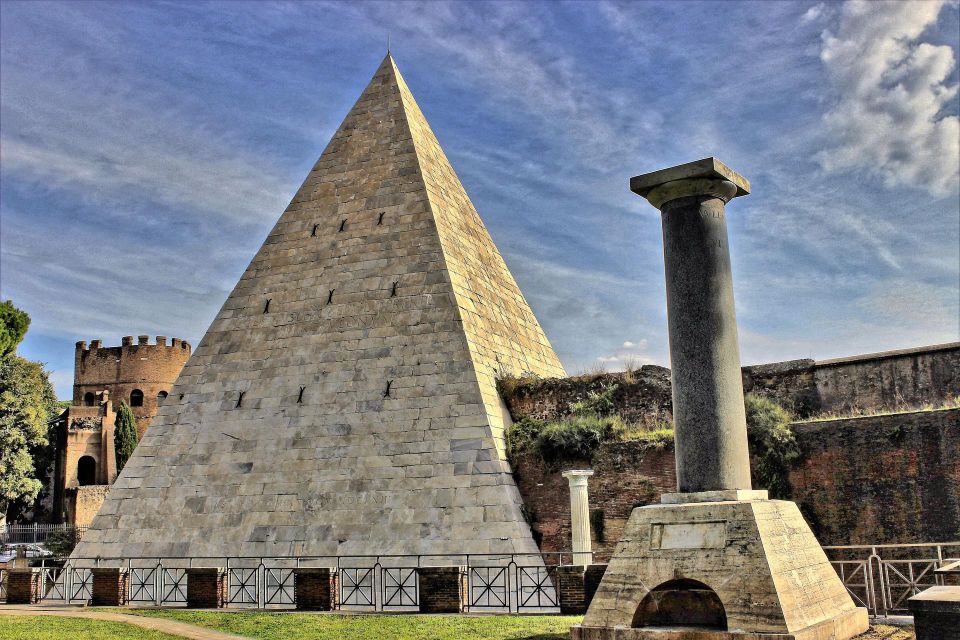
Starting at Piramide: The Pyramid of Cestius
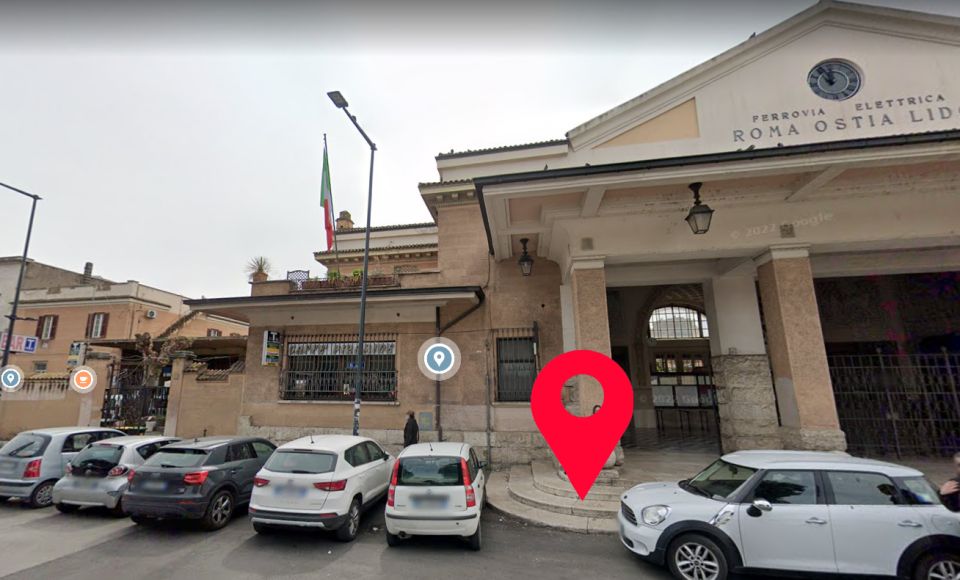
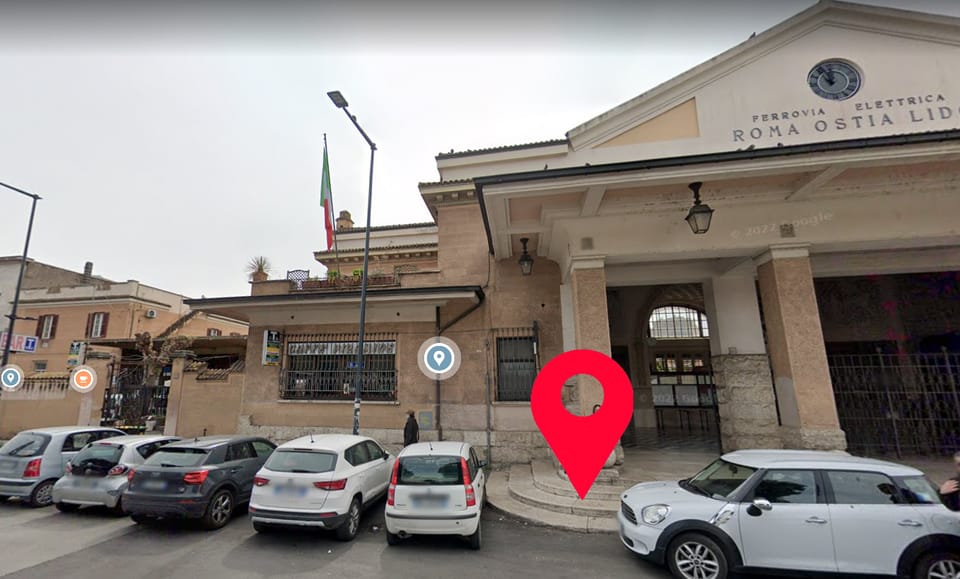
The tour meets in the area of Roma Ostia Lido Station, right by Piramide metro stop. The name makes your first stop easy to understand: outside is the famous Pyramid of Cestius, a sharp Roman monolith that looks out of place in a good way.
This isn’t a small roadside curiosity. It’s a 36-metre-high funerary monument, built by the Roman general Gaius Cestius, and it’s covered in white marble. Even if you’re not a monument person, it works as a dramatic orientation point because it’s visible from around the city and makes the walk feel connected to a wider Rome skyline.
Why I think this matters for your street-art hunt: it sets up the big contrast you’ll keep seeing. Ancient Rome is solid and planned; street art is quick, layered, and constantly changing. Starting with that pyramid helps you notice the “before and after” in the city’s surfaces.
Walking Via Ostiense: ancient road to street-art corridor
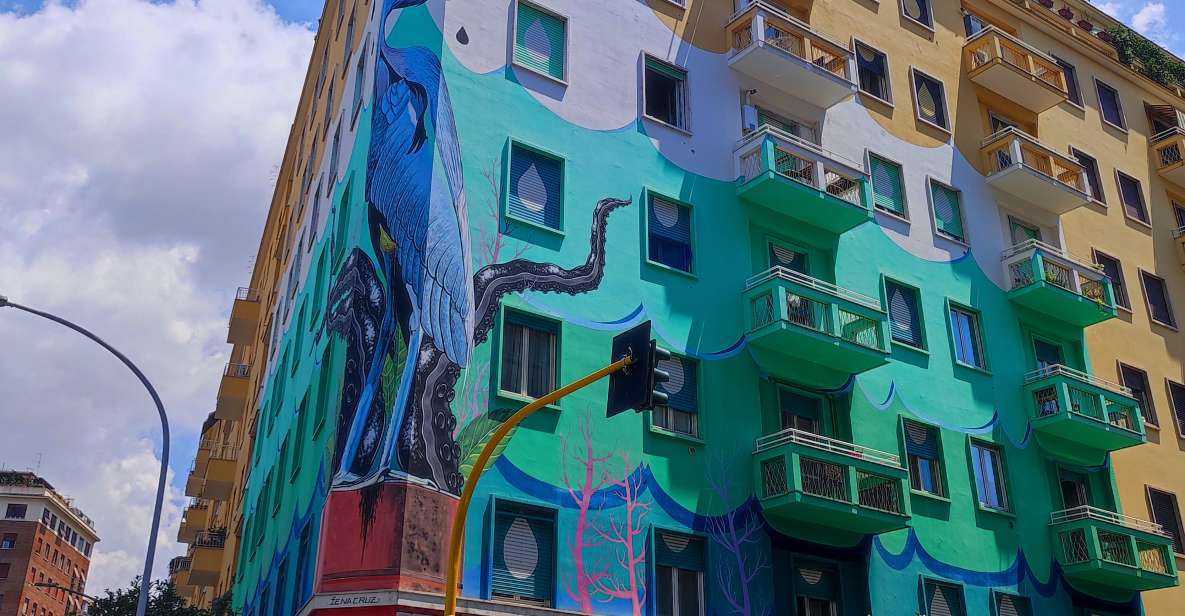
From Piramide, you’ll head down Via Ostiense, a street with deep roots. Long ago, this was an ancient road that stretched all the way out toward the sea, linking into the trading port of Ostia.
That long-ago “movement” shows up in the modern feel of the street. You’re walking along a corridor where you start noticing the visual language of the neighborhood: graffiti, stickers, and wheatpaste posters. These aren’t just random clutter; they read like a timeline of what people want to say right now.
I like that the tour doesn’t treat street art as a separate universe. It frames it as part of the same movement system that once carried goods, travelers, and news. If you pay attention to where the posters and stickers cluster, you’ll start seeing the neighborhood’s habits.
One practical note: street art is best when you can stop. If your guide’s pace is brisk (more on that later), you might need to be ready to grab photos in short bursts without wandering off.
The 1930s gasometer and Ostiense’s industrial bones
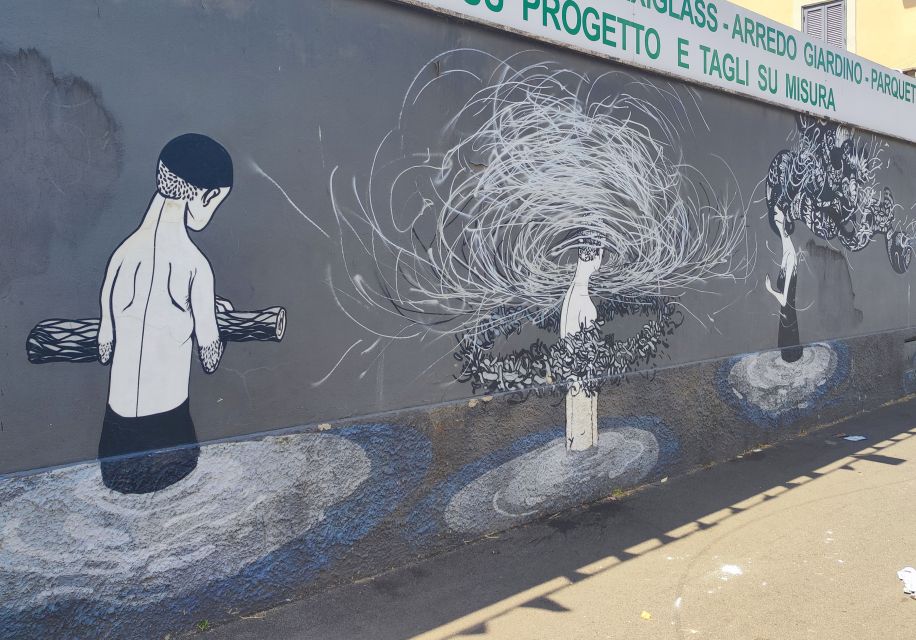
Ostiense is known for more than walls with paint. A major landmark is the cylindrical gasometer from the 1930s, which you can spot from all around town. It’s a huge reminder that this area was built around industry long before it became a street-art magnet.
In the walk’s bigger picture, the gasometer helps you understand why street art fits here. It’s not just that the neighborhood looks “cool.” It’s that the structures and the working-class character still feel present, even as factories have been converted for modern life.
As you walk, try to look at the mix of materials and uses: older buildings turned into places where people eat and hang out, and streets where new art keeps getting layered over older surfaces. That layering is the same idea as the art itself—history isn’t erased, it’s overwritten.
If you love urban photo walks, this stop-and-look rhythm is a great match for you. If you only want famous-name works and don’t care about the neighborhood context, you may need to adjust expectations.
How the guide turns walls into a story (and why it matters)
The quality of the guide can make or break a street-art tour, and this one specifically benefits from a guide who talks with real passion. One guide name that comes up is Juan, praised for the way his excitement for street art came through clearly. When that happens, the art stops being just images and starts becoming something you can read.
The tour is also set up to keep you from losing the guide in the noise of a street. It’s a live English tour, and headsets are included if the group is bigger than 10 people. That helps a lot when you’re standing close to walls or when there’s traffic sound in the background.
What you’ll likely get from a strong guide is context: what the neighborhood became, why artists picked Ostiense, and how to look at street art as a form of communication. Even with a short 2-hour timeline, a good guide can point out details you’d otherwise miss—things like how wheatpaste posters age, how sticker layers overlap, and why certain spots become repeat canvases.
The flip side is simple. If your guide is moving quickly, you might not get enough time to look at the art itself. One recent booking mentioned fast walking and not much time for pictures, and that’s the kind of thing you should keep in mind.
You can also read our reviews of more tours and experiences in Rome

Pace, photo time, and the real meaning of 2 hours
This tour is listed at 2 hours, which is a good length for a focused walk without eating your whole day. It’s also the reason you should show up prepared. Bring a dead-simple kit: phone camera ready, water if you like, and comfortable shoes.
At the same time, 2 hours can feel short when you’re trying to both listen and look. Street art rewards slowing down, and you’ll see more when you take a few extra seconds in front of each wall.
A key consideration from the feedback: there was at least one complaint that the tour ran shorter than expected and didn’t leave enough time to enjoy and photograph the art. I don’t know what caused that in that specific case, but it’s enough for you to plan smart. If you’re sensitive to time pressure, consider making your photo-checklist quick and letting the guide lead the stopping points instead of expecting to linger independently.
If you’re flexible and happy to treat this as an orientation + highlights tour, it can work well. You’ll still come away with a sense of Ostiense as a living gallery rather than a single stop to tick off.
Cost and value: is $94 worth it?
At $94 per person for a short walking tour, this isn’t a bargain deal. The value depends on two things: how much you care about street art as a theme, and how well the guide paces it while still giving you time to see.
Here’s what you’re paying for, based on what’s included:
- A live English guide
- Walking tour only (no transport beyond the meet point area)
- Fees and taxes
- Headsets if the group is larger than 10
- A small group setup (limited to 10)
That small-group cap is the real value driver. If you get a guide who clearly enjoys street art and can connect the art to the neighborhood, the $94 can feel reasonable. If your guide’s pace is too quick or you feel you’re getting rushed through, it won’t.
There’s also a rating that suggests the experience can swing. One person was enthusiastic about the guide’s passion and called it a real experience outside typical tourist routes, while others felt it didn’t deliver enough time or information for the price. That mismatch is the main decision point for me.
So I’d treat this as a pick for people who genuinely like looking closely at street art and want someone to explain what you’re seeing. If you just want a quick photo walk, you may feel you paid too much for too little time.
Who this tour is best for
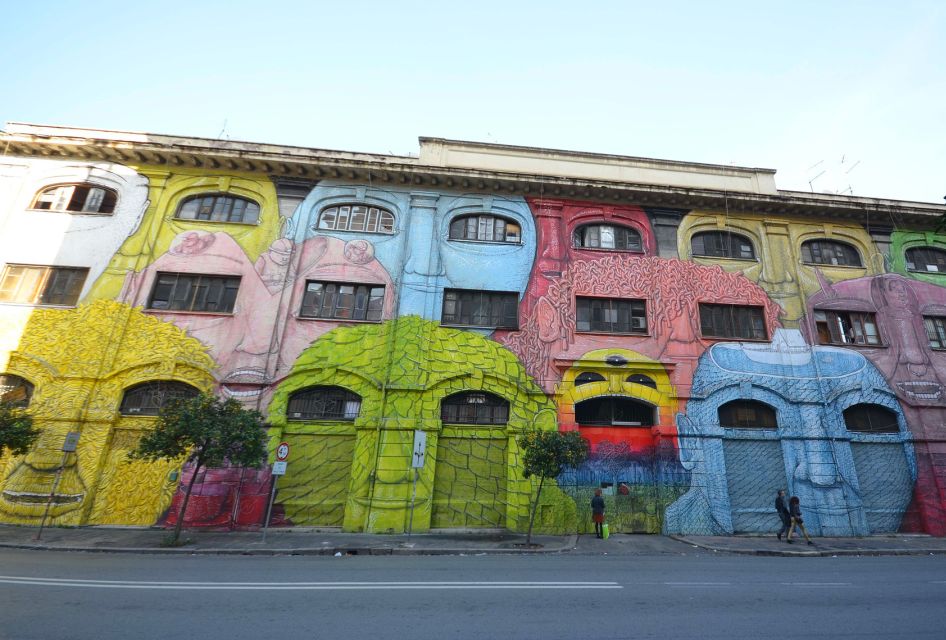
This is a good fit if you:
- Like street art with context, not just pictures
- Enjoy neighborhoods with visible layers of change
- Want an English guide to explain what you’re seeing
- Prefer small groups and can handle walking for 2 hours
It’s also ideal if you’re curious about how Rome can feel different outside the central museum circuit. Ostiense gives you that contrast fast, starting with the pyramid and moving into the street-level art scene.
You should skip it (or choose another format) if you have mobility limits, because it’s not suitable for wheelchair users or people with mobility impairments. It also has a no luggage or large bags rule, so travel light.
Should you book this Ostiense graffiti tour?
I’d book it if you care about street art as a way of reading a neighborhood, and you’re happy with a short, focused 2-hour walk. The best moments here are the combination of the Pyramid of Cestius orientation and the industrial details like the 1930s gasometer, followed by guided attention to graffiti and poster layers.
I’d think twice if you’re expecting a slow, photo-first experience or if you’re extremely time-sensitive about tour duration. Given the mixed feedback at the price point, your best bet is to go in knowing what kind of experience you’re buying: a highlights walk with explanation, not a long, leisurely gallery crawl.
If you’re into the idea of street art as “Roman sidewalk culture,” this one can be a smart use of your time in Rome.
FAQ
Where does the tour start?
It meets in front of the Roma Ostia Lido Station area.
How long is the Rome Ostiense graffiti and modern street art walking tour?
The duration is 2 hours.
Is it a small group?
Yes. It’s limited to 10 participants, and it’s described as a semi-private tour.
What’s included in the price?
Fees and taxes are included, along with the walking tour and headsets to hear the guide clearly if the group is bigger than 10 people.
Is hotel pickup and drop-off included?
No, hotel pickup and drop-off are not included.
Do I need to bring anything?
You should bring comfortable shoes.
Are there restrictions on luggage?
Yes. Luggage or large bags are not allowed.
Is the tour available in English?
Yes. The live tour guide is English.
Is it refundable if my plans change?
You can cancel up to 24 hours in advance for a full refund.
Is it suitable for wheelchair users or mobility impairments?
No. It’s not suitable for people with mobility impairments or wheelchair users.