REVIEW · ROME
Rome street art tour: off the beaten path with a local guide
Book on GetYourGuide →Operated by Rome Travelogues · Bookable on GetYourGuide
One walk can change how you see Rome. This street art tour with Lisa takes you through less-visited neighborhoods, showing about 30 murals and explaining the stories behind them. You’ll cover a ring walk of roughly 4 km and finish back at Garbatella.
I love the way the tour mixes street art with neighborhood history, so the walls feel connected to real people and real places. I also like the two-district format, with a focused look at Garbatella and Tor Marancia rather than random photo stops.
A fair consideration: it’s a lot of outdoor walking on city streets, so comfortable shoes matter, and you won’t see classic headline sights like you would on a big-museum day.
In This Review
- Key points before you go
- Entering a Different Rome Through Street Walls
- Getting There: Garbatella Metro and a Simple Start
- Garbatella Murals: Where Architecture Meets Public Art
- Tor Marancia: An Open-Air Contemporary Art Feeling
- The Walk Itself: Pace, Distance, and Getting the Best Experience
- Price and Value: What $41 Buys in Rome
- Who This Tour Fits Best (and Who Might Skip It)
- Should You Book This Rome Street Art Tour?
- FAQ
- How long is the Rome street art tour?
- Where do I meet the guide?
- Which metro line should I take?
- Is the tour in English?
- How much walking is involved?
- What should I bring?
- Is gelato included?
Key points before you go
- Lisa leads in English and tells you what you’re looking at, not just where to take photos
- You’ll focus on Garbatella murals and then move to Tor Marancia, one neighborhood arc at a time
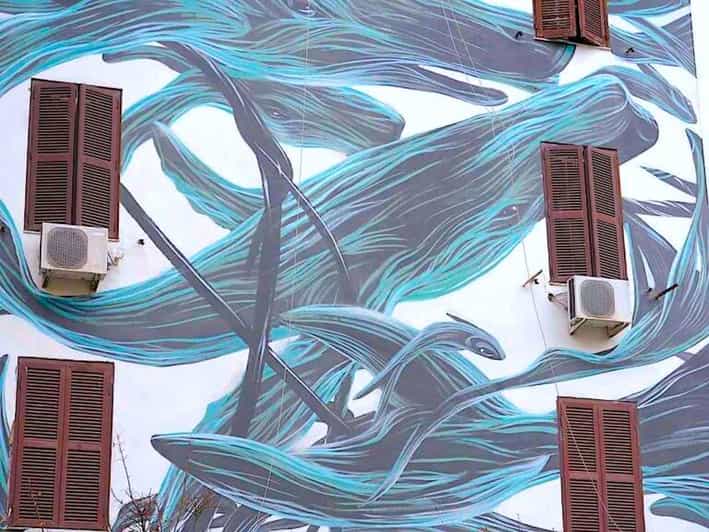
- Expect about 30 street art stops over a loop walk of roughly 4 km
- You can add a gelato stop if you want (it’s not included)
- The meeting point is easy: Garbatella Metro exit with a colored amphitheater nearby
- You’ll be back at Garbatella Metro when the walk ends, handy for getting home fast
Entering a Different Rome Through Street Walls
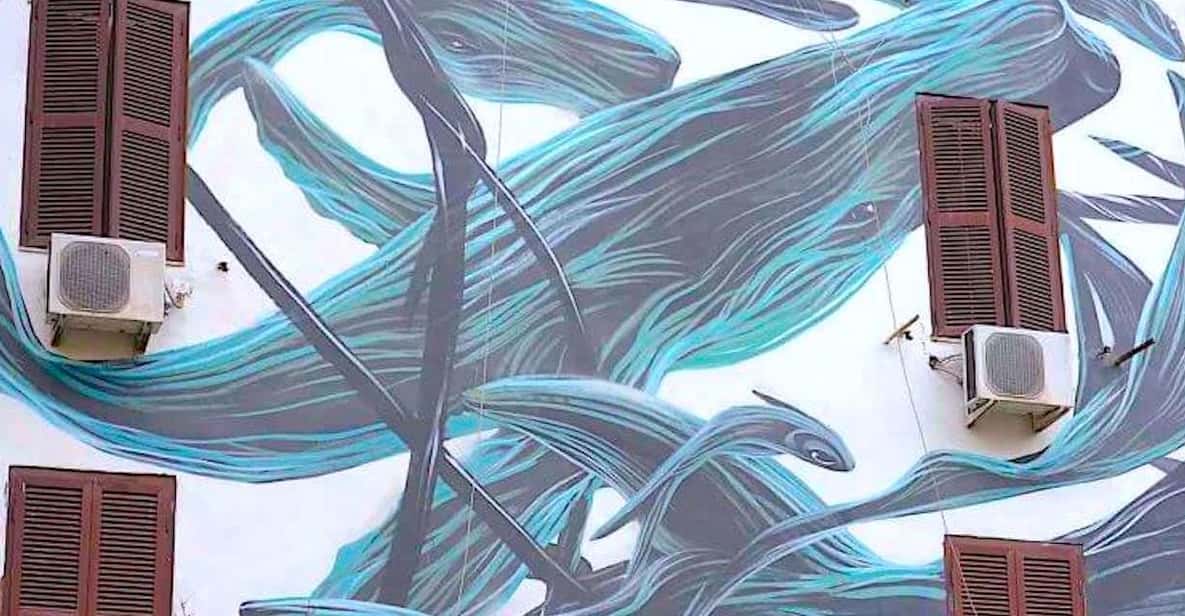
If Rome only exists in your mind as ancient ruins and famous fountains, this tour gives you a helpful second lens. You’ll walk through two working Roman neighborhoods and see street art as part of daily life—something commissioned, painted, debated, and remembered by the community.
The big win is context. Lisa is born and raised in Rome, and she’s clearly passionate about the art and the less-visited areas where it shows up. Instead of treating murals like décor, she connects them to the history of the neighborhoods and the people behind the work. That changes the feeling of your photos. They stop being just images and start being messages on walls.
There’s also a practical benefit: you’re moving through Rome where locals actually live and pass time. That makes the city feel less like a checklist and more like a place you can understand.
You can also read our reviews of more guided tours in Rome



Getting There: Garbatella Metro and a Simple Start
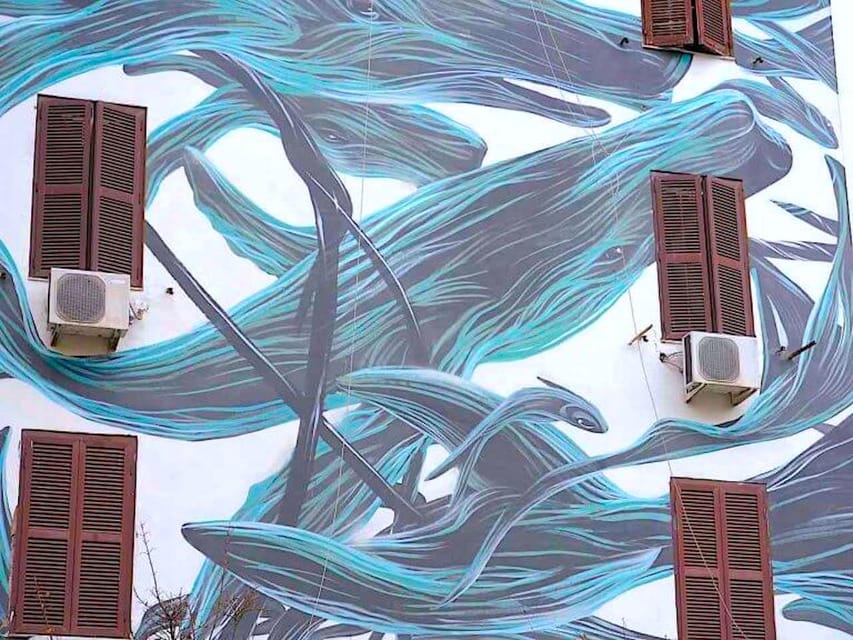
Start at Metro Garbatella. The meeting point is the exit of the station, where you’ll spot a small colored amphitheater right after you come out. It’s a straightforward meet-up, and it helps because you’re starting right at the action.
For getting there, use Metro Line B (the blue line) and get off at Garbatella. This matters because it’s not a tour that requires complicated taxi routes or long transfers.
Once everyone is together, you’ll get the tour flow and the stop plan. This is when you get your bearings for the walk—what to pay attention to, how the neighborhoods link, and what to expect from the murals ahead.
Quick prep that actually helps: plan to carry water. There’s a chance to refill your bottle for free during the walk, so bring one. And since it’s mostly outdoors, comfortable shoes are mandatory. If you’re visiting in summer, a hat is recommended.
Garbatella Murals: Where Architecture Meets Public Art
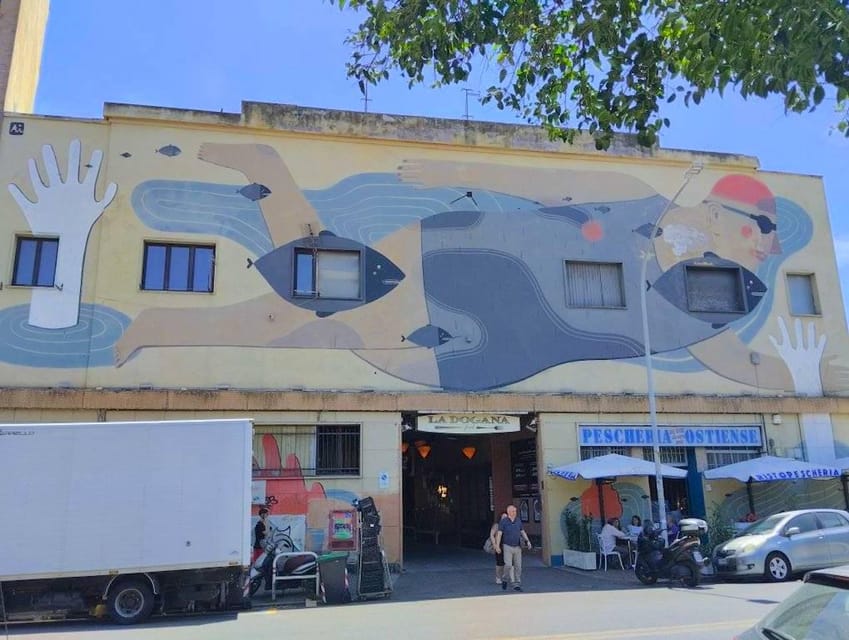
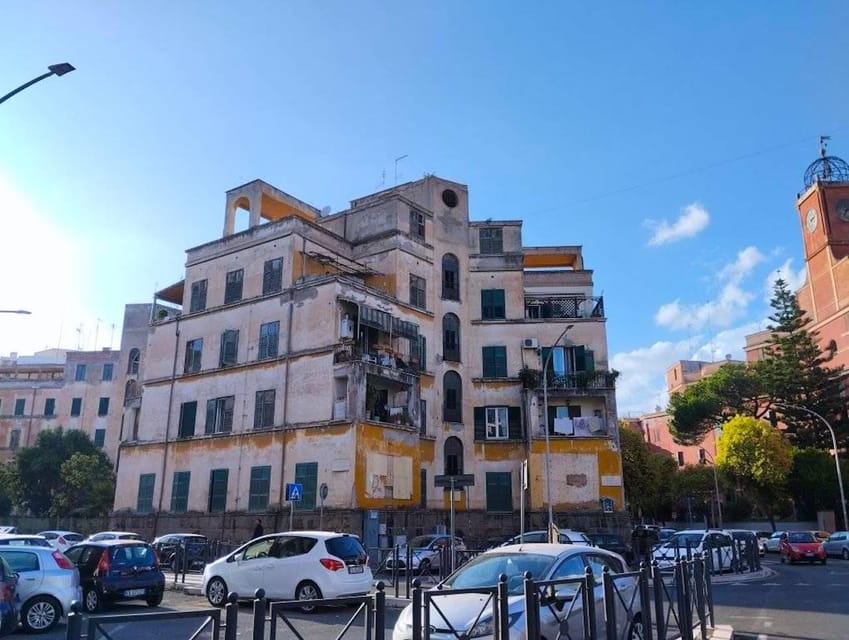
Garbatella is the first neighborhood on your route, and it’s a standout because it feels designed rather than improvised. You’ll get a chance to notice the built environment while you look at murals—this isn’t street art pasted onto random streets. The area’s character comes through, including a plan shaped by early 20th-century architects.
What you’ll do here is simple: walk, stop, look up, and listen. Lisa talks through the history of the area and then ties that story back to specific mural choices and the people who made them. You’re not just getting names on a wall—you’re getting the why behind the work.
Why this stop is worth your time
- You’ll see murals in a neighborhood setting, not behind museum glass. That makes the art feel more immediate.
- The stories add meaning to what you’re seeing—especially if you tend to skim over labels when you travel.
- You’ll also get time to admire Garbatella’s monuments alongside the artwork, which helps you keep the murals in context.
Optional add-on: if you feel like breaking the walking rhythm, there may be a chance to grab gelato during the tour. It’s not included, but the idea is there if you want a sweet pause.
Tor Marancia: An Open-Air Contemporary Art Feeling
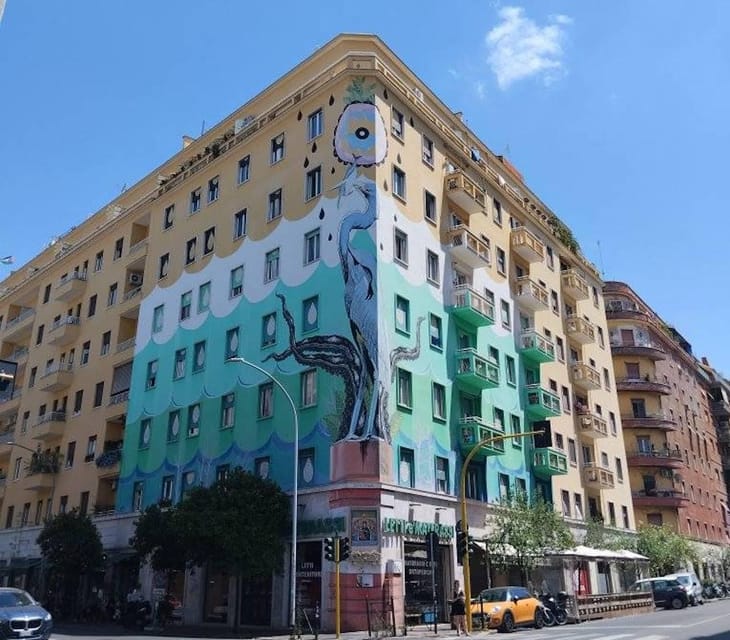
After Garbatella, you head to Tor Marancia, where the art shifts into a more contemporary, open-air museum vibe. This is where the tour stops start to feel like a gallery you can walk through—except the walls are living parts of the neighborhood.
You’ll tour the murals here as well, again with Lisa explaining the history and what you should notice. The goal isn’t just to count paintings. It’s to understand how the art fits the neighborhood’s identity, and how contemporary street art continues conversations that started long before the paint went up.
How this neighborhood works as a second half
- It changes the mood from the first area, so you don’t feel like you’re repeating the same street-photo loop.
- You’ll likely find mural styles and themes that feel different from what you saw earlier, which makes the tour feel like a real journey across Rome instead of one district only.
- It’s a reminder that modern Rome doesn’t only live on postcards—it also lives on brick walls and building facades.
And when you’re done with Tor Marancia, you don’t just head straight back. You return through more street art, with stories along the way that tie local history and culture together.
The Walk Itself: Pace, Distance, and Getting the Best Experience
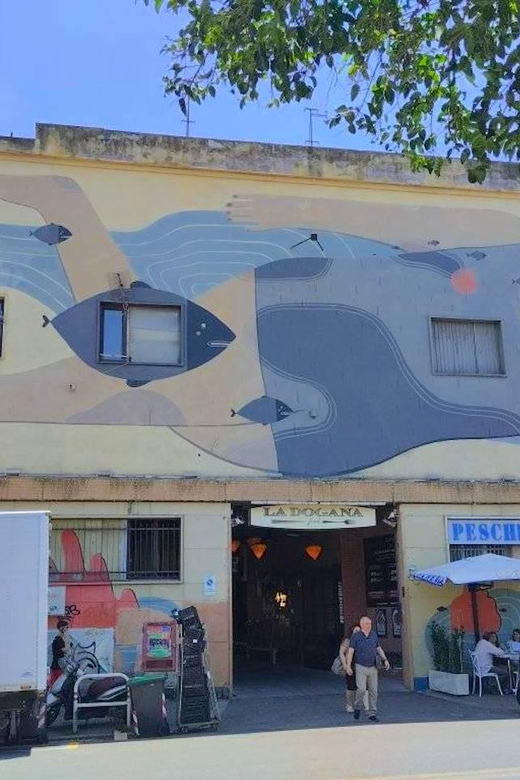
This tour is built as a ring walk of about 4 km. The duration is listed as 2.5 hours, and the itinerary also frames it as about 3 hours with the guided segment. Either way, it’s not an all-day commitment. It’s the kind of outing that fits nicely between bigger sight days.
What you’ll see is roughly 30 murals, split across two neighborhoods. That’s enough stops to keep things interesting, but not so many that you feel rushed the whole time. Still, you should expect frequent small stops for looking and listening.
To get the most out of it, treat the walk like a photo-and-notebook combo:
- Bring your camera, since you’ll want to capture the murals.
- But also take in the details in person. Street art can look very different once you’re close enough to see brushwork, layers, and placement on the building.
- Listen for what Lisa connects to each mural. The history piece is what turns “cool images” into “I understand what this is doing here.”
Weather note, without drama: it’s an outdoor experience. If rain or extreme heat is a factor, wear layers and plan for it. At minimum, follow the provided basics: shoes, hat in summer, and water.
You can also read our reviews of more tours and experiences in Rome

Price and Value: What $41 Buys in Rome
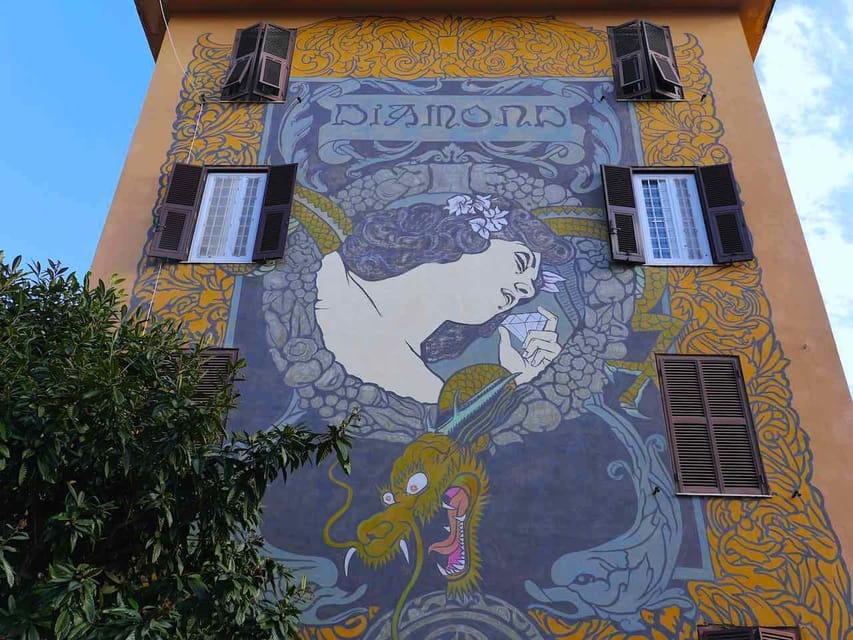
At $41 per person, you’re paying for a local-led walking tour with an English guide. That price makes the most sense if you care about street art as more than decoration. This isn’t a quick self-guided route; the value is the interpretation—especially Lisa’s neighborhood storytelling.
Here’s what you’re actually getting for your money:
- An experienced Rome local guide who was born and raised in the city
- A structured walk through two specific neighborhoods with curated mural stops
- About 30 murals with history and author context
- Time outdoors that helps you see Rome in a way you probably won’t if you only chase famous landmarks
If your travel style is mostly “show me, don’t explain,” you might find any guided portion adds less value. But if you enjoy understanding a place while you’re there, this is priced like an experience, not a ticket.
And because the walk loops back to Garbatella Metro, you’re not stuck arranging complicated transport later. That alone saves a bit of mental energy.
Who This Tour Fits Best (and Who Might Skip It)
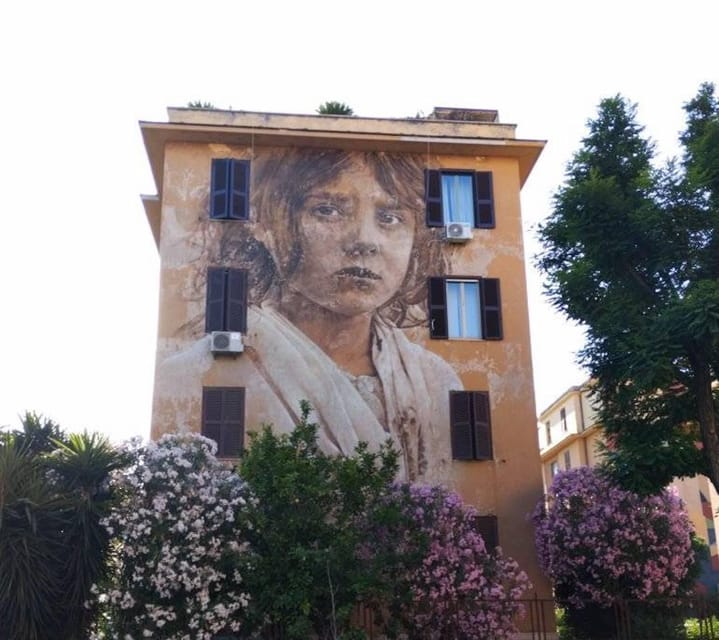
This is a great match if you:
- Want to see Rome beyond the big-name sights
- Like street art enough to care about authorship and meaning
- Enjoy neighborhood character—streets, monuments, and local culture—not just individual photos
- Prefer a guided route that gives you a narrative thread
It may be less ideal if you:
- Need mostly indoor attractions or limited walking
- Want only the most famous tourist sights in one day
- Don’t care about context and just want quick pictures
The good thing is that the tour is organized around two focused areas, so it doesn’t feel random. You come away with a clearer mental map of where the art lives and why it’s there.
Should You Book This Rome Street Art Tour?
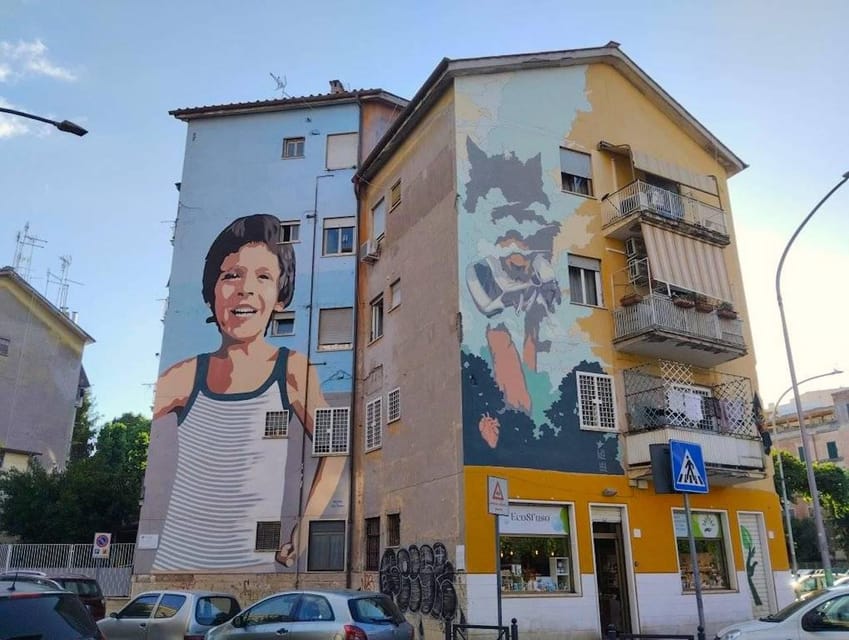
Book it if you want a genuinely different side of Rome—one where the city’s present-day voice shows up on walls, and where you can understand the neighborhoods that host the art. Lisa’s approach links murals to local history, which is exactly the difference between looking at street art and understanding it.
If you’re the type who loves walking with a purpose and spotting details up close, this should land well. And if you’re short on time but still want something that feels like real Rome, the 2.5-hour format is a strong fit.
FAQ
How long is the Rome street art tour?
The tour duration is listed as 2.5 hours (the guided tour segment is also shown as about 3 hours on the itinerary).
Where do I meet the guide?
Meet at the exit of the Garbatella Metro Station. As soon as you exit, there is a small colored amphitheater where the guide waits.
Which metro line should I take?
Use Metro Line B (the blue line) and get off at Garbatella.
Is the tour in English?
Yes, the live tour guide speaks English.
How much walking is involved?
You’ll do a ring walk of about 4 km, visiting two neighborhoods.
What should I bring?
Wear comfortable shoes. In summer, a hat is recommended. Bring a water bottle, since you’ll have a chance to refill it for free during the walk.
Is gelato included?
Gelato is not included, but you can stop for it if you want.