REVIEW · ROME
Rome in a day: walking through the Eternal City
Book on GetYourGuide →Operated by Roman Art and History · Bookable on GetYourGuide
One walk, two Rome moods. I like how this 4-hour stroll moves from Ancient power to Renaissance art, starting with Michelangelo’s Moses at San Pietro in Vincoli. The big advantage is the small-group feel that keeps stories moving. The one thing to plan for: Colosseum and Roman Forum entries/tickets are not included, so you’ll see them from outside unless you add tickets separately.
I also appreciate the way Luisa (your live guide) uses art and history to tell the city like a conversation, with gossips, secrets, legends, and funny moments woven into the route. You get to cover the main center highlights without doing a separate planning marathon for each stop.
One more consideration: this is a walking tour and it’s not set up for people with mobility impairments. Wear comfortable shoes, and note the dress rule of no sleeveless shirts so you don’t get turned away at church stops.
In This Review
- Key highlights you’ll feel on this walk
- Why this one-day walk works across Ancient Rome to the Renaissance
- Starting at San Pietro in Vincoli: Michelangelo’s Moses and a smart kickoff
- The Colosseum stop: what you see when entry tickets aren’t included
- Via dei Fori Imperiali and Capitoline Hill: power lines and political sightlines
- Pantheon time: marble, scale, and a short visit that lands
- Church stop plus Caravaggio talk: art with scandal energy
- Piazza Navona and Campo de’ Fiori: squares that feel like Rome, not checklists
- Price and value: is $94 for 4 hours worth it?
- Who should book this walk (and who should skip it)
- Quick planning tips so the tour feels easy
- Should you book Rome in a day?
- FAQ
- FAQ
- How long is the Rome in a day walking tour?
- Where do I meet the guide?
- Where does the tour end?
- Is the Colosseum entrance included?
- Is there a church visit included?
- How many people are in the group?
- What languages are offered?
- What should I wear or bring?
- Is this tour suitable for people with mobility impairments?
Key highlights you’ll feel on this walk
- Moses by Michelangelo first at San Pietro in Vincoli, setting the tone for Renaissance Rome
- A tight main-center loop that connects the Colosseum area to the Pantheon and major squares
- Luisa’s style of storytelling mixes history with entertaining anecdotes and city lore
- Art stop that ties to Caravaggio’s scandal legend through the church segment
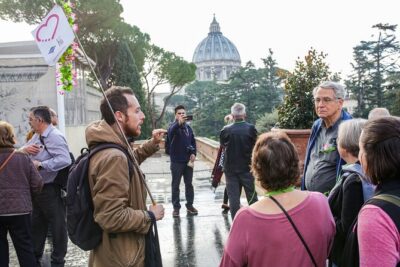
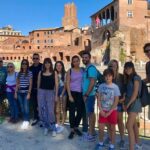
- Small group of up to 10 for a smoother pace and more back-and-forth with the guide
- Finish in Campo de’ Fiori so you’re close to the lively atmosphere right after the tour ends
Why this one-day walk works across Ancient Rome to the Renaissance
Rome can feel like a pile of monuments unless someone gives you a storyline. This tour does that job in about four hours, walking you through big eras back-to-back, so the city makes sense as a living timeline instead of random sightseeing.
I like that you’re not trapped in one theme. You’ll get architecture and art, yes, but also the human layer—what people believed, what went wrong, and why legends still get retold.
The pace is built for walking, not sitting. If you’re comfortable with lots of city-center footwork, you’ll leave feeling like you learned how Rome “fits together.”
You can also read our reviews of more walking tours in Rome

Starting at San Pietro in Vincoli: Michelangelo’s Moses and a smart kickoff
You begin at Basilica of San Pietro in Vincoli, where you meet in Piazza di San Pietro in Vincoli in front of the church. The first stop matters because it jumps you straight into Renaissance art, right before you head into the weighty Ancient Rome landmarks.
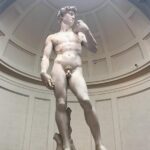
Michelangelo’s “Moses” is the kind of artwork that rewards a guided explanation. The scale, drama, and how the sculpture is discussed through its historical context make it more than a quick photo moment.
Also, your guide’s tone sets expectations. Luisa is repeatedly described as prepared and passionate, and it shows when she’s able to keep the energy up between big sights without turning the walk into a lecture.
Practical note: this is a church-focused start, so expect basic etiquette—keep the no sleeveless shirts rule in mind and plan what you’ll wear.
The Colosseum stop: what you see when entry tickets aren’t included
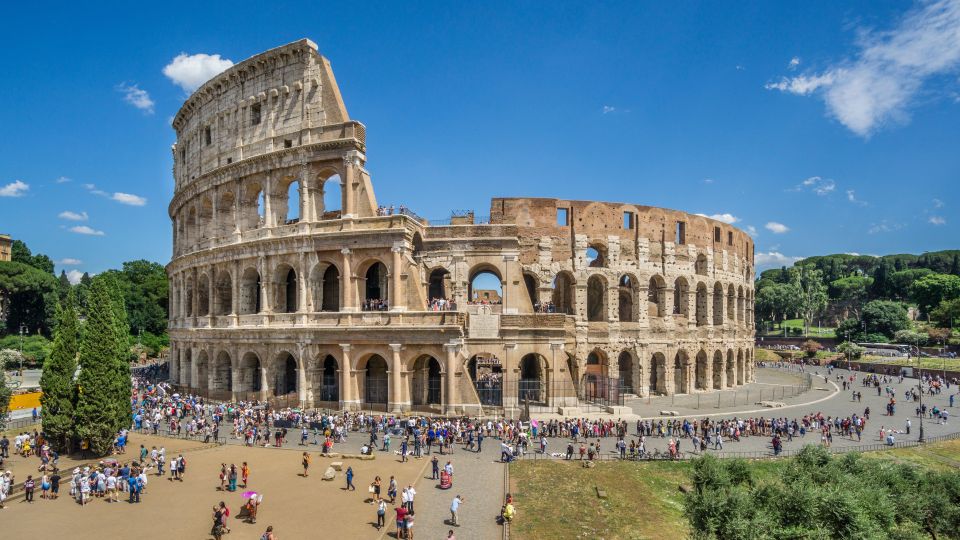
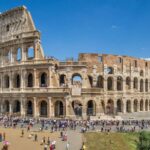
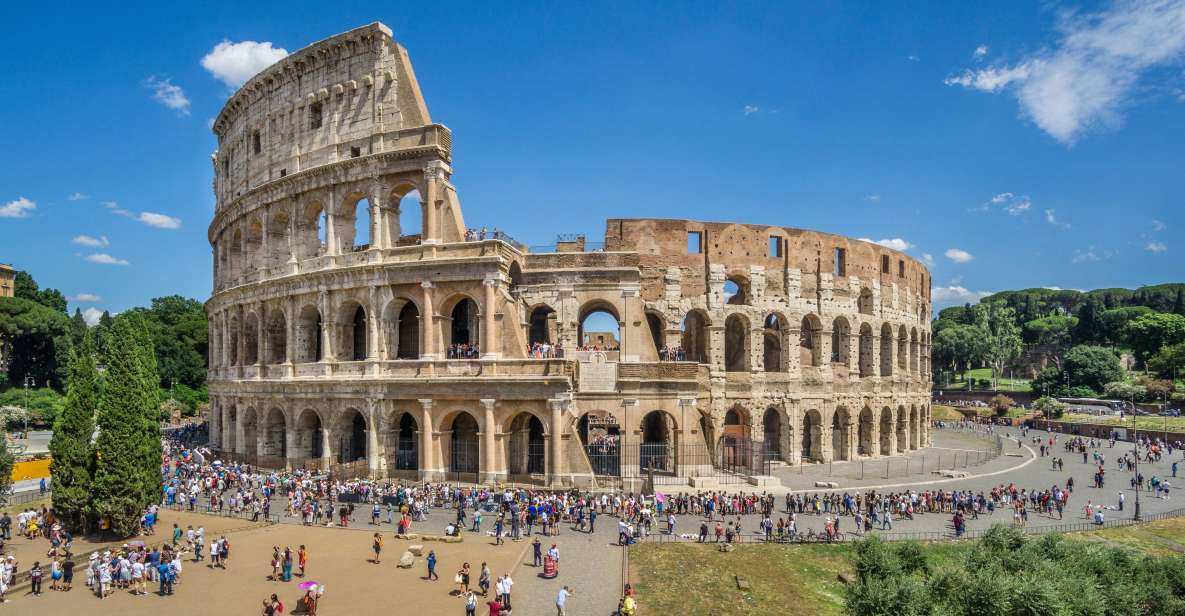
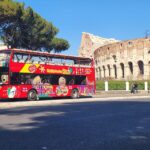
Next comes the Colosseum area, with about 20 minutes there. Since entrance and tickets aren’t included, this is best thought of as orientation plus context.
You’ll still get something valuable: you’ll see the Colosseum as an urban monument, placed in its surrounding city reality, and you’ll get the historical framing that helps you understand what you’re looking at.
If your goal is to actually go inside the Colosseum, you’ll need to add that on your own. The upside is timing: you can decide based on your interests and ticket access, instead of paying extra without knowing what you want.
Pro tip: even for an exterior visit, it helps to arrive with comfortable expectations. You’re here to connect the dots, not replace a full archaeological visit.
Via dei Fori Imperiali and Capitoline Hill: power lines and political sightlines
Then you head through Via dei Fori Imperiali, with guidance for about 20 minutes. This stretch is one of Rome’s best “big picture” corridors because it’s essentially a guided walk through how emperors and institutions lined up their statements in stone.
The value here is the way the route teaches you sightlines—how spaces relate, how movement shaped how people experienced power, and how the city’s layers sit on top of each other.
After that, you explore Capitoline Hill for around 20 minutes. Hilltop areas can feel like “just another viewpoint” unless you know what you’re looking for. With a guide like Luisa, this stops being scenery and turns into a lesson about why Rome built in certain places and what that choice meant.
And because this is a small group, it’s easier to ask a question and still keep the flow moving to the next major stop.
Pantheon time: marble, scale, and a short visit that lands
The tour brings you to the Pantheon for about 15 minutes. Even in a short stop, it’s enough time to orient yourself to what makes it famous, especially the famous dome—described in the tour as the biggest dome in marble ever built.
What I like about doing the Pantheon here, mid-walk, is that you’ve already seen enough Ancient Rome references to make the contrast click. When you stand in front of it after the Forum-area context, the Pantheon feels less like a random famous building and more like a master plan that Rome refined over time.
Because your time here is limited, you’ll want to focus on a few things: the scale from outside, the way the building holds attention, and the key takeaways from your guide’s explanation. In other words, don’t try to see everything twice in one stop.
If you’re hoping for a long interior hang, this isn’t that tour. It’s a “hit the essentials with meaning” style of visit.
You can also read our reviews of more city tours in Rome



Church stop plus Caravaggio talk: art with scandal energy
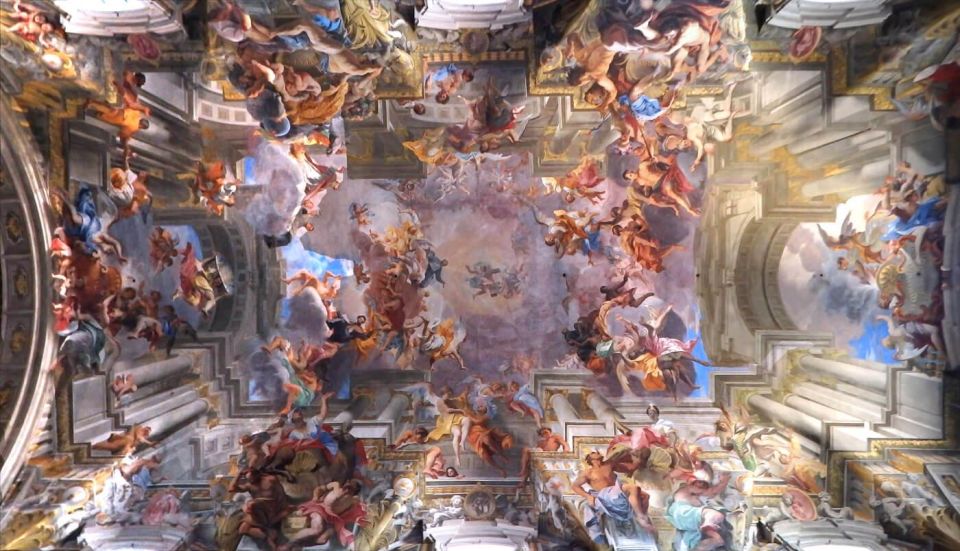
After the Pantheon, you get a church segment with guided time (around 20 minutes), at the Church of Sant’Ignazio di Loyola. This is where you trade pure sightseeing for a story you can’t forget.
The tour’s art angle includes the intrigue of Caravaggio and his life, described as scandalous, plus the mention of his painted trilogy tied to the S. Luigi church concept. Even if you’re not an art-history diehard, hearing it explained with this kind of personality makes the artwork feel less distant.
This part is also where Luisa’s conversational pacing shines. The best moment on days like this is when you stop memorizing facts and start understanding why people cared back then.
If you dress respectfully for churches and keep your attention switched on for the guide’s story, you’ll get more out of this stop than you’d expect from a short visit.
Piazza Navona and Campo de’ Fiori: squares that feel like Rome, not checklists
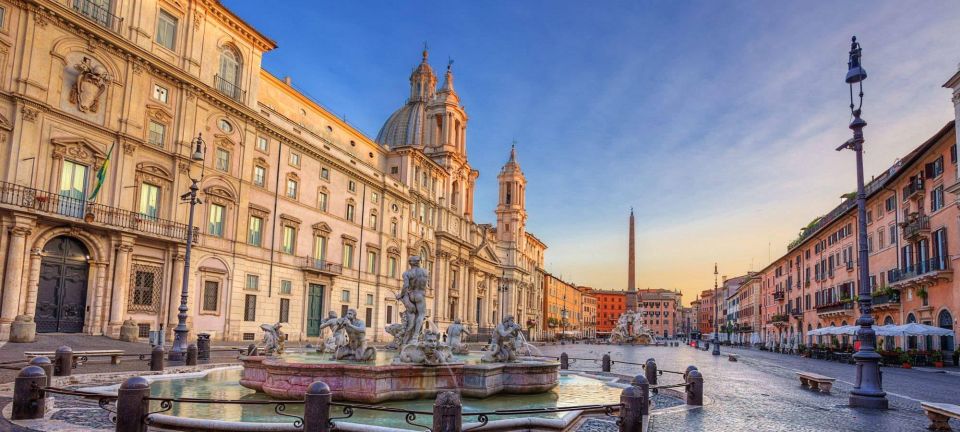
You reach Piazza Navona next, with about 20 minutes to take it in. This is one of the best-known squares in Italy, and it’s famous for a reason: it’s a stage. You’ll notice how the space shapes crowds and how buildings frame the square like a set.
After that, the tour ends at Campo de’ Fiori. Ending here is smart because you’re not dumped at a remote spot where you have to recover from the walk. Campo de’ Fiori is the kind of place where you can instantly keep the Rome experience going on your own terms.
Think of these final stops as your payoff. You’ve walked through the city’s backbone of eras, then you land where Rome’s everyday life and historic atmosphere overlap.
Price and value: is $94 for 4 hours worth it?
At $94 per person for about 4 hours, the value comes from what you’re getting that self-guided walking often misses: a coherent storyline and guided interpretation across multiple major stops.
Tickets can change the math. Since Colosseum and Roman Forum entrances aren’t included, the price is more about narration, pacing, and access to guided church time. If you want to go inside the Colosseum or Roman Forum, you’ll likely spend extra for those tickets, which can push the total cost up.
Still, the tour can be a good deal if you want:
- a fast overview of the center without spending your brain on routing
- context that makes each monument feel connected
- an English or Italian guide who keeps the energy lively for a full half-day
Small group size (up to 10) also matters here. Four hours with a large crowd can feel frantic. With fewer people, Luisa can slow down when it counts and keep the group together.
Who should book this walk (and who should skip it)
This tour is a great match if you want the “Rome in one walk” idea: big icons, major squares, and a guide who mixes history with the human stories that make the Eternal City feel alive.
It’s also ideal if you like conversational explanations between stops. The reviews highlight Luisa’s ability to talk smoothly in English, stay friendly, and bring personal passion to the area, plus entertaining details that don’t feel dry or stuck in a textbook mode.
Skip it if:
- you need mobility-friendly access, since it’s not suitable for people with mobility impairments
- you’re only interested in monument interiors, since Colosseum and Roman Forum tickets aren’t included
- you dislike walking and prefer a mostly indoor or transit-based plan
Quick planning tips so the tour feels easy
Bring comfortable shoes. Rome center streets can be hard on feet, and this is a walking-heavy format.
Dress for church stops: no sleeveless shirts. If you’re traveling in summer heat, plan a light layer you’ll actually want to carry.
Finally, keep your energy for the long arc. Four hours here isn’t an all-day “see everything” plan, but it is enough time to build momentum and finish with squares that feel like Rome, not a photo stop tour.
Should you book Rome in a day?
Yes, I’d book it if you want a guided “center of Rome” loop that connects Ancient Rome landmarks to Renaissance art in one half-day, with Luisa’s lively explanations and entertaining anecdotes doing the heavy lifting. The small group size makes it feel personal, and the route hits the key points most people want to understand.
Book it only with a clear goal about entrances. If your top priority is going inside the Colosseum or the Roman Forum, plan to add those tickets separately, because this walk is built around views and guided context rather than timed monument entry.
If you’re the type who likes learning while walking and you want Rome’s famous sites to come with stories, this one-day route is a solid value.
FAQ
FAQ
How long is the Rome in a day walking tour?
The tour lasts 4 hours.
Where do I meet the guide?
You meet at Piazza di San Pietro in Vincoli, in front of the church.
Where does the tour end?
The tour ends at Campo de’ Fiori.
Is the Colosseum entrance included?
No. Entrance and tickets for the Colosseum and Roman Forum are not included.
Is there a church visit included?
Yes. The tour includes a church visit during the walking experience.
How many people are in the group?
The group is small, limited to 10 participants.
What languages are offered?
The live guide speaks English and Italian.
What should I wear or bring?
Bring comfortable shoes. Sleeveless shirts are not allowed.
Is this tour suitable for people with mobility impairments?
No. It is not suitable for people with mobility impairments.