REVIEW · ROME
Rome: Historic Squares Guided Walking Tour
Book on GetYourGuide →Operated by Estaalia · Bookable on GetYourGuide
Rome’s squares hit different at walking pace. This 2-hour guided route strings together the city’s most famous stops with a real sense of how they connect. You start in Piazza del Popolo, then move through the Spanish Steps, the Trevi Fountain, the Pantheon, and end at Piazza Navona, with a licensed English-speaking guide leading the way.
I especially like the way the guide turns famous photo spots into a working map. You get “secrets” at Popolo, the long-running coin tradition at Trevi, and clear explanations that make the Pantheon feel less like a landmark and more like a solved puzzle.
One drawback to plan around: it’s a short but steady walk, and it’s not set up for mobility impairments or wheelchair users. If you’re coming with large bags, you’ll also need to leave them behind since luggage or large bags aren’t allowed.
In This Review
- Key highlights I’d bet on
- A 2-Hour Rome Route That Actually Feels Like Rome
- Starting at Santa Maria del Popolo: The Walk Begins With Clarity
- Piazza del Popolo: Where “Secrets” Make the Square Click
- Piazza di Spagna and the Spanish Steps: Best for People-Watching
- Trevi Fountain: Baroque Masterpiece With a Simple Tradition
- Pantheon: When Rome’s Engineering Takes Over the Conversation
- Piazza Navona: A Friendly Finish With Bernini’s Fountains
- Price and Practical Rules: What $29 Really Buys You
- Should You Book This Rome Historic Squares Walking Tour?
- FAQ
- Where is the meeting point for the tour?
- How long is the Rome Historic Squares guided walking tour?
- How much does the tour cost?
- Is entry to the attractions included in the price?
- What languages are the guides available in?
- What should I bring?
- Is the tour suitable for wheelchair users or people with mobility impairments?
- Are luggage or large bags allowed?
Key highlights I’d bet on
- Licensed English-speaking guide who can answer questions in real time (and you’ll also hear French and Spanish on the route).
- About 20 minutes at each major square so you don’t rush past everything.
- Piazza del Popolo secrets that help you see the place beyond the obvious views.
- Trevi Fountain coin toss tradition, plus Baroque context so it lands as more than a snapshot.
- Pantheon engineering focus that gives the building a clear “how it works” angle.
- End at Piazza Navona with Bernini’s fountains and the lively café-and-street vibe.
A 2-Hour Rome Route That Actually Feels Like Rome
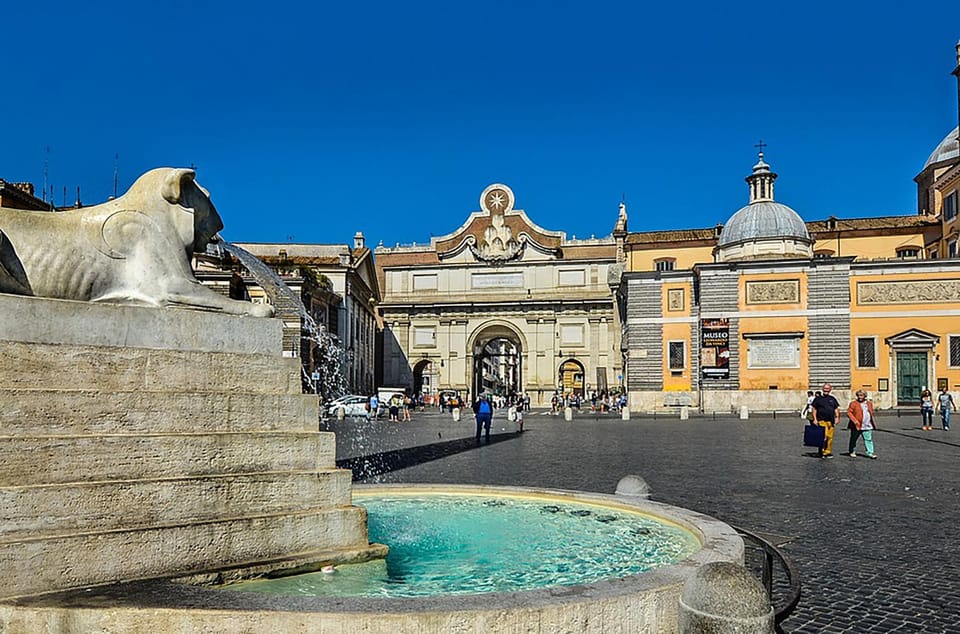
Rome’s center can be chaotic. This tour keeps it simple: a tight loop of landmark squares, paced so you can look around without sprinting. You’re not stuck waiting around for entry times, because the big sights are right in public space.
For me, the real value is the guided order. Seeing Piazza del Popolo, then walking to Piazza di Spagna, then Trevi, and finishing at the Pantheon and Piazza Navona builds momentum. By the time you reach the final square, you’re not just seeing places—you’re getting how Rome’s layout tells its own story. Even the “small gossip” style of the commentary (a friendly sidebar type of storytelling) makes the walk easier to enjoy, especially if you’re visiting for the first time.
There’s also a practical win: you’re paying for interpretation more than logistics. At $29 per person for a walking tour with a licensed guide, it’s a straightforward way to get context without turning your day into a ticket-collecting contest. The tradeoff is that entry fees to attractions aren’t included—so if you want to go inside monuments, you’ll handle those separately.
You can also read our reviews of more walking tours in Rome


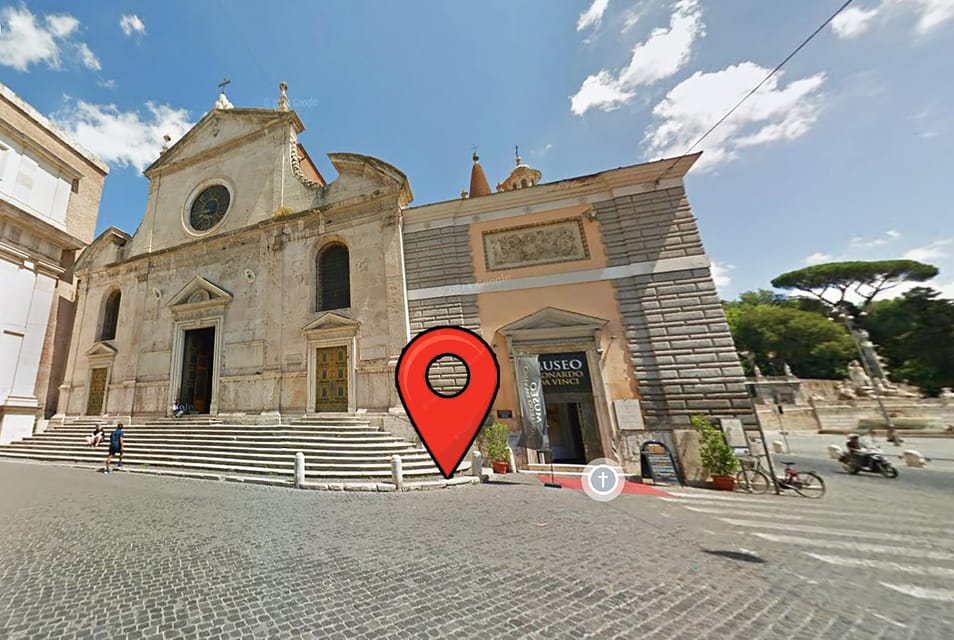
Starting at Santa Maria del Popolo: The Walk Begins With Clarity

You meet in Piazza del Popolo, right in front of the Church of Santa Maria del Popolo. Your guide is holding a sign with the company name, so you can find them quickly without wandering.
That start matters. Piazza del Popolo is one of those Rome places where everything looks important, but you still need a mental framework. A good guide gives you that in the first moments—what to notice, what lines up visually, and how the square connects to the rest of your route.
Bring comfortable shoes. The tour involves a moderate amount of walking, and the total time is 2 hours—so you’ll feel it by the end. Water is also a good idea. Rome gets hot, and even in cooler months, you’ll want enough energy to keep looking up at façades and down at street details.
One small rule I’m glad the tour includes: no sleeveless shirts. It’s the kind of simple dress code that prevents awkward slowdowns near religious buildings and nearby entrances.
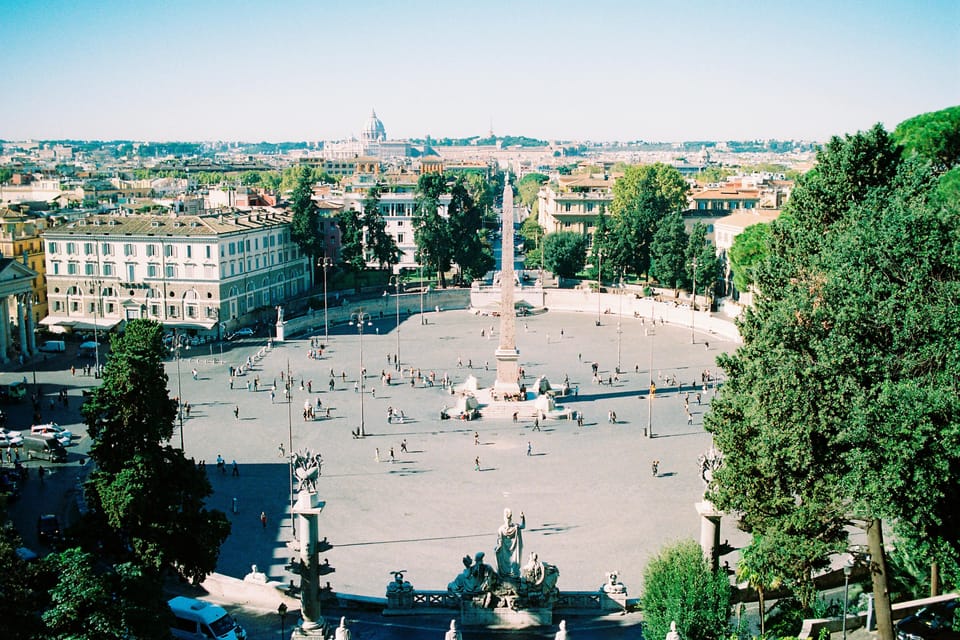
Piazza del Popolo: Where “Secrets” Make the Square Click
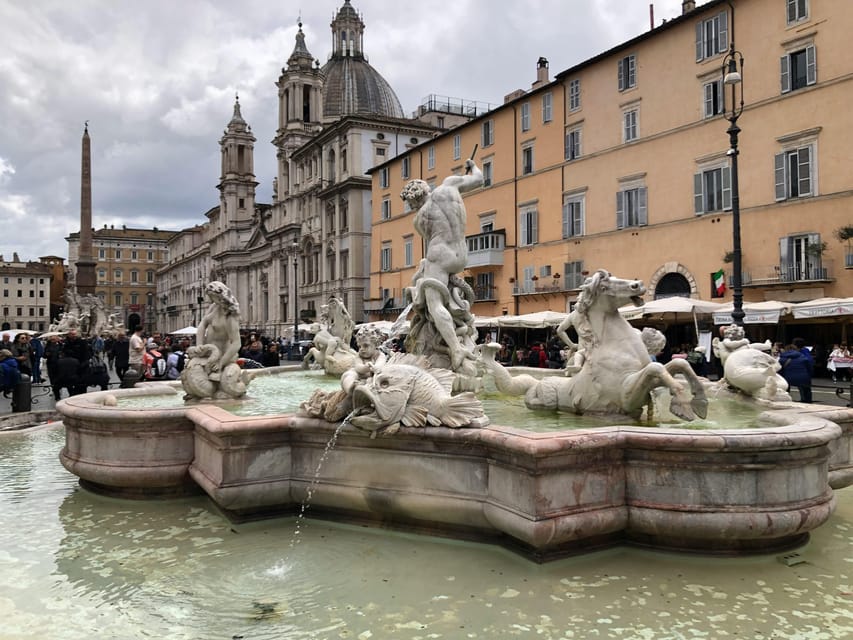
Piazza del Popolo is famous, but it can still feel like a postcard until someone helps you read it. This is where the tour starts, and that’s smart. You get the guide’s take on the square—its layout, why it became important, and what to notice as you stand there instead of just taking pictures and moving on.
This stop is also great for families and mixed-age groups because it’s visually rewarding right away. Guides like Antonio have been praised for solid city-history knowledge and patience with questions. That’s a real quality-of-life thing on a first visit: when you can ask something and get a clear answer, the walk feels like it’s working for you.
Possible consideration: if you’re the type who hates waiting even a little, plan for the 20-minute guided segment. You’ll have time to look around on your own, but the guide will keep it structured.
If you want to stretch your legs without breaking the tour rhythm, stand in a spot where you can see multiple directions. Piazza del Popolo gives you great perspective for orienting yourself before the route moves toward the Spanish Steps.
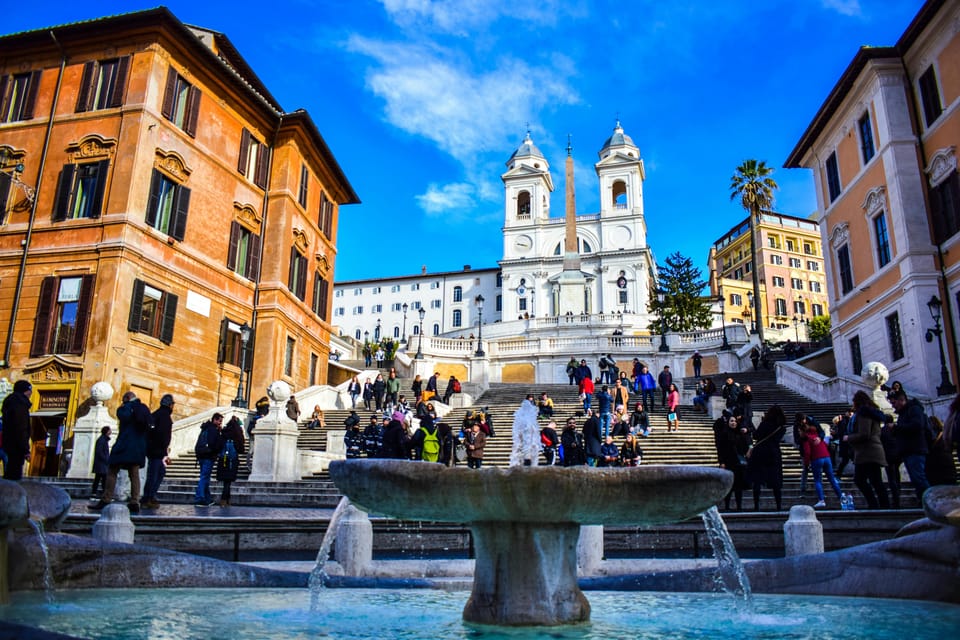
Piazza di Spagna and the Spanish Steps: Best for People-Watching
The tour moves from Piazza del Popolo to Piazza di Spagna, and you land right where the famous Spanish Steps pull everyone in. Here’s where the guided time helps: you’re not just watching crowds climb. You’re learning what makes the space visually meaningful and how it fits into Rome’s broader streetscape.
This is a good stop for timing. The Steps can be packed, and that can either ruin your photos or make the place feel alive. Either way, you’ll get more enjoyment with a guide because you’ll know where to look for lines, viewpoints, and the small details people miss when they’re only focused on the steps themselves.
From what I’ve seen in guide feedback, Sarah in particular has been described as both friendly and interesting, and she’s also given practical advice for how to use your remaining time in Rome. So while the tour is short, it often becomes a launchpad for what you do next—where to go, what to skip, and how to pace yourself.
Trevi Fountain: Baroque Masterpiece With a Simple Tradition
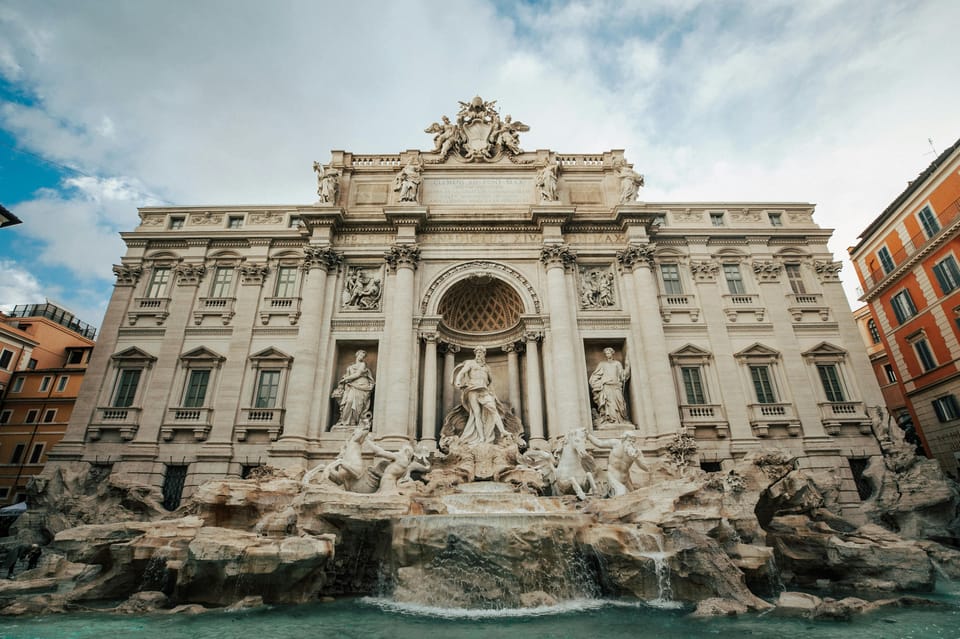
Then comes the Fontana di Trevi. It’s labeled as a Baroque masterpiece on the tour, and the guide’s job is to make sure you’re not only there for the famous fountain shot. You’ll get a structured moment to appreciate what you’re looking at, and you’ll also take part in the age-old tradition of tossing a coin into the fountain.
That coin ritual is exactly why Trevi works with a guided tour. It’s an easy activity, but it also gives you a chance to slow down. You’ll have a reason to wait your turn calmly, look at what’s in front of you, and notice more than just the crowd.
One practical note: at Trevi, crowds can make your experience feel either seamless or annoying. This tour’s value is that you’re not trying to figure it all out while you’re stuck in the busiest spot. You’re there with a plan and a guide who keeps the pace moving.
If you want a slightly more comfortable experience, wear shoes you can stand in and keep water handy. The fountain itself is iconic, but your body is the real limiting factor if you’re unprepared.
You can also read our reviews of more guided tours in Rome






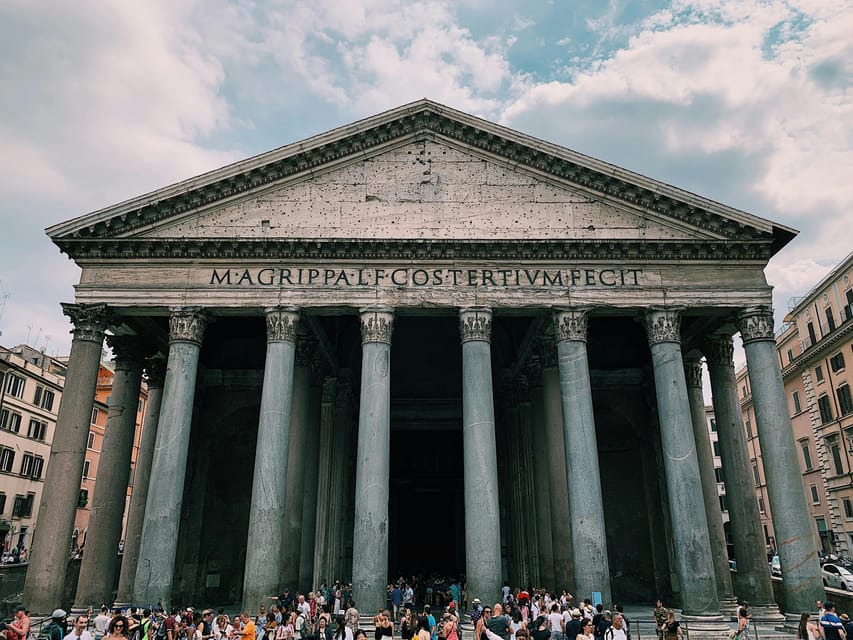
Pantheon: When Rome’s Engineering Takes Over the Conversation
Next up is the Pantheon. The tour frames it as a testament to ancient Roman engineering and architectural genius, and that’s the right approach. This stop isn’t just about how it looks. It’s about what the space teaches you when you take a moment to understand why it’s so famous.
The guided approach matters here. Without context, you can end up treating the Pantheon like another big building on the map. With a good guide, you’ll start noticing how the design shapes your experience—how the structure pulls you in, and why people keep returning to this location for centuries.
The tour holds this stop to a guided 20-minute window, which is useful. You’ll get enough time to absorb the essentials without feeling like you’re stuck for hours. Still, it’s enough to ask questions—if you’re curious about how the place works, now’s the time to ask, not later when you’re tired.
Possible drawback: if you were hoping for long time inside the monument, remember entry fees are not included. The tour focuses on the guided visit and sightseeing time, so you may need extra time and tickets if you want more than the exterior/quick visit.
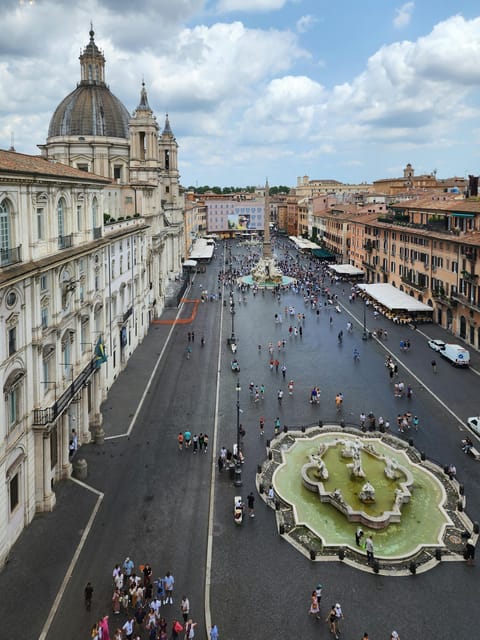
Piazza Navona: A Friendly Finish With Bernini’s Fountains
You end at Piazza Navona, and it’s a strong finish. The tour highlights Bernini’s magnificent fountains and the surrounding area—cafés, street performers, and that classic Rome feeling where people seem to linger for one more song, one more espresso, one more look.
This is a smart way to close a short walking tour. Ending somewhere lively gives you a natural next step: you’re not forced to immediately leave for your next destination. You can sit down, decompress, and decide what kind of Rome you want next—relaxed café time or a continuing walk.
The 20-minute guided segment here is long enough to appreciate the fountains and get context, but short enough that you still have time to wander after the tour ends. If you’re traveling as a family, this ending also tends to work well since the street scene keeps things interesting for kids and teens without requiring museum stamina.
A tip: save a little energy for this last area. It’s easy to spend your attention rushing from one famous stop to another, but Piazza Navona rewards a slower pace. Even if you don’t stay long, standing near the fountains and watching the movement helps everything you learned earlier “land.”
Price and Practical Rules: What $29 Really Buys You
At $29 per person for a 2-hour walking tour with a licensed English-speaking guide, you’re buying structure and context. You’re not paying for entry fees, and you’re not paying for transportation because this is a walk-based experience.
That’s why it’s good value if your priority is learning and orientation. The “top squares” list is impressive, but the more important part is the guide’s ability to connect them with explanations. When guides like Antonio are noted for patient answers, and Sarah is praised for friendly, interesting explanations and extra tips, that quality is what makes the price feel fair.
Here’s what you should plan around:
- Wear comfortable shoes. This is a walking tour with moderate walking.
- Bring water.
- Skip large bags. Luggage or large bags aren’t allowed.
- Don’t plan on sleeveless tops.
- If you want interiors or paid sights, budget entry fees separately.
One more factor: the tour isn’t suitable for people with mobility impairments or wheelchair users. That’s a genuine constraint, not a minor inconvenience. If mobility is an issue, you’ll likely be happier with a different format.
As for flexibility, free cancellation is offered up to 24 hours in advance, and you can reserve now and pay later, which helps if your Rome plans are still shifting.
Should You Book This Rome Historic Squares Walking Tour?
Book it if you want a clean, efficient way to see major sights with a guide who answers questions and adds practical tips. This is especially appealing when you’re short on time, because the 2-hour format hits five landmark anchors—Popolo, Spanish Steps, Trevi, Pantheon, and Navona—without making you feel like you missed the whole day.
I’d also lean toward booking if you like your Rome with a human voice. The guide feedback I’ve seen points to clear explanations, patience, and small, friendly “insider” storytelling. That combo helps you move through crowds without feeling lost.
Skip it if you:
- need wheelchair-friendly routes,
- want long museum-style stays,
- or plan to rely on the tour for paid-entry access.
If you’re okay with moderate walking and you’re aiming for smart orientation plus iconic sights, this is one of the easier ways to get the most from a first visit to Rome’s center.
FAQ
Where is the meeting point for the tour?
You meet in Piazza del Popolo, in front of the Church of Santa Maria del Popolo. Your guide will be holding a sign with the company name.
How long is the Rome Historic Squares guided walking tour?
The tour lasts 2 hours.
How much does the tour cost?
The price is $29 per person.
Is entry to the attractions included in the price?
No. Entry fees to attractions are not included.
What languages are the guides available in?
The live tour guide is available in French, English, and Spanish.
What should I bring?
Bring comfortable shoes and water.
Is the tour suitable for wheelchair users or people with mobility impairments?
No. It is not suitable for people with mobility impairments or wheelchair users.
Are luggage or large bags allowed?
No. Luggage or large bags are not allowed, and sleeveless shirts are also not allowed.