REVIEW · ROME
Rome: Vatican Museums, Sistine Chapel, and Basilica Tour
Book on GetYourGuide →Operated by Buonjorno Tours Ltd · Bookable on GetYourGuide
Vatican crowds don’t stand a chance. I like the skip-the-line setup and how the tour keeps the focus on the big visual payoffs like the Sistine Chapel. My one watch-out: it’s a fast, indoor route, so if you hate crowds or need lots of slow time, this pace may feel tight.
This tour is built around a 3-hour, English-led plan with an art-historian style guide and small groups (up to 12 on small-group options, up to 20 on larger ones). You’ll cover the Vatican Museums and then either St. Peter’s Basilica or the Raphael Rooms if the basilica can’t be visited that day.
Key things to know before you go
- Separate entrance, fewer queues: You skip the main ticket lines for smoother entry.
- Two likely endings: St. Peter’s Basilica if open; otherwise you’ll go to the Raphael Rooms.
- Timed museum highlights: Gallery of Tapestries and Gallery of Maps get short, high-impact stops.
- Sistine Chapel with context: A guide frames what you’re looking at during the 30-minute visit.
- Dress rules are real: Cover knees and shoulders, or you can be refused entry.
In This Review
- How this Vatican tour route saves your time
- Meeting at Viale Vaticano 100 (and the one thing to double-check)
- Gallery of Tapestries: the smart warm-up before the big rooms
- Gallery of Maps: where the Vatican’s geography turns into a lesson
- Vatican Museums main stretch: what you’ll actually get in 40 minutes
- The Sistine Chapel: expect rules, stillness, and better reading of the ceiling
- St. Peter’s Basilica or Raphael Rooms: how the plan adapts
- Group size and pace: great for first-timers, not ideal for slow days
- Dress code and rules that can block you at the door
- Price and value: why $89.72 can make sense
- Who should book this Vatican Museums, Sistine Chapel, and Basilica tour
- Tips to make it feel smoother on the day
- Should you book this tour?
How this Vatican tour route saves your time
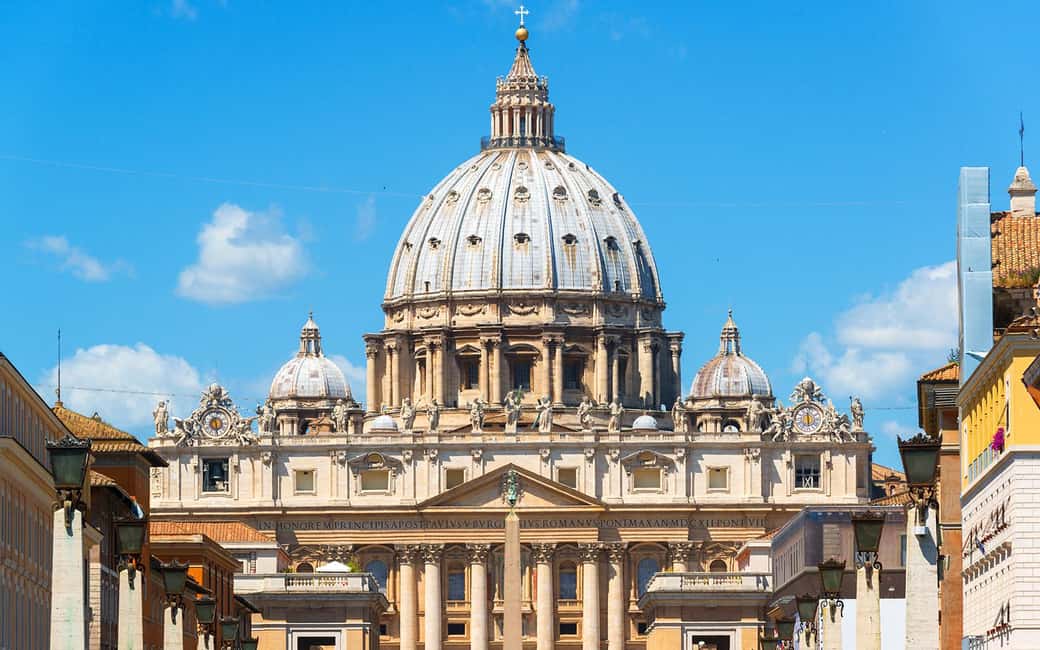
The Vatican can feel like a maze with a line attached. This format is smart because it buys you time where time disappears: museum entry and the long “get inside first” bottleneck. Instead of spending half your day figuring out where to queue, you start with a guided flow that keeps moving through the most famous areas.
Another reason I like this approach: it’s not just a museum list. You’re led by a professional guide (described as an art historian), and the tour ties together rooms and artworks so you understand why they matter. That matters in the Vatican, where it’s easy to get surrounded by masterpieces and still walk out feeling foggy.
The route is also realistic about what you can do in 3 hours. You’re not trying to “see everything.” You’re seeing the highlights that most people came for, with enough explanation to make the images stick.
Meeting at Viale Vaticano 100 (and the one thing to double-check)
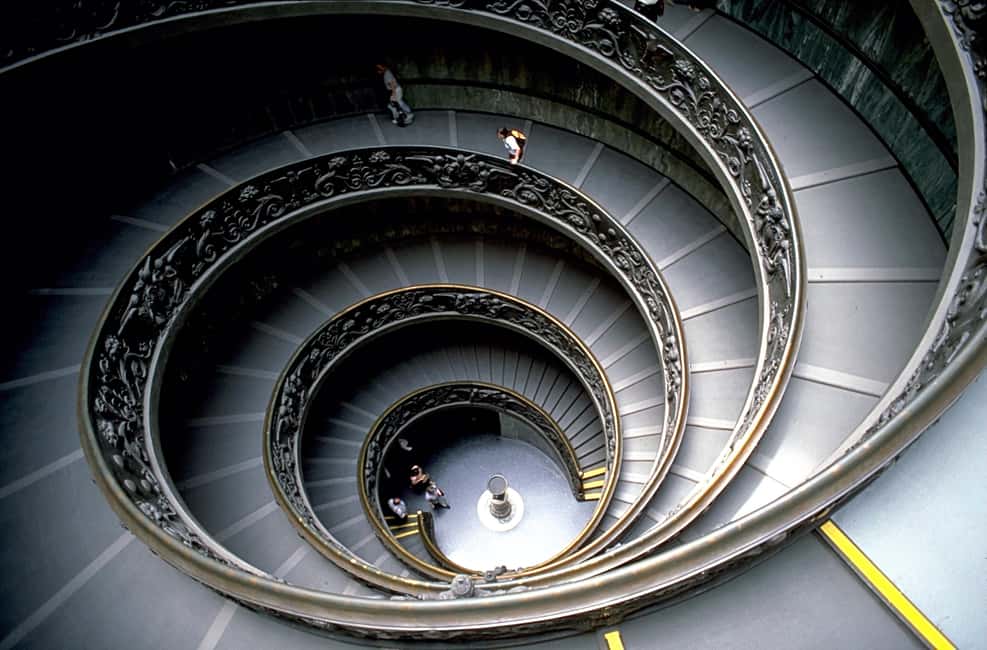
Your start point is Viale Vaticano, 100, near Café Vaticano at the top of the stairs. The guide should be holding a sign that says Buonjorno Tours.
That sounds simple, but here’s the practical tip that can save stress: on days when crowds swell, it’s easy to arrive and find a different operator name or meeting label. If you don’t see the exact sign, don’t wander inside the wrong lobby and hope. Look again at the top of the stairs area and confirm the sign before you walk off.
You’ll return to the same meeting point at the end. So if you plan an after-tour snack or sightseeing, you have a clear “back to the start” anchor.
You can also read our reviews of more museum experiences in Rome



Gallery of Tapestries: the smart warm-up before the big rooms
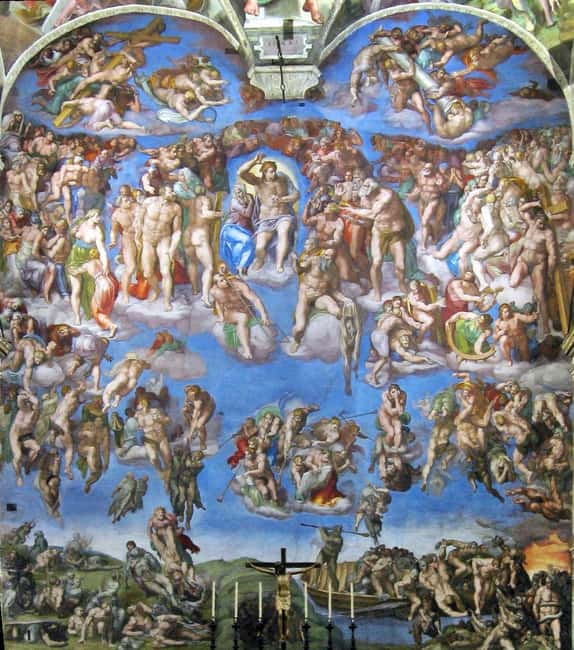
The itinerary includes a 20-minute stop at the Gallery of Tapestries. This is a good choice as a warm-up because it slows you down just enough to reset your eyes after the outdoor bustle.
Tapestries are easy to overlook in a place famous for paintings and frescoes. But they also change how you read the Vatican’s story. You start seeing how art served religion, power, and public messaging across centuries—not just as decoration.
In a short time window, the guide’s job is to help you focus on the key scenes and recurring themes instead of trying to absorb every inch. That’s why tours like this work: they turn a quick stop into something you actually remember.
Gallery of Maps: where the Vatican’s geography turns into a lesson
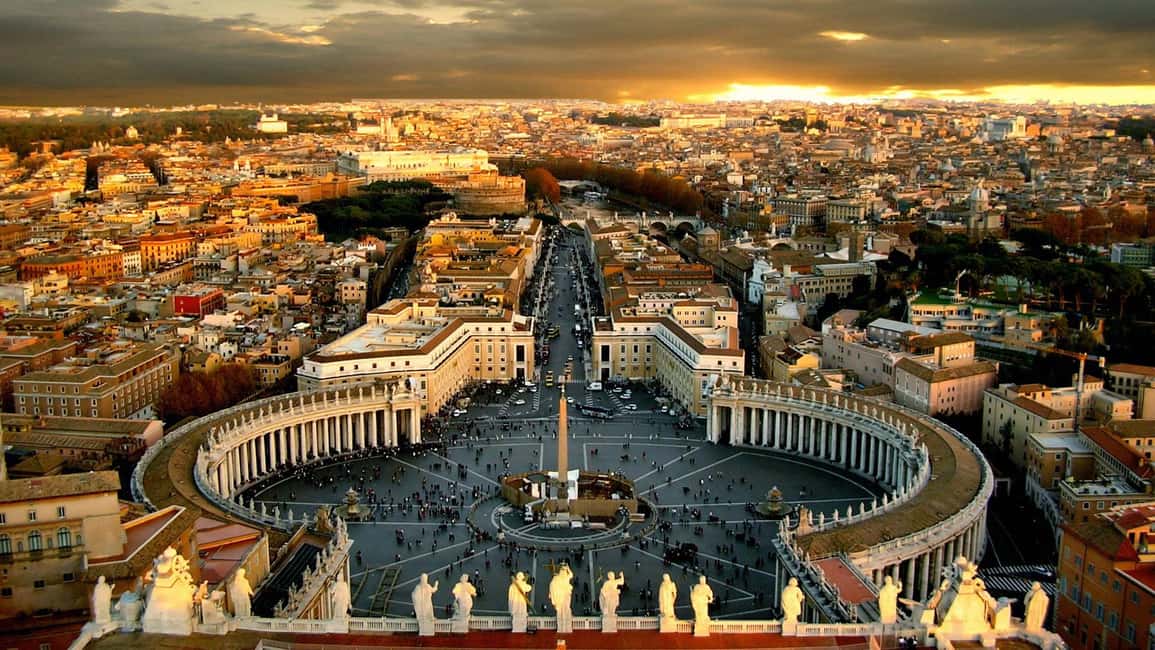
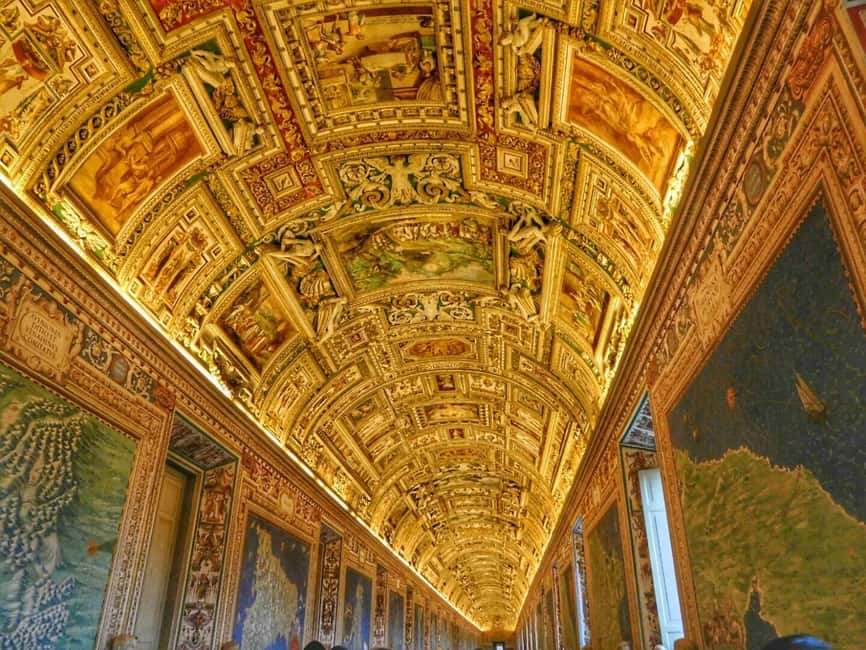
Next is another 20-minute stop at the Gallery of Maps. Even if you’re not a cartography person, this room can feel surprisingly fun because it’s visual and tightly composed. The guide can connect what you’re seeing to how this place thought about the world in earlier centuries.
A practical note: since it’s a busy, indoor corridor-type space, you may feel like you’re moving with a crowd. Keep your phone away for this one until you’re positioned. Getting constant photos can waste time that the guide uses for interpretation.
This stop also helps break up the day. After the museum rooms, you’ll want your brain fresh for the Sistine Chapel, where concentration and stillness are part of the experience.
Vatican Museums main stretch: what you’ll actually get in 40 minutes
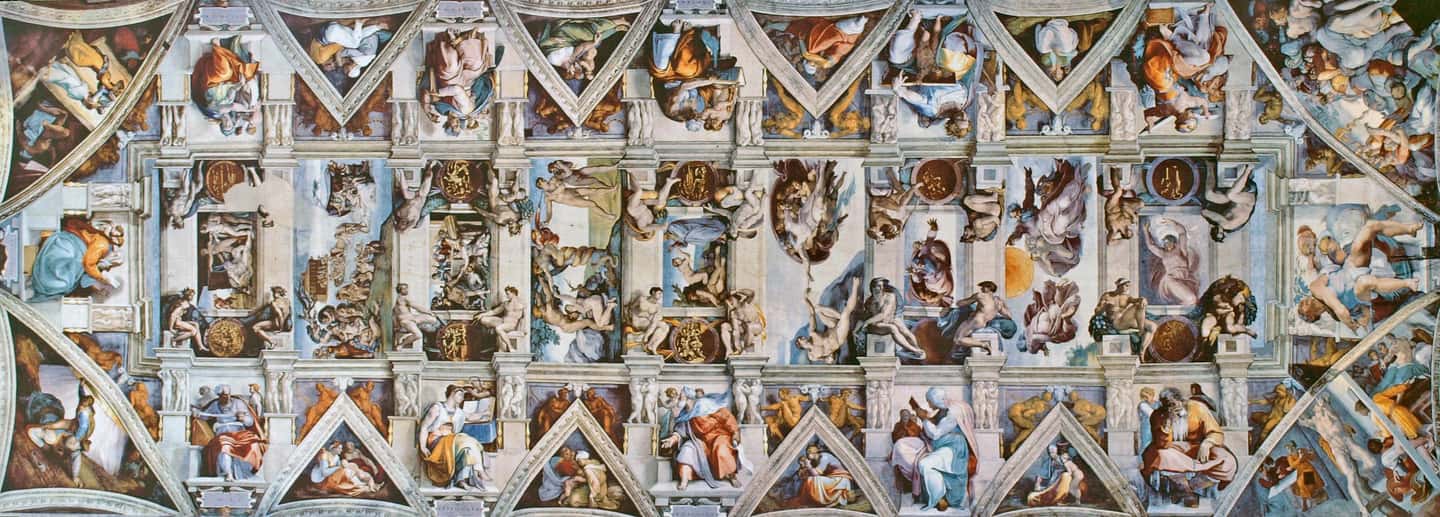
The tour includes about 40 minutes at Vatican Museums as a broader stop. Here’s the deal: you won’t cover everything in that time. The value is in guided selection—what to notice, what to skip, and how to connect the images you pass.
This is one of those “good pacing” tours. You’ll move through enough areas that you feel you had a real museum experience, but you won’t get the tired, slightly lost feeling that can happen when you self-tour with limited time. In places like the Vatican, choosing the right highlights is a skill, and that’s what you’re paying for.
If you love long, slow wandering, you might still want extra time on your own afterward. But for a first visit, this time slice is a solid hit of major art without swallowing your whole day.
The Sistine Chapel: expect rules, stillness, and better reading of the ceiling
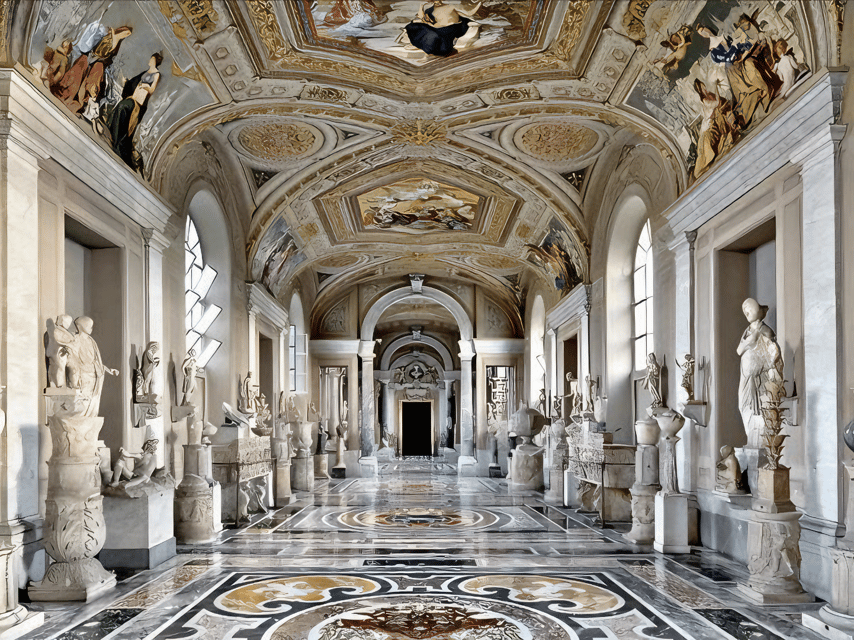
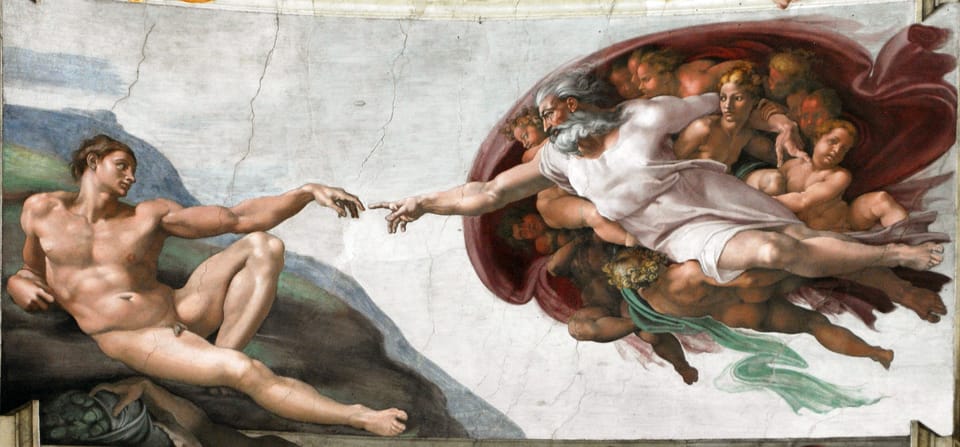
Your Sistine Chapel stop is guided for about 30 minutes. This is the part most people picture when they book, and the guidance can make a huge difference. Without context, it’s easy to stare upward and still miss the structure: how sections relate, what each scene is doing, and how the overall scheme is organized.
Also, the Sistine Chapel is not the place for chaos. You’ll be moving with the group and following guidance on where to stand. If you’re tempted to run around for the best angle, try to resist. You’ll lose the flow the guide is setting up.
If you want a sign that this tour type works: guides on this route are often praised for being energetic, funny, and serious about explaining what you’re seeing. In past tours, both Tania and Manuel stood out for that mix of friendly energy and clear guidance, which helps you stay engaged even when the room is crowded.




St. Peter’s Basilica or Raphael Rooms: how the plan adapts
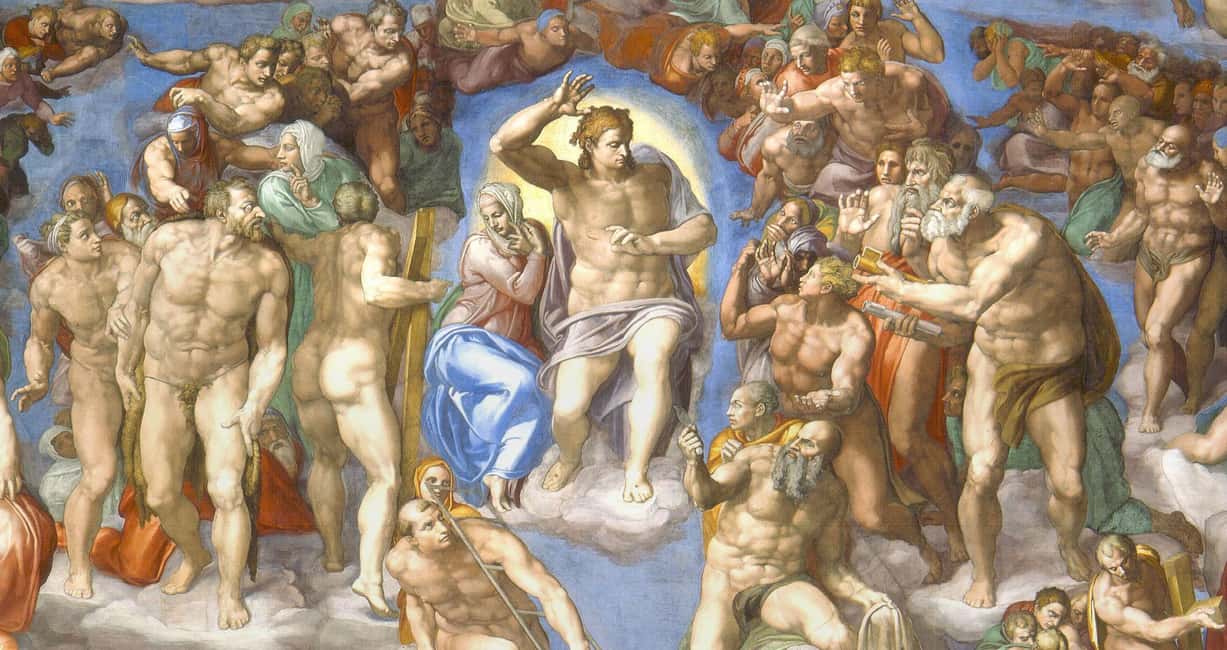
The last “big finale” is either St. Peter’s Basilica or the Raphael Rooms. If St. Peter’s Basilica is closed last minute for private services, your guide will take you to the Raphael Rooms instead, so you’re not left with only the museums.
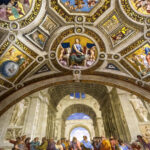
This flexibility is valuable because St. Peter’s can change. Having a built-in alternative keeps your visit from feeling incomplete. The Basilica is the heart of Christianity in this complex, and it’s the logical “end scene” for many itineraries. But the Raphael Rooms are also major art territory, with fresco-heavy rooms that reward close looking.
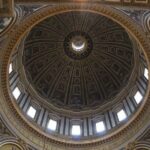
One key detail: the dome is not included. So even if you do enter St. Peter’s Basilica, you’re not automatically getting the dome experience. If you want dome views, you’ll need to plan that separately.
Group size and pace: great for first-timers, not ideal for slow days
This is a small-group tour, up to 12 for the small-group option or up to 20 for larger groups. That size is a real factor. Too-big groups can turn the guide’s explanations into mumbling and the museum into a shuffle. Here, the intent is to keep you close enough to hear and follow.
The pace is still fast. You’ll have short guided windows at each stop, which is great when your goal is highlights in a limited time. It can feel “busy” if you prefer unhurried strolling.
So I’d frame it like this: this tour is for getting your bearings fast and leaving with a clear mental map of the Vatican’s most famous artistic moments. If you want quiet, long staring, you may have to add extra free time outside the group tour.
Dress code and rules that can block you at the door
The Vatican is strict about dress. Knees and shoulders must be covered for men and women, and you can be refused entry if you don’t comply. That means avoid shorts, short skirts, and sleeveless shirts.
You’re also expected to bring ID: a passport or ID card is required, and copies (including physical or electronic) are accepted. You should also bring copies for children if relevant.
Beyond clothing, there are limitations for comfort and mobility. The tour is not wheelchair accessible, and wheelchairs are not allowed even foldable ones. Baby strollers also aren’t allowed.
If you’re traveling with anyone who needs mobility support, or you planned on pushing a stroller, this tour may not fit. In that case, you’ll want a different format that matches access needs.
Price and value: why $89.72 can make sense
At $89.72 per person for a 3-hour guided route, the math isn’t only about ticket costs. You’re also paying for:
- Skip-the-line entry via a separate entrance
- A live English guide who helps you see more than you would alone
- Guided time in Vatican Museums and the Sistine Chapel
- Either St. Peter’s Basilica or Raphael Rooms, depending on availability
- All tickets and fees included in the price
The skip-the-line piece is the biggest value driver. In the Vatican, “time saved” is often “experience gained.” If you show up at the wrong moment, you can burn your day waiting instead of looking.
Is it expensive? It’s not cheap. But for many first visits, it becomes a practical shortcut: you pay to compress the biggest highlights into a manageable plan, guided so you don’t waste that compressed time.
Also, the tour has free cancellation up to 24 hours in advance. If your schedule is flexible, you can book and keep options open without being locked in immediately.
Who should book this Vatican Museums, Sistine Chapel, and Basilica tour
This tour makes sense if you fit one of these pictures:
- You’re visiting the Vatican for the first time and want the highest-impact stops.
- You want a guide to explain what you’re seeing, especially in the Sistine Chapel.
- You’re time-limited and don’t want to spend hours planning a self-guided route.
- You prefer smaller groups and a guided flow over independent wandering.
It may not be the best choice if you need slow, open-ended time, or if you rely on wheelchair access, strollers, or similar support. The rules are clear, and the itinerary is built for movement inside the Vatican Museums route.
Tips to make it feel smoother on the day
First, dress for the Vatican before you leave your hotel. I’d rather you lose 5 minutes changing than lose an hour getting turned away.
Second, keep your ID ready. The tour information makes it clear you need passport/ID and that copies are accepted. But don’t wait until the moment you’re asked to search your bag.
Third, be ready for the fast rhythm. The tour includes quick guided stops like the Gallery of Tapestries and Gallery of Maps, then moves on. If you try to treat every room like a standalone museum visit, you’ll feel rushed.
Finally, plan for indoor crowding. The pace is guided, so you’ll be following where the group moves. If you have mobility limits (not just preference), this is likely not your best match since the tour is not wheelchair accessible.
Should you book this tour?
Book it if you want a guided first pass through Vatican Museums + Sistine Chapel with a strong chance of finishing with St. Peter’s Basilica or, if needed, the Raphael Rooms. It’s a good value when you factor in skip-the-line entry, a live guide, and the fact that St. Peter’s can shift day-to-day.
Skip it (or look for an alternative) if you want a slow, open-ended museum day, or if accessibility needs don’t match the tour rules. Also, if the idea of short timed stops makes you tense, you might feel better with a longer independent plan.
If your goal is to leave the Vatican with the story in your head and the most famous sights checked off without wasting time in queues, this is a solid, practical pick.