REVIEW · ROME
Rome: Fresh Pasta Making and Tiramisu Dessert Master Class
Book on GetYourGuide →Operated by Bea Tours · Bookable on GetYourGuide
There is something quietly satisfying about making dinner by hand. This Rome class teaches you how to form tonnarelli-style pasta from scratch and then build a proper tiramisu with espresso, mascarpone, ladyfingers, and cocoa. You do the work, not just watch it.
Two things I really like: first, the hands-on format puts you on the dough and the assembly line, and you leave with a meal you actually ate. Second, the instruction has a friendly, confidence-building tone, with names like Shula and Christian showing up in reviews as warm, clear guides who keep everyone involved. That matters if you are not a kitchen person.
One drawback to consider: the class is not designed for special diets. It is not suitable for vegans, and it is specifically not for people with gluten intolerance or lactose intolerance.
In This Review
- Key highlights you will care about
- Making Roman Tonnarelli and Tiramisu: What the 2.5 Hours Feels Like
- Getting Oriented: Where to Meet and Why That Location Helps
- Your First Big Win: Fresh Pasta Dough and Tonnarelli Technique
- What you will likely notice as you work
- Cooking It Right: From Cut Pasta to a Meal You Actually Eat
- The Second Act: Building Classic Tiramisu Layer by Layer
- Why tiramisu is a great class dessert
- Wine and Water: Why the Included Drinks Make the Meal Better
- Price and Value: Is $57 a Good Deal?
- Group Size: Why Up to 10 Makes a Difference
- Instructor Style: Clear Guidance, Friendly Energy
- Who This Master Class Suits Best (and Who Should Skip It)
- Possible Tradeoffs: What Not to Expect
- Should You Book This Rome Cooking Class?
- FAQ
- How long is the Rome Fresh Pasta and Tiramisu Master Class?
- Where is the meeting point?
- What will I make during the class?
- Is the class taught in English?
- What is the group size?
- Is wine included?
- Are ingredients included?
- Is transportation included?
- Is this class suitable for vegans or people with dietary intolerances?
- What is the cancellation policy?
Key highlights you will care about
- You learn two iconic dishes in one sitting: fresh Roman tonnarelli and tiramisu
- Small group (up to 10), which helps you get real attention instead of standing around
- English-speaking instructor, with explanations that work even for beginners
- You end with your own meal plus wine, so the time is not just a cooking demo
- A cozy, local Osteria setting at the meeting point near Osteria San Giorgio
- Limited dietary fit since it is not for gluten- or lactose-intolerance, or vegan diets
Making Roman Tonnarelli and Tiramisu: What the 2.5 Hours Feels Like
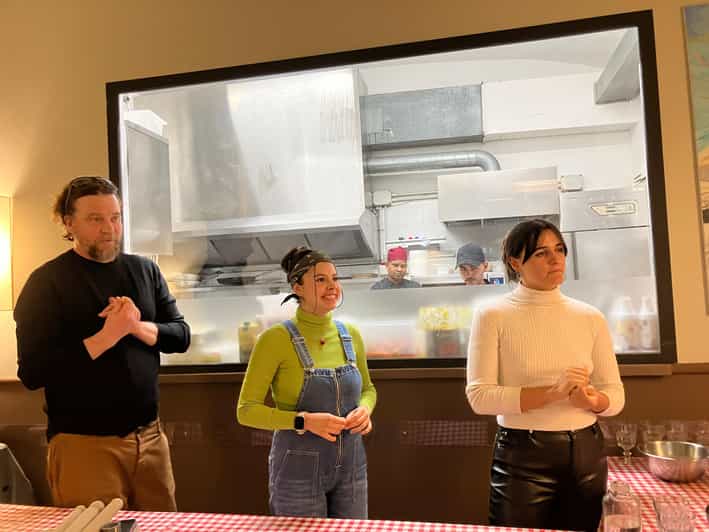
This is a 2.5-hour cooking master class focused on two Italian favorites: fresh pasta and tiramisu. You start with dough and end with dessert, which is a great arc because you go from savory kneading to sweet layering. The format is designed so you are not just learning theory. You are rolling, cutting, whisking, and assembling.
The pace also makes sense for Rome. Two and a half hours is long enough to learn actual technique, but short enough that you still have room for gelato or a low-key dinner after. And since the class includes wine and water, you are not scrambling to add anything just to enjoy your own finished plates.
You can also read our reviews of more cooking classes in Rome

Getting Oriented: Where to Meet and Why That Location Helps
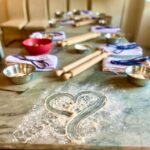
You meet at Osteria San Giorgio, via Luca della Robbia 3a, Rome (3a). That matters more than it sounds. You are not wandering across a huge maze of streets trying to find a pop-up kitchen. The venue is set up for the activity, and reviews mention the location is easy to spot.
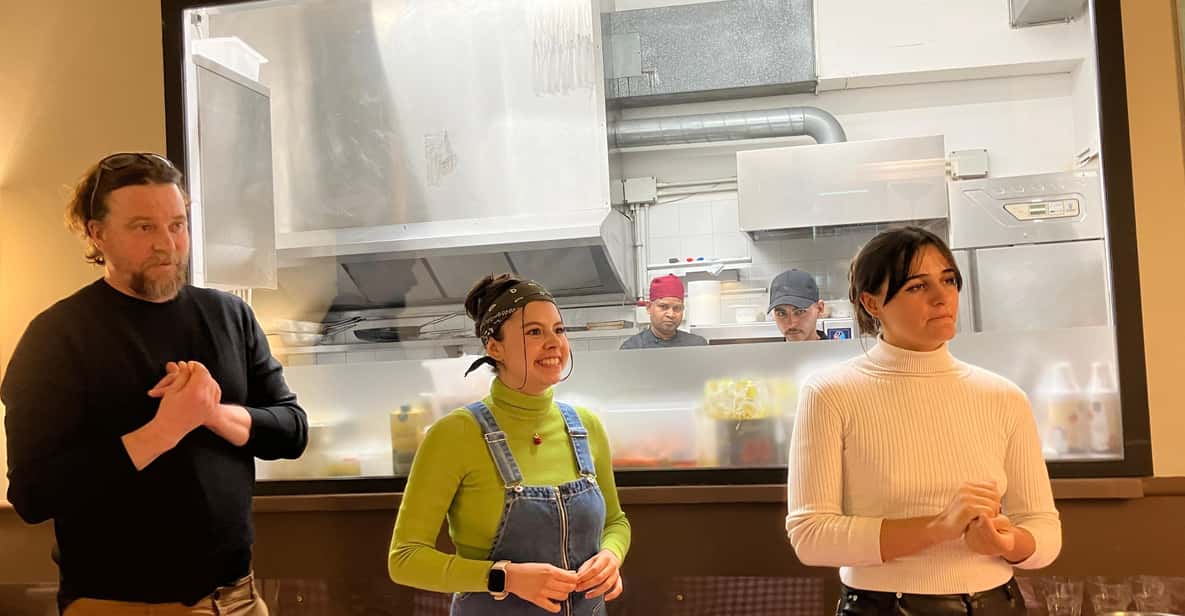
Also, this type of Osteria-style venue is practical. It is the kind of place where the kitchen view and the dining setup are already part of the experience. One review highlighted a good view of the kitchen where pasta was cooked, which is a nice bonus if you like watching the final moments come together.
Your First Big Win: Fresh Pasta Dough and Tonnarelli Technique
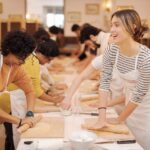
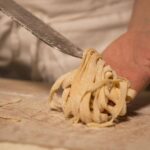
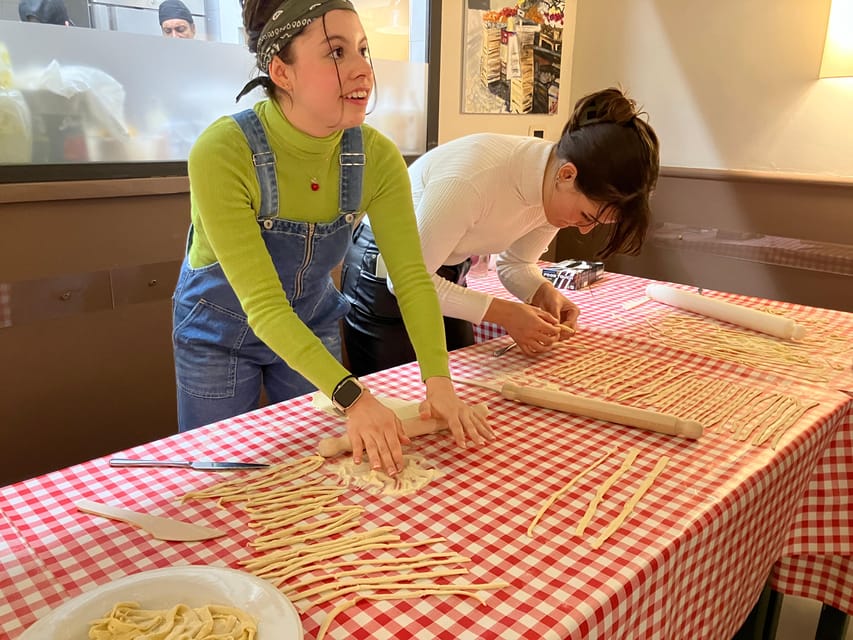
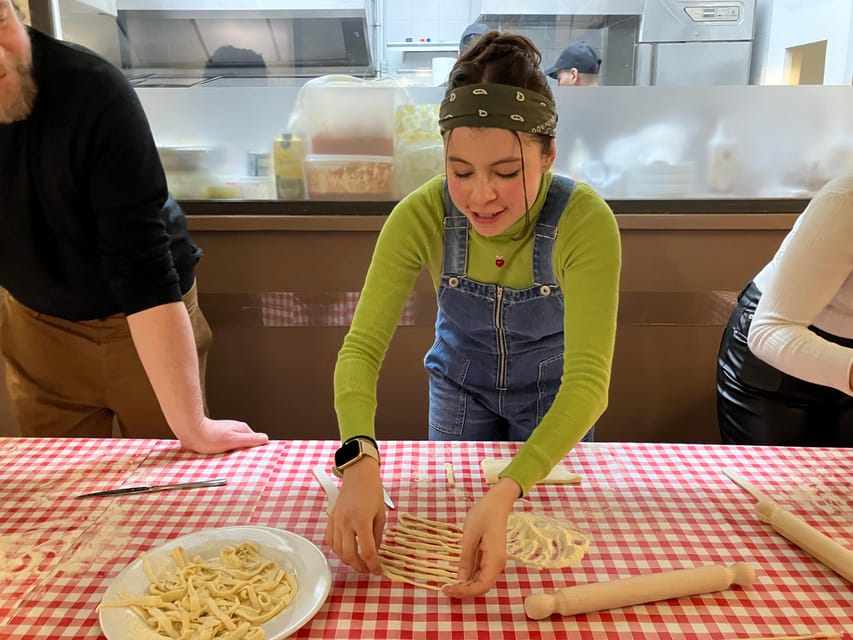
The core of the class is learning how to make fresh pasta from scratch, specifically tonnarelli. That means you are working with real dough, not pre-made sheets. You roll it, cut it, and handle it until it behaves the way it should.
What you learn here is more useful than it sounds. Most people can buy pasta anywhere. The skill you are building is how dough should feel and how to shape it without getting frustrated. Fresh pasta has a different texture than dried pasta, and learning the process helps you understand why it cooks fast and tastes more alive.
Reviews back up the “learning by doing” approach. People describe being fully involved and taught in a way that keeps you at ease, even if you have next to zero cooking experience. That is a big deal. There is nothing worse than a class where the instructor talks at you while you do busywork. Here, the focus is on you practicing the steps.
What you will likely notice as you work
- Dough comes together through kneading and handling, not tricks.
- Rolling takes patience. The payoff is pasta that cooks evenly.
- Cutting shapes matters for the bite, and tonnarelli has its own character.
Cooking It Right: From Cut Pasta to a Meal You Actually Eat
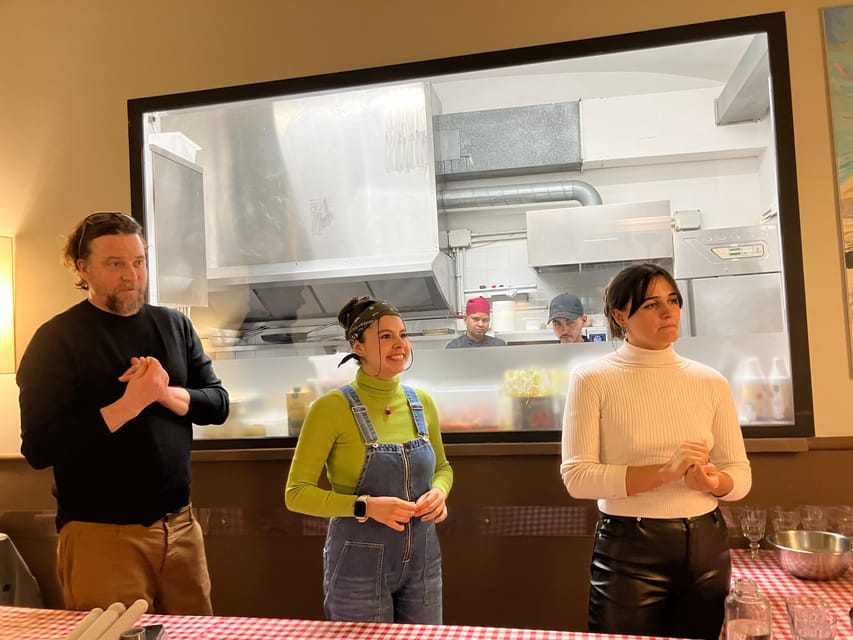
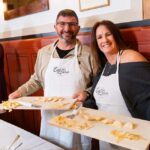
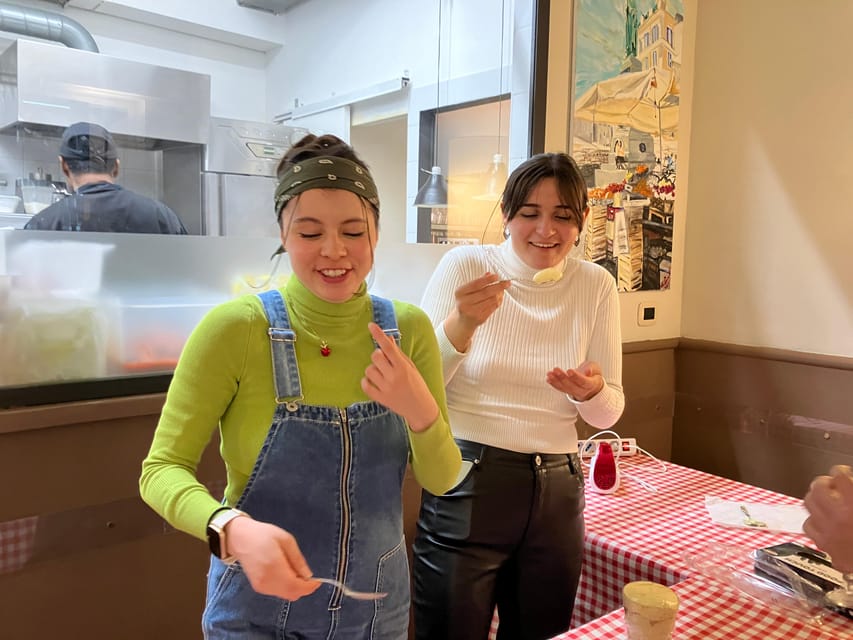
After you shape the pasta, you get to sit down and eat what you made. That end-of-class meal is part of the value. You are not leaving with just a container and instructions. You get to taste the results in a real Roman dining atmosphere with the group.
One review also mentioned socializing after the meal, which fits the vibe of a small cooking group. If you like friendly conversation, this is one of those activities where the “table talk” happens naturally because you all just made the same food.
You can also read our reviews of more tours and experiences in Rome




The Second Act: Building Classic Tiramisu Layer by Layer
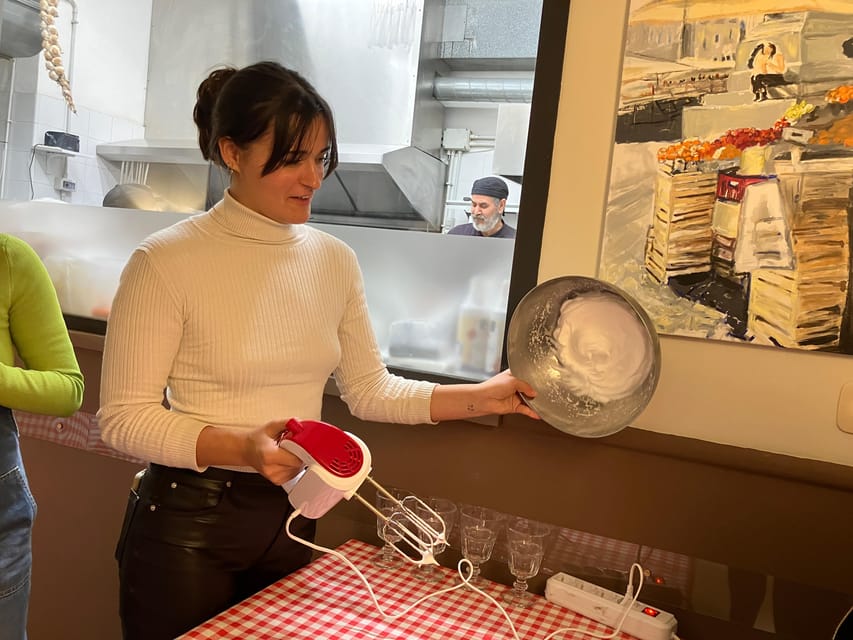
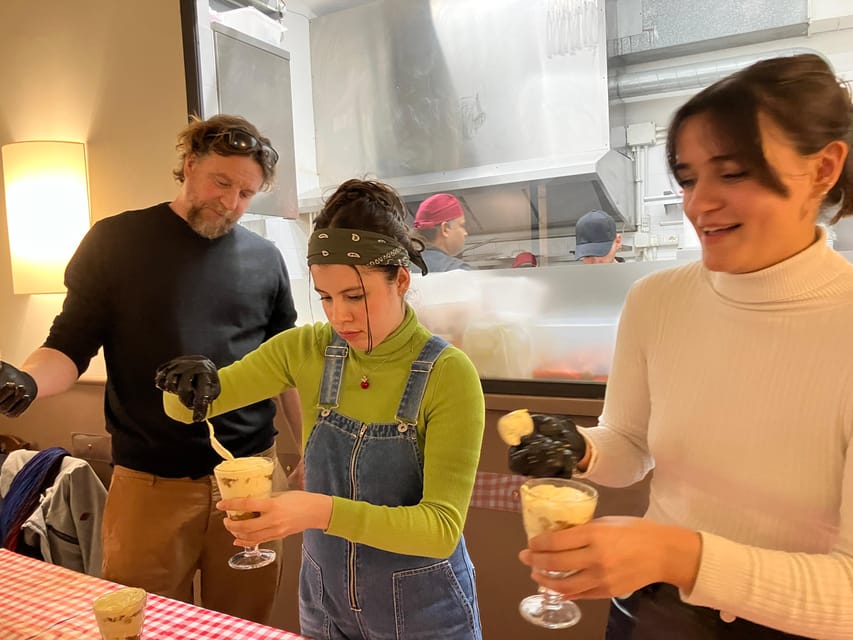
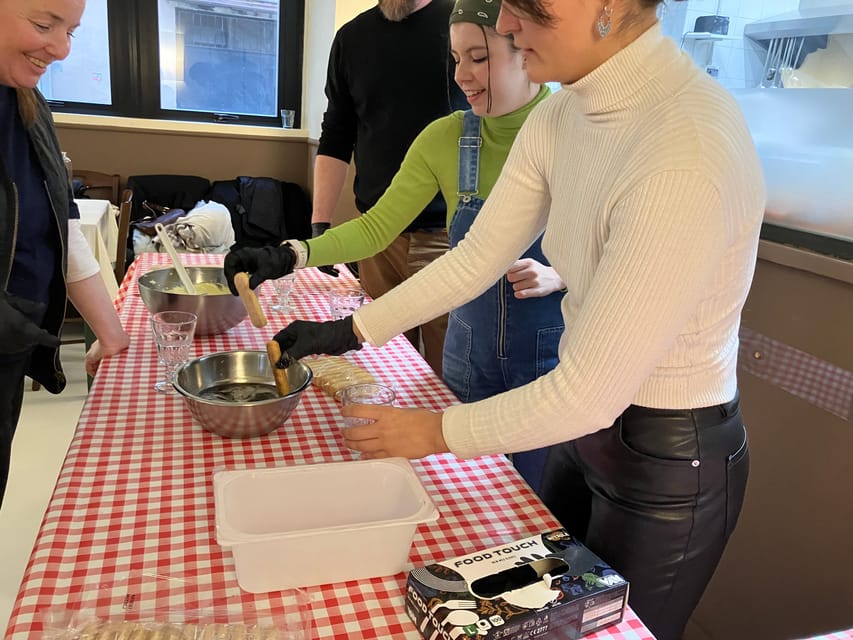
Then you shift gears into dessert: tiramisu. The class explains the essential components: espresso, ladyfingers, creamy mascarpone, and cocoa powder. The idea is that tiramisu is not a random sweet. It is a composed dessert where each layer has a job.
Your hands are in the process. You whip, layer, and assemble. That matters because tiramisu is easy to mess up if you treat it like any other dessert. The structure comes from timing and balance—how you handle the ladyfingers and how you spread the creamy mix.
This is also a nice contrast to the pasta lesson. Pasta is physical and methodical; tiramisu is more about assembly and texture. If you enjoy switching between types of tasks in one class, this one hits that sweet spot.
Why tiramisu is a great class dessert
You learn a dessert that is famous for a reason, but you also learn why it works. The payoff is twofold:
- You understand what flavors matter most: espresso and mascarpone.
- You learn how the layers create the final texture.
Wine and Water: Why the Included Drinks Make the Meal Better
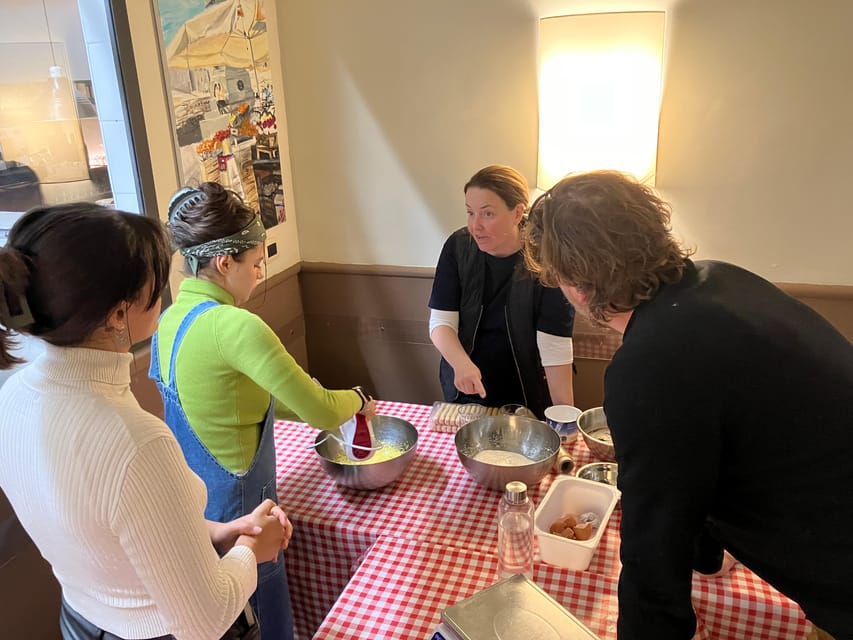
Wine and water are included. That sounds small, but it changes the whole feel of the class. You are tasting your pasta and tiramisu as a complete experience, not just finishing a project. And since wine is included, you can focus on the food and conversation instead of adding extra costs on the spot.
One review mentioned people enjoying a glass or even more of wine with the meal, which matches the casual, friendly Osteria atmosphere. If you prefer to keep it light, you still get the pairing option.
Price and Value: Is $57 a Good Deal?
At $57 per person for 2.5 hours, this sits in the mid-range for cooking classes in Rome. What makes it better value than a lot of alternatives is what is included: ingredients, the instructor, water, and wine.
What is not included is also clear: transportation and any additional food or drinks beyond what they provide. So you should plan for how you will get there, and you should avoid assuming dinner later is covered.
Still, for many people, this is one of the more satisfying experiences in Rome because the class ends with a meal you built yourself. You pay for teaching plus a finished product, not just for the act of watching.
Group Size: Why Up to 10 Makes a Difference
The class is limited to 10 participants. In practice, that usually means you get more direct help and fewer bottlenecks. Reviews mention that sometimes the booking can be so small it feels like a private affair. While you should not count on that, the small-group cap is a meaningful guarantee.
This also helps you learn faster. When you are cutting pasta and shaping dough, you want quick feedback—before you repeat a mistake too many times.
Instructor Style: Clear Guidance, Friendly Energy
The instructor is English-speaking. Reviews highlight that the teaching style works even for beginners, with staff described as warm and welcoming. Names like Shula and Christian show up in reviews as instructors who explain what to do and get everyone involved.
Here is what you should look for when choosing a class like this in Rome: do they make you feel capable. In this one, reviews suggest the tone is supportive rather than intimidating. That is the difference between a fun afternoon and a stressful one.
Who This Master Class Suits Best (and Who Should Skip It)
This works well if you want something hands-on and food-focused, with a Roman touch. It is especially good for:
- Couples, small groups, or friends who want to do something together that ends in real food
- Travelers who like learning skills, not just collecting photos
- People who want a beginner-friendly class and a laid-back meal afterward
Skip it if you:
- Are vegan, or need vegan-only ingredients
- Have gluten intolerance
- Have lactose intolerance
If you fall into a dietary restriction category, you will likely need a different kind of cooking experience.
Possible Tradeoffs: What Not to Expect
A couple of things might not match your expectations if you are coming in with certain hopes.
First, the class centers on the two main items: fresh pasta and tiramisu. You may not get a variety of sauce demonstrations or extra dishes. One review suggested an idea for additional sauce options, which hints that this class stays tightly focused.
Second, since the ingredients are part of the included experience, you should expect it to follow classic recipes rather than offering substitutions for dietary needs.
Should You Book This Rome Cooking Class?
Yes—if you want an enjoyable, practical food experience that ends with a meal you made yourself. The value is strong because you learn two iconic dishes (tonnarelli and tiramisu), and you get to eat them with wine and water in a small group setting.
Book it particularly if:
- You like hands-on learning and want something more personal than a standard restaurant meal
- You are traveling with someone and want an activity that creates shared memories
- You want an English-guided class in a friendly setup where beginners feel welcome
Skip it if your dietary needs are strict (gluten, lactose, or vegan), or if you are mainly looking for lots of variety beyond pasta and tiramisu.
FAQ
How long is the Rome Fresh Pasta and Tiramisu Master Class?
It lasts 2.5 hours.
Where is the meeting point?
You meet at Osteria San Giorgio, via Luca della Robbia 3a, Rome.
What will I make during the class?
You will make fresh Roman pasta (tonnarelli) and assemble tiramisu.
Is the class taught in English?
Yes, the instructor speaks English.
What is the group size?
It is a small group limited to 10 participants.
Is wine included?
Yes. Wine is included, along with water.
Are ingredients included?
Yes, ingredients are included.
Is transportation included?
No, transportation is not included.
Is this class suitable for vegans or people with dietary intolerances?
No. It is not suitable for vegans, people with gluten intolerance, or people with lactose intolerance.
What is the cancellation policy?
You can cancel up to 24 hours in advance for a full refund.