REVIEW · ROME
Circo Maximo entrance ticket + virtual experience
Book on Viator →Operated by Elisabetta Barbaro · Bookable on Viator
Circus Maximus never looked this modern. With the Zeiss VR headset and admission to the site, you get a guided multimedia look at the circus through major moments of Roman life. I also like the quick 40-minute timing, which makes it easy to tack onto a packed Rome day without losing the rest of your itinerary. The main caution: some of the VR visuals and view angles can feel dated or limited, so you’ll want to keep your head oriented to match what the guide wants you to see.
This experience runs as a private activity for your group, and it starts right at Aventino-Circo Massimo (metro MB), then loops back there when you’re done. One more practical point: to rent the headset, you’ll need to leave a deposit ID (card or passport, original), so don’t travel with only a phone screenshot. And yes, if it’s raining hard or the heat is extreme, the VR experience won’t be possible.
In This Review
- Key Things to Know Before You Go
- Circus Maximus Comes Back to Life (Without Needing a Time Machine)
- Zeiss VR + Augmented Scenes: How to Get the Best Experience
- The Eight Stops: What You’ll See and Why Each One Helps
- 1) The valley floor in the archaic period
- 2) The Circus from the 1st century BC to the 1st century AD
- 3) The imperial period
- 4) Seating tiers (cavea)
- 5) The Arch of Titus
- 6) Shops (tabernae)
- 7) The Circus in the Middle Ages and in modern times
- 8) A Day at the Circus
- Meeting Point Reality: Aventino-Circo Massimo (MB)
- Price and Value: Is $46.07 a Fair Deal?
- Weather and Timing: When Rome Ruins the Plan
- Who This Suits Best (and Who Might Want Another Option)
- Should You Book the Circus Maximus VR Ticket?
- FAQ
- How much does the Circo Massimo VR entrance ticket cost?
- About how long is the experience?
- What’s included with the ticket?
- Where is the meeting point?
- Do I need to leave an ID deposit to rent the headset?
- Can children under 14 wear the headset?
- What happens if it rains or the weather is extreme?
- Is the experience refundable if I cancel?
- If I bought a reduced-price ticket online, what should I bring?
- Is VR allowed while standing?
Key Things to Know Before You Go
- Zeiss VR + site ticket: you get both the headset experience and admission for the ruins.
- Eight era-based stops that trace the Circus from the archaic layout to imperial Rome and on through later periods.
- 40 minutes total: the format is designed to fit into a normal sightseeing day.
- Seated VR rule for the final segment: VR under stop N.8 must be used while you’re seated.
- Weather-dependent: rain or extreme heat can cancel the experience.
- ID deposit for the headset rental: plan to bring the physical card or passport you can leave as deposit.
Circus Maximus Comes Back to Life (Without Needing a Time Machine)
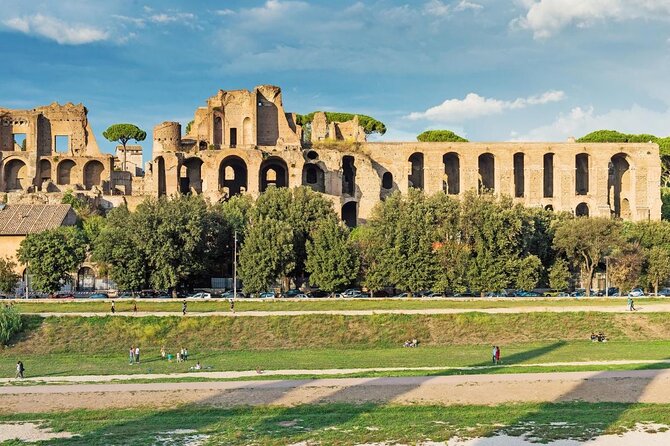
Circus Maximus is one of those Rome places where the scale is real, even if the buildings aren’t fully standing. The ruins can look vague on a quick walk. This ticket adds the missing pieces by overlaying how the space worked—where spectators sat, what stood where, and what the chariot-race energy looked like.
The best part is that the experience isn’t just one Roman-era highlight. You move through the Circus as it changed over time, from early construction (the valley floor in the archaic period) to the 1st century BC through the 1st century AD, then into the imperial period. That time-skip approach is useful because Rome’s ruins can otherwise feel like a single snapshot. Here, you get a sense of layers.
And because the format is short, you won’t feel trapped. You leave with more context for the rest of your day—so when you look at the ground and the remnants again, you’re not guessing as much.
You can also read our reviews of more tours and experiences in Rome


Zeiss VR + Augmented Scenes: How to Get the Best Experience
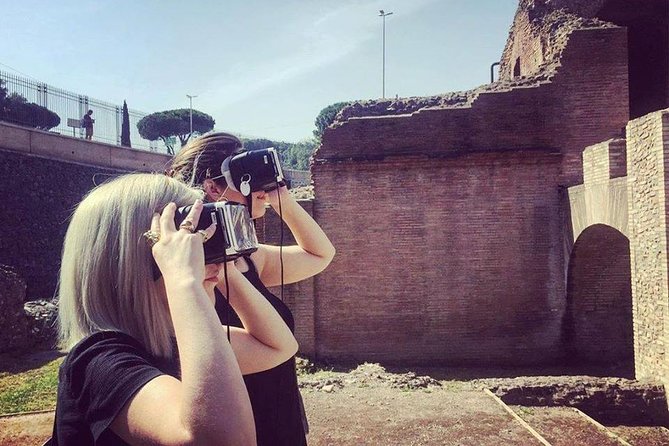
You’ll wear a Zeiss VR headset during the walk, with a multimedia guide guiding your route through the site. It’s a walking tour with digital overlays, not a couch VR game. That matters, because your position and your head movement influence what you see.
A big practical tip: treat this like a guided photo walk with one rule—stay with the guide’s directions. If you drift off the intended viewing angle, some scenes can feel like they only work from one spot. So don’t do the Rome thing where you stop to admire every stone in the random order your instincts pick. Let the experience lead, then do your wandering after.
Also, there’s a health heads-up. If you’re prone to dizziness, motion sickness, nausea, visual after-effects, or disorientation from VR, you should consult a doctor before using them again if you have symptoms. The safety guidance is taken seriously, and it’s worth it.
Finally, there’s a specific rule for the VR at point N.8: that VR function must only be used while seated. That means you should plan to pause when your group is instructed and follow the seating guidance. It’s not the moment to improvise.
The Eight Stops: What You’ll See and Why Each One Helps
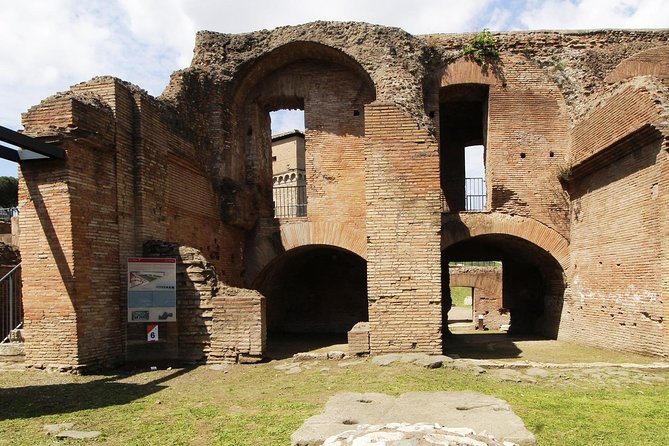
The tour is built around eight stops. You’ll go through a sequence of locations that map how the Circus looked and functioned across different periods. Here’s what each part is doing for your understanding.
1) The valley floor in the archaic period
This is the foundation layer. Even when the main structures aren’t standing, the layout of the space matters. Starting on the valley floor helps you grasp the geography of Circus Maximus, where the track and crowd space meet the shape of the ground.
2) The Circus from the 1st century BC to the 1st century AD
This is your “Roman expansion and consolidation” phase. You’re moving into a time when the Circus was becoming a major public stage. In practice, this stop helps you connect the scale you see today with what the space likely looked like during peak public spectacle.





3) The imperial period
Imperial Rome is where public entertainment becomes propaganda, spectacle, and civic identity all at once. This stop helps you imagine the Circus not just as a track, but as a landmark of authority and engineering—especially in how the space presents itself to large crowds.
4) Seating tiers (cavea)
The cavea (the seating tiers) is the key to understanding how crowds experienced the races. If you’ve ever watched a stadium from the outside, you know how hard it is to picture the interior from ruins. This stop bridges that gap so you can “see” where people would have sat and how the viewlines likely worked.
5) The Arch of Titus
You’ll encounter the Arch of Titus in the sequence, which is a strong way to tie the Circus to other monuments of Rome. It also gives you a reference point: this isn’t only about one venue. It’s part of a city-wide landscape of power and public messaging.
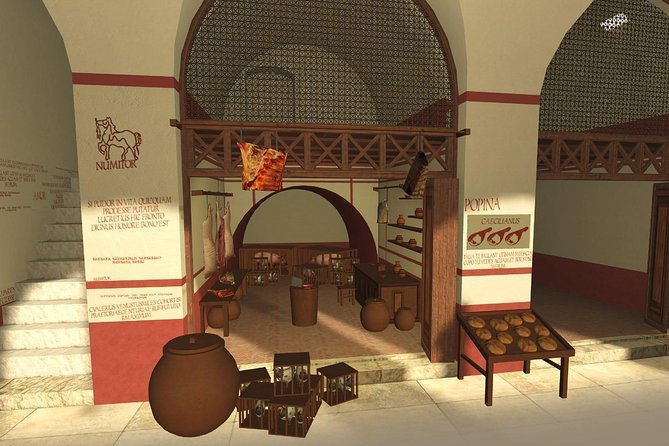
6) Shops (tabernae)
This is a clever addition because it reminds you the Circus was a full-time social destination, not just an event day. Shops lined the area, meaning food, trade, and daily bustle likely surrounded the big moments.
Even if you only have a short time in Rome, this stop changes how you look at the space. Instead of thinking purely about the track, you start thinking about the movement of people—arriving, browsing, and gathering.
7) The Circus in the Middle Ages and in modern times
This stop matters more than people expect. Ruins can make you freeze time in your mind. Here, you see how the Circus area transformed after the ancient era, so it doesn’t feel like Rome stopped in the year 117 or wherever your personal favorite cutoff is.
It also helps you interpret what you’re standing on now. You’re not only viewing “ancient remains.” You’re seeing a site that kept being used, altered, and re-understood.
8) A Day at the Circus
This final stop brings the whole thing together with a “day at the Circus” view. It’s where the experience shifts from architecture to atmosphere—how it may have felt to be there, not just where things were.
Because VR at this point must be used while seated, it’s also a good breather. Use that seated moment to let the visuals do their job—then take in the real ruins around you right afterward.
Meeting Point Reality: Aventino-Circo Massimo (MB)
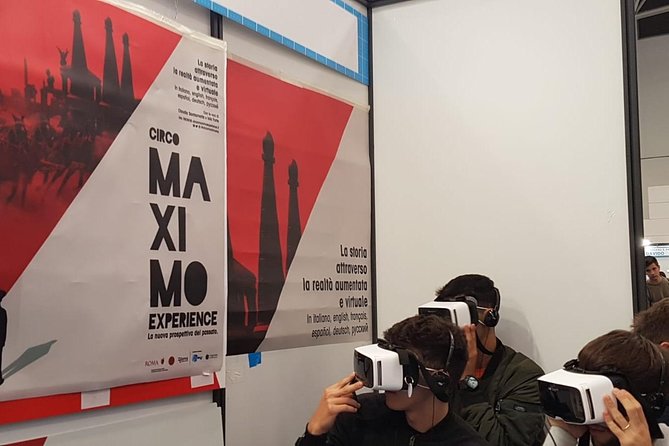
The tour starts at Aventino-Circo Massimo (Mb), 00186 Rome. It ends back at the meeting point, so you’re not left wandering afterward trying to figure out where the group disappeared.
This is a practical one: because the headset and entry are involved, you want to arrive early enough to get settled without rushing. And if you’re using reduced-price tickets bought online, you’ll need to carry the ID that entitles you to that reduced admission. Bring the actual document, not just your email.
One more setup detail that affects your day: since you must leave an ID deposit (original) to rent the headset, make sure your passport or card you plan to deposit is accessible. Keep it in your day bag or pocket where staff can take it quickly.
Also, the meeting point is near public transportation, which helps a lot. It means you can arrive without building your whole day around one parking strategy.
Price and Value: Is $46.07 a Fair Deal?
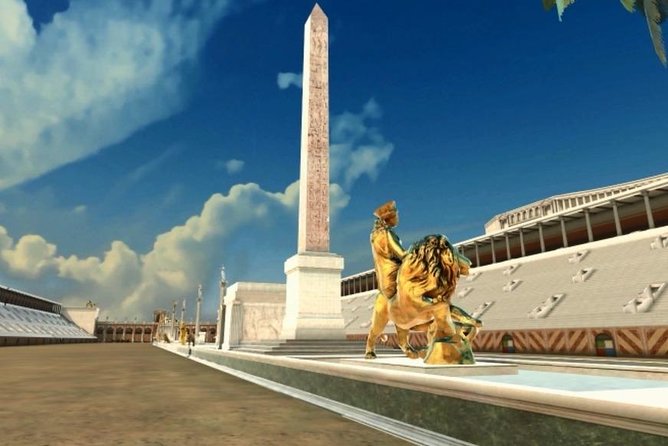
At $46.07 per person, this isn’t a budget add-on. But it’s also not just a regular museum ticket. You’re paying for the combo: admission plus a guided Zeiss VR reconstruction experience.
So the value question is really this: do you want help visualizing a place where only parts of the ancient structure remain? If yes, the VR portion earns its keep—especially because the tour moves through multiple eras instead of one quick highlight.
If you’re someone who prefers to look, read, and interpret on your own, you might feel the price more sharply—because the experience is short and the VR can be picky about where you stand and how you hold your head. Some people also find the VR image quality not up to the best modern standards. That doesn’t mean it’s bad, but it does mean you should keep expectations realistic.
In other words: this is good value when you want structure and context in under an hour. It’s less compelling if you already love slow, on-your-own archaeology walks and you don’t care about the digital reconstructions.
Weather and Timing: When Rome Ruins the Plan
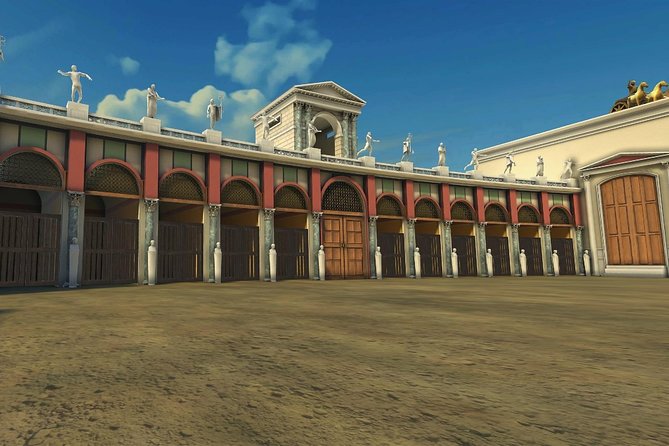
This one is weather-sensitive. If it’s raining or if conditions are extreme (including excessive heat), the experience won’t be possible. That’s important because VR tours depend on the ability to use the equipment and safely operate at the site.
The flip side: when the operator cancels due to poor weather, you’ll be offered a different date or a full refund. So if you’re flexible with your schedule, you’re not locked into one outcome.
Timing is also straightforward. The duration is about 40 minutes, and the tour is built to finish quickly so you can keep sightseeing. That’s a big deal in Rome, where one “almost done” experience can easily become an all-day detour.
Who This Suits Best (and Who Might Want Another Option)
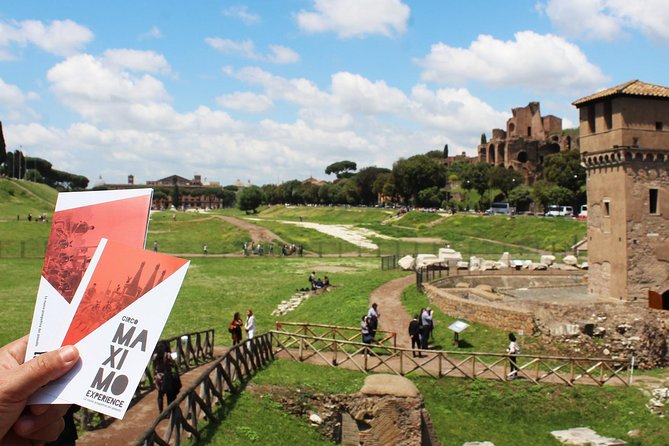
This is a strong fit if you want:
- A faster way to understand Circus Maximus than a solo read of ruins
- A structured walkthrough that shifts across time periods
- A family-friendly activity with a modern twist (with the headset rules for kids)
It’s especially workable for families because children under 14 can wear the headsets and enjoy the experience, as long as an adult accompanies them and signs a disclaimer available at the ticket office. If you’re traveling with kids, that adult requirement is not a small detail—plan time for the sign-off.
Who might be less happy:
- People who get motion sickness or VR-related discomfort
- Anyone expecting top-tier VR visuals like the newest home tech
- Travelers who dislike “stay in place and look where the guide points” experiences
The tour’s pace is tight by design. If you want long, unhurried photo stops, you’ll probably do your deep looking after the VR portion finishes.
Should You Book the Circus Maximus VR Ticket?
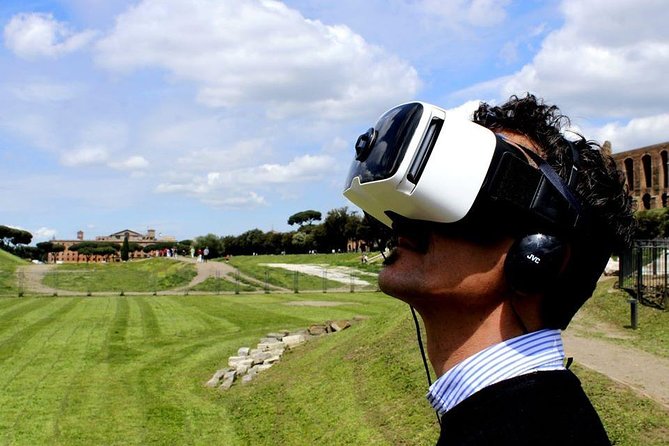
Book it if you want a 40-minute Rome experience that gives you instant context for a major ancient venue—and you like the idea of seeing how Circus Maximus likely looked and functioned across eras.
Skip or consider something else if you’re very sensitive to VR, you hate being constrained to specific viewing angles, or you prefer to interpret ruins without digital overlays. Also, if you’re visiting in a season where rain or extreme heat is likely, keep an eye on weather so you don’t feel stuck on the wrong day.
Bottom line: for the right traveler, this is a smart way to make the Circus Maximus site click. You spend less time guessing and more time understanding what you’re standing in.
FAQ
How much does the Circo Massimo VR entrance ticket cost?
It costs $46.07 per person.
About how long is the experience?
It lasts about 40 minutes.
What’s included with the ticket?
You get admission to the site, a Zeiss VR headset, and a multimedia guide.
Where is the meeting point?
You start at Aventino-Circo Massimo (Mb), 00186 Rome, and the experience ends back at the same meeting point.
Do I need to leave an ID deposit to rent the headset?
Yes. To rent the headset, you must leave a deposit with an ID (card or passport, original).
Can children under 14 wear the headset?
Yes, children under 14 can wear the headsets and enjoy the experience only if accompanied by an adult who must sign the disclaimer available at the ticket office.
What happens if it rains or the weather is extreme?
If it’s raining or conditions are extreme (such as excessive heat), the experience won’t be possible. If it’s canceled due to poor weather, you’ll be offered a different date or a full refund.
Is the experience refundable if I cancel?
No. The experience is non-refundable and cannot be changed for any reason.
If I bought a reduced-price ticket online, what should I bring?
You need to carry the ID that entitles you to the reduced-price admission ticket.
Is VR allowed while standing?
The VR function under point N.8 must only be used while seated.