REVIEW · ROME
Rome cooking: Gelato & Tiramisu with savoiardi Baking class
Book on GetYourGuide →Operated by Gourmetaly - for food lovers only · Bookable on GetYourGuide
Tiramisu gets real when you make it. This Rome cooking class takes you from baking your savoiardi-style biscuits to assembling an artisan tiramisù, then ends with a tasting that lets you judge your own work. I especially like the hands-on pace, plus the way the gelato session focuses on fruit and texture with gelato sorbet techniques you can actually repeat at home.
One thing to consider: the class has diet and comfort limits. The tiramisù is alcohol-free and vegetarian-friendly, but vegans and people with lactose intolerance are listed as not suitable for this tour, with gluten or lactose-free needs handled through a possible private class request instead.
In This Review
- Key Highlights You Should Know Before You Go
- Why This Rome Dessert Class Feels Different Than a Food Tour
- The 2.5-Hour Flow: From Via Natale del Grande to Tasting
- Building Artisan Tiramisu: The Biscuit-to-Layer Approach
- Gelato Sorbet Workshop: Fruit Choices and a Water-Based Texture
- Organic Ingredients and Quality Checks That Make Home Cooking Easier
- Camilla and Federica: Teaching That Keeps You Active
- What You Leave With: Tasting Plus Recipes (and Maybe More)
- Price and Value: Does $80 Make Sense in Rome?
- Who Should Book This Class, and Who Should Skip or Ask for a Private Setup
- Getting Ready: Small-Bag Rule and How to Show Up
- Should You Book This Gelato and Tiramisu Class in Rome?
- FAQ
- How long is the cooking class?
- Where do we meet for the experience?
- What do you include besides instruction?
- Is the tiramisù alcohol-free?
- Is this class suitable for vegetarians?
- Is it suitable for vegans or people with lactose intolerance?
- Can I request a private class for gluten-free or lactose-free needs?
- Is the class taught in English?
- Are there rules about bags or luggage?
- What is the cancellation window?
Key Highlights You Should Know Before You Go
- Hands-on tiramisù from the base up: you bake biscuits and build the dessert step by step
- Gelato sorbet practice: you learn how sorbet differs and how to choose quality fruit in season
- Organic-ingredient focus: quality checks for fresh, organic ingredients come up throughout
- Small-group kitchen time: English live instruction and time for questions, not a lecture
- Tasting included at the end: you eat what you make, then leave with recipes
- Alcohol-free, vegetarian-friendly tiramisù: good if you avoid alcohol in desserts
Why This Rome Dessert Class Feels Different Than a Food Tour
Rome has plenty of places to buy dessert. This experience is different because you make it, then taste it while the techniques are still fresh in your head. You’re not just learning what tiramisù is supposed to taste like. You’re learning how to get there.
Two things I like a lot here. First, the session treats tiramisù like a craft, starting from baking your biscuits instead of shortcuts. Second, it pairs that with a gelato/sorbet segment, which is a smart move: you end up with two dessert styles and two different skill sets.
There’s also a nice practical angle. You get recipes and useful recommendations for foodies, so this isn’t only about a fun 2.5 hours. It’s about taking skills home to cook with more confidence.
You can also read our reviews of more cooking classes in Rome

The 2.5-Hour Flow: From Via Natale del Grande to Tasting
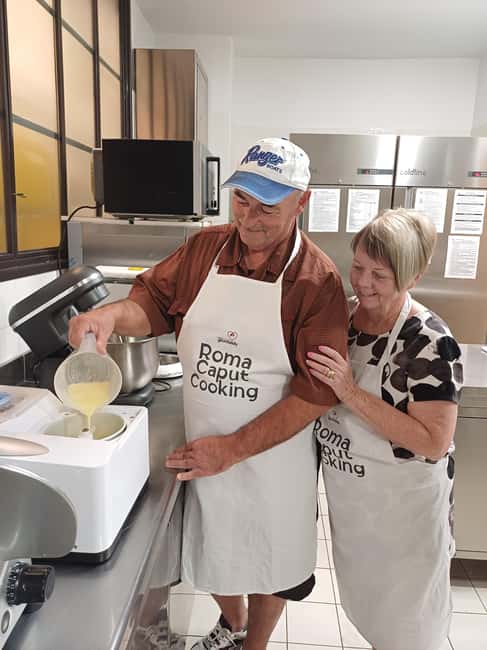
Plan on about 2.5 hours total. The lesson component is described as about 2 hours, followed by tasting. That structure matters because it keeps you from spending the whole time watching, then realizing you don’t get much time to eat.
Here’s the experience rhythm you can expect:
- You meet at the corner with via Natale del Grande.
- You’re guided into an authentic kitchen/lab in a real tiramisù shop setting.
- You’ll start with introductions to the ingredients and quality differences (especially for gelato sorbet).
- Then you get your aprons and hats and move into the hands-on cooking portion.
- At the end, you taste both your tiramisù and the gelato sorbet you made.
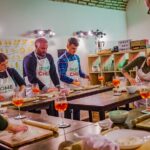
The class is in English with a live tour guide, and it’s available daily except Sundays. It’s also set up as a small-group experience, which is helpful in a working kitchen where everyone needs room.
Building Artisan Tiramisu: The Biscuit-to-Layer Approach
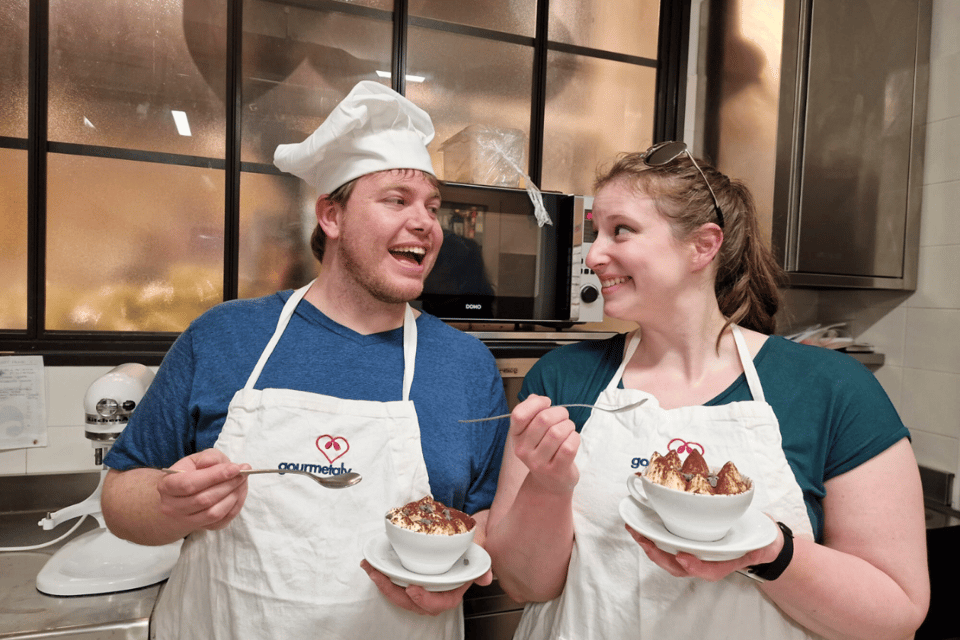
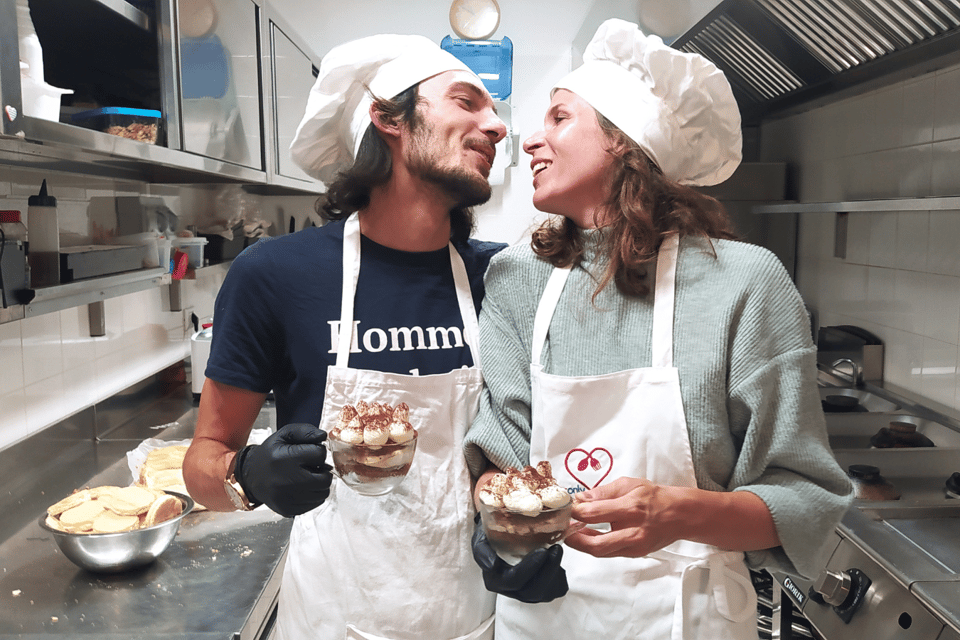
The tiramisù part is the headline here, and it’s also where the class earns its value. Many dessert workshops let you assemble something. This one starts earlier, with you baking your biscuits first. That’s a big deal because the base controls texture and structure, not just flavor.
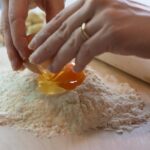
The format is step by step, with you acting like the chef rather than a spectator. You also learn the secrets to making an artisan tiramisù, including the “from the base” process, so you understand what you’re doing instead of copying a final product only.
You’ll also hear about choosing quality ingredients with an eye to fresh and organic options. If you care about food quality, that ingredient logic is what sticks with you after you stop tasting and start cooking again.
A bonus detail that matters to a lot of people: this tiramisù is alcohol-free and suitable for vegetarians. If you’re trying to keep dessert friendly for your group, that’s a relief.
Gelato Sorbet Workshop: Fruit Choices and a Water-Based Texture
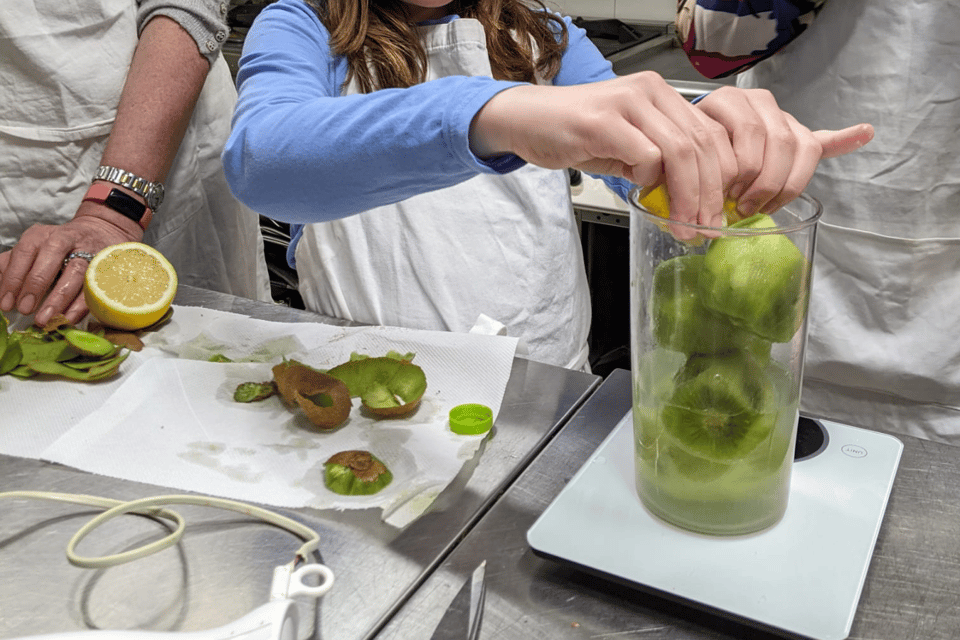
After the tiramisù portion, you move into gelato sorbet. The class explains that sorbet is one of the oldest recipes and frames it simply: sorbet is water-based, while gelato has its own richer base logic.
Even without getting overly technical, you’ll learn how to distinguish quality foods and how to choose quality fruit in season. That focus is practical. Fruit quality is one of the biggest drivers of sorbet taste, and you’ll learn what to look for so you’re not guessing later in your own kitchen.
One caution: the tour description promotes sorbet as an option for lactose intolerance and vegan people, but the tour details also list vegans and people with lactose intolerance as not suitable for this tour. The real-world takeaway is this: if dietary needs are part of your decision, ask about a private class request for gluten or lactose-free requirements, and confirm what’s feasible for your specific restrictions at booking.
Organic Ingredients and Quality Checks That Make Home Cooking Easier
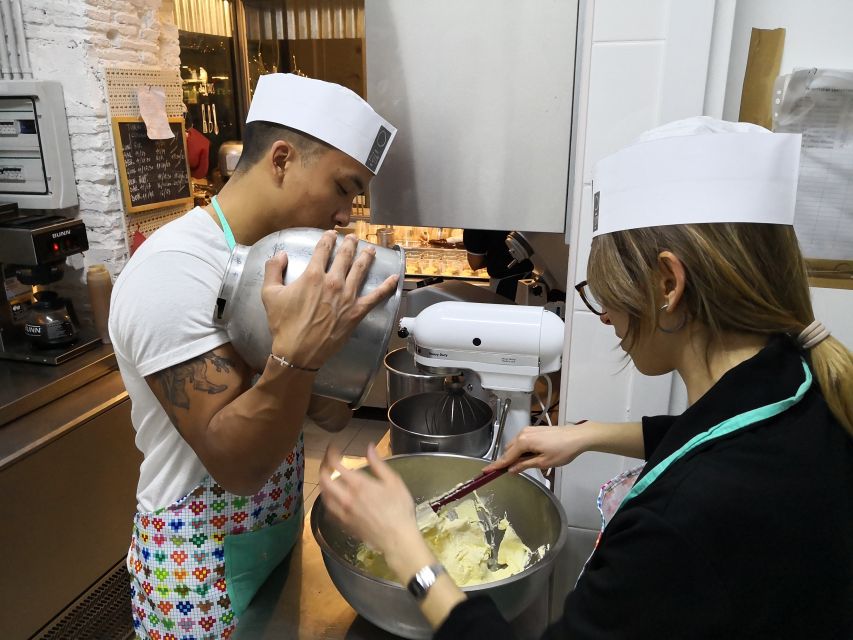
This isn’t only about recipes. It’s about judgment. The class repeatedly circles back to the importance of choosing quality ingredients, including fresh and organic products, and learning to tell quality apart before you start mixing.
That helps for two reasons:
- You stop relying on a single “good brand” and start recognizing quality signals.
- You can troubleshoot when a dessert doesn’t come out right. If you know what you’re aiming for, you’re less likely to blame yourself or waste ingredients.
I also like that the gelato portion isn’t treated like an afterthought. It uses the sorbet method as a way to teach quality fruit selection, which is a transferable skill. If you can pick good fruit, you can make better desserts almost anywhere.
You can also read our reviews of more tours and experiences in Rome


Camilla and Federica: Teaching That Keeps You Active
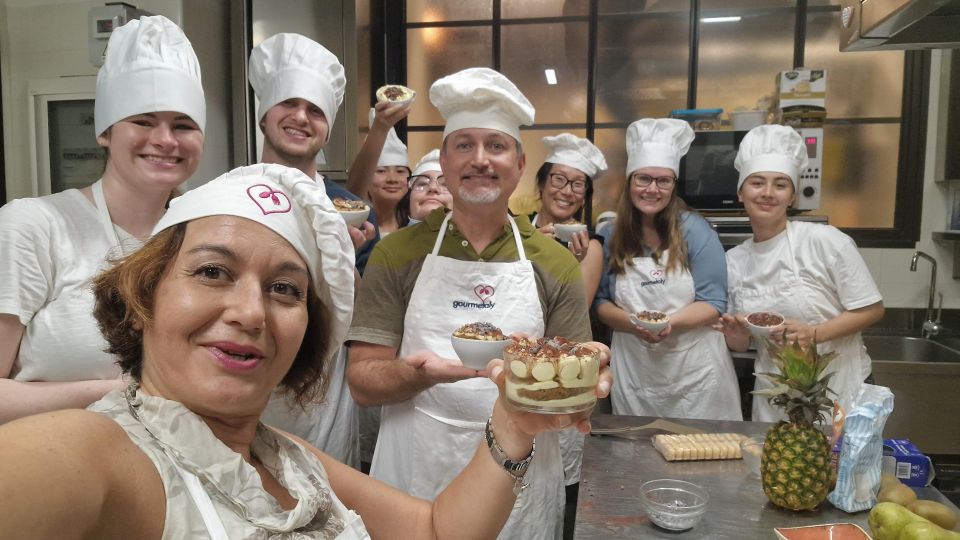
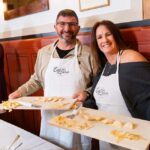
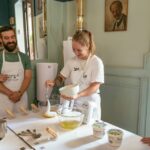
The best part of any cooking class is whether the instructor keeps you moving. This one clearly does. In past sessions, instructors like Camilla have been described as fun, considerate, and patient, with time taken to explain everything. Another guide, Federica, has been praised for kindness and knowledge, with lots of opportunity to be hands-on.
You’ll likely feel the difference in class size and pacing. One review highlight that stands out in my mind is how small-group setup makes it easier to get clear instruction and real insights, not just a general demo.
For families and kids, it’s also been a hit in the way it keeps the session engaging. If you’re traveling with children, the format can feel like a shared activity rather than a long wait around a counter.
What You Leave With: Tasting Plus Recipes (and Maybe More)
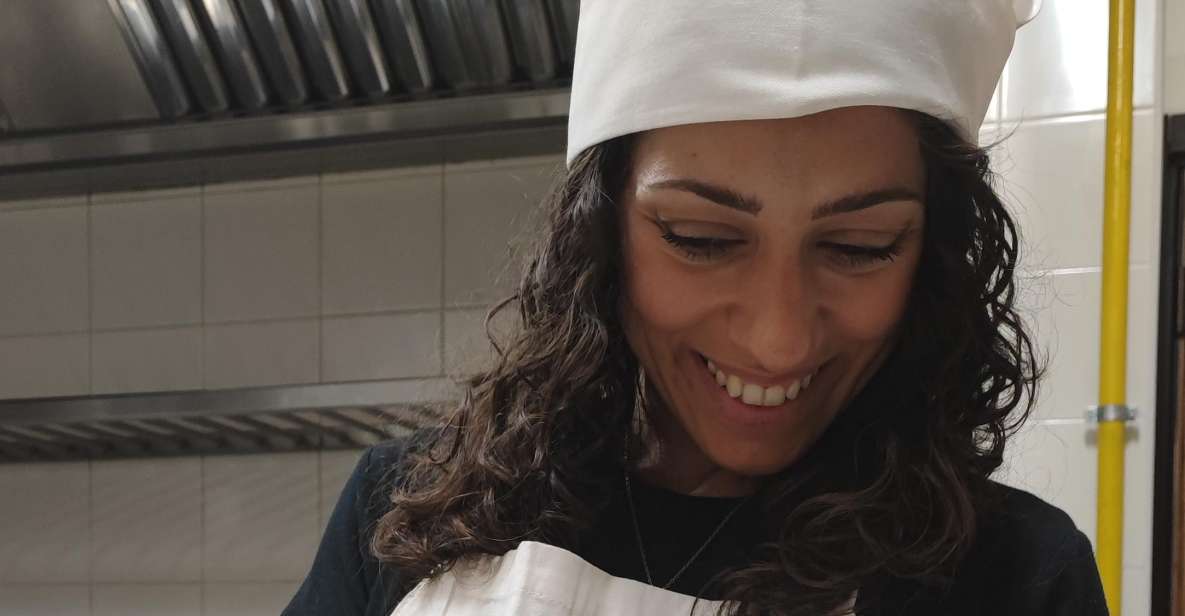
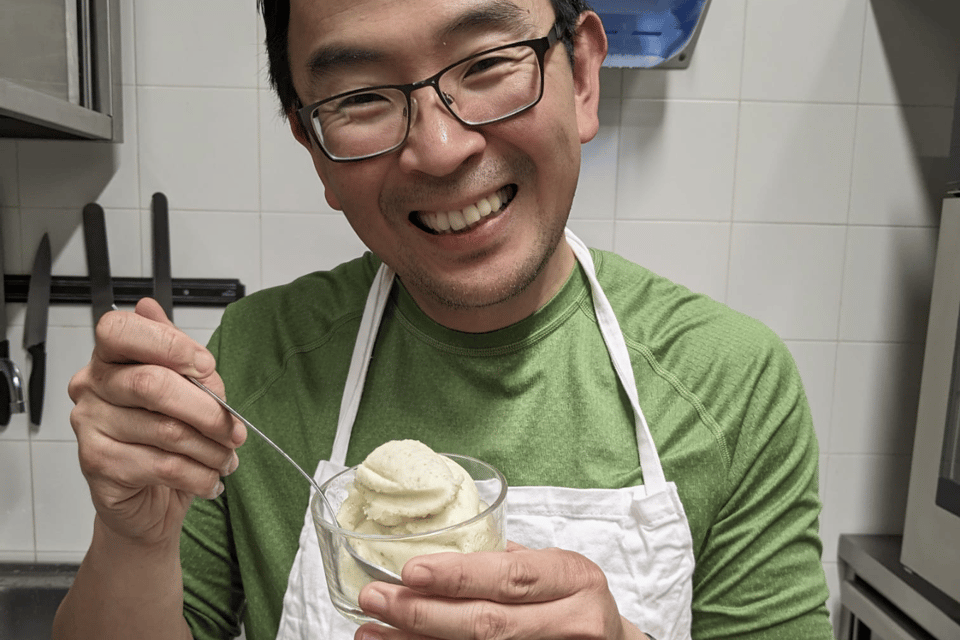
You get to eat what you make, which is the simplest kind of satisfaction. The class ends with a tasting of your tiramisù and your gelato sorbet, so you’re not left wondering how it all turned out.
You also leave with recipes. That’s where real value shows up. Recipes give you a reference point for when you’re home, even if you tweak a few things based on what fruit is best that week.
Some sessions have included extra take-home items like a certificate and an apron. Even if you don’t plan around those extras, recipes alone make the class feel like more than a one-off meal.
Price and Value: Does $80 Make Sense in Rome?
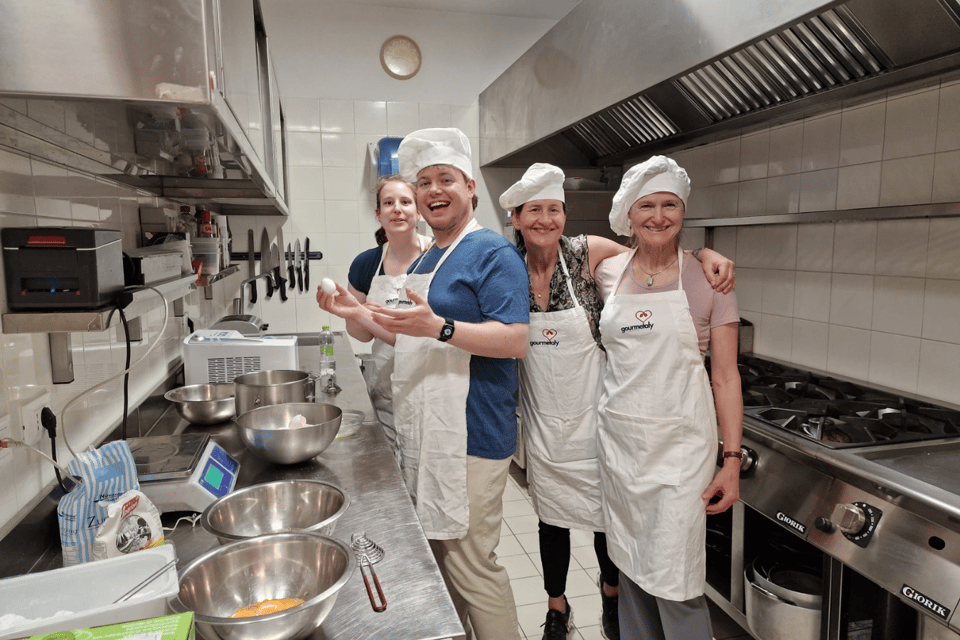
At $80 per person, you’re paying for more than ingredients. You’re paying for chef instruction, a small-group experience, and the structure to make two desserts in one sitting.
Here’s what that cost is buying you:
- A professional chef and a local guide
- Small-group attention in a working kitchen
- Food tasting as part of the class
- English live instruction
- Recipes to recreate both desserts later
The value improves if you’re the type who likes to learn processes, not just eat outcomes. Baking biscuits from scratch, building tiramisù, and making sorbet gelato are three different “skills lanes.” If you’re trying to understand dessert craftsmanship, the price is easier to justify than a single-dessert workshop.
If you’re on a tight food budget, do eat beforehand or plan carefully. Food and drinks aren’t included unless specified.
Who Should Book This Class, and Who Should Skip or Ask for a Private Setup
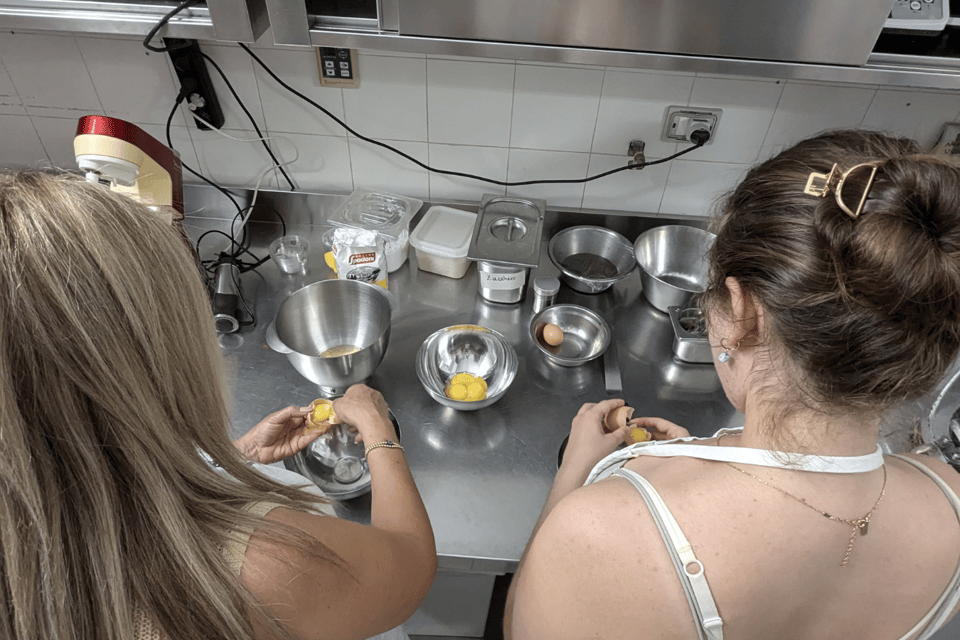
This experience suits a lot of food lovers because it’s hands-on, dessert-centered, and recipe-driven. It’s also a good fit if you want to level up your dessert skills with an ingredient-quality mindset.
But it’s not for everyone. The tour details list these as not suitable:
- vegans
- people with lactose intolerance
- pregnant women
- people with mobility impairments or wheelchair users
- people with epilepsy
- babies under 1 year
- children under 3 years
Children must be accompanied by an adult, and unaccompanied minors aren’t allowed.
If you need gluten or lactose-free accommodations, there’s a path: you can request a private class and get a quote. That’s the right approach if dietary needs are strict. Since the public info lists limitations for lactose intolerance and vegans, don’t assume the sorbet piece alone will solve everything—confirm directly at booking.
Getting Ready: Small-Bag Rule and How to Show Up
This is a kitchen experience, so show up like you’re joining a cooking workout. No large bags or luggage are allowed, so travel light.
Comfort helps. You’ll be in an active workspace for the 2-hour lesson part, and you’ll be baking/assembling, not only watching. Wear something you can move in.
You’ll meet at the corner with via Natale del Grande, so give yourself extra time to find the exact spot on foot. Rome streets can be quick to confuse you if you’re juggling maps and hunger.
Also, bring your questions. The class format is set up for you to get instruction and tips you can use at home, and the best outcomes usually happen when you ask what you’re unsure about.
Should You Book This Gelato and Tiramisu Class in Rome?
I think you should book it if you want more than a dessert stop. This class is built around making tiramisù from scratch, learning quality ingredient choices, and finishing with a gelato sorbet you helped create. You’ll leave with recipes, plus that rare satisfaction of tasting your own work immediately.
Skip or rethink the booking if you fall into the listed not-suitable groups, or if lactose intolerance or vegan needs are central to your trip. In those cases, your best move is asking about a private class option for gluten or lactose-free needs and confirming what can be accommodated.
If you’re simply looking for a fun, hands-on way to experience Rome’s dessert culture beyond walking into a pastry shop, this one is a strong bet.
FAQ
How long is the cooking class?
The class lasts about 2.5 hours.
Where do we meet for the experience?
You meet at the corner with via Natale del Grande.
What do you include besides instruction?
You get a professional chef, a small-group setup, a local guide, and a food tasting. You also receive recipes at the end.
Is the tiramisù alcohol-free?
Yes, the tiramisù is alcohol-free.
Is this class suitable for vegetarians?
Yes, it is suitable for vegetarians.
Is it suitable for vegans or people with lactose intolerance?
The tour details list vegans and people with lactose intolerance as not suitable for this experience.
Can I request a private class for gluten-free or lactose-free needs?
Yes. For gluten or lactose free customers, it is possible to request a private class, but you need to contact in advance for a quote.
Is the class taught in English?
Yes, the tour guide provides live instruction in English.
Are there rules about bags or luggage?
Yes. Luggage or large bags are not allowed.
What is the cancellation window?
You can cancel up to 24 hours in advance for a full refund.