REVIEW · ROME
The Rise of Rome
Book on Viator →Operated by Great Times Tours - Rome · Bookable on Viator
Rome turns into a story while you walk. This guided group experience puts major sites like Circus Maximus and the Temple of Hercules into one clear explanation of how the empire rose, and how that world shaped everything from gladiators to emperors.
I also love that you get practical help for the rest of your trip, including Roman cuisine restaurant ideas and viewpoint tips from the guide. The one thing I’d plan around is timing: if you’re the type who hates waiting, arrive a few minutes early, because punctuality can make a difference on a short 2-hour walk.
In This Review
- Key things to know before you go
- Rome’s imperial rise makes more sense on foot
- Starting at Via del Circo Massimo: where the tour sets the tone
- Circus Maximus and the emperor-and-gladiator world
- Mouth of Truth: legend in the middle of everyday Rome
- Marcello Theater and Janus Arch: Rome’s “architectural storytelling”
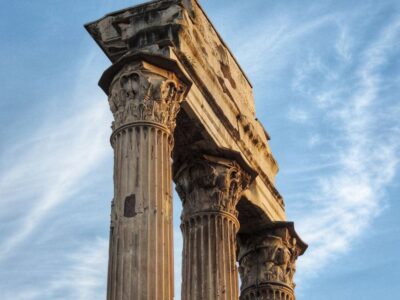
- Temple of Hercules and “where gods become humans”
- Tiberina Island and the Jewish Ghetto: Rome as layers, not one era
- “The beginning and end of Rome” on a walking timeline
- “History of all” plus stops about family and legends
- Local food and viewpoint tips you’ll actually use
- Price and group size: $34 for a guided story
- Weather and timing: plan like Rome is Rome
- Should you book The Rise of Rome?
- FAQ
- How long is The Rise of Rome?
- How much does the tour cost?
- Where does the tour start and end?
- What time does it start?
- Do I need a paper ticket?
- What size is the group?
- Is confirmation guaranteed right after booking?
- What is the cancellation policy?
- Is the tour dependent on weather?
Key things to know before you go
- A tight 2-hour story walk that connects the dots between imperial Rome sites and what they meant.
- Circus Maximus energy plus gladiator-and-emperor context, so the ruins feel alive.
- Mouth of Truth and Tiberina Island stops that help you place Roman legend in real streets.
- Jewish Ghetto area coverage that adds another layer to the city’s long timeline.
- Stops like Janus Arch and Marcello Theater that show Rome wasn’t one single era—it was layers.
- Local restaurant and viewpoint recommendations so you leave with a mini plan for dinner and views.
Rome’s imperial rise makes more sense on foot
Rome is packed with landmarks, but they don’t automatically explain themselves. This tour gives you the in-between story: how ancient power worked, why people gathered where they gathered, and how the city’s identity kept evolving.
What makes it work is the structure. You’re not just seeing one monument after another. You’re moving through an arc—its beginnings, its glory days, and the “how we got here” feeling that keeps coming back in the guide’s explanations.
And yes, you’ll cover iconic stops, but the real value is how they’re connected. When you understand why emperors and performers mattered to daily life, places like Circus Maximus stop being just big, old stone. You start thinking like a Roman for a couple hours.
You can also read our reviews of more tours and experiences in Rome.



Starting at Via del Circo Massimo: where the tour sets the tone
The meeting point is at Via del Circo Massimo, 21, near public transportation, with a 10:30 am start. The ending point is Capitoline Hill, so the walk naturally drifts toward some of the city’s biggest “Rome” energy.
Because this is only about 2 hours, your arrival time matters. I’d aim to be there early, not because you’ll be waiting all the time, but because a tight schedule leaves less room for chaos. The upside is that even if you’re short on time, you still get a guided backbone for the day.
There’s also a mobile ticket involved, which makes the whole thing easier on the day. No fuss, no paper. Just show up and go.
Circus Maximus and the emperor-and-gladiator world
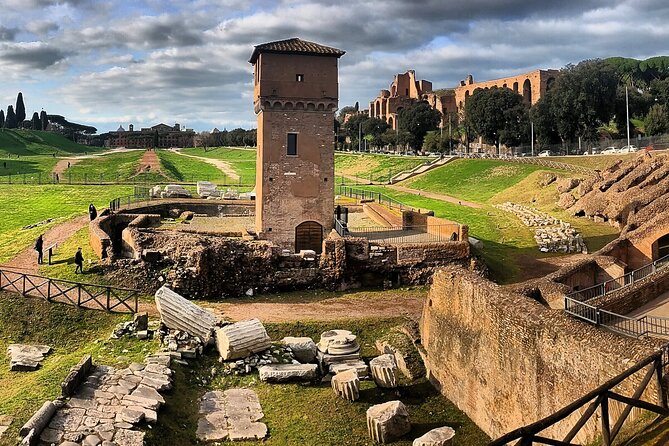
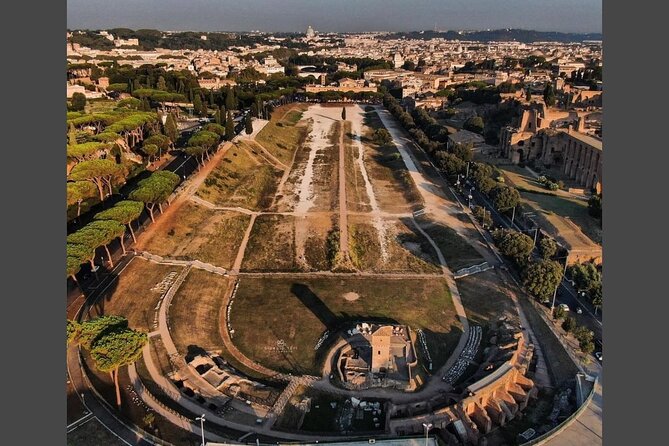
One of the tour’s early anchors is the area tied to the largest and longest standing stadium in history. In plain terms: this is where crowds came to be entertained, moved, and—depending on the era—politically shaped.
Your guide frames what the spectacle meant. Gladiators weren’t just athletes. They were drama with stakes. And the rulers who staged games weren’t doing it out of kindness—they were building loyalty and influence in a public space where everyone could feel the message.
Even if you’ve seen photos of the Colosseum or other arenas, Circus Maximus helps you broaden the picture. Rome wasn’t a one-venue city. It was a show-and-control machine, and the tour makes that pattern readable as you walk.
Mouth of Truth: legend in the middle of everyday Rome
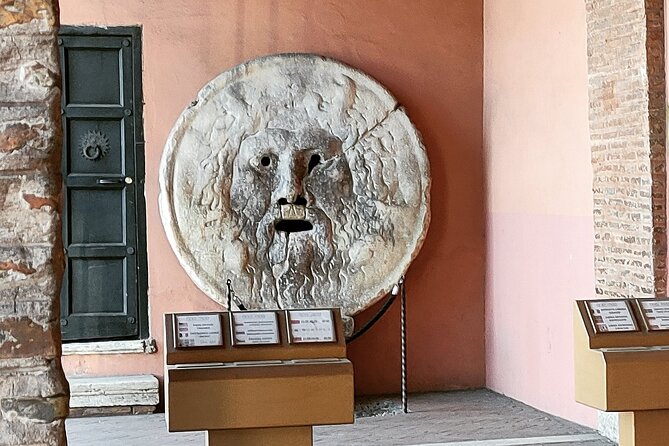
Then you hit the Mouth of Truth, which is one of those must-see stops people hear about before they even arrive. The tour doesn’t treat it like a checklist item. It places the legend into the feel of Rome—old symbols living in modern streets.
This is one of those moments where you’ll likely pause for photos and quick curiosity. The practical value is that you’ll know how to connect the story back to the bigger picture of Roman culture—beliefs, public rituals, and the way myths worked alongside politics.
If you want a tip for your day: treat this stop as a reset point. It breaks up the heavier history, and it gives you a moment to breathe before continuing through other neighborhoods.
Marcello Theater and Janus Arch: Rome’s “architectural storytelling”
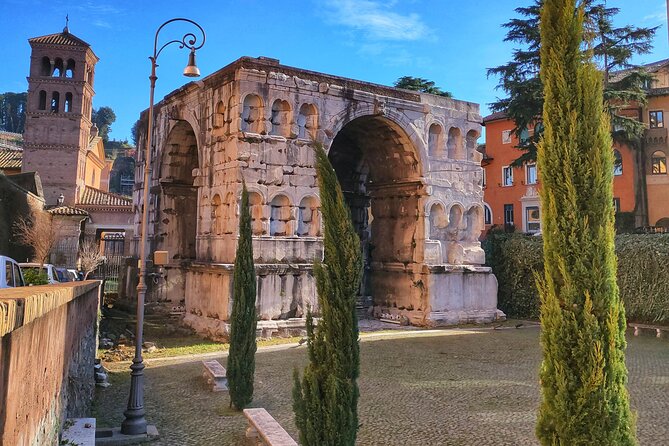
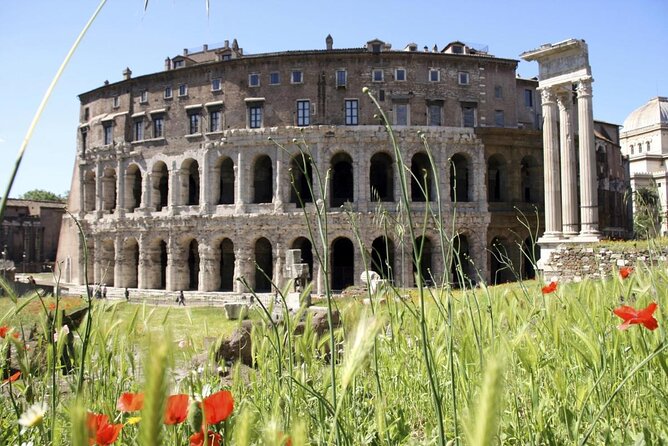
Two of the major landmarks tied to the experience are Marcello Theater and Janus Arch. On a typical self-guided walk, these can feel like good background scenery. With a guide, you start noticing how they function as signals of power and ideology.
Marcello Theater adds a layer to the entertainment theme, but in a more built-up, state-focused way. Meanwhile, Janus Arch is the kind of site that makes you stop and think: Rome wasn’t just about monuments—it was about messages built into the city’s geometry and ceremonies.
You’ll likely hear explanations tied to the guide’s themes, including the idea of how the empire’s worldview shaped public space. And if you enjoy history that connects to how cities work (not just who ruled), these stops are a big win.






Temple of Hercules and “where gods become humans”
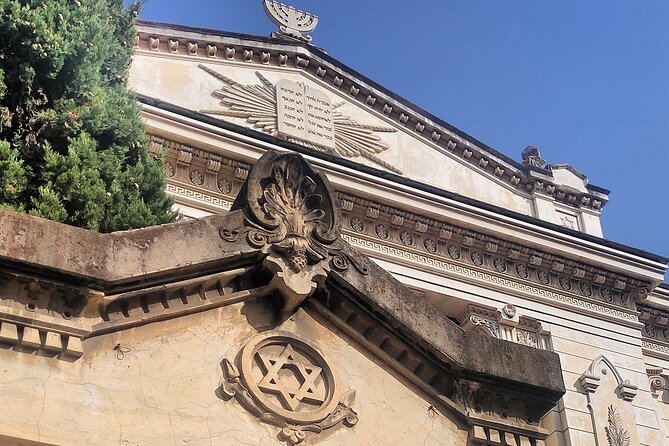
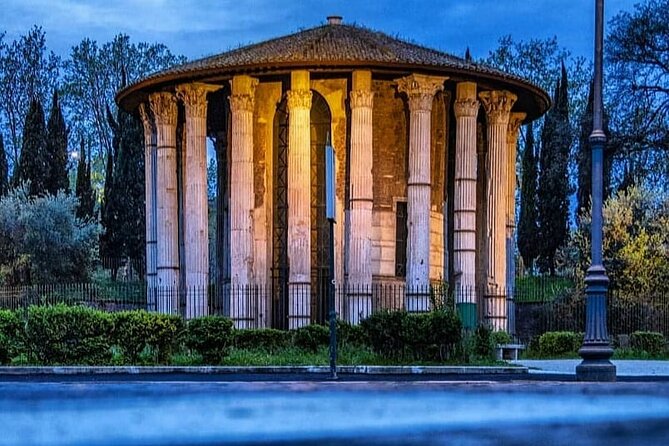
One of the tour’s most interesting thematic beats is the stop described as where gods become humans. That concept lands well in Rome because religion and daily life weren’t separate categories. People experienced belief through symbols, spaces, and public meaning.
The inclusion of the Temple of Hercules helps anchor that theme. Hercules is a great example because he sits in the mix of hero legend and divine association. In other words: the “myth” wasn’t locked away in books; it was part of how Romans understood strength, virtue, and identity.
This is also where the tour’s storytelling style helps. Instead of giving you only dates, you get context for why these figures mattered. You’ll walk away with a better sense of how Roman mythology used human-like traits to explain values.
Tiberina Island and the Jewish Ghetto: Rome as layers, not one era
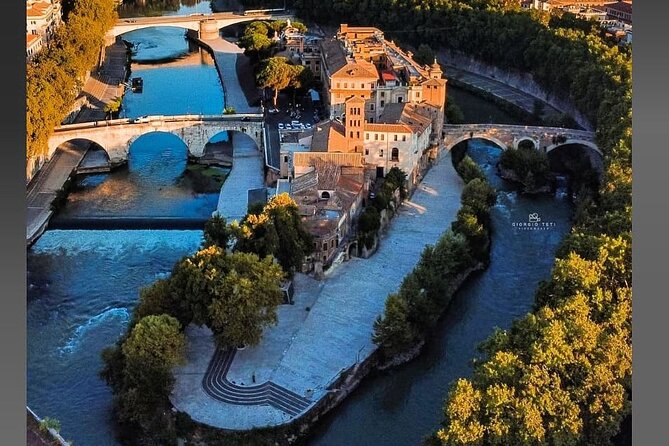
The tour also includes a stroll through Tiberina Island and the Jewish Ghetto area. This matters because it keeps the walk from becoming only an imperial greatest-hits tour.
Tiberina Island is a strong “in-between” place—geography that helps you understand how the city developed around water, movement, and connection. The Jewish Ghetto stop adds a cultural and historical layer that reminds you Rome isn’t just one timeline. It’s a stack of communities and eras that have overlapped for centuries.
Even if you only grasp a few key points from the guide, the effect is the same: you start looking at neighborhoods differently. You see them as living parts of the city’s longer story, not just modern street scenes.
“The beginning and end of Rome” on a walking timeline
Another themed beat is the beginning and end of Rome, and the practical value here is pacing. A guide uses certain sites to help you mentally place the arc of the city—where the identity starts, where it changes, and how the influence keeps showing up even when the original power structure is gone.
Because your walk ends at Capitoline Hill, the tour naturally funnels toward a “Rome of symbols” finish. That’s a smart choice for a 2-hour format: you end where your brain is ready to summarize, not where you have to keep trudging afterward.
If you’re planning the rest of your day, this structure can help. You’ll likely walk away with a cleaner mental map for where to go next, whether that’s viewpoints, museums, or simple wandering.
“History of all” plus stops about family and legends
As you move through the later segments, the tour leans into ideas like where family matters and where heroes become legends. These themes aren’t random—they’re ways of explaining Roman life beyond politics.
Family, for Rome, wasn’t only private. It connected to identity, status, and how values got taught. Hero legend worked similarly. Gladiators and public figures became stories people repeated, and those stories could reinforce the empire’s image.
This is where a good guide earns their fee. If the pace is right and the explanation clicks, you’ll find yourself noticing details you would normally miss: how people gathered, what symbols meant, and how power lived in public space.
I especially appreciate it when a guide keeps it human. A review I saw highlighted a guide named Claudio for friendly energy and attention to detail—exactly the kind of delivery that makes these concepts feel clear instead of heavy.
Local food and viewpoint tips you’ll actually use
This tour includes recommendations for Roman cuisine restaurants, viewpoints, and other tips. That sounds like a throw-in until you’re standing in Rome trying to decide where to eat while everything feels equally interesting (and equally chaotic).
I like these added recommendations because they’re tied to the walk and your route. You’re not left with generic advice. You get a sense of what to do next while your brain is still in “Roman context” mode.
After a 2-hour history walk, I find it helps to have a ready dinner plan. You can choose a restaurant with confidence, then reward your feet without turning the evening into research.
Price and group size: $34 for a guided story
The price is $34 for about 2 hours, with a maximum group size of 25 travelers. That’s a reasonable setup for Rome. You get the benefit of a guide’s explanations without the feeling of being swallowed by a giant crowd.
Value is about more than cost. With this kind of tour, you’re paying for someone to connect the dots: Circus Maximus to entertainment and power, Janus Arch to Roman messaging, Hercules to belief and identity, and neighborhoods like the Jewish Ghetto to layers of Rome’s long timeline.
If you’re a solo traveler, a short itinerary like this can be a smart way to stop yourself from getting lost in “I saw a lot of things” without understanding what they meant.
Weather and timing: plan like Rome is Rome
This experience needs good weather, so be ready for a change if the day turns rainy or miserable. It’s also a walking group tour, so comfortable shoes are not optional—at least, not if you want to enjoy it instead of just endure it.
One more timing note: this tour is short, and your start time is clearly set. If you’re taking the metro to reach the meeting point, I’d build in a buffer so you don’t arrive stressed.
Should you book The Rise of Rome?
Book it if you want a 2-hour guided backbone for Rome’s imperial era, with stops that include Circus Maximus-area history, Mouth of Truth, Janus Arch, Marcello Theater, Temple of Hercules, and neighborhood context like Tiberina Island and the Jewish Ghetto. It’s also a good fit if you like tours that end with real recommendations for where to eat and where to look from above the city.
Skip it (or at least consider alternatives) if you hate any chance of lateness affecting your day. Because the tour is brief, even small delays can feel bigger. Also, if you only want a monument-by-monument highlight reel with zero story, this tour’s whole strength—its connections and themes—might not match your style.
FAQ
How long is The Rise of Rome?
It’s about 2 hours.
How much does the tour cost?
The price is $34.
Where does the tour start and end?
It starts at Via del Circo Massimo, 21, 00153 Rome and ends at Capitoline Hill, 00186 Rome.
What time does it start?
The start time is 10:30 am.
Do I need a paper ticket?
No. You get a mobile ticket.
What size is the group?
The tour has a maximum of 25 travelers.
Is confirmation guaranteed right after booking?
Confirmation is received at the time of booking.
What is the cancellation policy?
Free cancellation is allowed up to 24 hours in advance for a full refund, based on the experience’s local time.
Is the tour dependent on weather?
Yes, it requires good weather. If it’s canceled due to poor weather, you’ll be offered a different date or a full refund.