REVIEW · ROME
The Pasta Factory Class
Book on Viator →Operated by Veronica Paolillo · Bookable on Viator
Roll your own Roman pasta.
A hands-on pasta-making class inside one of Rome’s older pasta factories turns a few simple ingredients into a real evening plan. I like that you learn technique with a professional chef—plus you get to sit down to a full meal right after cooking, paired with locally chosen wines. One watch-out: the session runs about 3 to 4 hours and starts at 4:00 pm, so it can feel like a big chunk of your late afternoon.
If your schedule is tight, you’ll want to plan the rest of your day around this. And because the meal includes wine, I’d come hungry and pace yourself if you’re also walking around afterward.
In This Review
- Key Things I’d Pencil Into Your Rome Schedule
- The Pasta Factory Class in Rome: More Than a Cooking Demo
- The Setting: An Ancient Warehouse Feeling Like a Loft
- Your Chef and the Style of Instruction
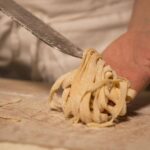
- What You’ll Make: A Range of Fresh Pasta
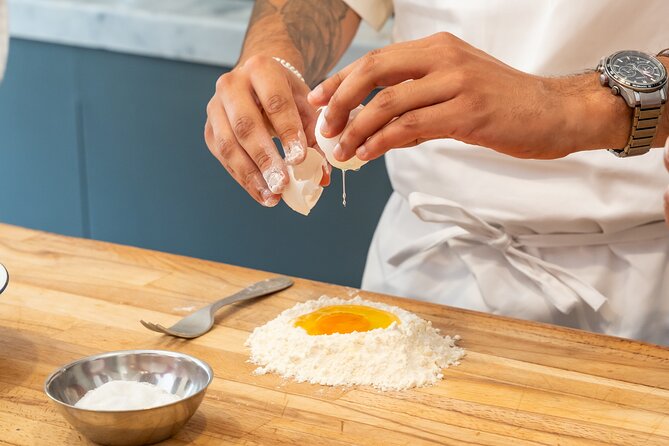
- The Hands-On Session: From Dough to Finished Pasta
- Cooking Up a Storm, Then Sitting Down
- Pairing and Taste: Why the Wine Part Works
- Duration and Timing: Why a 4:00 pm Start Can Be Perfect
- Meeting Point and Getting There Without Stress
- Private Class Feel: Why It’s Worth Paying Attention To
- Price and Value: What $34 Buys You in Rome
- Who This Experience Suits Best
- A Simple Strategy to Get the Most Out of It
- Should You Book the Pasta Factory Class?
- FAQ
- Where is the meeting point for the Pasta Factory Class?
- What time does the class start?
- How long is the experience?
- Is this experience private?
- What’s included in the meal?
- Are the wines part of the experience?
- Do I need to print a ticket?
- Can I cancel for a full refund?
- What’s the cancellation cutoff?
- Is the location near public transportation and are service animals allowed?
Key Things I’d Pencil Into Your Rome Schedule
- Private, just your group setup means more attention and less waiting around
- Historic pasta factory location with an old-meets-new industrial-loft feel
- Chef-led, technique-focused instruction—traditional methods with practical steps
- You cook, then you eat: appetizer, the pasta you make, dessert, and wine
- Local ingredients like organic produce and artisanal cheeses, sourced with care
The Pasta Factory Class in Rome: More Than a Cooking Demo
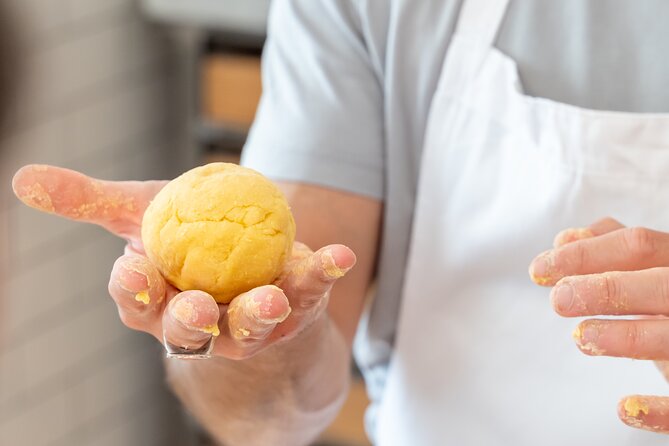
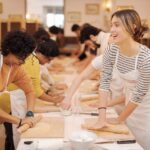
There are two kinds of cooking classes in Rome: the ones where you watch, and the ones where you actually make something. This Rome pasta-making experience is built for the second kind. You’re not just tasting—your hands are rolling, shaping, and working through the dough.
What makes it especially appealing is the full arc: you learn, you cook, and then you eat what you made in a relaxed family-style setting. That structure matters. It turns pasta-making from a single activity into a meal experience you’ll remember when you’re back on the street looking at menus.
And the fact that it’s a private class changes the mood. You’re not squeezed into the sidelines or stuck waiting for others to finish. Your group gets a more personal pace, which is a big deal if you’re traveling with friends, a partner, or a small family.
You can also read our reviews of more tours and experiences in Rome

The Setting: An Ancient Warehouse Feeling Like a Loft
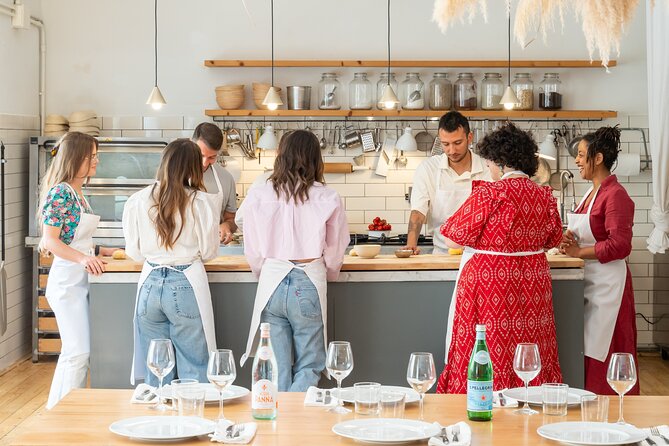
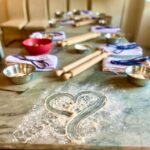
This class takes place in one of the city’s oldest pasta factories. The space is described as an ancient warehouse that’s been transformed into a modern loft, with art and industrial vibes in the room. That combination sounds like a design detail, but it affects the whole experience.
When a space feels more “made for working together,” pasta class doesn’t feel like a school. It feels like a workshop. You’re surrounded by the right kind of atmosphere for focus—flour on your hands, the sounds of cooking, and the calm rhythm that comes right before dinner.
Location-wise, you’ll start at Via degli Ausoni, 7 (00185 Roma RM). It’s also described as near public transportation, which is helpful in Rome where every transfer can either go smoothly or quietly turn into a mini adventure.
Your Chef and the Style of Instruction
The class is led by passionate professionals who teach both classic technique and practical shortcuts—things they learned through Italian cooking traditions. The goal is not just to get you to a decent bite. The goal is to get you to understand the dough.
One highlight from a prior session: the instructor named Lorenzo (a chef and restaurant owner) was described as high energy, patient, and kind, and he took time to explain the process. That kind of teaching style is exactly what you want in a pasta class: clear steps, room for questions, and confidence that you’re not going to be rushed through something delicate.
Even if you’re not an expert cook, you can still succeed here because the focus is technique you can repeat—working the dough, understanding texture, and learning what to look for as you go.
What You’ll Make: A Range of Fresh Pasta
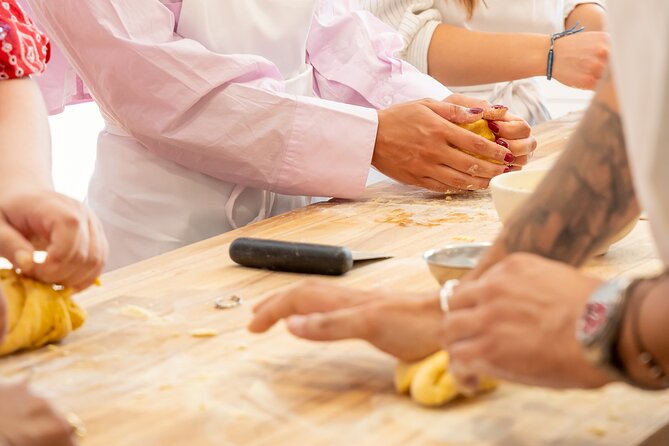
You’ll learn to make a range of fresh pasta by hand. The class description leans into traditional Roman methods, while the setting and “contemporary flair” keep it from feeling old-school and stiff.
You can think of this as learning the core pasta-making workflow rather than memorizing one shape for a single moment. When you learn the dough process and the basic mechanics of shaping, you’re better positioned to recreate pasta later (even if you don’t copy every step perfectly).
And the class emphasizes quality ingredients: organic produce and artisanal cheeses sourced locally. That matters because in fresh pasta, the dough and the flavor both depend on ingredient quality. It’s not just a class about cooking skills—it’s also a lesson in why Italian basics taste the way they do.
The Hands-On Session: From Dough to Finished Pasta
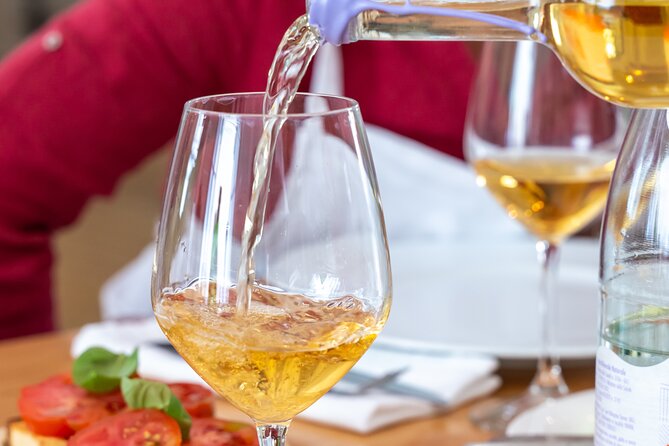
Here’s the practical reality of pasta-making classes: the dough is the hardest part until it isn’t. Once you understand how it should feel, everything gets easier—rolling, shaping, and then cooking.
In this class, you’ll work with top-quality local ingredients and follow the chef’s guidance through the process. The pacing is important: you’re cooking at the same time as you’re learning, which keeps it engaging. It’s also how you avoid the classic “I watched it, but I can’t do it” problem.
Expect a hands-on rhythm where you move through steps with the group, under professional direction. The best part is that you’re learning for results. This isn’t a “skills for later” workshop—it’s tied directly to the meal you’ll eat.
If you’re the type who likes to understand what you’re doing while you’re doing it, you’ll probably enjoy the detailed explanation style. If you’re the type who learns by doing, you’ll also be fine, because the class structure gives you plenty of time at the workstations.






Cooking Up a Storm, Then Sitting Down
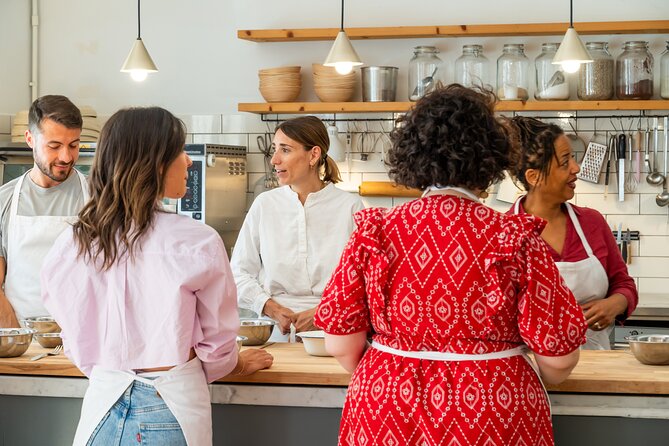
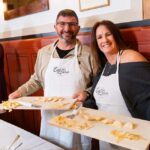
This is where a lot of Rome food experiences lose people—because they stop too soon. Here, the experience continues. After cooking, you sit down to a relaxed family-style meal.
Your meal includes:
- an appetizer
- the pasta you prepare
- dessert
- a selection of wines picked to complement the food
Family-style dining is one of those underrated travel upgrades. You end up eating like you’re part of the table, not just consuming a plate in a rush. And pairing wine with what you made is a smart touch. It makes the cooking lesson feel complete, like the class finally lands.
A note on the wine: it’s described as a hand-picked selection of local wines, and the tone is natural-wine friendly in the way the class is presented. If you don’t drink, you might still enjoy the meal experience, but this is clearly designed around the tasting aspect—so go in with that in mind.
Pairing and Taste: Why the Wine Part Works
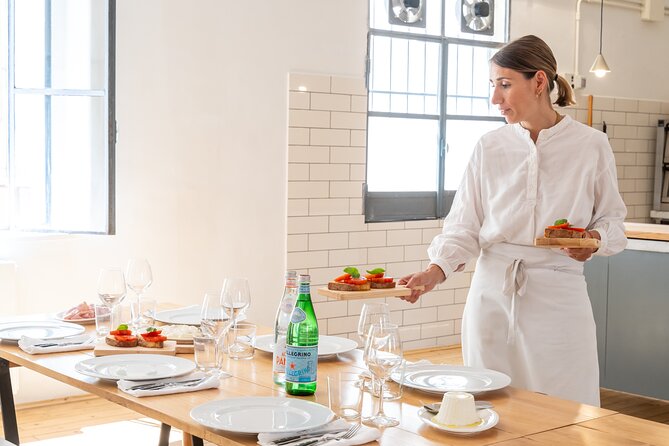
Wine pairing in classes often feels like an afterthought. Not here. The menu is tied to what you cooked, and the wines are chosen to complement the cuisine.
That pairing element changes how you taste. You stop eating on autopilot and start noticing what the pasta and the wine do together—how acidity, aroma, and texture can make a dish feel lighter or richer. Even if you’re not a wine expert, this kind of guided pairing gives you a better sense of what Italian producers aim for with food.
Also, in a setting where everyone just made pasta, the wine isn’t random. It feels like a continuation of the same theme: local ingredients, taught technique, then a shared table to enjoy the result.
Duration and Timing: Why a 4:00 pm Start Can Be Perfect
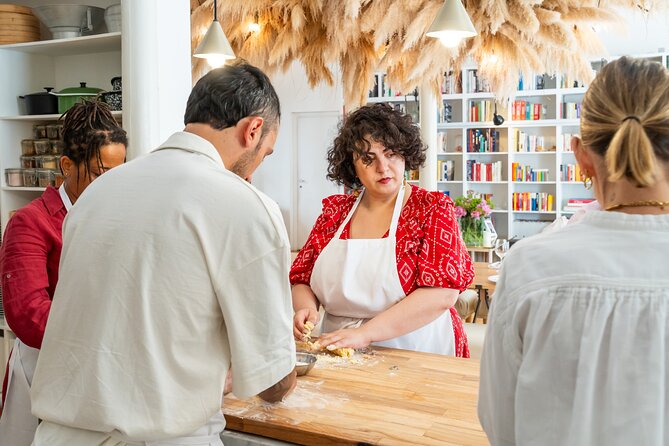
The start time is 4:00 pm, and the class is listed at about 3 hours (with the description also referring to a 4-hour class). In real life, that usually means you should plan for roughly 3 to 4 hours total.
This timing can be a sweet spot in Rome. You get a later-afternoon activity that doesn’t force an early morning wake-up, and it carries you right into dinner. If you’re tired from museums or long walks in the morning, this kind of food work can feel like a reset.
If your plan includes a major evening reservation, give yourself a buffer. Pasta classes end back at the meeting point, and once you’re done eating, you may need a little extra time to regroup.
Meeting Point and Getting There Without Stress
You’ll meet at Via degli Ausoni, 7, 00185 Roma RM. The class ends back at the same meeting point. It’s also described as near public transportation, which matters because Rome can be unpredictable on foot—especially if you’re combining sights with a timed ticket.
If you’re using maps on your phone, I suggest you check the route early and know what the neighborhood looks like before you go. Even when a place is “near transit,” the last few blocks can still feel like a mini maze.
The class uses a mobile ticket, which is convenient. You won’t need to find a printer or worry about paper receipts.
Private Class Feel: Why It’s Worth Paying Attention To
This is a private tour/activity, meaning only your group participates. That matters more than people think.
In a shared group class, you often end up waiting while others get help. In a private setup, instruction can be more direct, and the chef can spot issues sooner—especially with dough texture and cooking timing.
If you’re traveling with kids, it can also reduce the stress factor. The learning atmosphere tends to feel more relaxed when you’re not watching other groups at work.
And if you’re on a couple’s trip or a foodie getaway, the private nature makes it easier to talk with your chef and focus on the experience instead of managing the social side of a larger class.
Price and Value: What $34 Buys You in Rome
At $34, this isn’t just a tasting. You’re paying for a structured, chef-led experience that includes:
- hands-on pasta instruction
- ingredient access (including local and artisanal items)
- an appetizer, the pasta you make, dessert
- a selection of wines
Rome has no shortage of “food tours.” But not many include this level of involvement plus a complete meal. The value is in the combination: you learn skills and you eat the output right away.
Also, private classes tend to cost more than group formats. Because this one is priced in a way that still bundles instruction and meal, it’s a good sign that you’re not overpaying for the setting alone.
If you’re the kind of traveler who wants one memorable food activity that feels like it adds to your skills—not just your photos—this price can make sense.
Who This Experience Suits Best
This class fits well if you:
- want a hands-on Rome food experience instead of a passive meal
- enjoy Italian cooking technique and want to learn repeatable steps
- like the idea of eating what you make, family-style
- prefer a private setup for pacing and attention
It may be less ideal if you:
- dislike wine-focused meals
- need a very short activity slot in late afternoon
- want to stay completely hands-off (this is definitely hands-on)
If you’re traveling solo, a private class is still listed as private for your group, which can be ideal when you want full attention—just check how group size is handled at booking.
A Simple Strategy to Get the Most Out of It
Go in ready to work with dough. That means wearing comfortable clothes and being mentally prepared for a mess—flour happens in pasta class.
Also, come hungry. The class ends with a full meal, and the wines are part of the pairing. If you show up after a heavy lunch, you’ll feel it during the cooking and might enjoy the dining part less.
Finally, treat it like an evening meal plan. Don’t stack a dozen stops right before 4:00 pm. If you can keep the rest of your day lighter, you’ll enjoy the hands-on part more.
Should You Book the Pasta Factory Class?
I think you should book this if you want one standout Rome food experience that combines skills, local ingredients, and a complete meal in a setting that feels real rather than staged. The private format plus the chef instruction plus the family-style dinner with wine is a strong combo for the price.
Skip it if you’re only looking for a quick bite or you don’t want the wine-and-meal structure. Also, if you’re the type who hates longer activities, plan around the 3 to 4 hour slot.
If your goal is to leave with real technique and a full belly—this is the kind of class that delivers.
FAQ
Where is the meeting point for the Pasta Factory Class?
The class meets at Via degli Ausoni, 7, 00185 Roma RM, Italy.
What time does the class start?
The start time is 4:00 pm.
How long is the experience?
The duration is listed as approximately 3 hours, and the class description also refers to a 4-hour class.
Is this experience private?
Yes. It’s a private tour/activity, and only your group will participate.
What’s included in the meal?
You’ll enjoy an appetizer, the pasta you prepare, dessert, and a selection of wines.
Are the wines part of the experience?
Yes. The class includes a hand-picked selection of local wines to complement the meal.
Do I need to print a ticket?
No. It uses a mobile ticket.
Can I cancel for a full refund?
Yes, you can cancel up to 24 hours in advance for a full refund.
What’s the cancellation cutoff?
For a full refund, you must cancel at least 24 hours before the experience’s start time. If you cancel less than 24 hours before, the amount paid is not refunded.
Is the location near public transportation and are service animals allowed?
The meeting area is near public transportation, and service animals are allowed.