REVIEW · ROME
Rome: Cooking Class of fresh Pasta and Tiramisu Cake
Book on GetYourGuide →Operated by Pink Umbrella Tours · Bookable on GetYourGuide
Pasta dough is more fun than it sounds. This Rome class teaches you fresh hand-made pasta skills and then turns them into a full Roman meal, topped off with a creamy tiramisù you mix and assemble yourself. One thing to consider: it is not suitable for vegans and it’s also not for gluten or lactose intolerance.
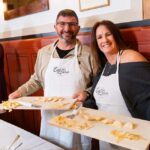
I like that it happens in a real Roman osteria, not a demo kitchen. You spend about 2.5 hours with an English-speaking chef who also shares a lot of food culture, and the vibe tends to be friendly and patient, with instructors such as Luca, Kris/Kristian, and Elisabeth showing up in past sessions.
At $58 per person, you are paying for more than food. You get the expert teaching, all ingredients and tools, plus a glass of wine and the chance to replicate both recipes at home with confidence.
In This Review
- Key things you’ll notice in this Rome cooking class
- Osteria San Giorgio: where the Rome kitchen lesson starts
- Learn fresh pasta techniques: knead, roll, cut
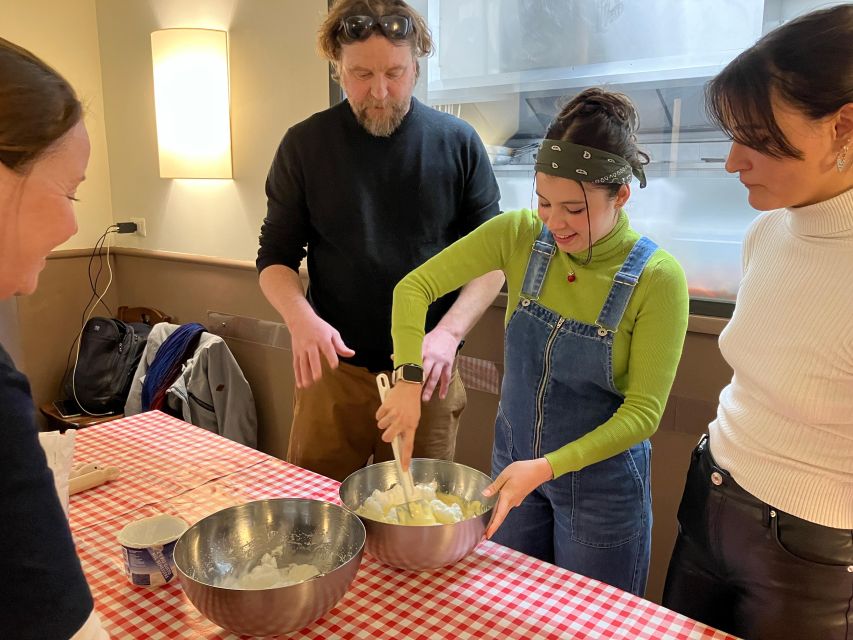
- Tiramisu technique: whipped, mixed, and creamy on purpose
- The 2.5-hour flow: from hands-on work to a full meal
- Italian food culture talk that actually connects to what you cook
- Wine with your meal: a small detail, big satisfaction
- Price and value: why $58 can make sense in Rome
- Who should book this class (and who should skip it)
- Practical tips to get the most out of your pasta and tiramisù class
- Should you book this Rome pasta and tiramisù class?
- FAQ
- Where is the meeting point for the cooking class?
- How long is the Rome cooking class?
- Is the class taught in English?
- What will I make during the class?
- What’s included in the price?
- Is the class suitable for vegans or people with gluten or lactose intolerance?
- Is the class wheelchair accessible?
- Can I reserve now and change plans later?
Key things you’ll notice in this Rome cooking class
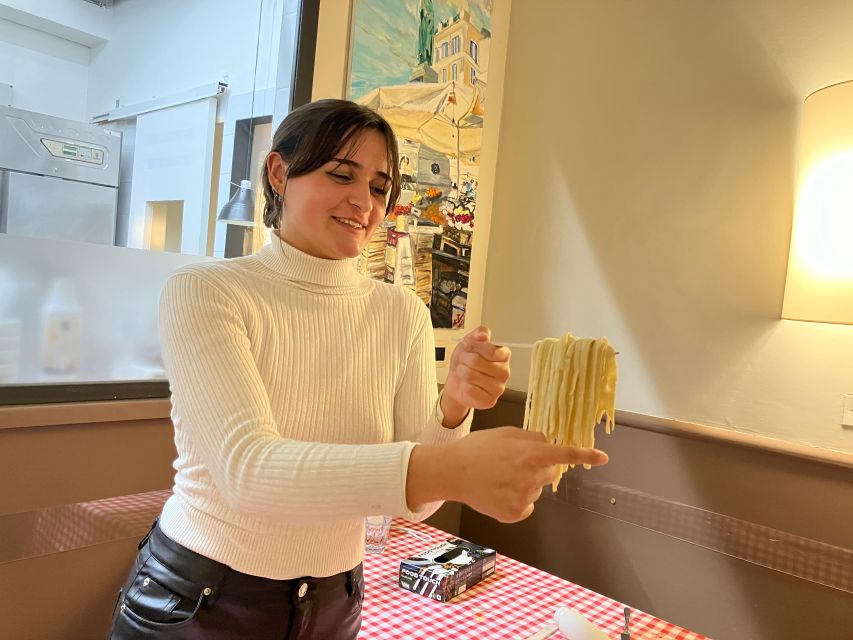
- You learn by doing: knead, roll, and cut fresh pasta with guidance
- Tiramisu technique focus: you whip, mix, and build a creamy dessert
- Authentic Roman osteria setting: the meal happens where locals actually eat
- English instruction: clear steps, plus culture talk while you work
- A complete eat-and-learn payoff: you leave having made and tasted everything
- Good fit for families: past classes have worked well for kids who could do the steps themselves
Osteria San Giorgio: where the Rome kitchen lesson starts
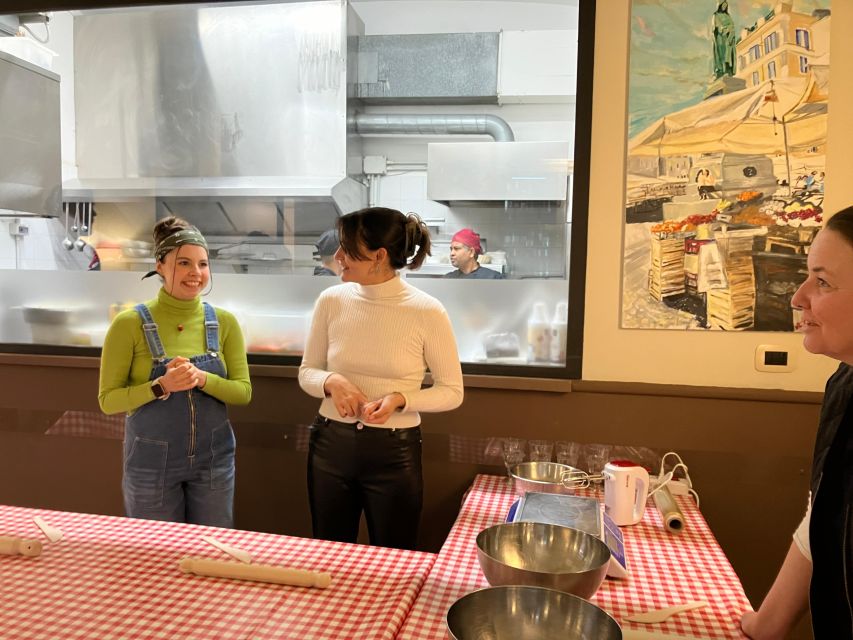
This class starts at Osteria San Giorgio, so right away you’re in the right mood. You’re not touring a museum. You’re stepping into an operating Roman dining room where food is the point.
What makes the location more than just a backdrop is the tone it sets. Cooking classes can feel staged and distant. Here, you’re in an osteria atmosphere, and that makes the whole experience feel like a real Roman meal day, not a one-off performance.
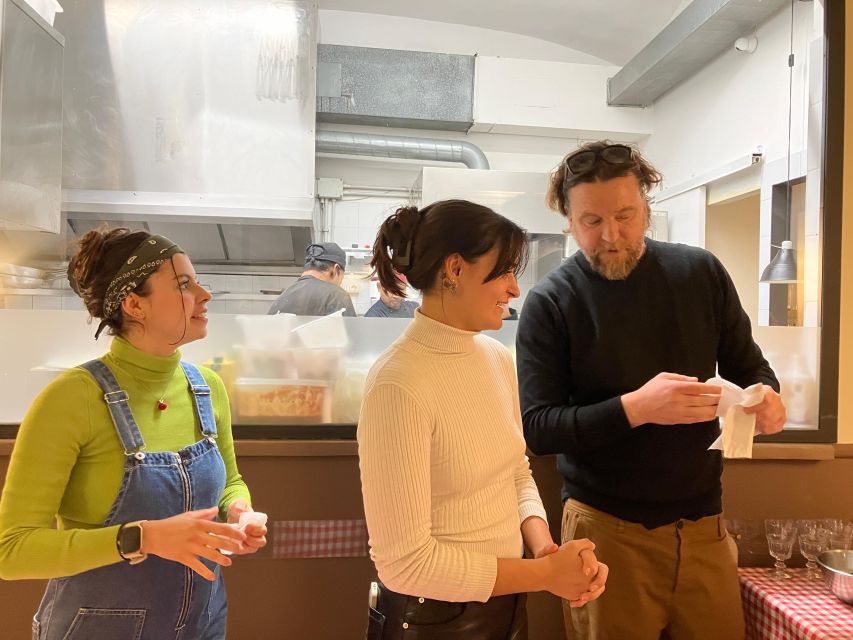
You’ll also be in good hands with an English-speaking instructor. Past sessions have included chefs like Luca, Kris/Kristian, and Elisabeth, and the common thread is patience and warmth—especially when people are learning something new with flour on their hands.
You can also read our reviews of more cooking classes in Rome

Learn fresh pasta techniques: knead, roll, cut
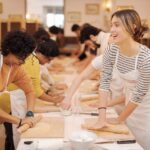
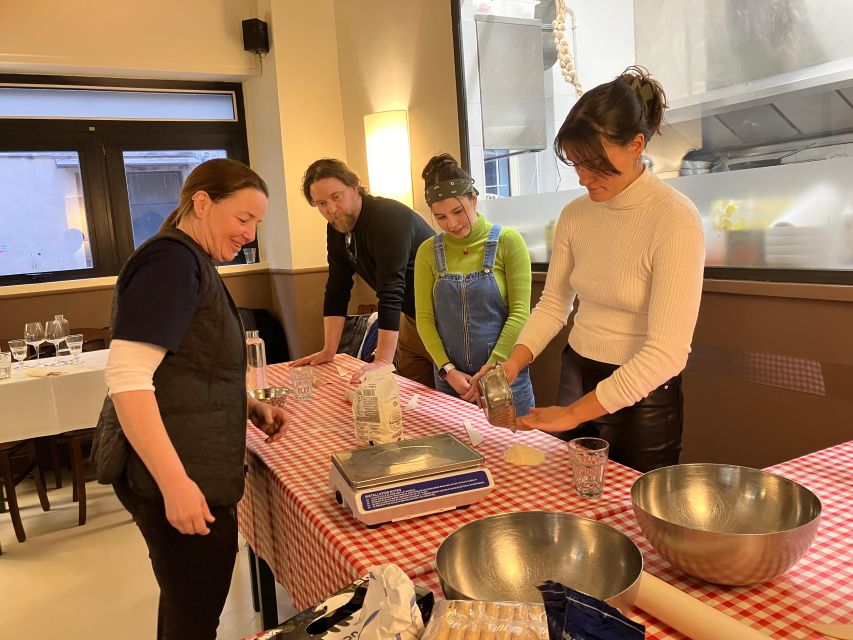
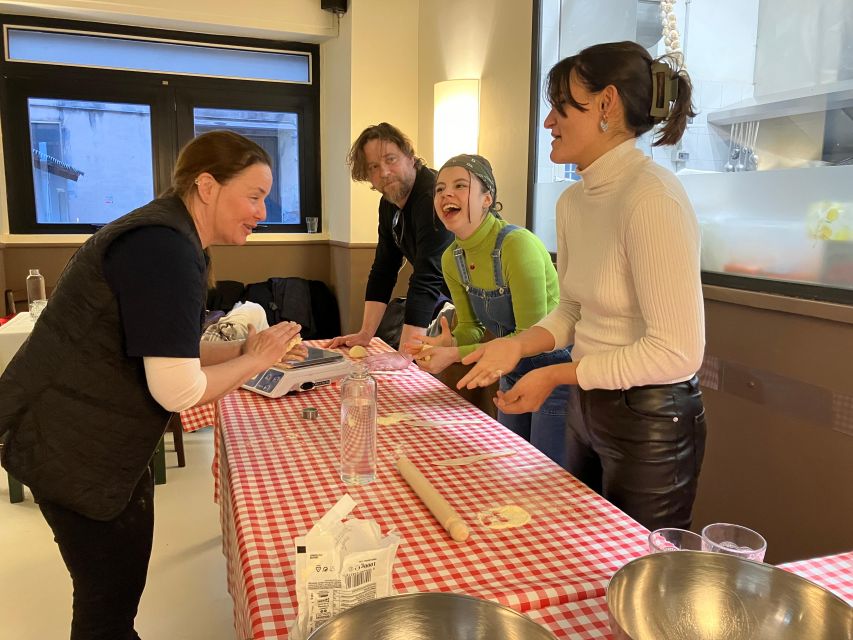
The heart of the class is the pasta work. You’re taught how to knead, roll, and cut fresh pasta dough by actively doing each step, not just watching it happen.
Fresh pasta is one of those skills that sounds intimidating until you actually touch it. Kneading is where you learn what the dough feels like when it’s going in the right direction—smooth, elastic, and cooperative instead of stiff or sticky. Rolling is where precision matters, but you don’t need special equipment or advanced skill. With instruction, you learn how thickness affects the final texture.
Then comes the cutting. This part is satisfying because you can see your work turn into something that looks like real pasta, not just dough on a table. You’ll have a practical sense of how the shapes come out and what to adjust next time at home.
The big value here is that you’re building muscle memory. Even if you never make pasta daily, you’ll walk away knowing the sequence and the feel behind the steps. That’s what lets you repeat the recipes later.
Tiramisu technique: whipped, mixed, and creamy on purpose
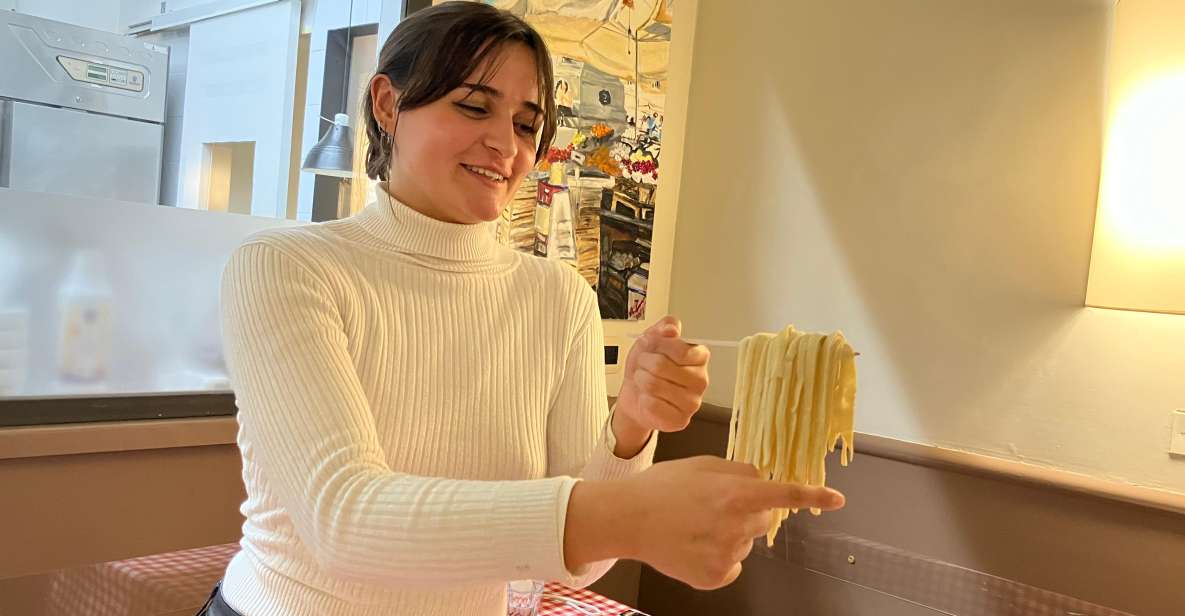
After pasta, the class shifts to dessert: tiramisù. And the emphasis is on making it creamy and smooth, not sugary chaos.
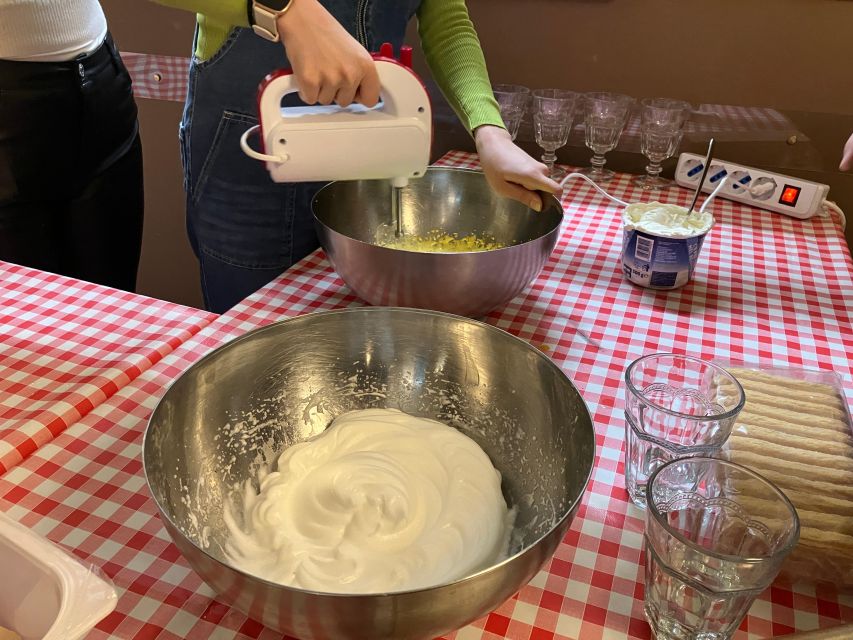
You’ll learn how to whip and mix the components and then create the dessert as a finished dish. The process matters because tiramisù is all about texture. The cream needs to be airy and properly blended, and the layers need to come together cleanly.
If you’ve ever had tiramisù that tasted good but looked messy, you’ll appreciate the guidance here. When you assemble it yourself, you understand how careful mixing and timing influence the final result.
This is also where the class feels most rewarding. Pasta can be a skill-building exercise. Tiramisu feels like a real win because once it’s assembled, you can finally slow down and enjoy what you made.
The 2.5-hour flow: from hands-on work to a full meal
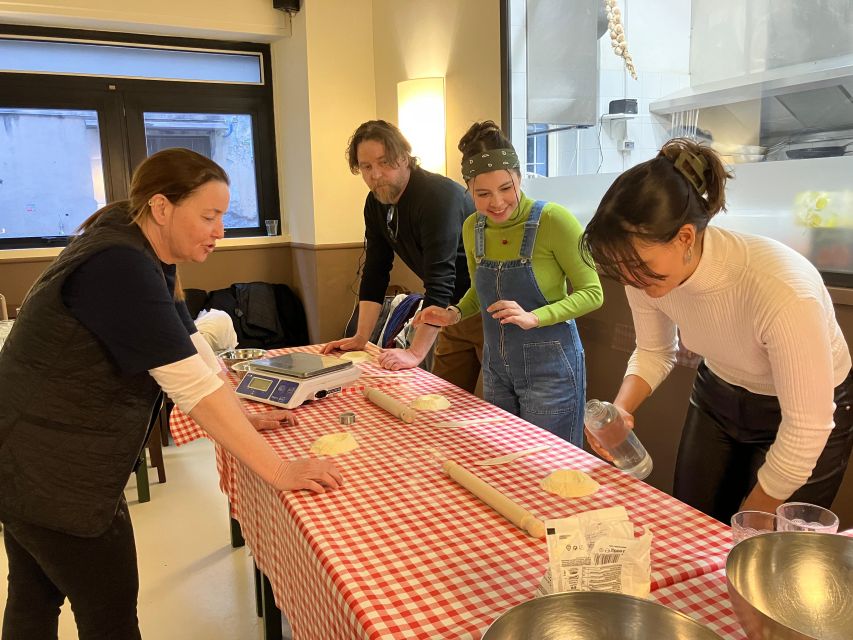
This isn’t a rushed “watch and leave” experience. It’s structured around building two things: fresh pasta and tiramisù, and then eating the results.
The pacing usually goes like this:
- You start with pasta preparation and practice kneading, rolling, and cutting.
- Then you move into the tiramisù mixing and assembly.
- Finally, you sit down to enjoy your self-made meal with a glass of fine wine.
The duration is 2.5 hours, which is long enough to learn without turning the day into a marathon. It’s also short enough that you can still do other Rome sightseeing afterward without feeling wrecked.
One practical consideration: you’ll be actively working, so plan to arrive ready to roll up your sleeves. Flour is part of the deal. Wear something comfortable that you don’t mind getting a little messy.
Italian food culture talk that actually connects to what you cook
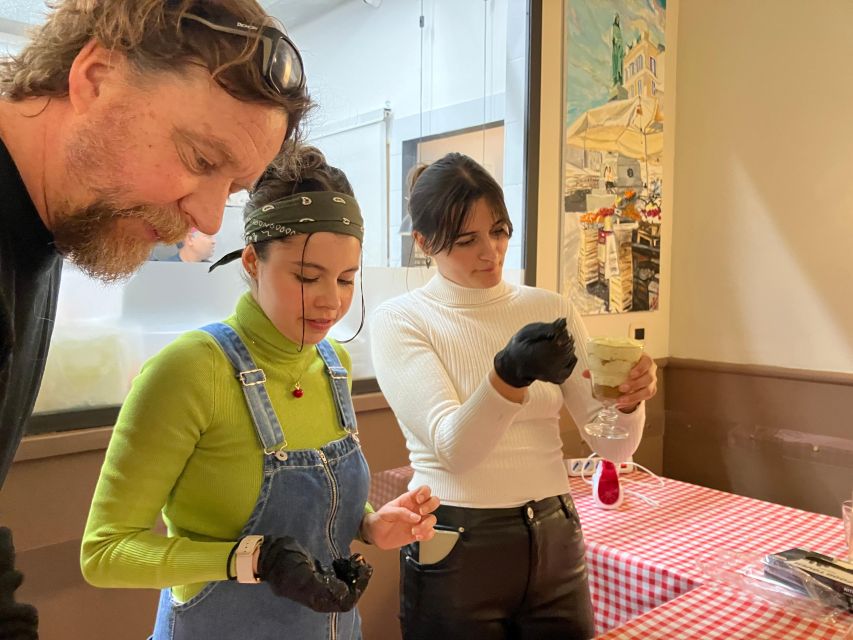
What I like about this class is that the chef doesn’t treat cooking like a worksheet. You spend time learning about Italian food culture while you work, not as an afterthought.
This matters because it explains the why behind the technique. When you understand how Italians think about simple ingredients and careful preparation, you stop treating pasta and tiramisù like complicated dishes reserved for restaurants. You start seeing them as repeatable home skills.
You also get a sense of what “good” means in Italian cooking: not fancy decoration, but texture, balance, and basic respect for ingredients. That’s exactly the kind of context that helps you get better on your second try at home.
You can also read our reviews of more tours and experiences in Rome



Wine with your meal: a small detail, big satisfaction
You’ll enjoy your self-made meal with a glass of fine wine. It’s not just a nice add-on. It reinforces the point of the whole experience: you’re learning cooking as something connected to eating, sharing, and enjoying.
For many people, this is the moment the class “clicks.” You go from hands-on work to tasting what your effort produces, in the same setting where the chef is guiding you.
And because the wine is part of the meal experience, the class feels more complete than a dessert-only session or a pasta-only demo.
Price and value: why $58 can make sense in Rome
Let’s talk money in plain terms. At $58 per person for a 2.5-hour hands-on cooking class, you’re paying for:
- An expert instructor who teaches skills step-by-step
- All ingredients
- All utensils
- Food and wine as part of the meal
For a lot of travelers, that price feels fair when you compare it to two alternatives: paying for a meal at a restaurant and then later paying for a separate lesson or trying to learn from scratch at home. This class bundles learning + ingredients + tools + the finished meal.
The strongest value isn’t that you get to eat pasta and tiramisù. It’s that you leave with a repeatable framework. You know how the dough should behave, how to roll and cut, and how tiramisù comes together. That turns the experience into a skill you can use again.
If you like cooking, this is the kind of activity where the cost feels justified because you’re not just consuming. You’re making.
Who should book this class (and who should skip it)
This class is a great match if you want:
- A hands-on intro to fresh pasta techniques
- A dessert win with tiramisù made by you
- An English-friendly class with a supportive chef
- A Rome food experience that feels like an actual meal day
It’s also been a good fit for families. In past sessions, kids were able to do the steps themselves, and that’s a strong sign the teaching style supports different comfort levels.
But skip it if you are:
- Vegan
- Gluten intolerant
- Lactose intolerant
Those dietary limits are explicit, and you’ll likely have trouble finding safe substitutes in this specific format.
Also note: the class is wheelchair accessible, so you can plan around that with confidence.
Practical tips to get the most out of your pasta and tiramisù class
A few simple things will help you enjoy the session more and worry less:
- Wear comfortable clothes you don’t mind getting a little flour on.
- Come hungry. You’ll work for your meal, and you’ll want to taste everything at the end.
- If you’re new to cooking, focus on learning the feel of each step. Even if your first batch isn’t perfect, the technique is what you’re buying.
- Ask questions during the work, not after. The chef’s best explanations come while you’re actively kneading and mixing.
If you want a souvenir that isn’t a magnet, this is it: you get the recipes and the know-how to recreate Roman classics later.
Should you book this Rome pasta and tiramisù class?
If your goal is to learn real, practical skills while eating in an authentic Roman osteria setting, I’d book it. The combination of fresh pasta instruction and tiramisù assembly gives you two big wins in one short 2.5-hour block, and the “eat what you make” payoff is strong.
I’d think twice only if your dietary needs are strict (vegan, gluten, or lactose intolerance). And if you want a passive sightseeing experience, this is the wrong direction. This is active cooking time, flour included, with an English-speaking chef guiding you through every step.
If that sounds like your kind of Rome day, you’ll likely love it.
FAQ
Where is the meeting point for the cooking class?
The meeting point is at Osteria San Giorgio.
How long is the Rome cooking class?
The duration is 2.5 hours.
Is the class taught in English?
Yes, the instructor teaches in English.
What will I make during the class?
You will make fresh hand-made pasta and tiramisù cake.
What’s included in the price?
The class includes a professional expert, all ingredients, all utensils, plus food and a glass of fine wine.
Is the class suitable for vegans or people with gluten or lactose intolerance?
No. It is not suitable for vegans, and it is not suitable for people with gluten intolerance or lactose intolerance.
Is the class wheelchair accessible?
Yes, it is wheelchair accessible.
Can I reserve now and change plans later?
Yes. You can reserve now & pay later, and you can cancel up to 24 hours in advance for a full refund.