REVIEW · ROME
Rome by Night Private Walking Tour
Book on Viator →Operated by Rome Guides · Bookable on Viator
Rome looks different after dark. This Rome by Night private walking tour turns the usual checklist into a guided story, with major stops like the Roman Forum and Pantheon paced for the evening. I especially like the way the route uses night lighting to make big monuments feel less crowded and more dramatic. I also like how the guide connects what you’re seeing to how Rome changed over time, from legends to empire power.
One thing to consider: it’s a 2.5-hour night walk, so comfortable shoes and a moderate fitness level matter. It’s not a sit-down tour, and the darker streets mean you’ll want to stay aware of uneven pavement.
In This Review
- Key highlights to expect
- Starting at Piazza del Colosseo, ending at Piazza Navona
- Roman Forum after dark: from Romulus to Rome’s fall
- Trajan’s Column: conquest turned into political messaging
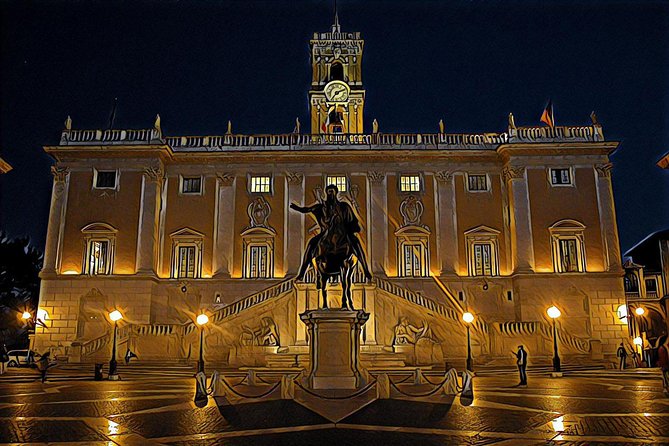
- Piazza del Campidoglio at sunset-to-night: Michelangelo’s Renaissance view
- Julius Caesar’s murder site: why the story is so dramatic
- The Pantheon: Roman engineering and religion, right where you stand
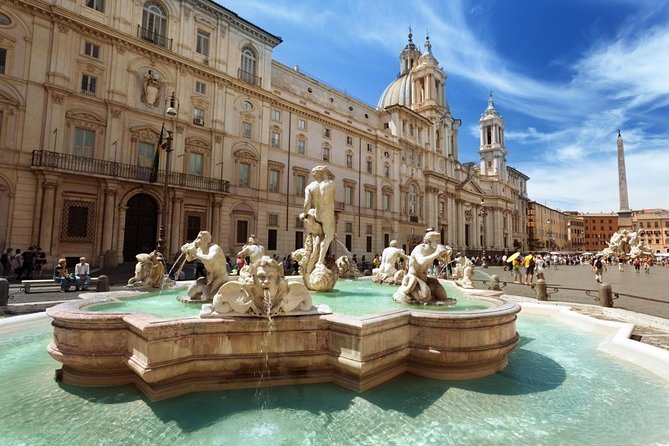
- Navona Square after dark: Baroque Rome with Bernini and Borromini
- The guide experience: where the tour earns its 5-star rating
- Price and value: what $157.28 buys you in Rome
- Practical tips for a smooth night walk
- Who this tour suits best
- Should you book Rome by Night Private Walking Tour?
- FAQ
- What time does the Rome by Night Private Walking Tour start?
- How long is the tour?
- Where is the meeting point and where do we end?
- Is this tour private?
- What’s included in the price?
- What language is the tour offered in?
- Will I get a mobile ticket?
- Are service animals allowed?
- Is there free cancellation?
Key highlights to expect
- Night-first views over the Roman Forum, when the lights soften the crowds and angles
- Forum storytelling that moves from Rome’s founding myths to the empire’s fall
- Trajan Column stop tied to conquest and power
- Michelangelo’s Piazza del Campidoglio with a Renaissance perspective
- Pantheon timing to appreciate Roman engineering and worship in one stop
- Baroque art conversation at Navona Square with Bernini and Borromini
Starting at Piazza del Colosseo, ending at Piazza Navona
The tour meets at Piazza del Colosseo, 21 at 8:30 pm, then finishes at Piazza Navona. That matters because it puts you in the most memorable part of the day: evening time when you can see the city’s glow without the all-day crush.
You’re on a private walking experience with only your group, so the pacing can flex around questions. It’s also offered in English, with a mobile ticket, and it’s set up to be easy to get to with nearby public transportation. There’s no hotel pickup or private transportation included, so you’ll plan to arrive under your own power and meet at the stated square.
At about 2 hours 30 minutes, you’ll cover a handful of Rome’s biggest names—Colosseum-area history, Forum sights, Michelangelo’s viewpoint, the Pantheon, and Navona Square—without rushing like you’re trying to win a race against the clock.
You can also read our reviews of more walking tours in Rome
Roman Forum after dark: from Romulus to Rome’s fall
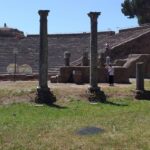
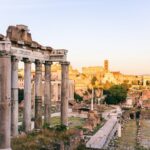
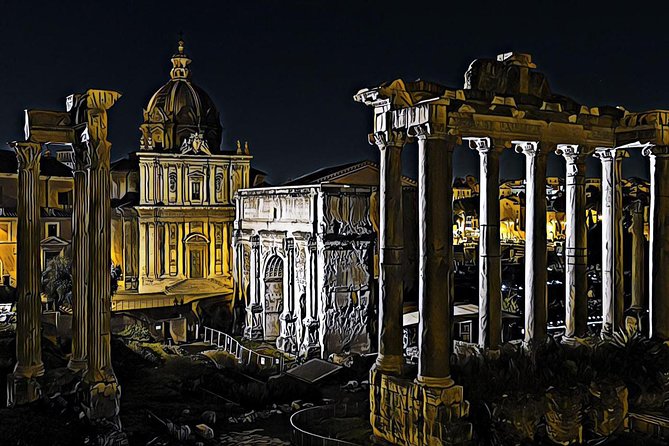
Your first real focus is the Roman Forum ruins, where the guide builds a timeline you can actually see. The walk starts with Rome’s mythological foundation, tied to Romulus, then moves forward through the big political shifts that shaped the empire.
This stop is valuable because the Forum can feel like piles of stone if you only read signage. With a guide, it becomes a sequence: who mattered, what power looked like, and why later Rome transformed so drastically. The “after dark” timing also helps you notice details you might miss in daylight—lines of walls, arches, and spatial relationships that make the city feel like one connected site, not separate attractions.
A practical note: night walking means you’ll want your eyes on the ground as well as the buildings. The route is designed for an evening pace, but you’ll still be moving through an archaeological area where surfaces aren’t always smooth.
Trajan’s Column: conquest turned into political messaging
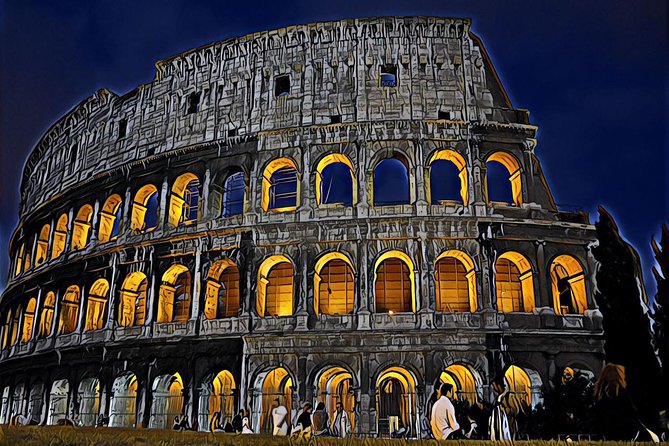
Next comes a major power symbol: Trajan’s Column. This is one of those monuments where the story isn’t just Roman history—it’s Roman strategy. The tour frames Trajan as one of the emperors who expanded Rome’s reach, including campaigning toward Romania, and you’ll connect the idea of empire-building with the column’s presence and purpose.
Why I think this stop works well on a night tour: you’re not standing around waiting for crowds to thin. You’re walking through the historical narrative while the city stays active but quieter. That keeps the focus on meaning instead of managing foot traffic.
If you like political history—leadership, legitimacy, propaganda—this is the kind of stop that makes everything else click. You can also use it as a mental anchor: once you understand how emperors used spectacle and message, the rest of the itinerary feels less like a list and more like a system.
Piazza del Campidoglio at sunset-to-night: Michelangelo’s Renaissance view
From the ancient layers you move into Renaissance Rome with Piazza del Campidoglio, described as the best example of Renaissance architecture, created by Michelangelo. This stop isn’t only about admiring a famous square. The guide points you toward why it’s designed the way it is—how Renaissance Rome staged authority and meaning using classic forms.
Then you get something practical and memorable: from here, you enjoy an incredible view over the Roman Forum. At night, that view changes the mood of the ancient site. The lights help the Forum look less like ruins and more like a living stage set—so you get a sense of scale that photos often miss.
One consideration: if your phone battery is low, charge beforehand. You’ll want a few photos from this viewpoint, but also remember the real value is seeing the site in relation to the city around it.
Julius Caesar’s murder site: why the story is so dramatic
Walking by this archaeological area, the tour tackles a heavy moment: the real place of the murder of Julius Caesar. The guide explains not just what happened, but why it became the kind of turning point that changes the direction of empires.
This stop matters because it’s where Rome stops being “ancient tourism” and becomes political drama. You’ll talk through the reasons behind Caesar’s fame and the forces that made his end matter so much. Even if you already know the broad story, hearing it connected to the space you’re standing in makes it feel less like a chapter in a book and more like a cause-and-effect moment.
Night helps again here. When a place is dim and quiet, you can feel the weight of the history more easily than when everyone’s talking over each other.
You can also read our reviews of more private tours in Rome



The Pantheon: Roman engineering and religion, right where you stand
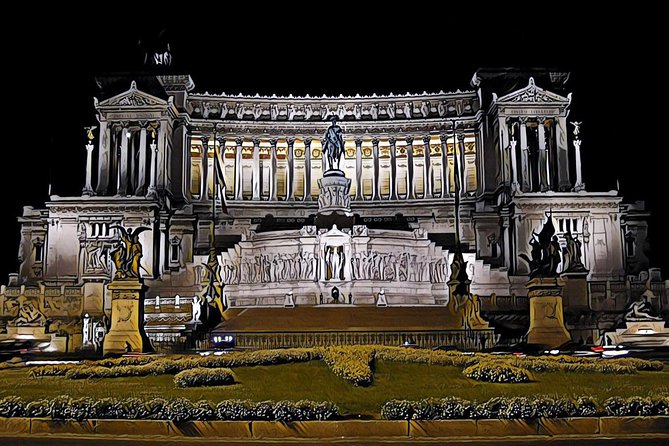
The itinerary’s Pantheon stop is built for impact. It’s described as the best preserved building from ancient Rome, and that’s exactly why it works. You get to understand Roman engineering, architecture, and religion in one place without needing to piece everything together later.
This is also a smart choice for an evening tour because the Pantheon’s scale and structure can feel even more striking when lighting is lower. Even if you’ve seen pictures, the real value is in how the spaces and materials read on the ground. You’ll walk away understanding that Roman architecture wasn’t just about decoration. It was about function, belief, and impressing power through design.
If you like practical architecture—how buildings were made to last—this is one of the best stops on the route.
Navona Square after dark: Baroque Rome with Bernini and Borromini
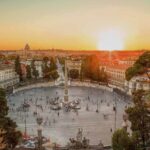
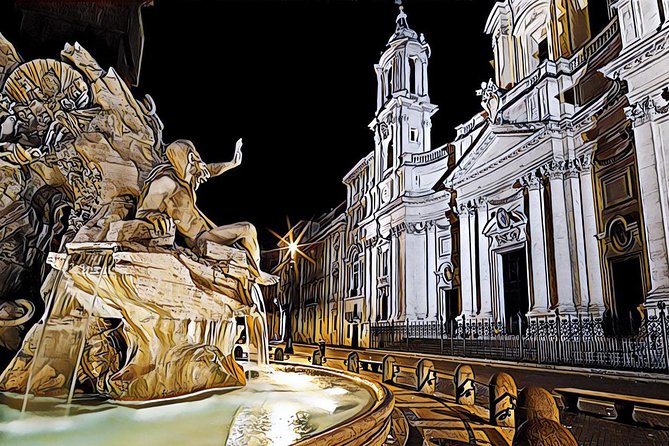
You finish at Piazza Navona, where the tour focuses on a Baroque look at Rome. The square is presented as decorated by major artists, including Bernini and Borromini, with a chance to talk about art history and life in Rome back then.
This stop is a good closing note because it shows Rome’s layers, moving from ancient power into Renaissance and then into Baroque style. You end in a lively square, which is a practical bonus: you’re not trekking back across multiple neighborhoods after your tour ends.
One small drawback to keep in mind: Navona’s central area can be busy even at night. So plan for a little extra movement and keep your group together when heading toward your next stop on your own.
The guide experience: where the tour earns its 5-star rating
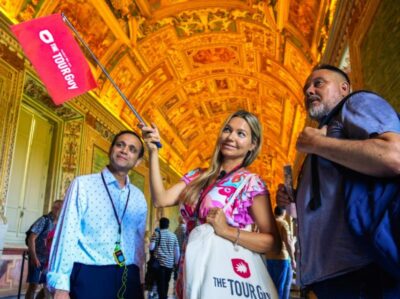
This tour’s best reviews agree on one thing: the guide makes it feel like a real conversation, not a lecture on repeat. I’ve seen examples of guides like Barbara, who starts at the Colosseum area and stays highly informative while moving from the Forum to the Pantheon and related sights. On request, she can also point you toward a great gelato place and offer advice on an excellent tiramisu—small touches that help you turn the walk into a complete evening.
Another highlight I’ve picked up from guide styles on this tour is how Vincent keeps families engaged by asking questions along the way. That matters because the itinerary can be heavy on names and eras, and the only way it stays fun is if the guide checks in with what you’re curious about. In one example, the conversation kept going about history, and the tour ran a bit longer than scheduled because the guide and group didn’t want to stop.
So here’s my advice: come with a couple of real interests—emperors, art, architecture, or political power—and you’ll get more out of the story. If you’re traveling with teens or adults who get restless on museum tours, this kind of interactive pacing is a big part of why the experience rates so highly.
Price and value: what $157.28 buys you in Rome
At $157.28 per person for about 2 hours 30 minutes, you’re paying for two main things: a private guide-level experience and a night-friendly route that covers top landmarks without feeling like a cattle line.
Is it cheap? No. But it can be good value if:
- You want the guidance of a professional local guide rather than wandering and reading everything yourself.
- You’re trying to see multiple “big name” sights in one evening without spending separate days planning.
- You value context—how legends, emperors, architecture, and art connect.
There’s also group discounts, which can help if you book with more people. And because it’s private, you avoid the stop-and-go rhythm that often kills momentum on group tours.
The other value is timing. In a city like Rome, being out at night when crowds shift can make the same landmarks feel different. That’s not “less stuff”—it’s the same stuff delivered with better atmosphere.
Practical tips for a smooth night walk
Here’s how I’d set yourself up for a good experience.
First, wear comfortable shoes. You’ll be moving through outdoor spaces and archaeological areas, and it’s dark enough at night that your footing matters.
Second, plan your arrival so you’re not rushing. The meeting point is right by Piazza del Colosseo, near taxi stations, and the start time is 8:30 pm. Since there’s no pickup, being late means starting in the wrong mood—Rome’s streets are better when you’re not sprinting.
Third, expect the tour to be conversation-friendly. If you ask a good question, the guide may spend extra time on that thread. That’s a positive, not a problem. Just know you might not be perfectly time-boxed.
Fourth, bring a basic layer. Even in warm months, evenings can feel cooler once you walk outside for an extended period.
Who this tour suits best
This is a strong fit if you:
- Want a history-led evening rather than a photo-only route
- Prefer quieter nighttime walking over daytime crowds
- Travel with a group that includes people who get bored easily and want the guide to keep engaging them
- Appreciate architecture and art history, not just famous names
It’s less ideal if you want a totally relaxed, minimal-walking plan. This is built for moving and learning, with a moderate physical fitness level requirement.
Should you book Rome by Night Private Walking Tour?
If you’re deciding between wandering on your own and booking a guide, this one leans toward the guided side. I’d book it when you want Rome’s biggest sites explained as part of one story—from Rome’s mythic beginnings and imperial power to Renaissance and Baroque masterpieces. The night format adds a real payoff: it’s less about checking boxes and more about how the city feels under lights.
On the flip side, if you hate darkness or dislike active walking, pause. This tour is still outdoors and paced for evening sightseeing.
If your group wants an organized route, strong guiding, and a memorable end at Piazza Navona, this is the kind of night tour that can turn an ordinary evening into something you’ll talk about later.
FAQ
What time does the Rome by Night Private Walking Tour start?
The tour starts at 8:30 pm.
How long is the tour?
It lasts about 2 hours 30 minutes.
Where is the meeting point and where do we end?
You’ll meet at Piazza del Colosseo, 21, 00184 Roma RM, Italy and the tour ends at Piazza Navona, 00186 Roma RM, Italy.
Is this tour private?
Yes. It’s private, meaning only your group participates.
What’s included in the price?
The tour includes a professional guide and a local guide. Hotel pickup/drop-off and private transportation are not included.
What language is the tour offered in?
The tour is offered in English.
Will I get a mobile ticket?
Yes. It includes a mobile ticket.
Are service animals allowed?
Yes, service animals are allowed.
Is there free cancellation?
Yes. You can cancel for a full refund if you cancel up to 24 hours in advance of the experience’s start time.