REVIEW · ROME
Rome Best Squares & fountains Walking Tour
Book on GetYourGuide →Operated by Guydeez Tours · Bookable on GetYourGuide
Rome can feel like a maze. This 2-hour walk turns it into a story with stops that make sense.
I like the way this tour uses Rome’s squares and fountains as your roadmap. You start near Piazza Mignanelli, then you work your way through iconic Baroque spaces and major Roman landmarks, with a guide who helps you connect what you’re seeing to what it meant and why it matters.
The big win for me is the private, customizable format. You’re not squeezed into someone else’s script, and the guide can steer the pace toward what you care about most. One possible drawback: it is only 2 hours, so you will move fairly quickly between highlights.
In This Review
- Key things you’ll notice on this Rome squares-and-fountains walk
- Starting at Piazza Mignanelli: you begin where Rome is easy to read
- The rise up to Santissima Trinità dei Monti for real viewpoints
- Piazza Navona: from ancient Stadium to Baroque showpiece
- The Column of Marcus Aurelius: a detail stop that feels like a shortcut
- Rione IV Campo Marzio: the quick photo stop that improves the whole route
- Trevi Fountain: iconic sight, guided so it stays meaningful
- Pantheon: the Roman temple moment you’ll actually remember
- Sant’Ignazio di Loyola: the church stop that often surprises people
- Private pacing and the guide’s role: why 2 hours feels like more
- Price and value at $41 for a private 2-hour walk
- Who should book this tour (and who might want something else)
- FAQ
- How long is the Rome Best Squares & Fountains walking tour?
- How much does it cost?
- Where does the tour start?
- Is the tour private?
- What main sights do we see?
- Does the tour include transportation?
- What language options are available for the guide?
- Is food or drink included?
- Is this tour wheelchair accessible?
- Should you book this tour?
Key things you’ll notice on this Rome squares-and-fountains walk
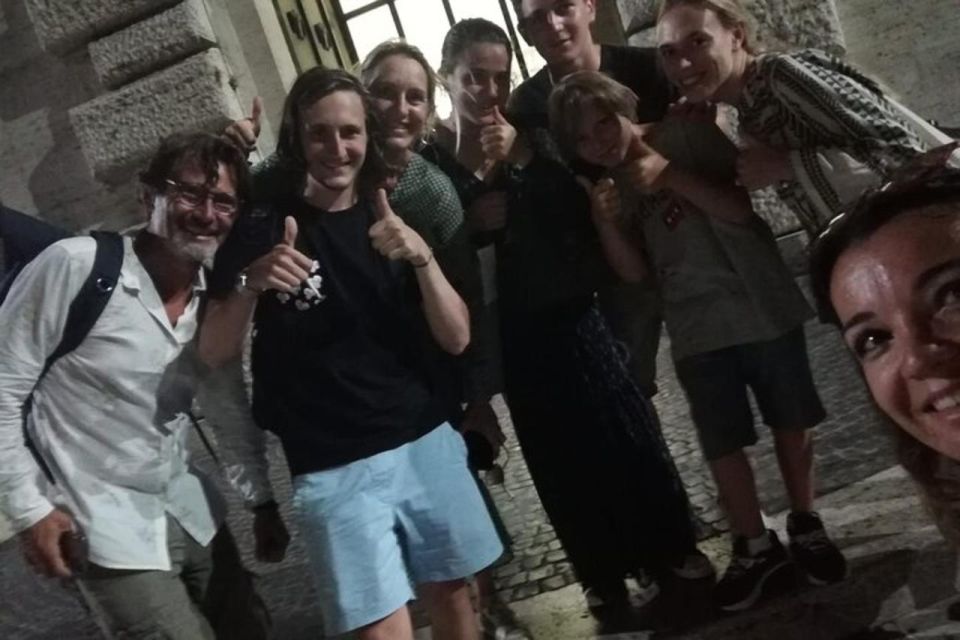
- Private and exclusive: you won’t be sharing with other groups
- Spanish Steps area to Trevi Fountain: a classic arc with smart sequencing
- Piazza Navona’s Baroque craftsmanship: you’ll look for the work of Bernini and Borromini
- Pantheon included: a major Roman temple experience with a guide to frame it
- Column of Marcus Aurelius: you’ll know what details to look for, not just where to stand
- Wheelchair accessible: routes and pacing can be planned around your needs
Starting at Piazza Mignanelli: you begin where Rome is easy to read
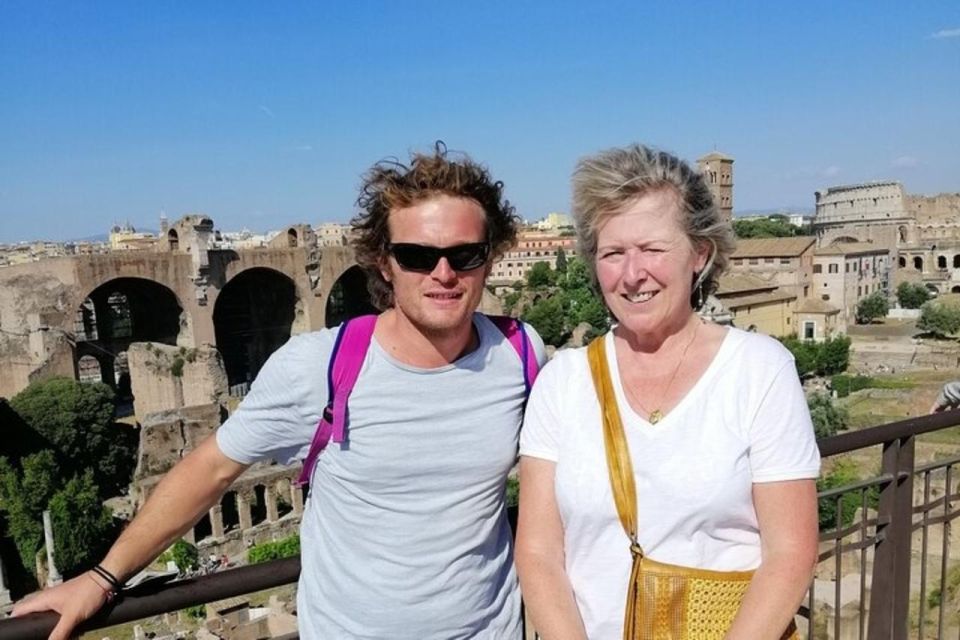
Your tour starts at Piazza Mignanelli, a central meeting point by the Spanish Steps area and Via del Corso. That location matters because it gets you into the middle of the action fast, without the stress of figuring out transit or street layouts on your own.
From there, you head through the nearby streets and landmarks in a way that helps you build a mental map. Even if you have only a day or two in Rome, this kind of “guided orientation” makes later self-guided wandering much easier.
A small but helpful detail: the experience is designed around short photo/visit segments, so you’re not stuck standing still too long. You also get to benefit from the guide’s local comfort with the area—useful when you want to step aside, regroup, or ask a question on the spot.
You can also read our reviews of more walking tours in Rome

The rise up to Santissima Trinità dei Monti for real viewpoints
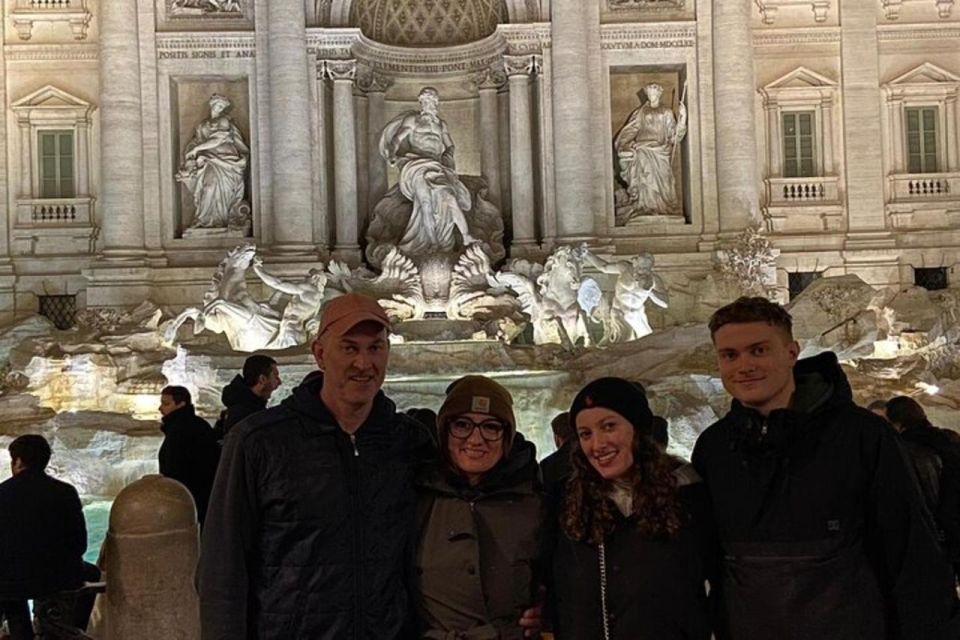
A key early moment is heading up toward Santissima Trinità dei Monti, the church in the Spanish Steps zone. The tour frames it as a late Renaissance gem, and the big payoff here is the panoramic perspective over Rome.
Why I like this stop: it changes your perspective. You’re not just looking at monuments at street level. You’re seeing Rome from a higher angle, which makes the rest of the route feel more connected instead of like a random list of famous places.
There’s also a practical angle. Since the tour is only 2 hours, you want the time to count. A viewpoint stop at the front end gives you context early, so later places like Trevi and the Pantheon land harder because you understand where everything sits in the city.
Piazza Navona: from ancient Stadium to Baroque showpiece

Next, you reach Piazza Navona, and this is where the tour earns its name. You’re not just passing a pretty square—you learn how it connects to the ancient Stadium of Domitian and then how it became a stage for Baroque splendor.
The guide points you toward details tied to major artists—Gian Lorenzo Bernini and Francesco Borromini—so your eyes know what to hunt for. That turns Piazza Navona into more than a backdrop for photos. It becomes a lesson in how Rome reuses space across centuries.
Also, the square’s fountains along the perimeter are part of the experience, and you get time to walk the open expanse rather than only snapping one quick picture. If you like architecture and you want your photos to match what you’re actually seeing, this is a strong stop.
One consideration: because Piazza Navona is a major sightseeing area, you may find it busier than quieter corners. The private format helps—you can ask the guide to choose when to pause and where to reposition.
The Column of Marcus Aurelius: a detail stop that feels like a shortcut
One of the most fun parts of this kind of tour is when it teaches you how to look. The Marcus Aurelius Column stop is built for that. You get a photo stop, a guided look, and time to really notice carvings.
The tour specifically highlights the column’s carved scenes, and it even draws a connection to the type of epic storytelling you might recognize from the movie Gladiator. That’s a clever framing because it gives you a reference point that makes otherwise tiny details easier to spot.
Why this matters for your trip: Rome has countless monuments, but not all of them reward attention. This one does. A guide helps you avoid the common problem where you glance, move on, and later realize you didn’t actually see anything.
Keep your expectations realistic, though. You’re not going to read every panel like a textbook in a short walking tour. What you get is a better “eyes-on” experience that makes the column memorable.
Rione IV Campo Marzio: the quick photo stop that improves the whole route
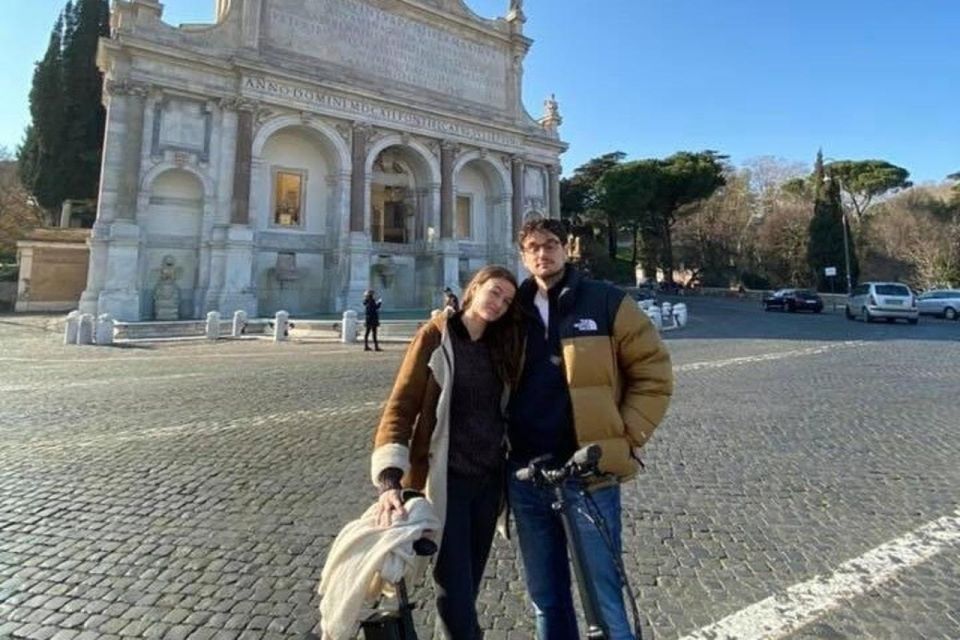
You also make a short stop in Rione IV Campo Marzio. It’s listed as a photo stop plus time to visit and walk through the area.
This might sound smaller than the headline sites, but it often becomes one of those underrated pieces of travel value. You get a breather and a moment to connect the route between bigger landmarks. If you’re the type who likes to understand neighborhood geography—even a little—this stop helps.
It also helps if your group has mixed interests. While one person focuses on a grand fountain or a huge temple, someone else might prefer these short segments where you can absorb the atmosphere and then jump back into the next main stop without feeling rushed.






Trevi Fountain: iconic sight, guided so it stays meaningful
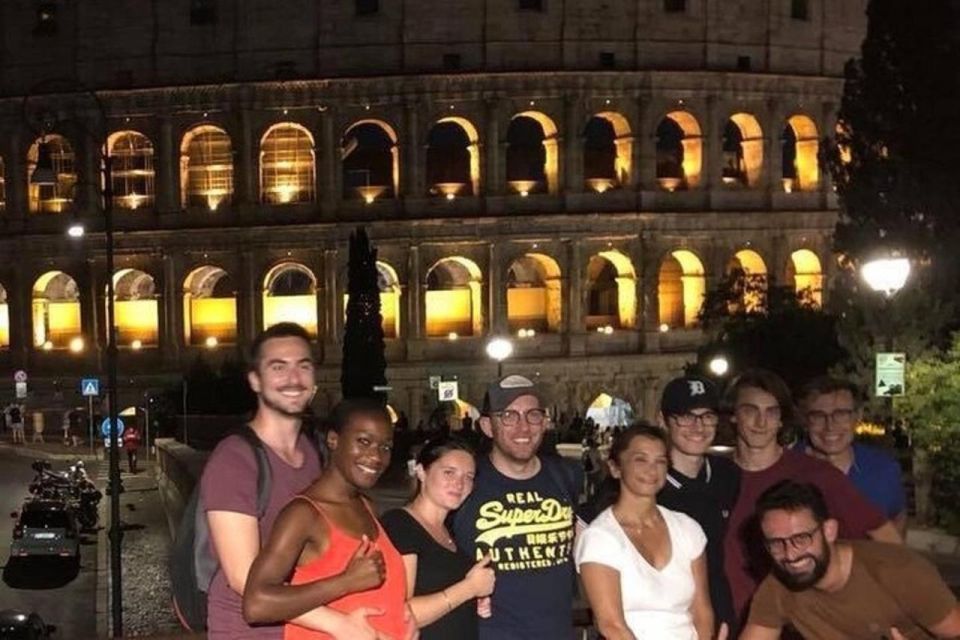
Then you reach Trevi Fountain—one of Rome’s most famous landmarks and a guaranteed photo magnet. Here, the tour includes time for a photo stop and a guided visit, which is exactly how I like to handle the heavy hitters.
The biggest advantage is that your guide doesn’t just point and leave you to figure it out. They give you context so it feels earned instead of like a checkmark. In a 2-hour experience, that framing is what separates “I saw it” from “I understood it.”
The pace matters too. Since this is a walking tour with set segments (photo, visit, guided tour), you’re more likely to see what you came for without spending your entire time stuck in one spot.
Practical tip from how this tour is structured: if you care about photography, prioritize your time here. Ask your guide where to stand for the views you want and how to move efficiently to your next stop.
Pantheon: the Roman temple moment you’ll actually remember
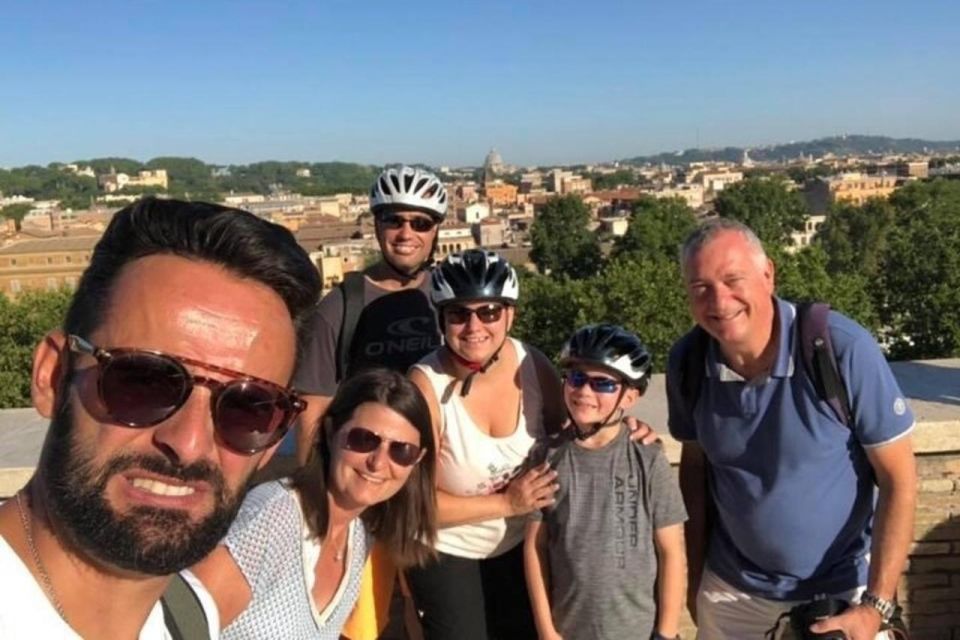
You end up at the Pantheon, described as a remarkably preserved Roman temple. This is one of those places where a guide can make a huge difference, especially if you only have a short time in Rome.
The tour gives you the guided tour plus time to visit and sightsee, so you can slow down enough to take it in. Even when the Pantheon is on every Rome list, it’s still easy to treat it casually. With a guide, you’ll know what to pay attention to and how to make sense of what you’re seeing.
I also like that this stop sits after Trevi. It gives you variety: you go from Baroque spectacle to a much more direct Roman monument feel. By the time you reach the Pantheon, you’re no longer just chasing famous names—you’re moving through different eras with a clearer sense of progression.
Sant’Ignazio di Loyola: the church stop that often surprises people
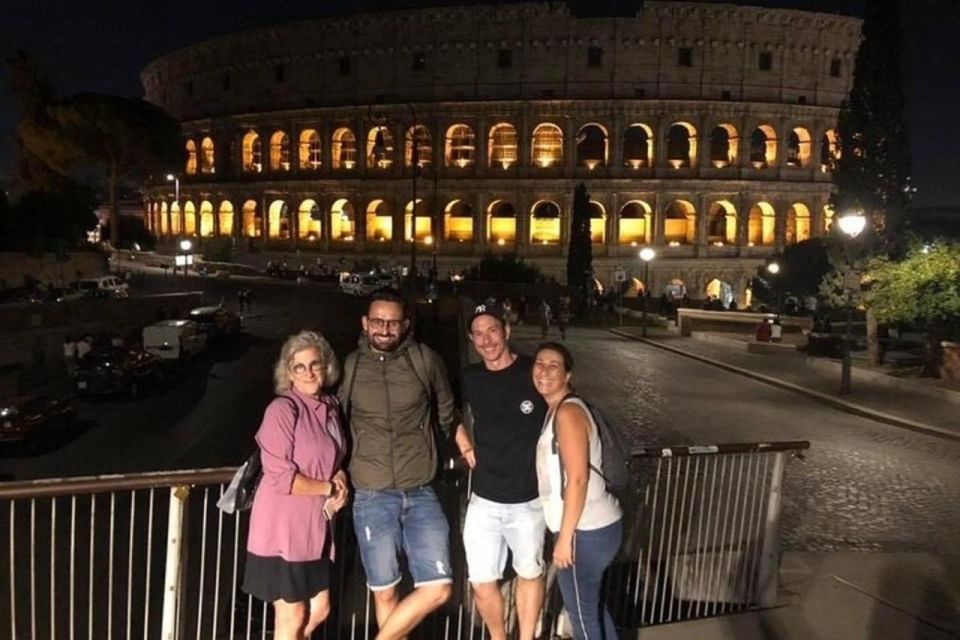
After the Pantheon, you visit Church of Sant’Ignazio di Loyola. It’s included with the same pattern—photo stop, visit, guided tour, and sightseeing time.
Why this can be a pleasant surprise: church interiors and facades often become the “real” highlight for people who thought they came only for fountains and squares. A guided stop helps you notice what makes the church distinct instead of treating it like a quick exterior.
This is also a good point in the tour for questions. Since the guide is there and you’re moving at walking pace, you can ask for recommendations for the rest of your day—what to do next, where to go for a drink or meal, or how to avoid wasting time.
Even though food and drinks aren’t included, your guide’s advice can steer you toward better choices than what you’d pick blindly.
Private pacing and the guide’s role: why 2 hours feels like more
This tour is built around a knowledgeable local guide and the promise that it can be customized. That doesn’t mean it turns into random wandering. It means the guide can help you tune the route to your group.
It also matters that the guide gives lots of valuable advice about other things to do in the city. That’s travel value that lasts beyond the walk, especially if it’s your first time in Rome or your timing is tight.
One detail I’d keep in mind: a guide named Simona is specifically noted for keeping two teenagers engaged despite rain. That’s not just a nice story—it’s a sign that the tour experience can handle real-life conditions and still stay interesting for everyone in the group.
So when you book, don’t be shy about using the time. Ask what you should see next based on your interests. Ask how the sights connect. Ask what’s worth skipping if you only have limited time.
Price and value at $41 for a private 2-hour walk
At $41 per person for a 2-hour private walking tour, the value hinges on what’s included and how you use the time.
You’re paying for:
- a private guide experience (no other groups in your walk)
- a walking route through major highlights
- walking tour and public transport as part of the experience (unless you pick an option that changes that)
- help from the team to book tickets for visits you want to make
The big question is whether you’d do all this well on your own. If you’re comfortable navigating Rome and you only want pictures, you could try self-guided. But if you want the order to feel logical, and you want meaning attached to what you see, paying for a guide at this length can be a smart shortcut.
What’s not included is food or drinks. That’s the one part you’ll plan yourself. I’d budget for water and a snack, especially if you’re walking in warmer weather or if your schedule overlaps a meal time.
Also, because it’s 2 hours, you’ll get breadth more than depth. If you want deep dives into museums or long interior stays, you should treat this as the “big highlights with context” part of your Rome plan.
Who should book this tour (and who might want something else)
This tour is a good fit if you:
- want the main squares and fountains in a short window
- care about understanding what you’re seeing, not just photographing it
- like the idea of a private guide who can tailor the pace
- are visiting as a family or mixed-age group (the Simona story is a clue this format works even when conditions aren’t ideal)
It may be less ideal if you:
- want long time inside major sites without moving on
- want a food-focused experience (since drinks and food aren’t included)
- hate walking and prefer slower, longer museum-style touring
If you’re the type who likes to plan a day that feels smooth, this works because it gives you a structured route through multiple eras of Rome, with guided framing at each stop.
FAQ
How long is the Rome Best Squares & Fountains walking tour?
The tour lasts 2 hours.
How much does it cost?
It costs $41 per person.
Where does the tour start?
The meeting point is Piazza Mignanelli, 00187 Rome RM, Italy.
Is the tour private?
Yes. It’s private and exclusive, and you’ll have no one else in your group. Private group is also available.
What main sights do we see?
You’ll visit places such as Santissima Trinità dei Monti, Piazza Navona, the Pantheon, Trevi Fountain, the Marcus Aurelius Column, and the Church of Sant’Ignazio di Loyola.
Does the tour include transportation?
It includes the walking tour and public transport, except if you select one of the options that changes this.
What language options are available for the guide?
The live guide is available in English, French, Italian, and Spanish.
Is food or drink included?
No. Drink or food is not included.
Is this tour wheelchair accessible?
Yes, it is wheelchair accessible.
Should you book this tour?
If you want a short, well-paced introduction to Rome’s squares and fountains with real guidance at each stop, I’d book it. The private format and customizable pacing make it easier to enjoy than a packed group walk, especially if you want your photos to match what you learn.
Book it with the right mindset: you’re getting the highlights fast, with meaning attached, not a slow museum-style day. If that fits your travel style, this is a strong value way to experience the city’s major highlights in just two hours.